Beginner Camera FAQ 2024: Mirrorless vs DSLR vs Smartphone
If you're buying your first serious camera in 2024, the biggest question usually isn't just which model to buy—it's which type of camera makes the most sense. For most new photographers, the choice comes down to sticking with a smartphone, picking up an older DSLR, or moving into a modern mirrorless system.
At Unique Photo, we generally recommend starting by thinking about how you want to shoot: casual everyday photos, travel, family events, creative portraits, or long-term growth into a lens-based system. Below, we break down the most common beginner questions and explain where each option fits.
Is it still worth getting a DSLR in 2024, or should beginners go mirrorless?
For most beginners, mirrorless is the better long-term choice in 2024. Mirrorless cameras give you live exposure preview in the viewfinder or rear screen, fast autofocus with subject detection, strong video features, and access to lens systems that manufacturers are actively building out. If you're learning photography from scratch, those advantages make the process easier and more intuitive.
That said, a DSLR can still be a good value if budget is your top concern and you're comfortable buying used or older gear. DSLR systems can produce excellent image quality, especially for still photography. The main tradeoff is that many brands are now focusing more heavily on mirrorless bodies and lenses, so future upgrade paths tend to be stronger on the mirrorless side.
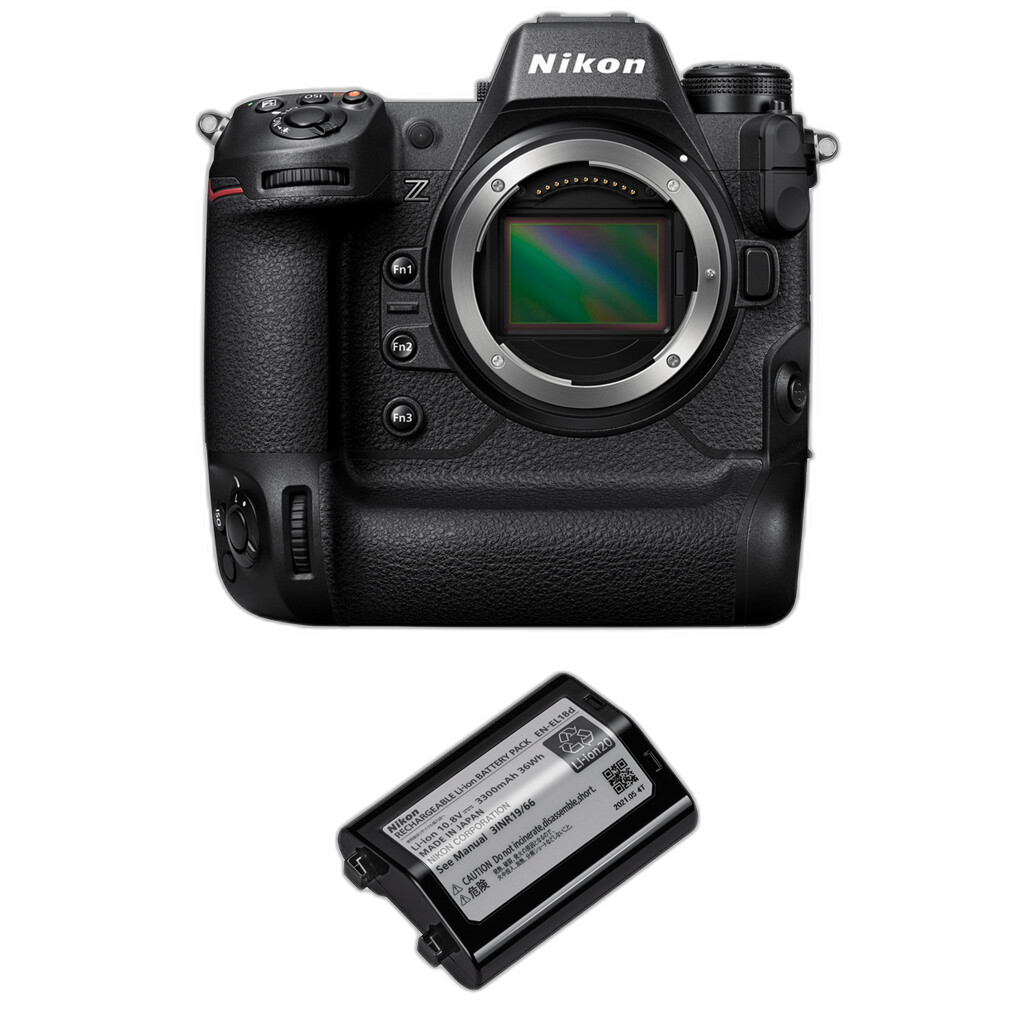
If you want a system that can grow with you, mirrorless is usually the smartest starting point. At the premium end, cameras like the Nikon Z9 show just how far mirrorless technology has come, with outstanding autofocus and professional performance—far beyond what a beginner needs, but a great example of where the market has shifted.
How does a smartphone compare to an entry-level mirrorless camera?
Smartphones are incredibly capable for convenience, social sharing, and casual everyday photography. They use computational photography to make scenes look bright, colorful, and sharp with almost no effort. For snapshots, travel memories, and quick video clips, your phone may already be good enough.
Where an interchangeable-lens camera pulls ahead is control and consistency. A mirrorless camera typically gives you a larger sensor, better low-light performance, more natural background blur, faster focus tracking for moving subjects, better ergonomics, and the ability to change lenses as your interests grow. If you want to learn composition, shutter speed, aperture, flash, or portrait technique, a dedicated camera gives you far more room to develop.
In short: smartphones win on portability and simplicity, while mirrorless cameras win on image quality, flexibility, and creative control. If photography is becoming more than a casual habit, mirrorless makes a real difference.
What should a beginner buy if they want the best value under $800?
Under $800, the best value is often found in used gear rather than brand-new high-end bodies. A used mirrorless kit can deliver a much better learning experience than a smartphone while keeping costs manageable. When shopping on a budget, we usually suggest prioritizing three things: a reliable body, a versatile zoom lens, and a system that leaves room for future lens upgrades.
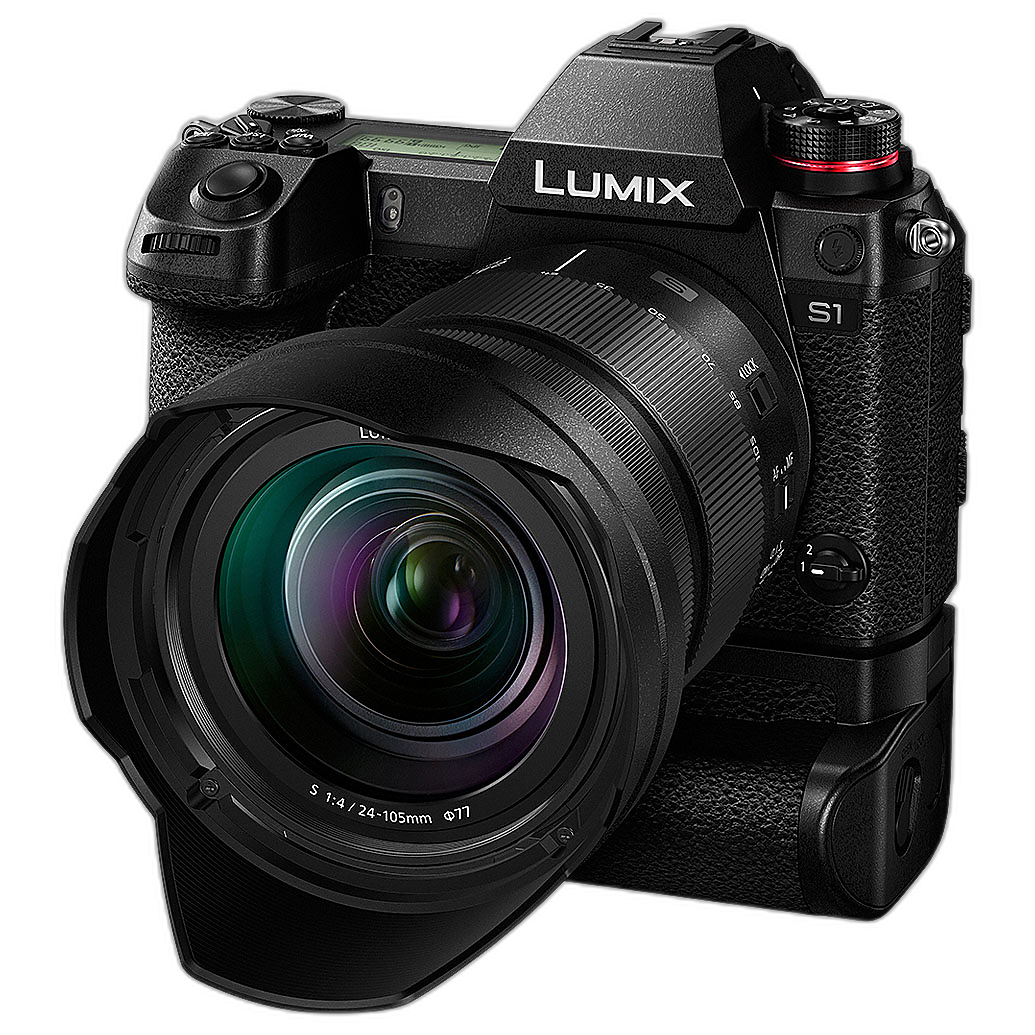
One strong example of this value-minded approach is a used full-frame mirrorless option such as the Used Panasonic Lumix DC-S1 with 24-105mm lens. A kit like this gives a beginner a flexible focal range for landscapes, portraits, travel, and everyday shooting in one package. Used camera gear can be especially attractive for new photographers because it stretches the budget further without sacrificing core image quality.
If your budget is firm, we recommend looking at complete kits and used inventory before focusing on body-only premium models. The goal for a beginner is not to buy the most advanced camera possible—it's to buy the camera you'll actually carry, use, and learn on.
Are mirrorless cameras easier for beginners to learn than DSLRs?
Yes, in many cases they are. One of the biggest beginner-friendly advantages of mirrorless is that what you see on screen is much closer to what the final image will look like. If you brighten the exposure, change white balance, or adjust depth of field, you can often preview that change immediately. That feedback loop helps new photographers understand settings faster.
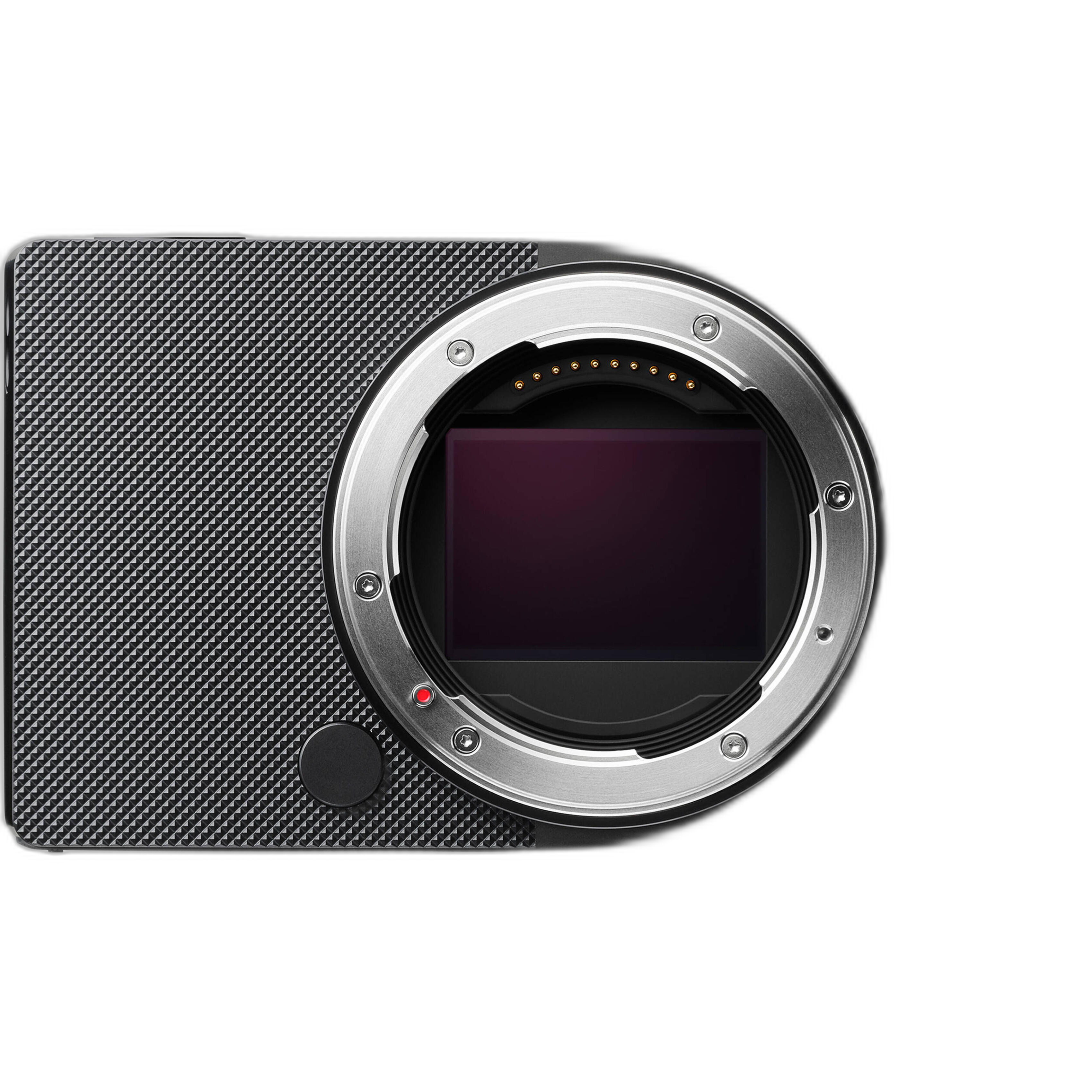
Mirrorless cameras also tend to offer touchscreens, eye-detection autofocus, cleaner menu design, and advanced auto modes that still leave room to grow into manual control. A camera with intuitive handling can make a big difference when you're just starting out. Some minimalist designs can also appeal to new photographers who want a simple shooting experience without a lot of visual clutter, such as the Sigma BF Digital Camera.
Ease of use, however, isn't only about menus. It's also about how a camera feels in your hand, how quickly you can find settings, and whether the system encourages you to keep shooting. That's why handling matters just as much as specs.
What brands are most beginner-friendly?
The most beginner-friendly brand is usually the one that offers a clear path from your first camera to your second and third lens. Look for strong autofocus, good color, approachable controls, and lens availability. Fujifilm, Nikon, Sony, Panasonic, and Sigma all bring something different to the table depending on your shooting style.
Fujifilm is often attractive to photographers who care about color, tactile controls, and a more intentional shooting experience. Nikon and Sony are known for powerful autofocus and broad system growth. Panasonic is a great option if you want strong hybrid photo/video capability and strong value in used gear. Sigma can appeal to photographers who prefer a modern, design-driven approach.
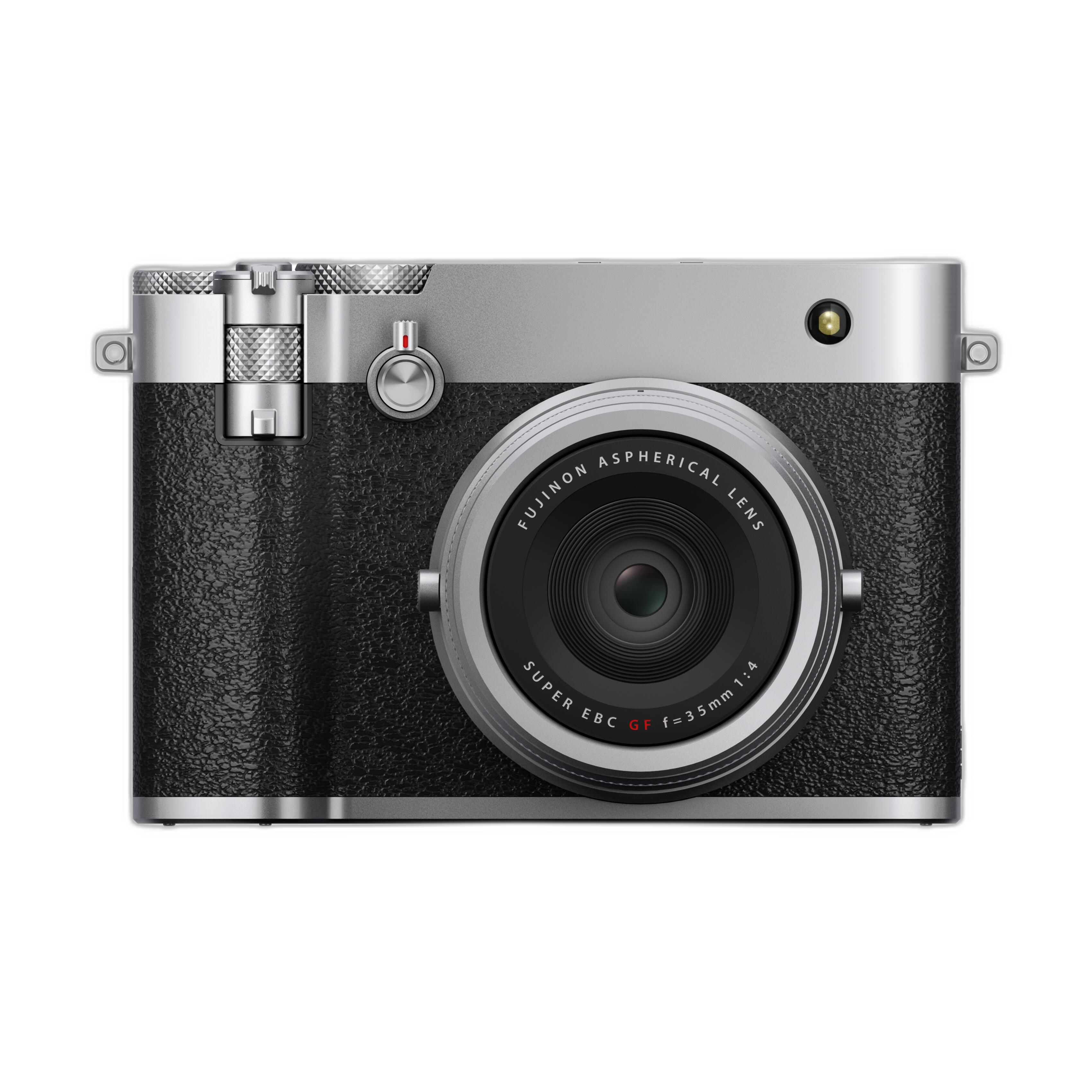
For inspiration on what modern mirrorless design looks like at the high end, the Fujifilm GFX100RF is a striking example of a camera built around image quality and a refined user experience, though it is clearly not an entry-level budget choice.
Should beginners buy a camera body only, or a kit with a lens?
Most beginners should start with a kit or a body-and-lens combination, not a body alone. A camera body without a lens can delay your ability to start shooting and often makes the real cost of ownership higher than expected. For a first camera, a standard zoom or an all-purpose lens is usually the most practical choice because it lets you explore different subjects before deciding which specialty lens you may want later.
This is another reason used bundles can make so much sense. A camera-and-lens package gives you a ready-to-shoot setup and removes some of the confusion around compatibility. A beginner benefits more from a balanced kit than from a premium body with no lens attached.
Do beginners need a full-frame or medium format camera?
No. Most beginners do not need full-frame or medium format to get excellent results. These larger formats can provide benefits such as improved low-light performance, wider dynamic range, and shallower depth of field, but they also increase cost, lens size, and system complexity. What matters more at the beginning is learning light, composition, timing, and exposure.
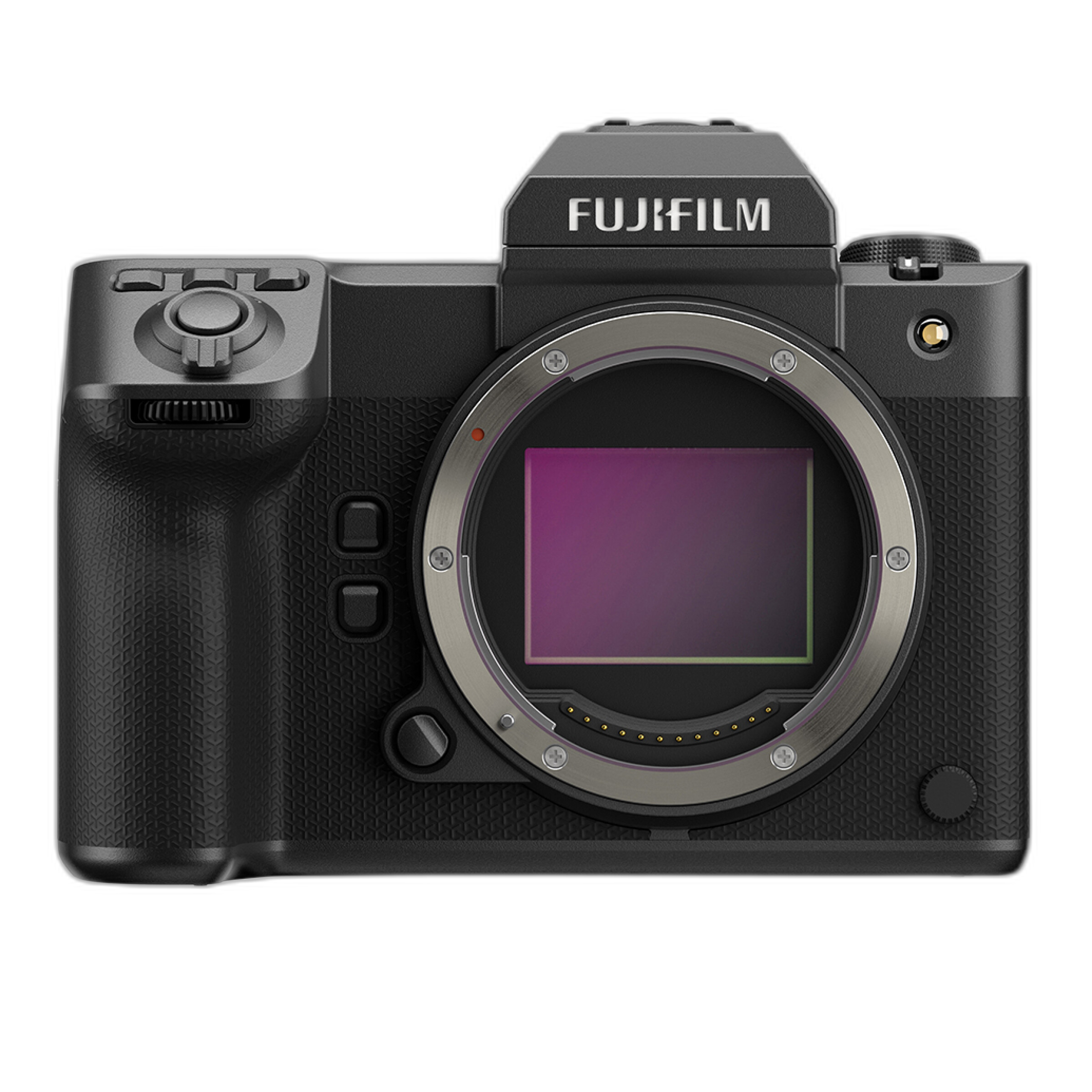
That said, it's helpful to understand what these categories mean as you shop. Full-frame is often a strong enthusiast and professional format, while medium format pushes even further toward maximum image quality. Cameras such as the Fujifilm GFX100 II represent the top end of image-making potential, but they are designed for photographers with advanced needs and a significantly larger budget.
For most first-time buyers, the better investment is a more affordable camera plus a good lens, memory card, extra battery, and time spent practicing.
What if I want a camera I can grow into for years?
If your goal is to build skills over time, choose a mirrorless system with strong lens support and a clear upgrade ladder. The camera you buy first should not be your last camera, but it should belong to a system that gives you room to expand. That means thinking beyond today's body and considering portrait lenses, telephoto options, travel lenses, and accessories down the road.
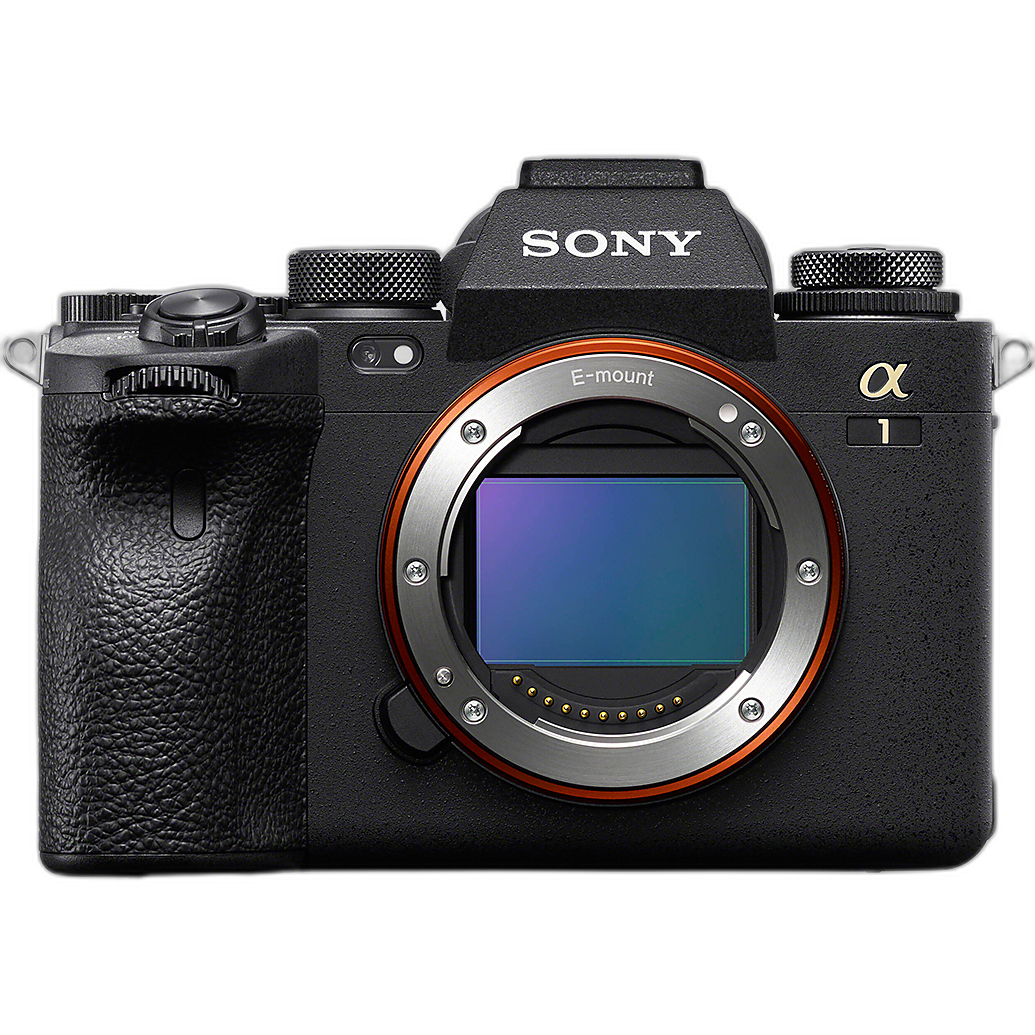
Professional models like the Sony Alpha a1 demonstrate the strength of modern mirrorless ecosystems. While the a1 itself is far beyond beginner needs, Sony's system depth makes it easier to start small and grow over time within the same mount.
If you want longevity, prioritize system support over chasing the most impressive spec sheet. A camera that feels approachable today and scalable tomorrow is usually the right answer.
So which option is best for most beginners in 2024?
For most people, the answer is simple: keep using your smartphone for convenience, but buy a mirrorless camera if you want to seriously learn photography. A DSLR can still be a budget-friendly path, especially used, but mirrorless is the stronger place to start if you want modern autofocus, easier learning, and a more future-proof system.
If your budget is limited, look for used mirrorless kits first. If your goal is casual sharing, your smartphone may still be enough. And if you're ready to dive deeper into photography as a hobby, a dedicated camera system is still absolutely worth it.
Need help comparing your options? Unique Photo can help you choose the right first camera, whether you're shopping for an affordable used setup or exploring the latest mirrorless systems. Browse our camera selection, compare lenses, and find the gear that matches your budget and goals.