Shotgun Mics vs Lavaliers for Interview Video
When you're recording interviews, audio quality can make or break the final piece. The biggest decision for many creators is whether to use a shotgun microphone mounted on-camera or on a boom, or a lavalier wireless system clipped directly to the subject. Both approaches can deliver excellent results, but they solve different problems in the field.
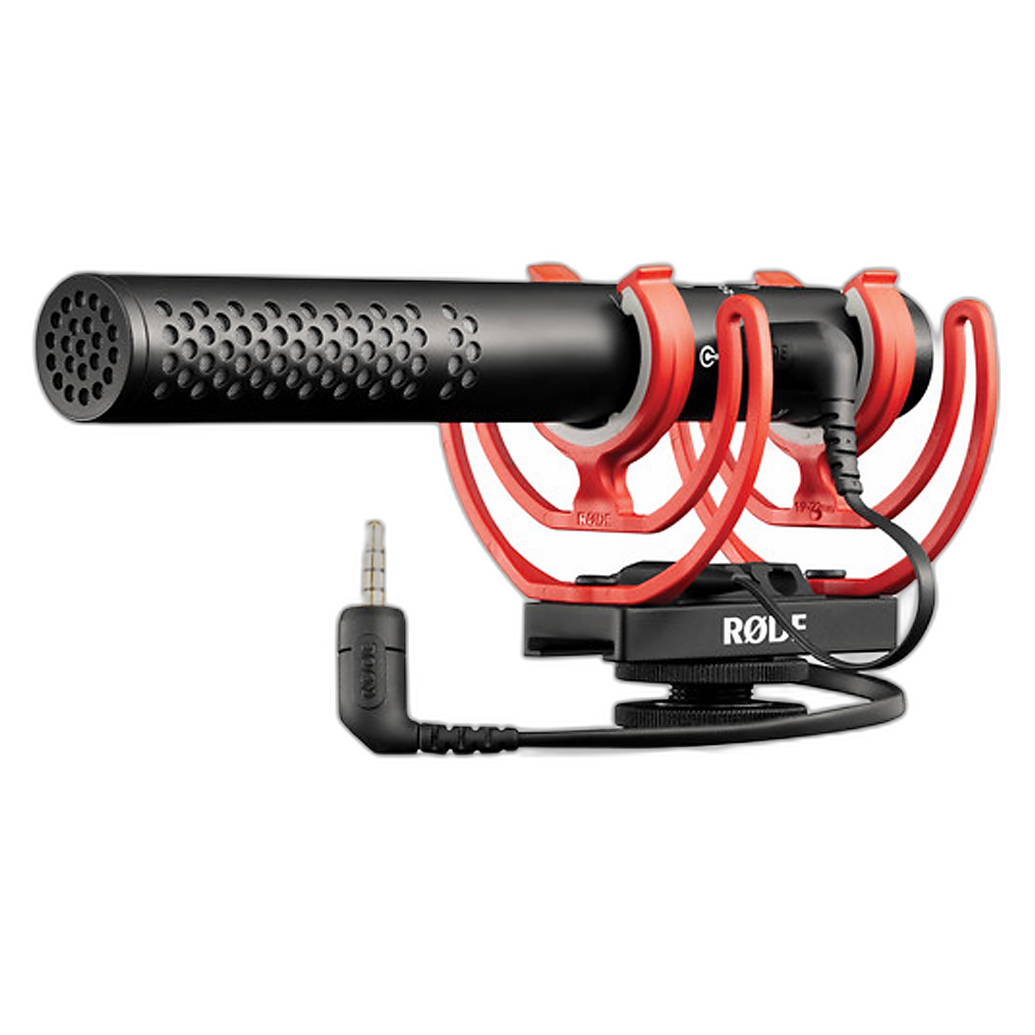
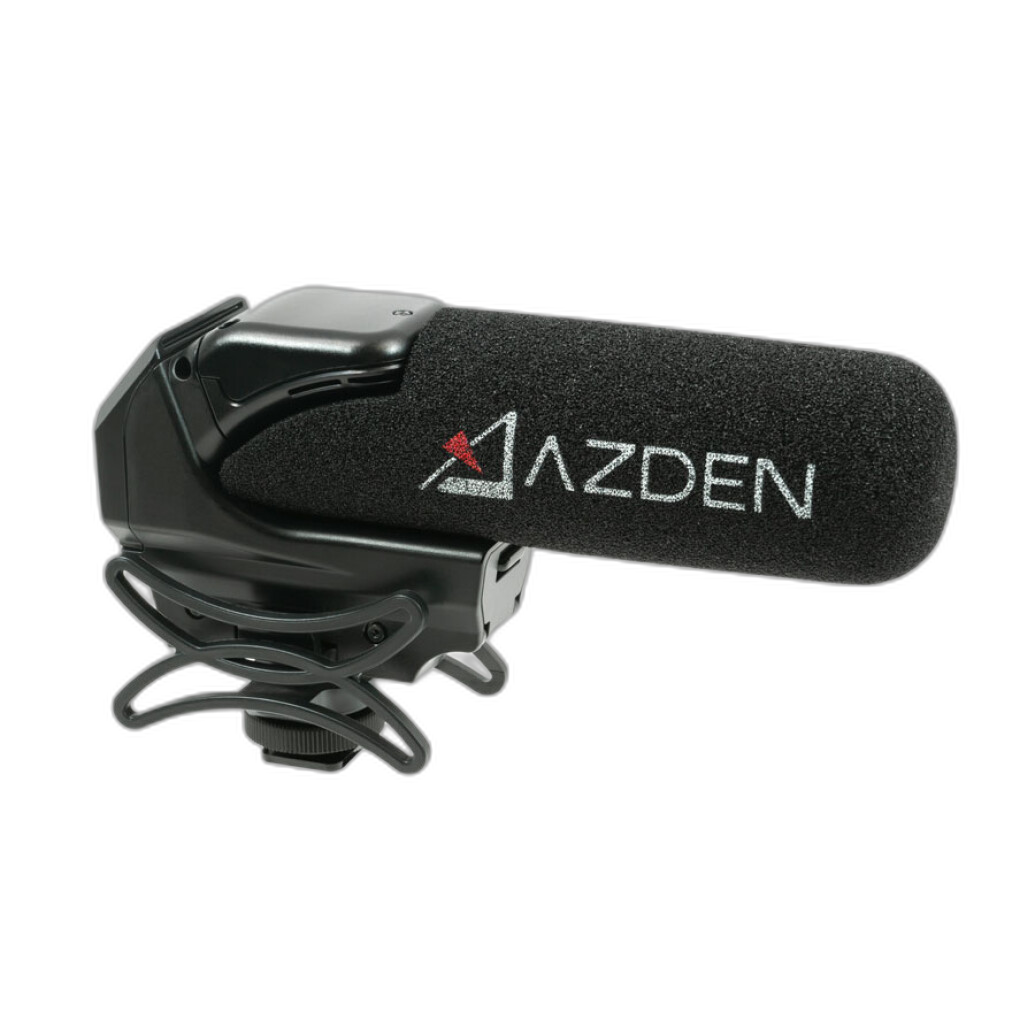
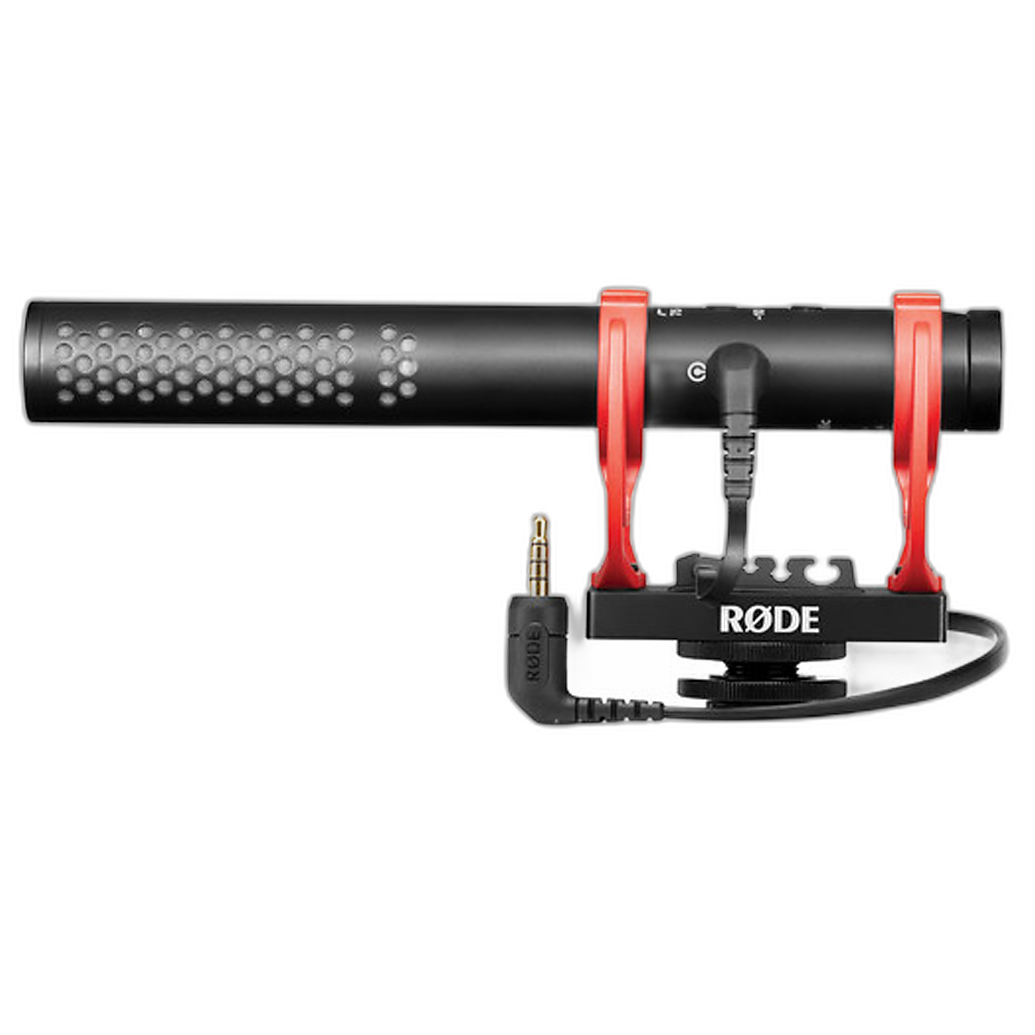
For this comparison, we're looking at popular shotgun options like the Azden SMX-15, Panasonic DMW-DMS1, Rode VideoMic NTG, Atomos StudioSonic, and Sennheiser MKE 600, and comparing them against a dedicated lavalier-style wireless interview solution, the Saramonic K9-US Professional Dual Digital UHF Wireless Mic System. If you're deciding between fast setup, clean isolation, discreet mic placement, or flexibility for single- and two-person interviews, this guide will help.
Side-by-Side Specs Comparison
| Product | Type | Best Use | Key Advantage | Potential Tradeoff |
|---|---|---|---|---|
| Azden SMX-15 Powered Shotgun Video Microphone | Shotgun mic | Run-and-gun interviews, on-camera use | Compact and simple powered design | Needs closer placement for best dialogue clarity |
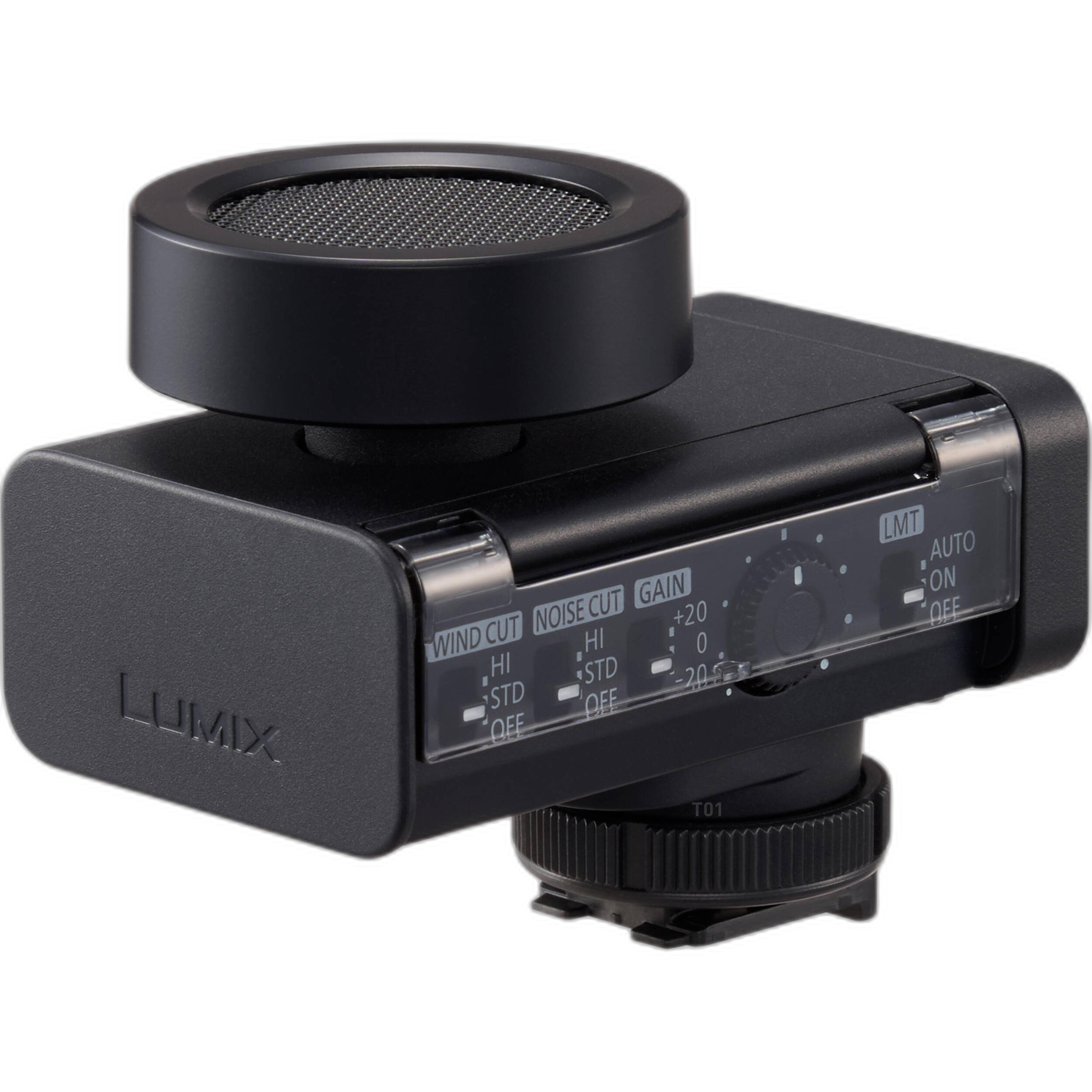
| Panasonic DMW-DMS1 Digital Multi-Pattern Shotgun Microphone | Shotgun mic | Camera-integrated interview capture | Multi-pattern flexibility | Best suited to compatible camera ecosystems |
| Rode VideoMic NTG Hybrid Analog/USB On-Camera Shotgun Microphone | Shotgun mic | Hybrid camera, desktop, and mobile workflows | Highly versatile analog/USB design | Still benefits from careful mic positioning |
| Atomos StudioSonic Shotgun Mic | Shotgun mic | General-purpose video interviews | Focused directional pickup | Room noise can still affect distant subjects |
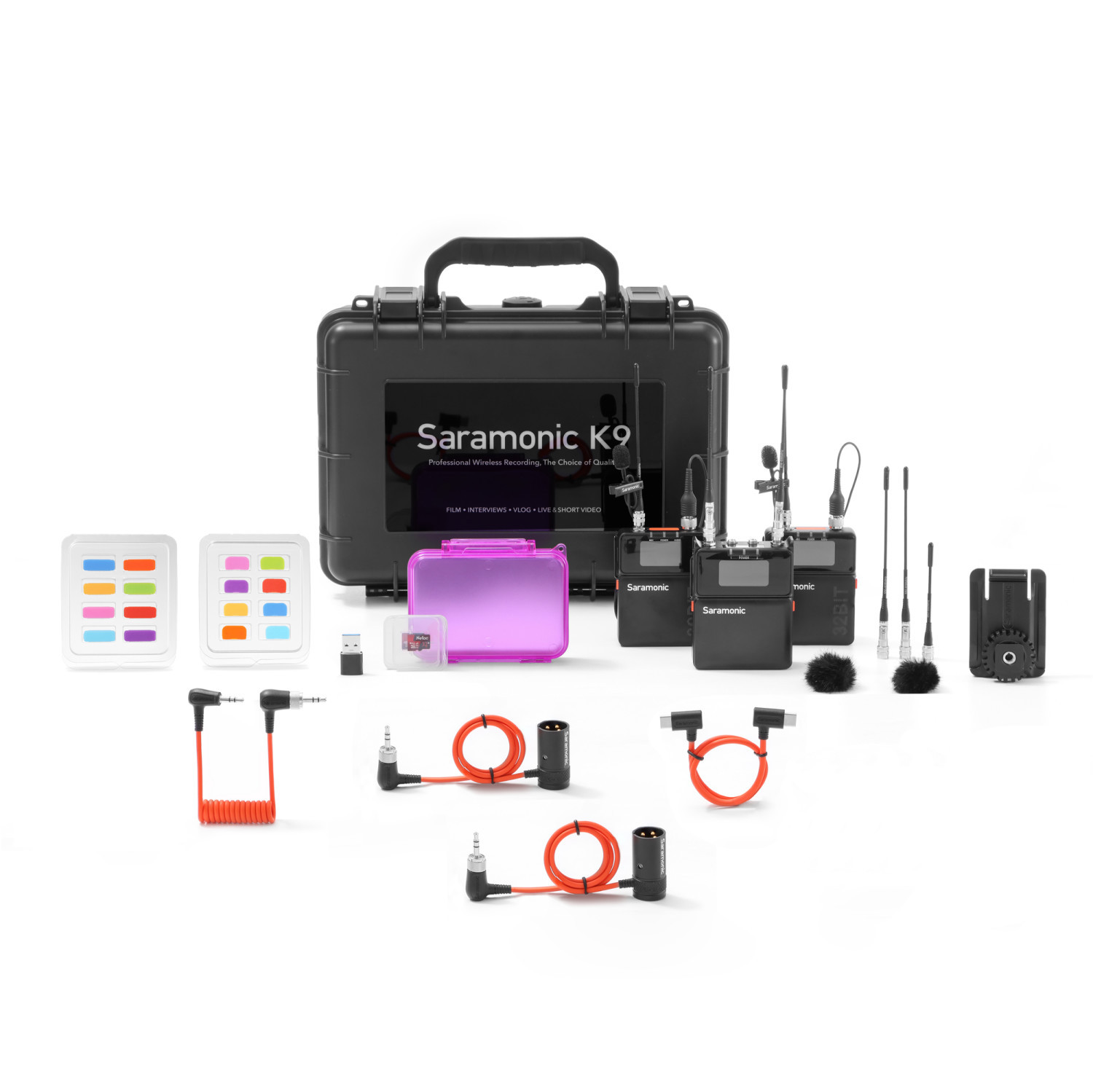
| Sennheiser MKE 600 Shotgun Microphone | Shotgun mic | Boomed sit-down interviews and controlled sets | Strong directional performance for dialogue | Larger setup footprint than a lav system |
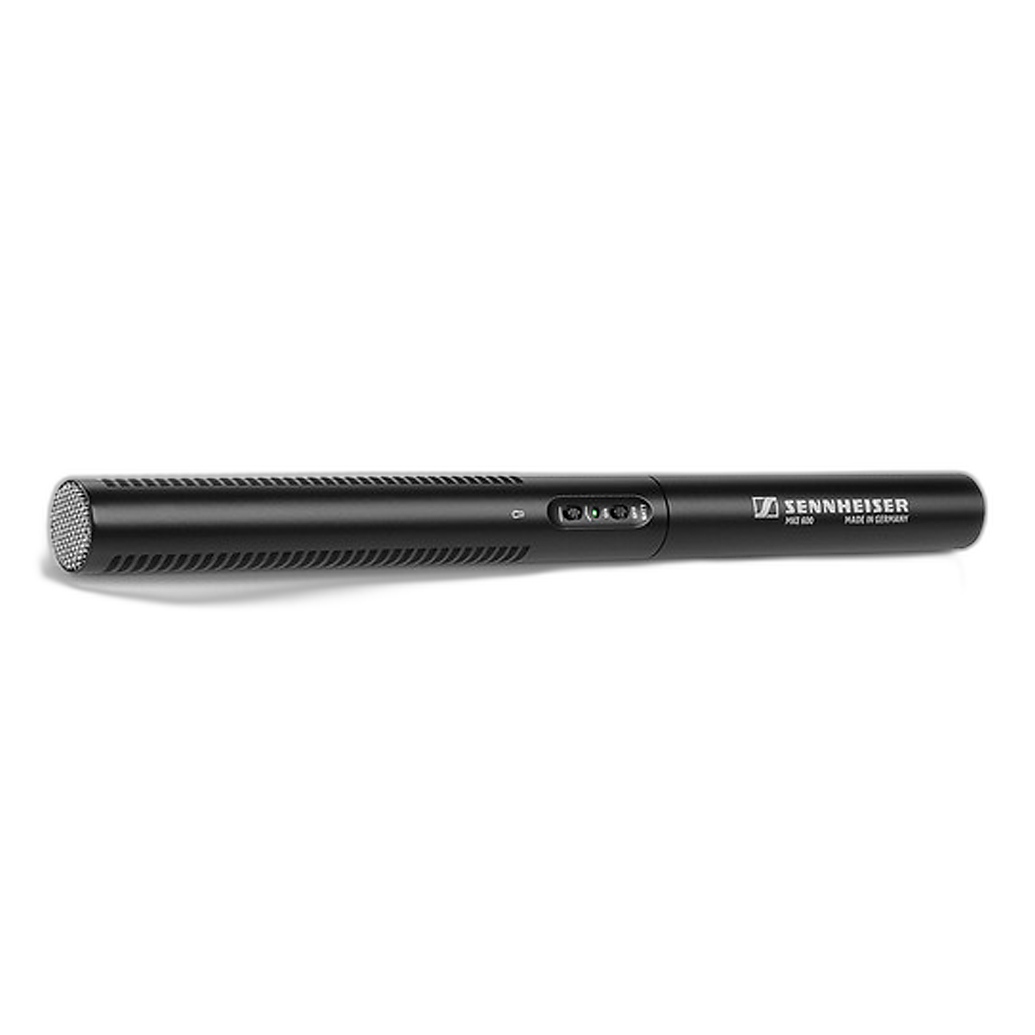
| Saramonic K9-US Professional Dual Digital UHF Wireless Mic System | Lavalier wireless system | Seated, walking, and two-person interviews | Consistent close-mic sound and dual-subject capability | Requires talent miking and wireless management |
Understanding the Core Difference
A shotgun mic captures sound directionally from in front of the microphone. For interviews, that usually means mounting it on-camera for convenience or placing it overhead on a boom for better dialogue capture. A lavalier sits much closer to the speaker's mouth, which usually gives you more consistent levels, especially if the subject turns their head or moves around.
That difference in placement matters more than almost anything else. A great shotgun placed too far away will usually sound worse than a properly hidden lav clipped close to the speaker. On the other hand, a high-quality shotgun overhead can sound more natural and less "mic'd up" than a lav, especially in a controlled location.
Shotgun Mics: Strengths for Interviews
Shotgun microphones are often the fastest way to improve interview audio without wiring every subject. Models like the Azden SMX-15 and Rode VideoMic NTG are especially appealing for solo shooters because they can live right on the camera. That makes them useful for documentary work, quick corporate interviews, event coverage, and creator setups where speed matters.
If you can position a shotgun closer to the speaker, the results improve dramatically. The Sennheiser MKE 600 stands out as a more serious dialogue tool for boom use in sit-down interviews, while the Panasonic DMW-DMS1 adds flexibility with multiple pickup patterns for users who want more control in compatible camera-based workflows.
Shotguns also keep the subject visually clean. There is no transmitter pack clipped to a belt and no visible mic on clothing unless you're pairing the setup with something else. For polished interviews where wardrobe matters, that can be a big advantage.
Lavalier Systems: Strengths for Interviews
Lavalier systems excel when reliability and consistency are the priority. Because the mic is attached to the subject, levels stay much more even as they shift in their chair, turn toward the interviewer, or walk between setups. For one-on-one interviews, talking-head videos, and two-person conversations, the Saramonic K9-US Professional Dual Digital UHF Wireless Mic System offers a major practical advantage: it is built for wireless workflow and dual-subject recording.
That makes lavaliers particularly strong for corporate interviews, wedding videography, educational videos, live presentations, and documentary production where talent movement is unpredictable. If your subject can't stay locked in one position, lavs usually win.
The main downside is setup complexity. You need to place the microphone properly, manage clothing rustle, monitor wireless performance, and sometimes hide transmitters. But in return, you get close, direct voice capture that is harder for room echo and distance to ruin.
Category-by-Category Comparison
1. Ease of Setup
Shotgun mics win for speed. An on-camera option like the Azden SMX-15, Atomos StudioSonic, or Rode VideoMic NTG is easy to mount and start using quickly. For creators working alone, that simplicity can be the deciding factor.
Lavalier systems win for controlled interviews once set. The Saramonic K9-US takes more time initially, but after the subject is mic'd, it often provides more dependable dialogue capture throughout the interview.
2. Sound Consistency
Lavalier systems usually win. Since the mic stays attached to the person speaking, their voice remains more consistent even with head turns and body movement. This is one of the biggest reasons interview crews rely on lavs.
Shotguns depend heavily on placement. A boom-mounted Sennheiser MKE 600 can sound excellent, but an on-camera shotgun placed several feet away from the subject may capture more room sound than ideal.
3. Natural Sound
Shotgun mics often win for natural tone. A well-placed shotgun can capture speech in a way that feels open and realistic, without the chest-level perspective common to lavaliers. For cinematic interviews, this can be preferable.
Lavs can sound more intimate but less natural. They are often clearer in difficult environments, but they can also emphasize clothing noise or feel slightly less organic depending on placement.
4. Performance in Noisy Environments
Lavalier systems usually have the edge. Because the mic is so close to the mouth, the speaker's voice stays prominent even when ambient noise rises. For trade shows, busy offices, outdoor walk-and-talks, and event coverage, the Saramonic K9-US can be the safer choice.
Shotguns still help, but distance is critical. Directional pickup can reduce off-axis noise, but it will not magically overcome a noisy location if the mic is too far from the speaker.
5. Best for Two-Person Interviews
Lavalier systems are often more practical. The Saramonic K9-US Professional Dual Digital UHF Wireless Mic System is especially attractive here because it is designed for dual-subject workflows. If both interviewer and guest need clean, independent audio, a dual wireless setup is hard to beat.
Shotguns can work for two people, but usually only with careful boom placement or a more controlled seated arrangement. On-camera shotguns are generally less ideal for balanced two-person dialogue unless everyone stays close.
6. Best for Solo Creators
Shotgun mics are often the easiest recommendation. The Rode VideoMic NTG stands out for hybrid analog and USB flexibility, making it useful for camera work, voice capture, streaming, and desktop production. The Azden SMX-15 is also appealing for straightforward on-camera operation.
If you're filming yourself and do not want to wire up every take, a shotgun is the more convenient tool. If you prioritize maximum vocal consistency over convenience, a lav system is still worth the extra setup.
7. Best for Professional Sit-Down Interviews
This depends on the production style. For polished, controlled interview environments, a boom-mounted shotgun such as the Sennheiser MKE 600 can produce excellent, natural-sounding dialogue. For interviews where movement is unpredictable or setup time is limited, the Saramonic K9-US offers more consistency and flexibility.
Many professional productions actually use both: a shotgun overhead as the primary natural-sounding mic and a lav on the subject as backup. But if you're choosing just one category, the environment should drive the decision.
Our Pick
Our Pick: Saramonic K9-US Professional Dual Digital UHF Wireless Mic System
For interview work specifically, the Saramonic K9-US is the most versatile overall choice in this comparison. Its lavalier-based wireless approach is simply better suited to the real-world challenges of interviews: subject movement, variable framing, two-person conversations, and the need for consistent vocal levels. If your main goal is dependable spoken-word audio, lavaliers are usually the safer bet.
Best shotgun alternative: Rode VideoMic NTG. If you prefer an on-camera shotgun for flexibility and speed, the Rode is the strongest all-around shotgun option here for creators who move between video production, USB workflows, and compact rigs.
Final Verdict
If you're choosing between shotgun mics vs lavaliers for interviews, the short answer is this: shotguns are better for speed, simplicity, and natural sound when placed well, while lavaliers are better for consistency, flexibility, and challenging real-world interview conditions.
For solo creators and compact rigs, a shotgun like the Rode VideoMic NTG, Azden SMX-15, or Atomos StudioSonic can be a smart solution. For dedicated interview production, especially with two speakers or moving talent, the Saramonic K9-US is the stronger all-around tool. If you're building an interview audio kit, Unique Photo offers strong options across both categories, whether you want a lightweight on-camera mic or a more robust wireless interview setup.