Introduction: A photography book that speaks directly to today’s editing debates
Photographers regularly argue about how much post-processing is acceptable, especially when entering contests built around documentary, travel, wildlife, or journalism standards. Basic tonal corrections, dust removal, and color balancing are often accepted. Heavy compositing, object removal, AI alterations, or dramatic scene reconstruction can quickly move an image from "enhanced" to "disqualified." In that context, Aperture Books' Race Stories: Essays on the Power of Images is an unexpectedly relevant and thoughtful read. While it is not a rulebook for contest submissions, it is deeply useful for photographers who want to think more critically about how images are made, interpreted, judged, and valued.
This book is best positioned for photographers, educators, students, contest entrants, and visual storytellers who understand that the conversation around editing is not just technical. It is also cultural, ethical, historical, and personal. If you have ever seen one contest-winning image praised for "strong color grading" while another was rejected for "overprocessing," this title helps frame the larger question: what gives an image authority, and who decides?
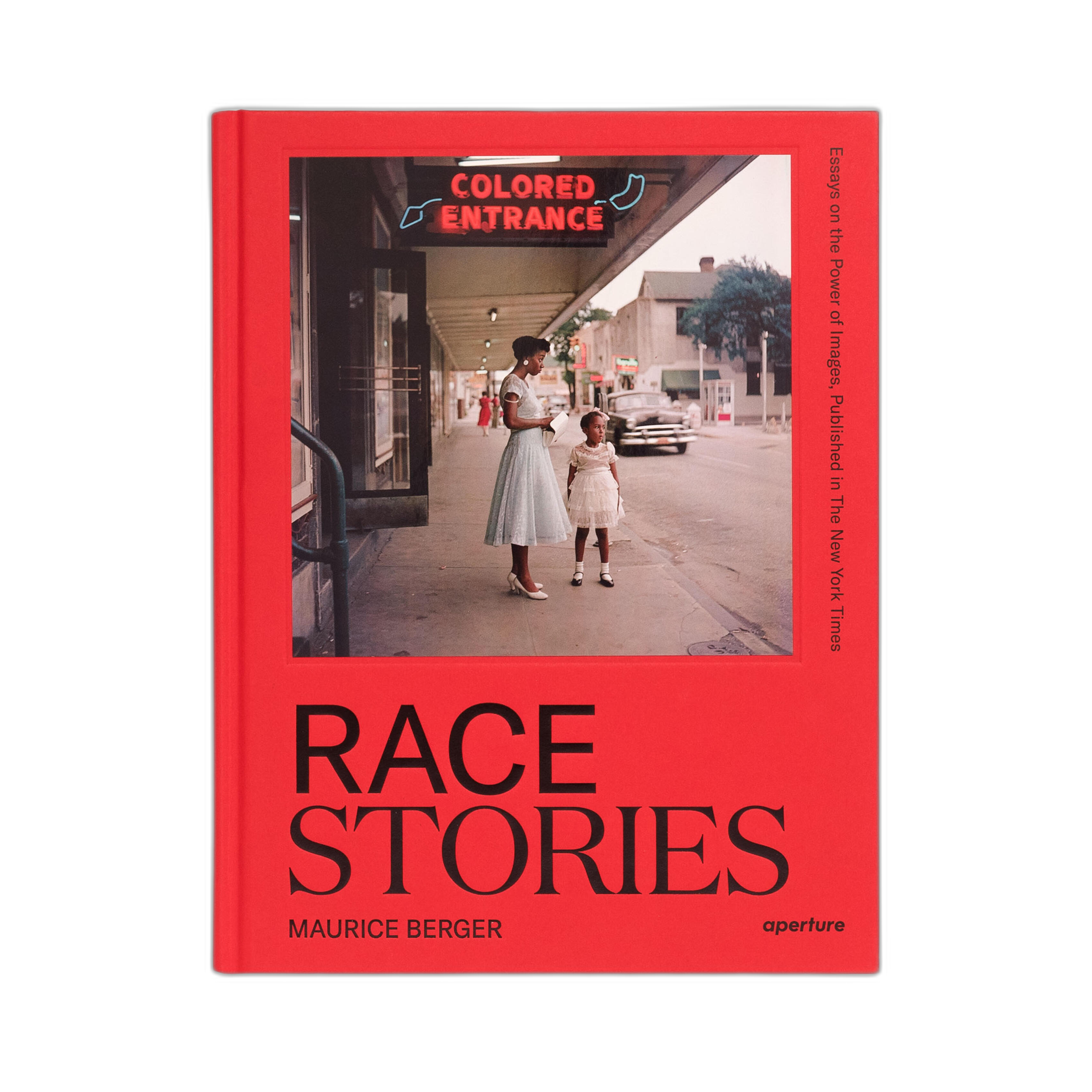
Rather than offering presets or workflow tips, Race Stories: Essays on the Power of Images gives readers something more lasting: a sharper critical vocabulary. That makes it especially compelling for photographers navigating modern contest culture, where accepted editing can vary wildly depending on genre, organizer, and judging philosophy.
Why this book matters for photographers discussing acceptable post-processing
The debate over post-processing often gets reduced to simplistic before-and-after examples. One photographer says they only adjusted contrast. Another admits to swapping skies. A third loses a contest because a clone stamp removed a distracting branch. Yet another wins praise because their dramatic toning "elevated the story." These examples are common, but the underlying issue is interpretation. Images do not exist outside context, and contests frequently reveal how unstable the line between correction and manipulation can be.
This is where Race Stories stands out. The essays encourage readers to think beyond software sliders and ask harder questions about representation, power, framing, and visual credibility. For photographers who have stories of images accepted, disqualified, or celebrated for their editing choices, this book provides intellectual grounding for those lived experiences.
A broader understanding of image ethics
Many contest entrants learn the rules only after something goes wrong. A wildlife image may be rejected because the photographer combined exposures. A street photograph may draw praise despite obvious tonal shaping because the changes were considered interpretive rather than deceptive. The book helps readers understand why image ethics can never be reduced to a single universal threshold. Different visual traditions carry different assumptions, and Race Stories is strong precisely because it helps unpack those assumptions.
Useful for documentary, editorial, and fine-art photographers alike
One of the strengths of this title is that it is not narrowly aimed at one niche. Documentary photographers will appreciate its relevance to truth claims and image credibility. Fine-art photographers may find it valuable as a challenge to simplistic judgments about what an edited image means. Educators and students can use it to enrich classroom discussions around contest standards, publication ethics, and audience perception.
Key features
Thoughtful essays that deepen visual literacy
The core strength of the book is its essay-driven structure. Rather than presenting a single thesis, it opens up multiple ways of reading photographs and understanding their impact. For photographers caught in debates about acceptable retouching, this matters. A contest jury may say an image looks "too processed," but what they often mean is that the image no longer aligns with their expectation of authenticity. This book gives readers tools to understand that gap.
That makes it particularly rewarding for photographers who have personal stories about contest outcomes. Maybe your carefully dodged-and-burned monochrome street photo was praised for atmosphere. Maybe your landscape was rejected because saturation was deemed excessive. Maybe a heavily stylized portrait won because the category welcomed interpretation. Race Stories does not solve those contradictions, but it helps explain why they happen.
A timely companion to modern judging standards
Today, contest guidelines increasingly mention RAW file verification, prohibited content-aware edits, AI-generated elements, and restrictions on object removal. At the same time, judges still reward polish, mood, and visual impact. This creates tension: photographers are asked to be both restrained and exceptional. The book is timely because it engages with the power images hold and the frameworks through which they are evaluated.
In practical terms, reading this book can make photographers more self-aware when deciding how far to push an edit. If your goal is contest success, that self-awareness is valuable. The strongest entrants are often not those who edit least, but those who understand the expectations of the category and the consequences of crossing genre boundaries.
Beautifully produced and suitable for repeated reference
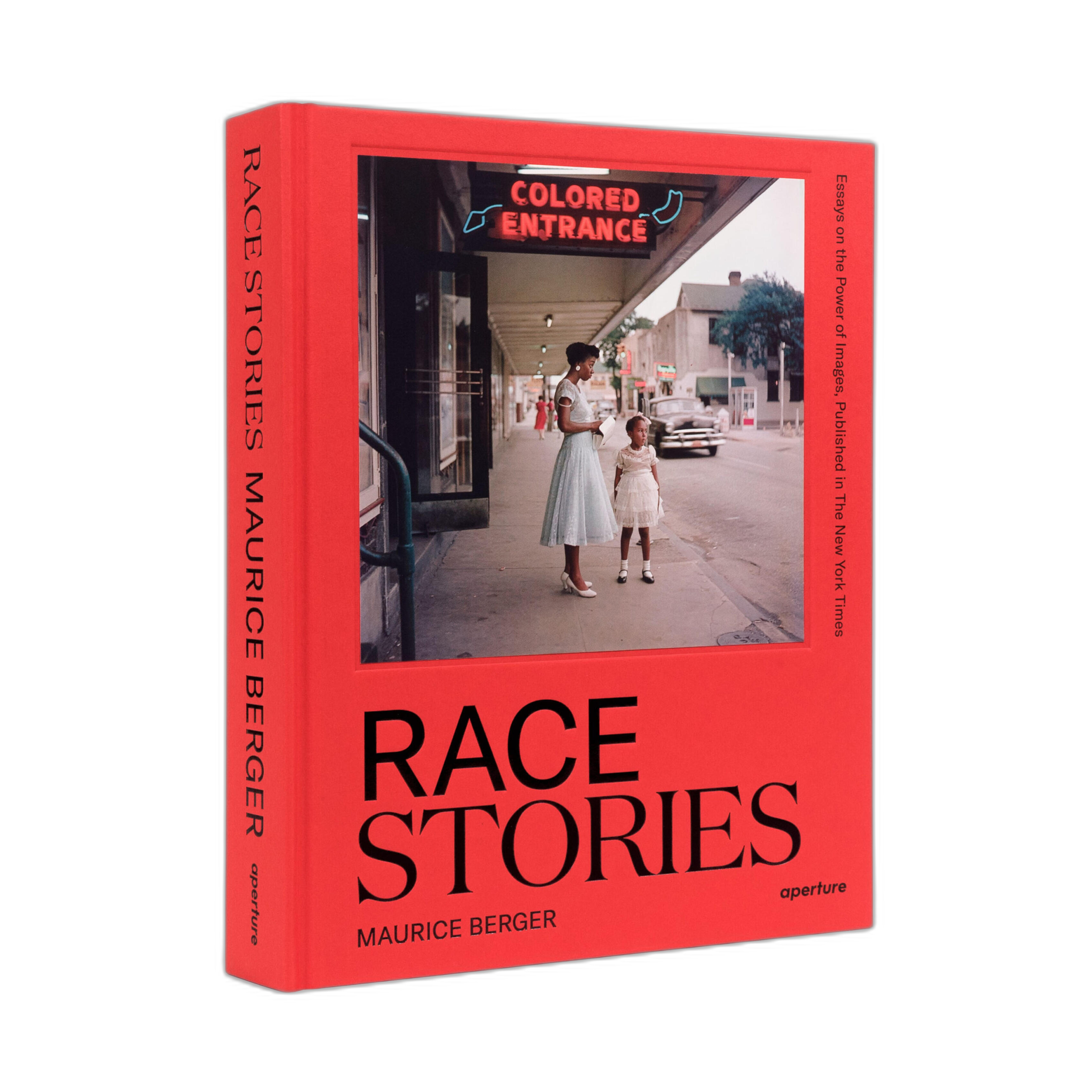
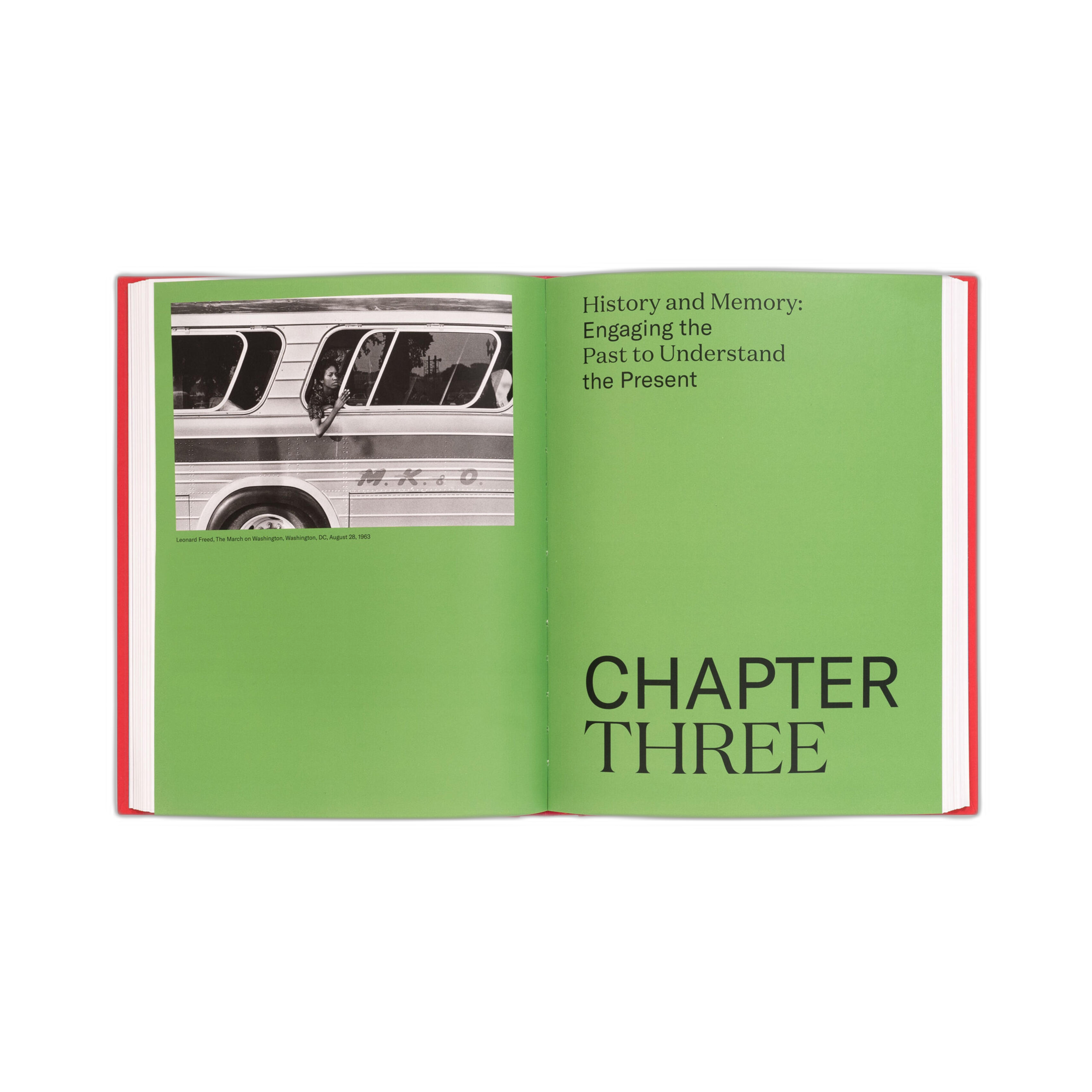
As expected from Aperture Books, the production quality supports the seriousness of the content. This is the kind of photography book that works both as a read-through and as an occasional reference when a new ethics debate flares up online or in a camera club. It feels substantial without becoming inaccessible, and it would sit comfortably on the shelf of any photographer interested in the meaning behind image-making, not just the mechanics.
How it connects to real-world contest experiences
Photographers love examples, and the subject of contest editing is full of them. A nature competition may allow global corrections but ban local edits that materially alter behavior or habitat appearance. A photojournalism contest may disqualify an image for removing a tiny background element that seemed insignificant during retouching. A portrait contest may celebrate advanced skin retouching and cinematic grading because the category values finished artistry over evidentiary truth.
Race Stories is not a catalog of contest controversies, but it absolutely belongs in that conversation. It reminds readers that editing decisions are interpreted through social and institutional lenses. An image is never judged only by what was done to it in Lightroom or Photoshop; it is judged by what viewers believe the image is claiming to be.
That is why this book feels so relevant to the topic of acceptable post-processing. The strongest takeaway is not "edit more" or "edit less." It is "understand the meaning your edits create." For serious photographers, that is the more useful lesson.
Pros and cons
Pros:
- Exceptionally relevant to current discussions about image ethics and contest standards
- Encourages deeper thinking about how photographs are interpreted
- Useful across documentary, editorial, educational, and fine-art contexts
- Strong fit for photographers who want more than technical workflow advice
- High-quality Aperture Books presentation and visual credibility
Cons:
- Not a how-to manual for post-processing or contest rule compliance
- Readers seeking quick practical tips may find it more reflective than instructional
- Its strengths are conceptual, so beginners wanting software guidance should pair it with a technical resource
Verdict
Race Stories: Essays on the Power of Images is an excellent photography book for anyone engaged in debates over acceptable post-processing, contest integrity, and the shifting meaning of photographic truth. Its value lies in helping photographers think better, not simply edit differently. In a world where one image can be accepted, another disqualified, and a third praised for similar treatment depending on context, that kind of clarity is incredibly useful.
If you are a contest entrant, photo educator, serious enthusiast, or working professional trying to understand why editing standards feel inconsistent, this is a smart and worthwhile addition to your shelf. For purchase, Unique Photo is a great place to buy it.
Recommendation
Recommended for photographers who want a more informed perspective on how images are judged, discussed, and trusted. Pair it with your technical workflow knowledge, and it becomes a strong companion for navigating modern contest culture with more confidence and nuance.