When members compare lenses for event shooting, the same priorities come up again and again: fast apertures for dim venues, reliable focus behavior, consistent rendering, and image quality that still looks polished when the lights get difficult. Whether you're covering weddings, live performances, corporate gatherings, or cinematic event work, the right lens choice can make the difference between simply getting coverage and creating footage or images that feel intentional. Here are practical member-inspired tips for choosing lenses that hold up under pressure.
Choose Fast Glass First for Low-Light Events
1. Prioritize aperture speed before anything else
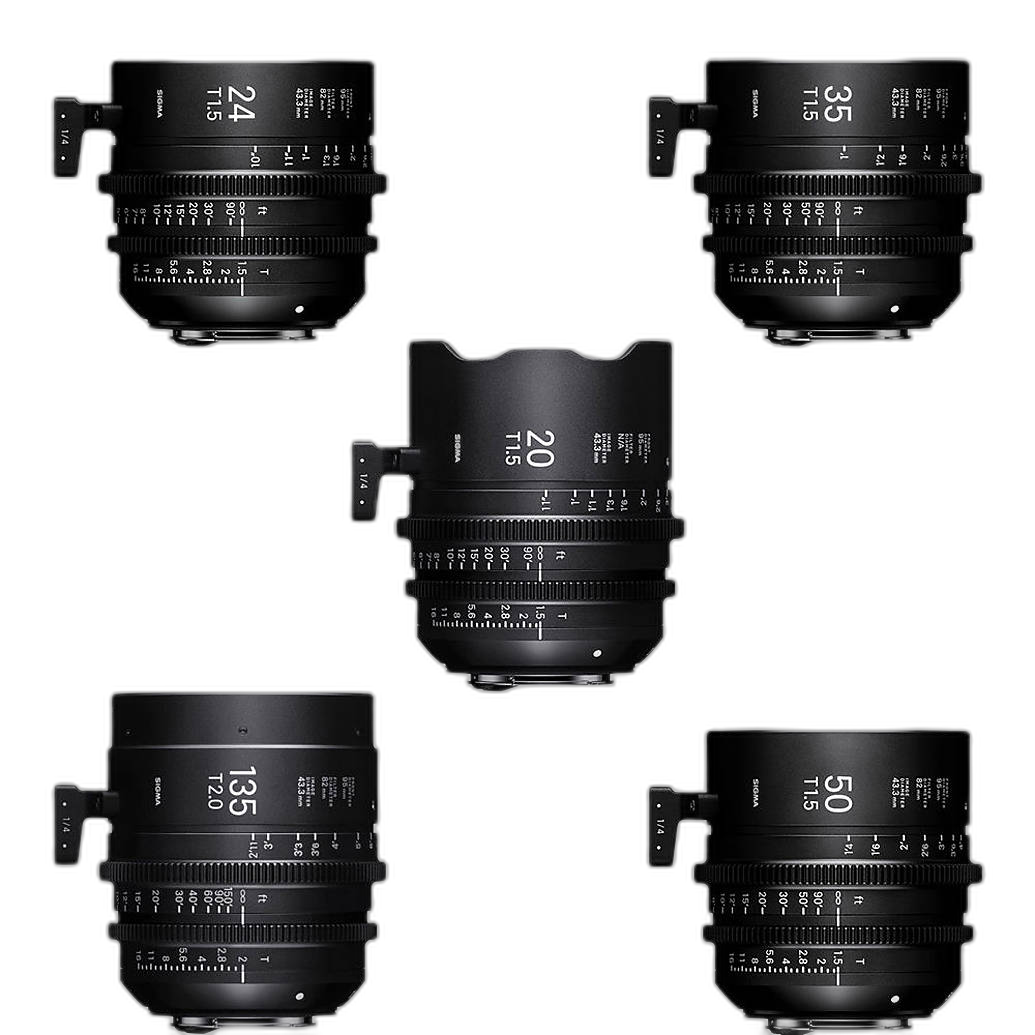
Members who shoot receptions, stage performances, and evening events often agree that lens speed is one of the first specs to consider. In challenging lighting, a fast lens helps preserve shutter speed and ISO balance without sacrificing image quality. A lens set like the Sigma T1.5 FF High-Speed 5 Fully Luminous Prime Lens Kit (Canon EF, Metric) is especially appealing for event filmmakers who need strong low-light capability across multiple focal lengths with a consistent look.
That T1.5 brightness gives you more flexibility in dim ballrooms, churches, and event halls where adding light is limited or unwelcome. Members often note that fast lenses are not just about exposure—they also help separate subjects from busy backgrounds for a more refined event aesthetic.
Build Reliability Into Your Lens Setup
2. Consistency across focal lengths matters during fast-paced coverage
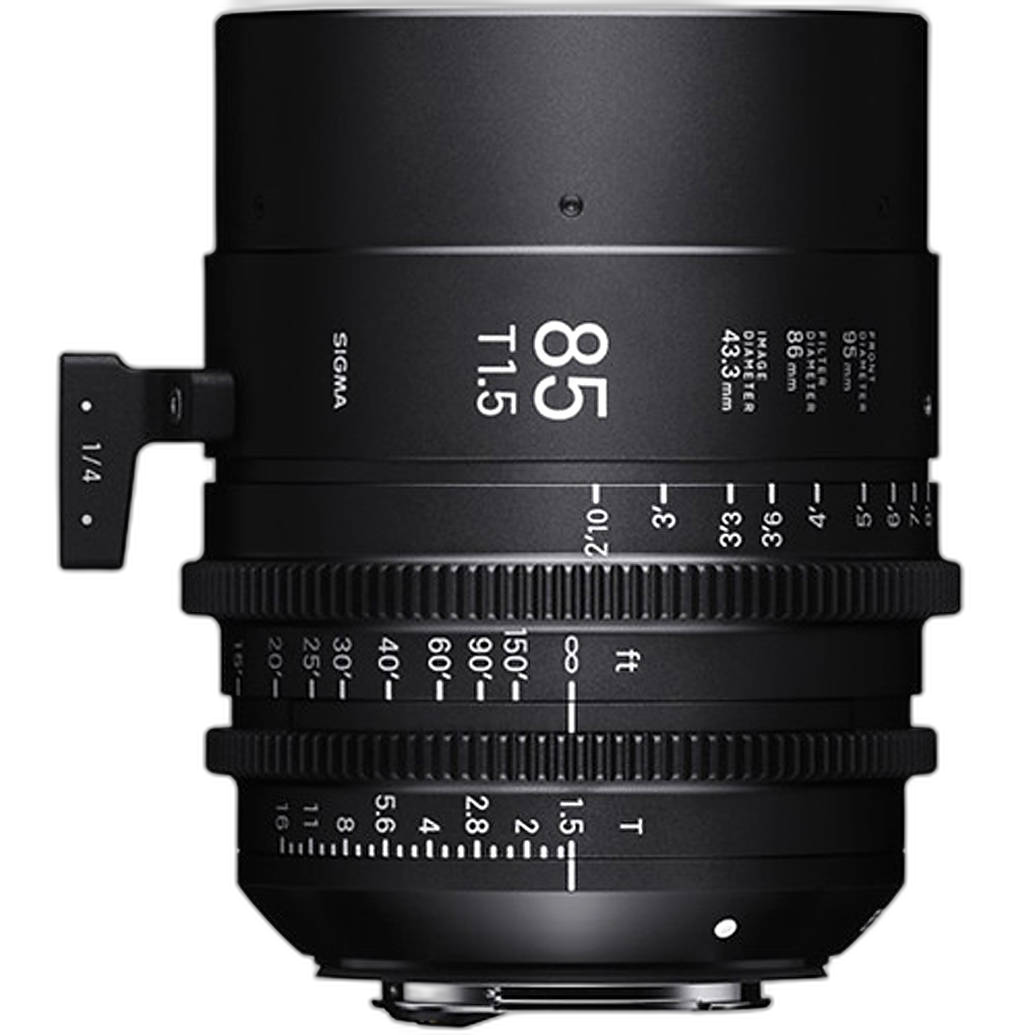
At events, there is rarely time to relearn lens behavior every time you switch focal lengths. That's why many shooters prefer matched lens sets. The Sigma T1.5 FF High-Speed 5 Fully Luminous Prime Lens Kit (PL, Metric) gives crews a consistent optical character and handling style, which can be a major advantage when moving quickly between wide scene-setting shots and tighter emotional moments.
Members reviewing event lenses often mention that reliability is not only about durability, but also about predictable performance. Consistent gear placement, similar exposure behavior, and a uniform image profile all help reduce mistakes when the schedule is tight and lighting changes from room to room.
Use Wide Focal Lengths Strategically
3. A strong wide lens helps establish atmosphere in cramped or dramatic spaces
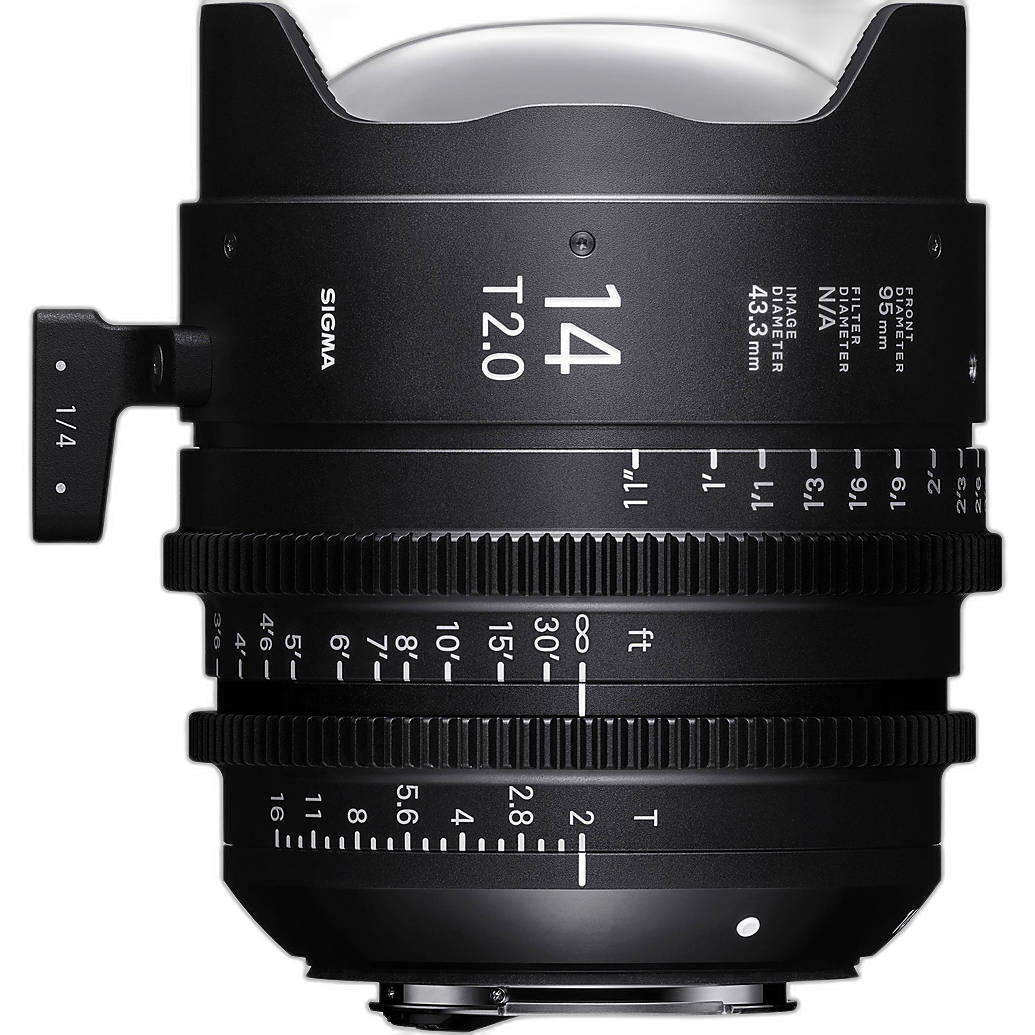
For event shooters working in packed dance floors, narrow prep rooms, or large venues that need an establishing shot, a wide lens can be indispensable. The Sigma 14mm T2 Fully Luminous FF High-Speed Prime Lens (PL, Metric) stands out for capturing the scale and energy of a scene while still offering a fast T2 aperture for darker environments.
Members often recommend using an ultra-wide lens with purpose: opening a sequence, showing venue design, emphasizing crowd energy, or creating immersive stage coverage. In low light, having a fast wide prime means you can still maintain quality while documenting the full environment.
Think in Lens Pairs or Kits, Not Just Individual Focal Lengths
4. A complete range helps you respond to unpredictable moments
Event work is unpredictable by nature. One minute you're covering décor and room details, the next you're following a speaker, capturing reactions, or isolating a key emotional moment from across the room. Members frequently recommend building around a flexible focal range rather than relying on a single favorite lens.
The Sigma 14/135mm T2 FF High-Speed Fully Lum. Prime Lens Kit (PL, Metric) represents the kind of coverage event professionals appreciate: wide options for environment and tight options for portraits, speeches, and candid moments, all while maintaining a fast T2 profile. For cinematic event capture, that broad but matched range can improve both efficiency and visual consistency.
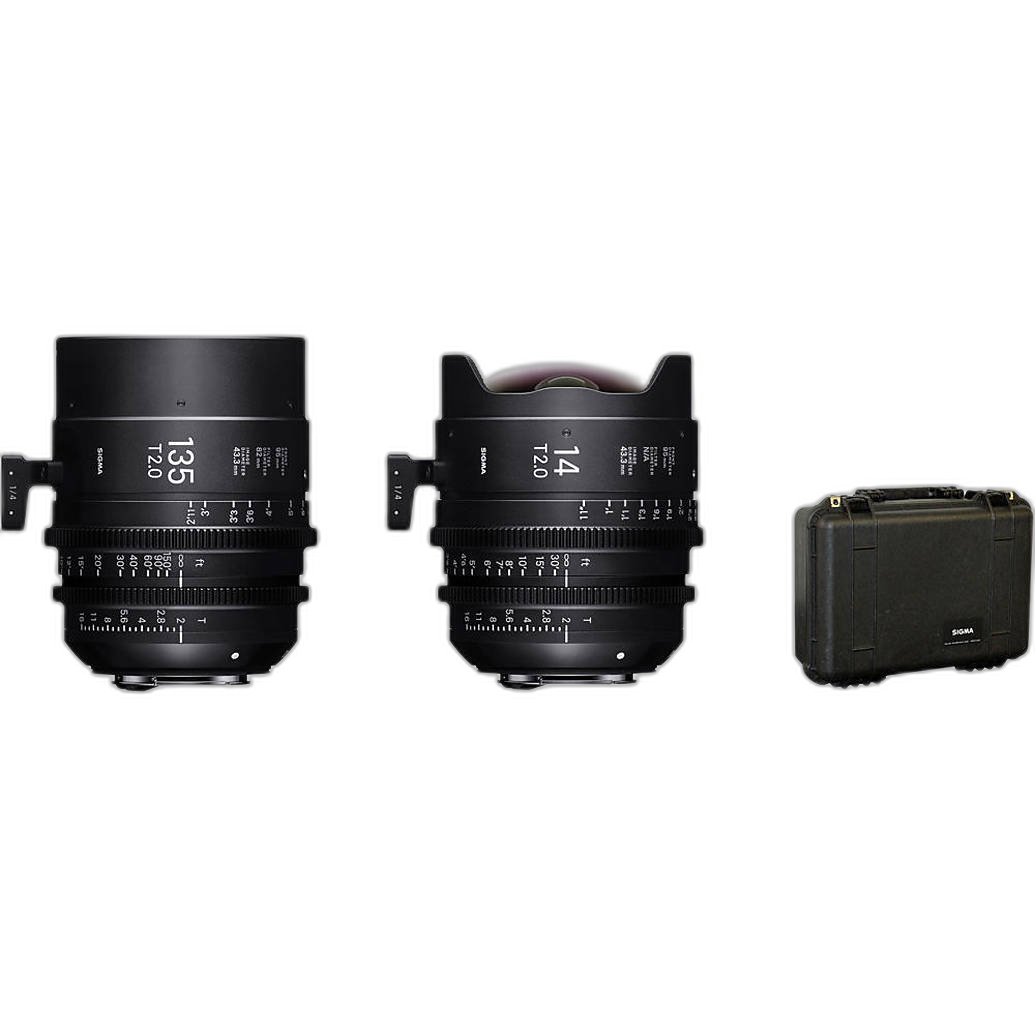
Image Quality Should Hold Up Under Harsh Mixed Lighting
5. Look for lenses that render skin tones and highlights gracefully
Members comparing event lenses often talk about more than sharpness. In real-world venues, you may be dealing with LEDs, tungsten practicals, DJ lighting, window spill, and projection screens all at once. A lens that delivers pleasing contrast, clean detail, and flattering skin tone rendering can save time in post and improve the final result immediately.
This is another reason matched cinema-oriented prime sets from Sigma get recommended for demanding work. Shooters appreciate a lens family that maintains a polished, controlled look even in mixed and shifting light, especially when covering once-in-a-lifetime moments that cannot be repeated.
Review Your Work to Refine Lens Choices
6. The best lens recommendation often comes from studying your own event files
Many members find that lens selection improves dramatically after a serious review of what worked and what did not. Were your wide shots truly useful, or too distorted? Did you miss moments because your tighter lens felt too slow in low light? Did your footage maintain the look you wanted from ceremony to reception?
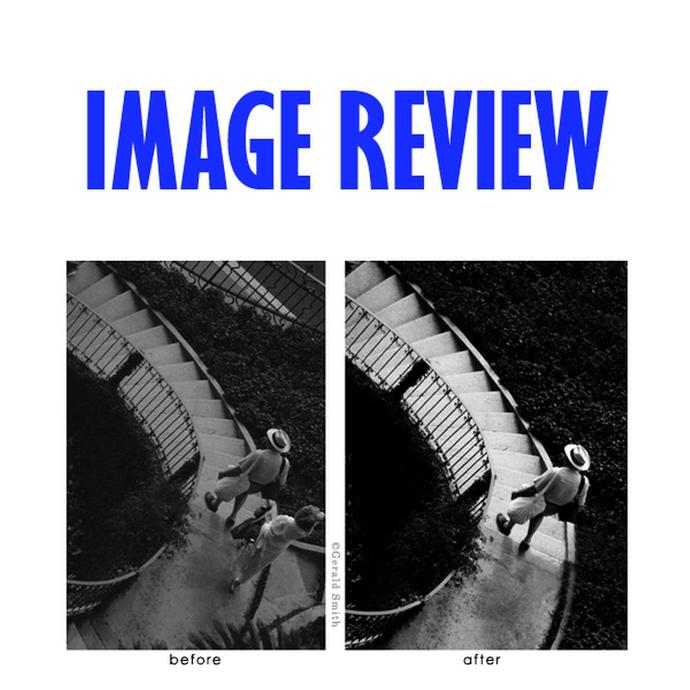
For photographers and filmmakers refining their event coverage style, a session like Portfolio Consultation and Images Reviewed by Judith Farber can help identify patterns in focal length use, composition, and low-light execution. Options such as the 60 min. minimum or 90 min. minimum consultations give creators a practical way to evaluate their work and make better gear decisions based on actual shooting results rather than guesswork.
Match Lens Choice to the Type of Event You Actually Shoot
7. Different assignments reward different strengths
Members often point out that the best event lens is not universal. Corporate coverage may prioritize clean medium focal lengths and reliable consistency. Weddings may demand fast lenses with beautiful subject separation. Live performances may favor wide environmental options and strong low-light capability. Large-scale productions may benefit from a matched system like the Sigma T1.5 and T2 prime kits for a more cinematic workflow.
By identifying your most common challenges—distance to subject, room size, available light, and shooting pace—you can choose lenses that improve both speed and confidence on the job.
Conclusion
The most recommended event lenses tend to share a few traits: they are fast, dependable, visually consistent, and capable of producing strong image quality when lighting conditions become difficult. From a wide specialist like the Sigma 14mm T2 to matched prime kits such as the Sigma T1.5 FF High-Speed options, the right lens setup can help you stay ready for real-world event pressure. Keep testing, keep reviewing your work, and if you're ready to refine your kit, explore solutions and learning opportunities at Unique Photo.