Event photography moves fast. One moment you are covering a dimly lit reception, and the next you are trying to isolate a speaker on stage or capture candid reactions from across the room. That is why the best event lens is rarely just about sharpness alone—it is about flexibility, speed, reach, and how confidently it performs under pressure. Below are practical tips, along with lens picks and user-style observations, to help you choose the right glass for weddings, parties, corporate events, and live performances.
Choose a zoom range that covers the unpredictable
1. A midrange zoom can be the most useful event lens
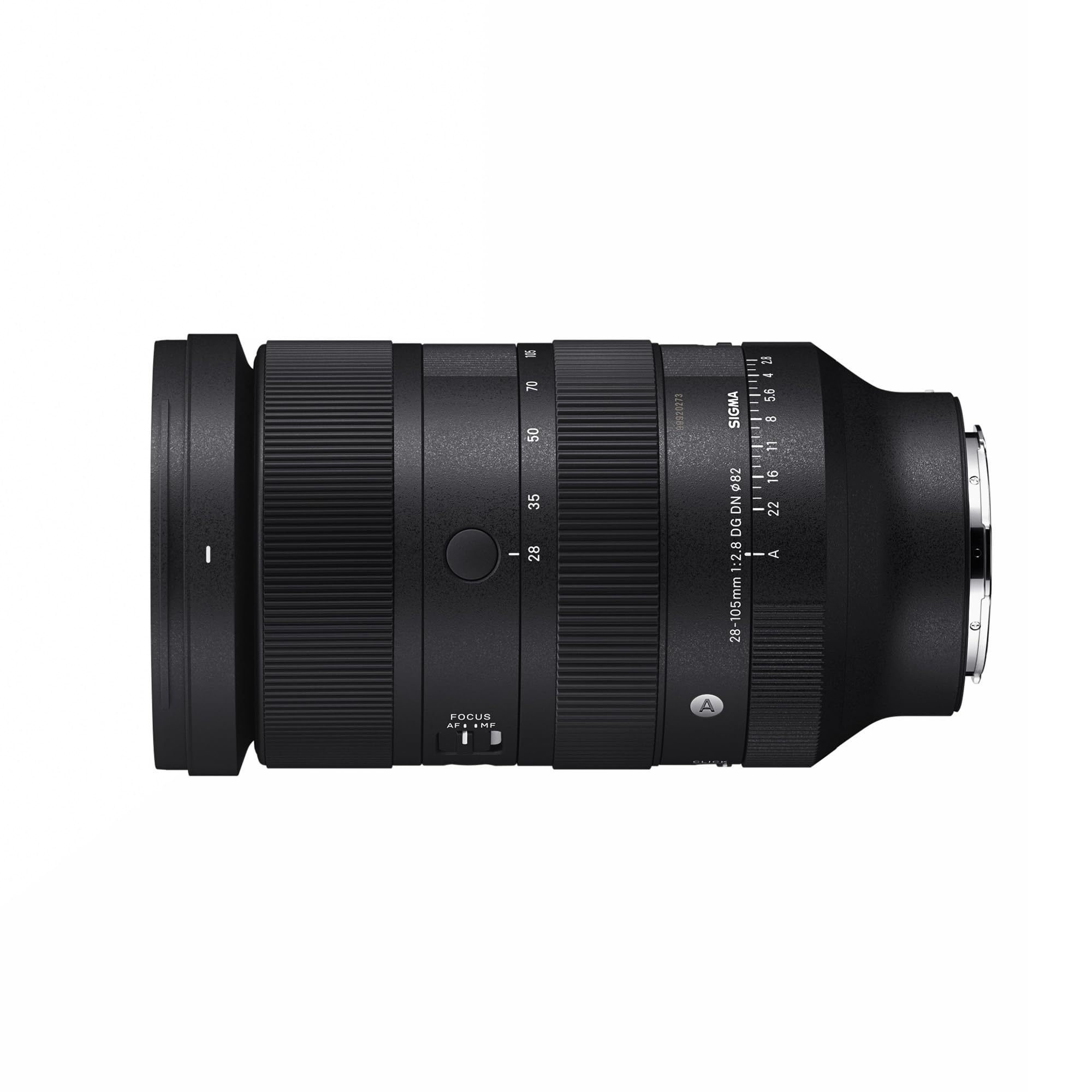
If you regularly shoot events where subjects constantly change distance, a fast midrange zoom is often the smartest starting point. A lens like the Used Sigma 28-105mm F/2.8 DG DN ART for L Mount - Excellent stands out because it gives you wide-to-portrait coverage without forcing frequent lens changes. In real event use, that kind of range is especially appealing for photographers moving between room overviews, table candids, and tighter speaker shots.
User experience with lenses in this class usually comes down to convenience and consistency: photographers appreciate being able to stay at f/2.8 throughout the zoom range, which helps in low light and keeps exposure predictable while working quickly. For receptions, conferences, and hybrid photo-video coverage, this kind of lens can feel like an all-day workhorse.
Prioritize f/2.8 when lighting is less than ideal
2. Fast telephoto zooms shine for ceremonies, stages, and candid moments
One of the most common pieces of feedback from experienced event photographers is simple: a 70-200mm f/2.8 earns its place over and over again. The Used Nikon 70-200MM F/2.8G VR ED (Gray) Lens for F Mount - Fair and the Used Canon EF 70-200mm f/2.8L I IS USM - Good are classic examples of lenses that are loved for their ability to reach across a room without getting in the way.
In user terms, this focal range is a favorite for:
- Capturing emotional reactions during ceremonies
- Isolating keynote speakers on stage
- Getting flattering portraits with soft background separation
- Shooting details from a distance when you cannot physically move closer
Photographers often describe 70-200mm f/2.8 lenses as indispensable for professional event coverage because they combine subject isolation, speed, and versatility. Even used copies can offer tremendous value for photographers building an event kit on a budget.
Think about how your lens affects your movement
3. Fewer lens swaps usually means fewer missed moments
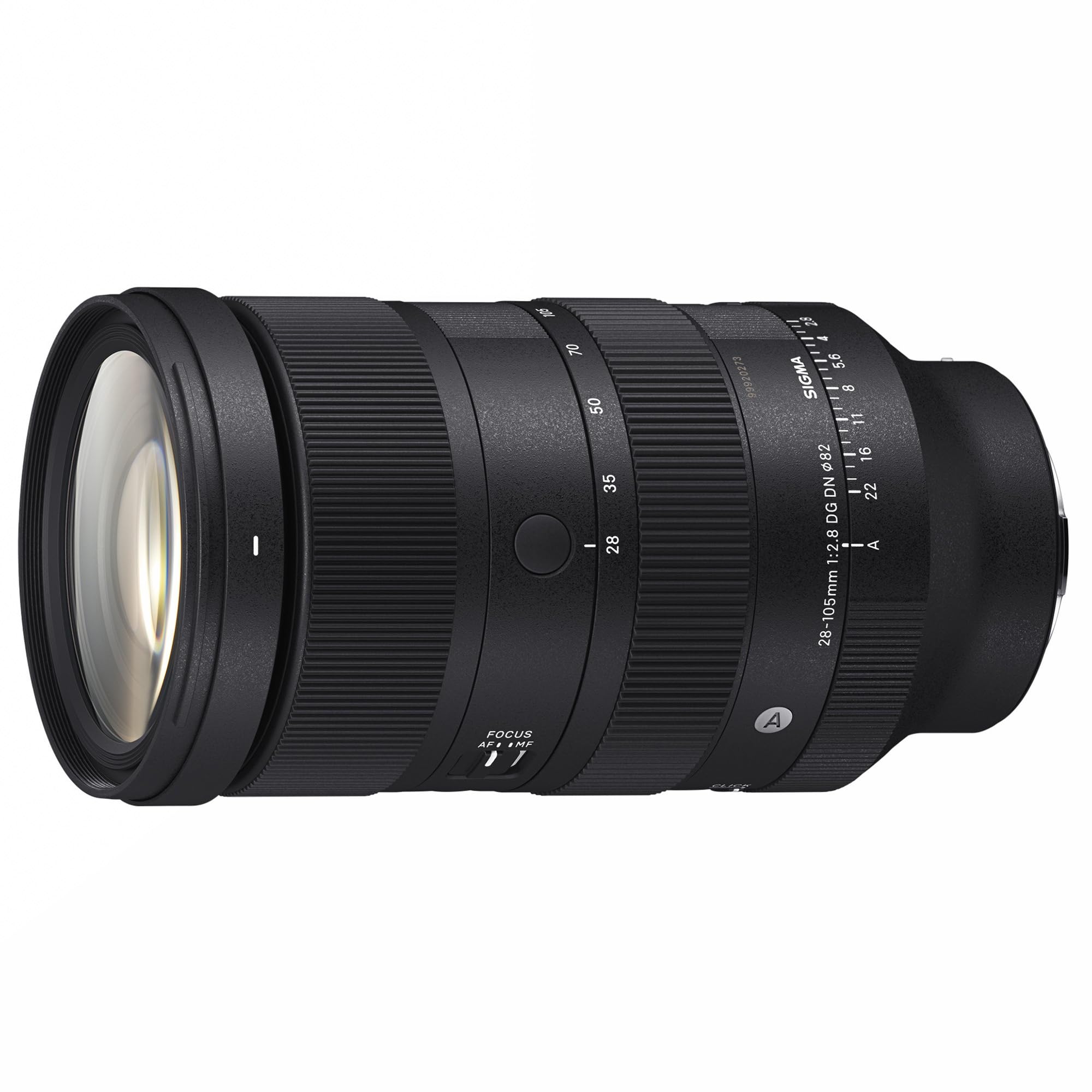
During live events, changing lenses can cost you real images. That first laugh during a toast or an award handoff will not wait. This is another reason a lens like the Sigma 28-105mm F/2.8 DG DN ART is so attractive: it reduces the need to switch between a standard zoom and a short telephoto in the middle of the action.
Many event shooters say their favorite lens is not always the one with the most dramatic look—it is the one that stays on the camera the longest. A practical zoom that covers group shots at the wide end and tighter portraits at the long end can often outperform a more specialized lens simply because it keeps you ready.
Match your lens choice to the type of event you shoot most
4. Weddings, corporate work, and sports-style events call for different strengths
Not every event assignment asks the same thing from your gear. If you are covering elegant indoor events, a fast standard or telephoto zoom is usually the safest choice. If your work leans more toward field access, action, or sideline shooting, long telephoto coverage becomes even more important.
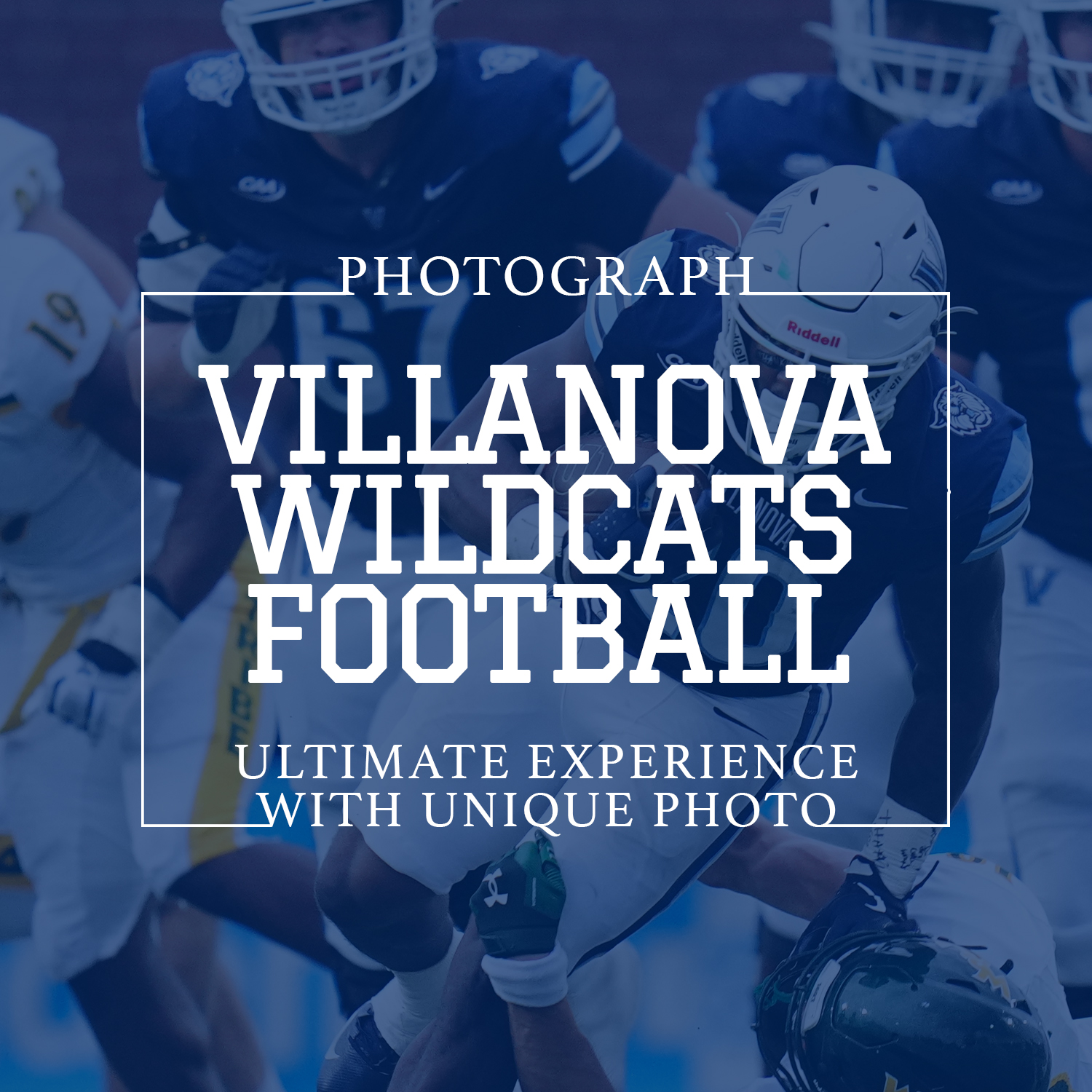
For photographers looking to sharpen their timing and long-lens technique, hands-on experiences can help too. Unique Photo experiences like Photograph Temple Owls Football: Ultimate Experience and Photograph Villanova Wildcats Football: Ultimate Experience can be useful practice environments for building confidence with event-style shooting under pressure.
Consider specialty lenses only for specific creative needs
5. Niche optics can add a signature look, but they are not your main event lens
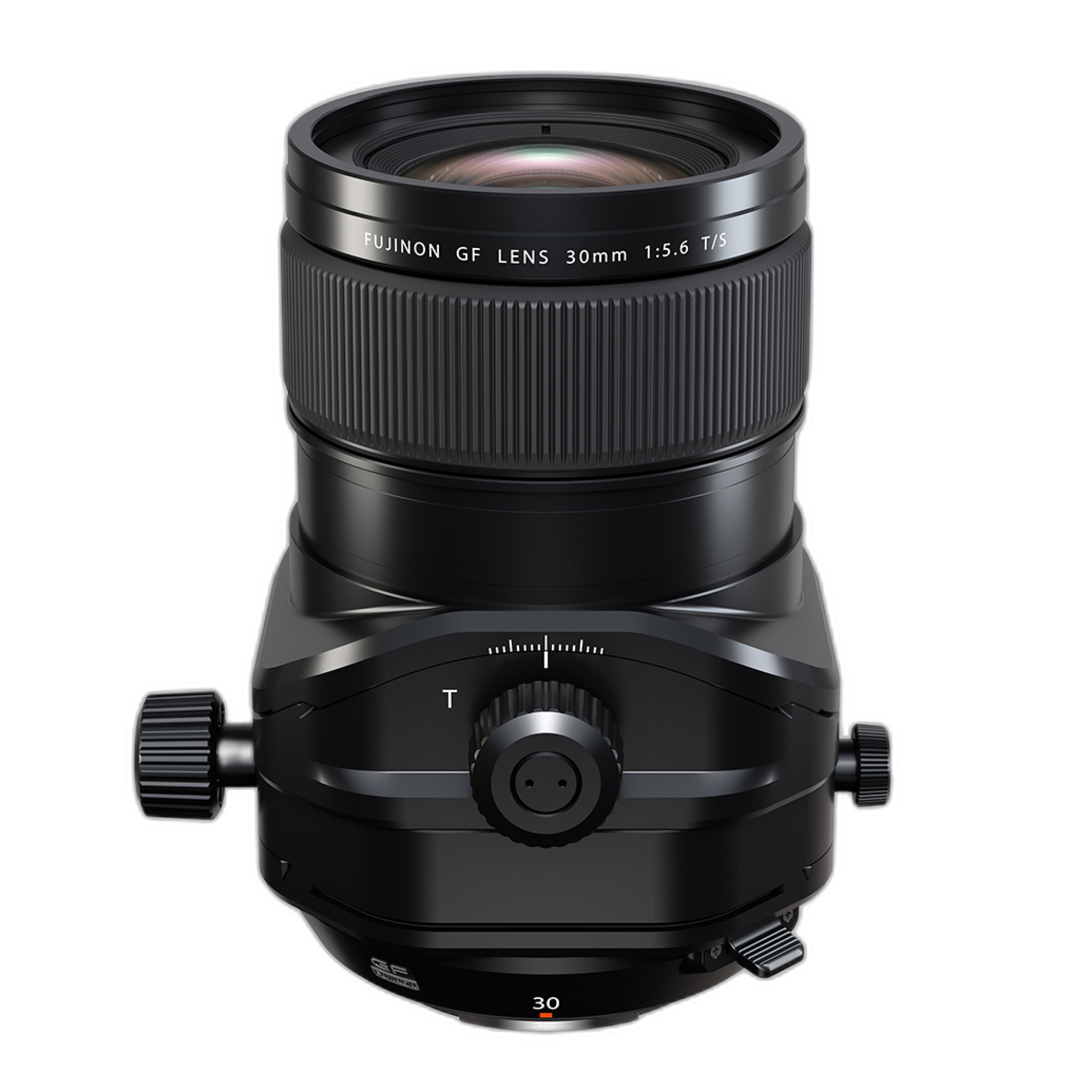
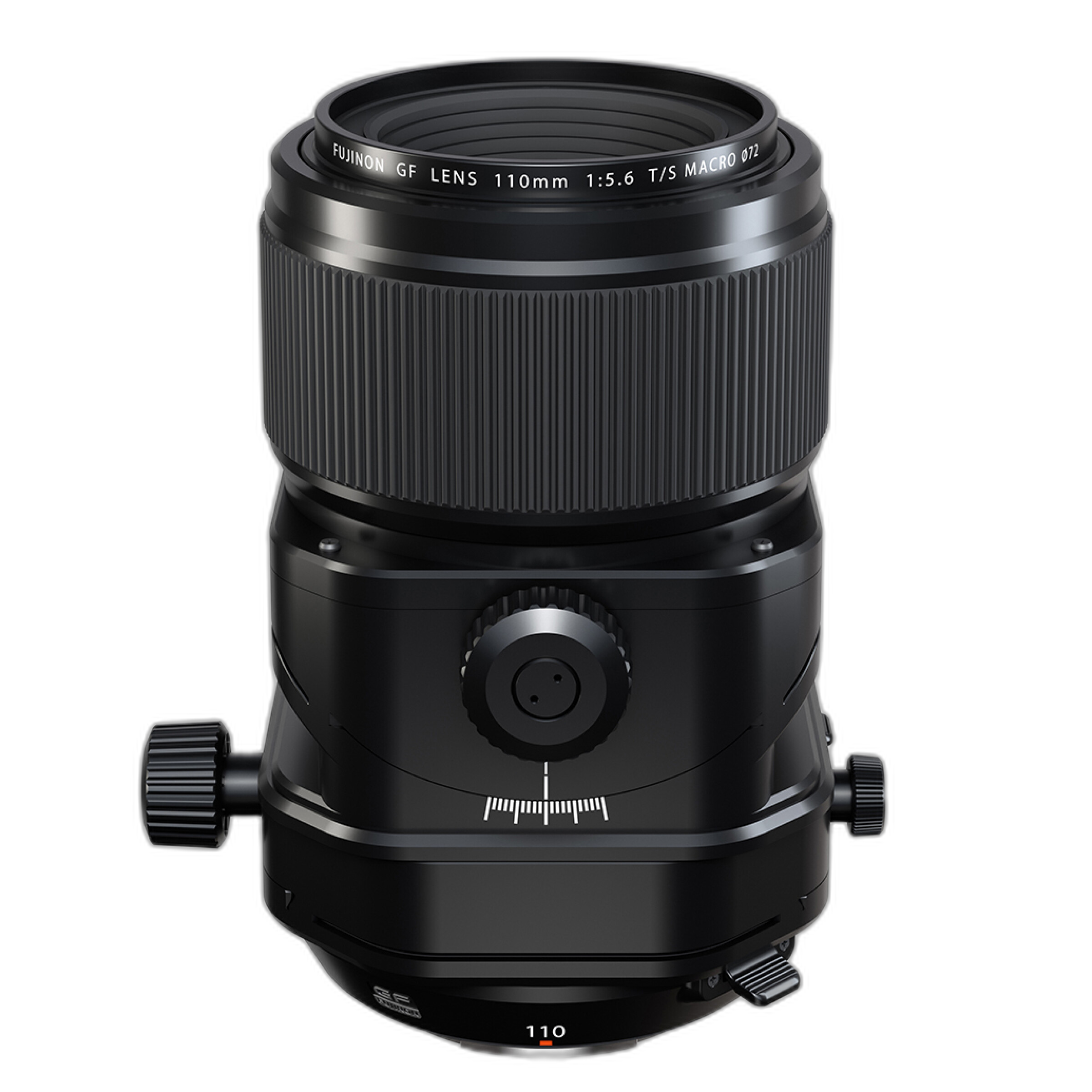
Some lenses are better suited to controlled editorial-style event coverage than fast-paced general assignments. The Fujifilm FUJINON GF 30mm f/5.6 T/S Lens and Fujifilm FUJINON GF 110mm f/5.6 T/S Macro Lens are specialized tools that can produce striking perspective control and detail work, especially for venue interiors, decor, installations, or luxury product-heavy event coverage.
From a user perspective, tilt-shift lenses are admired for precision rather than speed. They are not the first choice for dance floors or rapidly changing candid moments, but they can be excellent for architectural scenes, room setups, signage, and carefully composed storytelling frames that elevate an event gallery.
Used lenses can be a smart move for working photographers
6. Proven pro lenses often deliver the best value
Event photography can be gear-intensive, so many photographers look to used equipment to stretch their budget. Lenses like the Used Canon EF 70-200mm f/2.8L I IS USM, Used Nikon 70-200MM F/2.8G VR ED, and Used Sigma 28-105mm F/2.8 DG DN ART make a lot of sense here because they represent focal lengths and apertures that working shooters actually rely on every week.
The user experience with buying used often comes down to getting access to pro-level optics sooner. For many photographers, that means better low-light performance, stronger subject isolation, and more confidence on paid assignments without the full cost of buying new.
Do not overlook portrait-friendly primes for quieter moments
7. A longer prime can still have a place in your event bag
While zooms usually dominate event coverage, there are situations where a prime lens can add a distinctive rendering. The Used Nikon Nikkor-W 135MM F/5.6 - Excellent is not a conventional modern event choice, but lenses in the 135mm range have long been appreciated for flattering compression and separation in more deliberate portrait moments.
For fast-moving work, most photographers will still prefer a 70-200mm f/2.8. But for controlled portraits, creative side sessions, or stylized coverage, a longer prime can create a look that feels a little different from standard zoom imagery.
Build a two-lens event kit if you shoot professionally
8. The safest setup is often a midrange zoom plus a telephoto zoom
If you are assembling a dependable event kit, one of the most practical combinations is:
- A midrange zoom such as the Sigma 28-105mm F/2.8 DG DN ART
- A telephoto zoom such as the Canon EF 70-200mm f/2.8L I IS USM or Nikon 70-200MM F/2.8G VR ED
This pairing gives you broad coverage for room scenes and environmental portraits, plus enough reach for ceremonies, performances, and candid moments from the back of the venue. It is a setup many experienced photographers trust because it balances adaptability and image quality without getting overly complicated.
Conclusion
The best lens for event photography is the one that helps you react quickly, work confidently in changing light, and come home with a complete story. For many photographers, that means starting with a fast midrange zoom or a dependable 70-200mm f/2.8, then adding specialty tools only when the job truly calls for them. If you are ready to refine your kit, explore used and specialty lens options at Unique Photo and find the gear that fits the way you actually shoot.