Beginner Camera Recommendations for 2024: Mirrorless vs. DSLR?
If you are shopping for your first serious camera in 2024, the biggest question is often simple: should you buy a mirrorless camera or a DSLR? The short answer is that mirrorless has become the default recommendation for most new photographers thanks to faster autofocus, better video features, lighter designs, and stronger long-term lens ecosystem support from major brands. That said, not every mirrorless camera is automatically beginner-friendly, and not every larger, more advanced body is the right place to start.
For this review-style guide, we are looking at real-world camera choices through the lens of a beginner buyer. The products highlighted here are all mirrorless models available at Unique Photo, and while several are professional-tier cameras rather than entry-level bargains, they do a great job illustrating why mirrorless now leads the conversation. If you are deciding between an older DSLR path and a modern mirrorless setup, these cameras show what today’s technology can offer in autofocus, image quality, usability, and future upgrade potential.
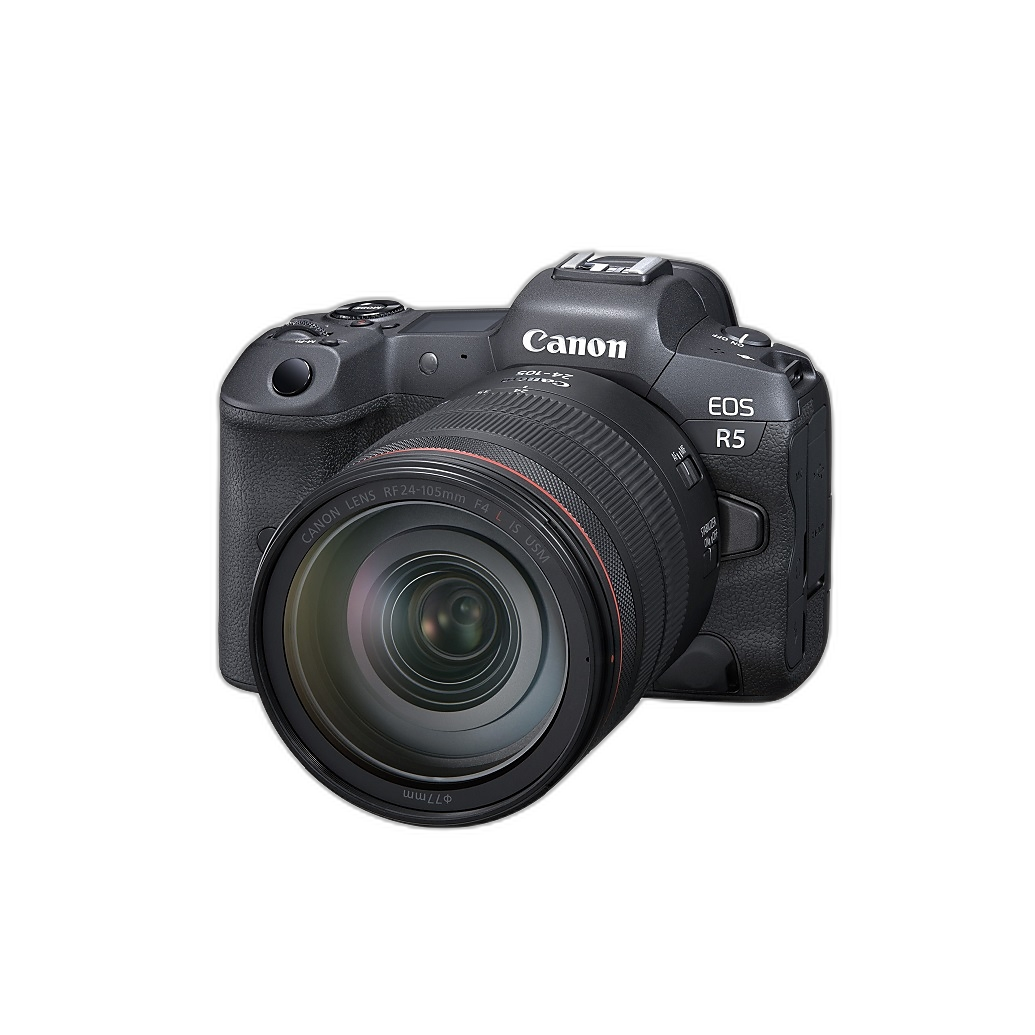
Before diving into specific recommendations, it is important to note that beginners should prioritize ease of use, lens availability, stabilization, autofocus reliability, and value over raw flagship specs. Cameras like the Canon EOS R5 with the included 24-105mm lens package make more practical sense for a new user than a body-only sports flagship, even if the latter is technically more powerful. In other words, the best beginner camera is not the most expensive one. It is the one that helps you learn confidently and grow without friction.
Mirrorless vs. DSLR in 2024
DSLRs still offer good image quality, strong battery life, and comfortable ergonomics, but for a first-time buyer in 2024, mirrorless is usually the smarter investment. Manufacturers are putting more innovation into mirrorless systems, including subject-detection autofocus, improved electronic viewfinders, in-body image stabilization, silent shooting, and better hybrid photo/video operation. Lens roadmaps are also increasingly focused on mirrorless mounts.
For beginners, that matters because a camera system is more than a body. You are buying into lenses, accessories, and upgrade options. Starting with mirrorless means you are entering the most actively developed side of the market. It also means features like eye-detection AF and live exposure preview can make the learning process easier and less frustrating.
What Beginners Should Actually Look For
Ease of Learning
New photographers benefit from intuitive menus, dependable auto modes, and a responsive autofocus system. A camera should help you get sharp, well-exposed results while you learn aperture, shutter speed, and ISO.
Lens Flexibility
A strong starter lens is often more important than chasing the highest-end body. A versatile zoom can help beginners experiment with portraits, landscapes, travel, and everyday photography without immediately needing extra gear.
Autofocus Confidence
Modern mirrorless autofocus is one of the clearest advantages over DSLR systems for new users. Face and eye detection reduce missed shots and make portraits, family photos, pets, and casual action photography much more approachable.
Room to Grow
The best beginner camera should not feel limiting after six months. It should offer enough performance and system depth to support your progress into more advanced shooting.
Best Beginner-Oriented Pick from This Lineup: Canon EOS R5 with 24-105mm Lens
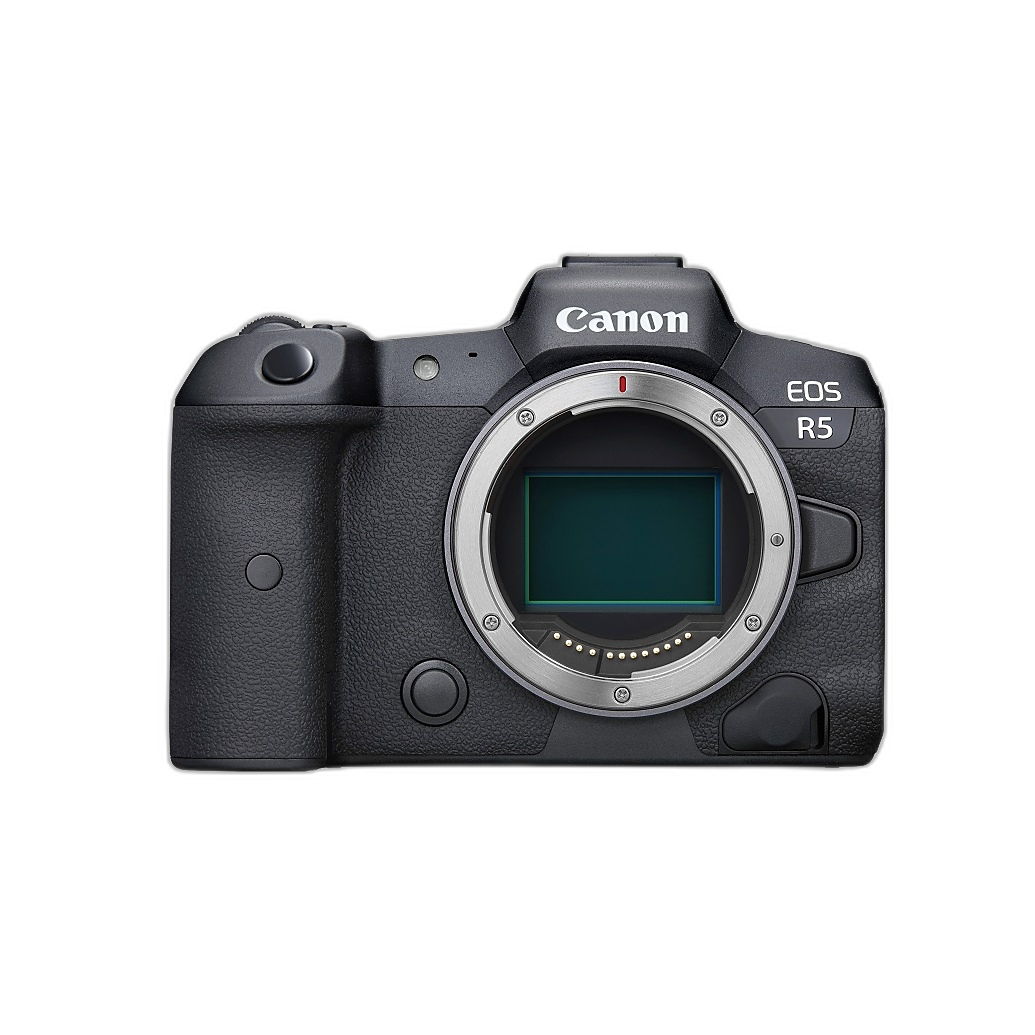
Among the products in this group, the Canon EOS R5 Mirrorless Digital Camera with 24-105mm USM Lens is the easiest to frame as the most practical recommendation for an ambitious beginner. It combines a highly capable full-frame mirrorless body with a flexible everyday zoom lens, which is a major advantage over the body-only options listed here.
The R5 is unquestionably a high-end camera, but it is also one of the most approachable advanced bodies thanks to Canon’s strong ergonomics, excellent autofocus, and well-rounded feature set. The included 24-105mm lens gives a new photographer immediate range for travel, portraits, street scenes, events, and general use. For someone who wants to start with one high-quality setup and skip the compromises of lower-tier gear, this is the standout option.
Why It Works for Beginners
The EOS R5 offers superb subject tracking, image stabilization, and image quality, all of which help new users succeed faster. The electronic viewfinder and live preview make exposure easier to understand than on many traditional DSLR experiences. It is also part of Canon’s EOS R system, which continues to grow and offers a strong path for future lenses and upgrades.
Potential Drawbacks
The biggest issue is price. This is not an entry-level budget pick. It is a premium camera for beginners who are serious, well-funded, or want to buy once and grow into the system rather than upgrade later.
Other Mirrorless Cameras in This Comparison
Nikon Z9: Incredible, But Overkill for Most Beginners
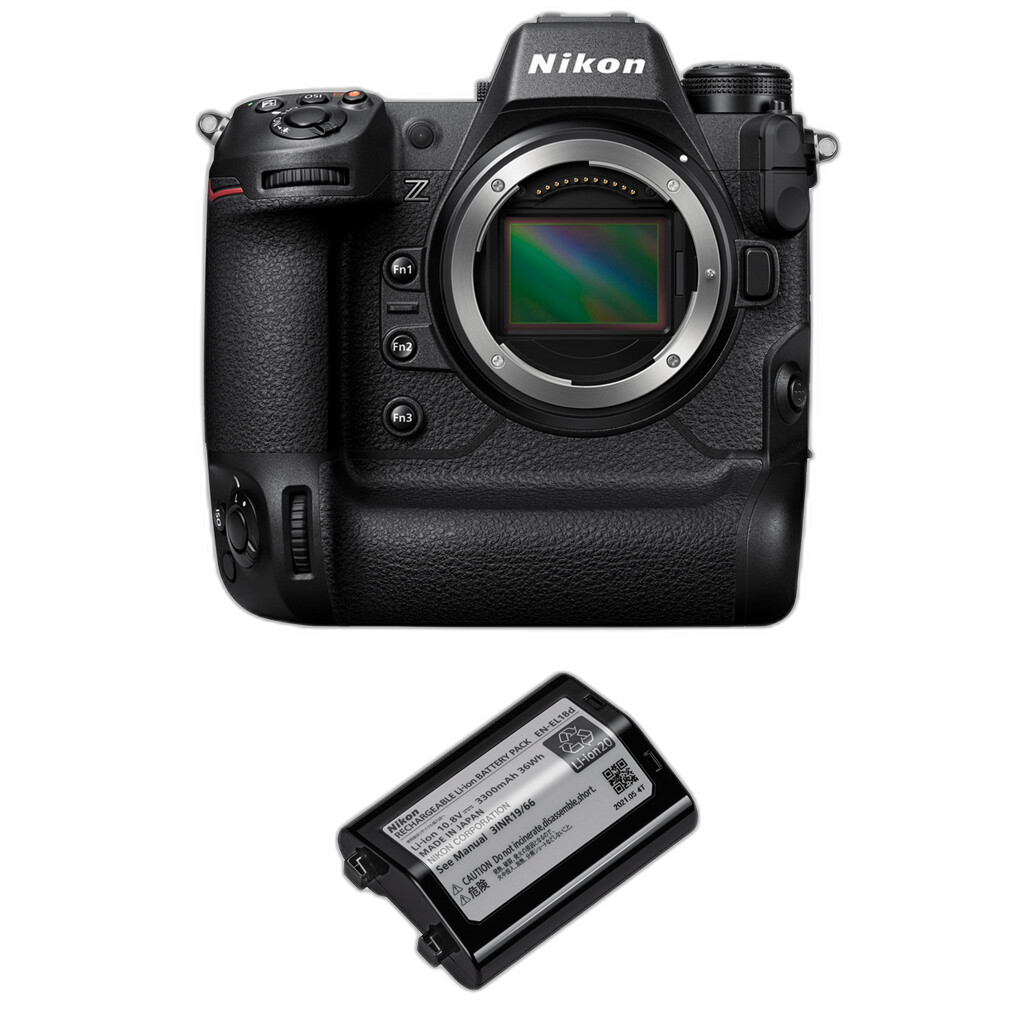
The Nikon Z9 Mirrorless Digital Camera is a flagship built for professionals who need elite speed, reliability, and autofocus performance. It showcases exactly how far mirrorless has come, especially for sports, wildlife, and commercial work. For a beginner, though, it is more aspirational than practical. It is large, expensive, and body-only, which means your real cost rises further once you add lenses.
As a statement of mirrorless superiority over DSLR for speed and tracking, the Z9 is compelling. As a first camera recommendation, it is hard to justify unless budget is truly irrelevant and the user already knows they need top-tier performance.
Sony Alpha a1: Stunning Capability, Premium Learning Curve
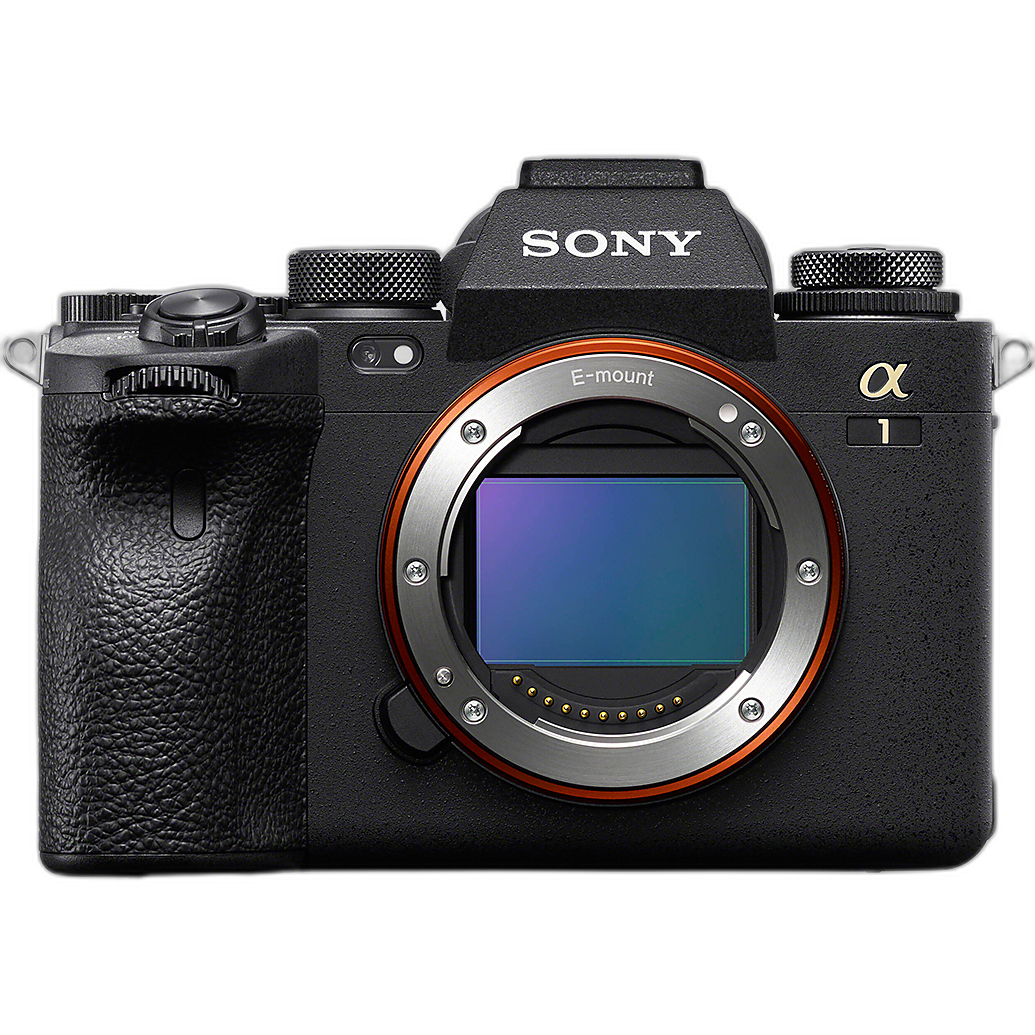
The Sony Alpha a1 is another flagship that demonstrates why mirrorless dominates the high end. It offers exceptional autofocus, resolution, speed, and hybrid shooting capability. Sony’s mirrorless ecosystem is one of the deepest on the market, which is a major plus for long-term growth.
For beginners, however, the a1 is simply more camera than most people need. It is best for buyers who already know they want a no-compromise professional platform. It is impressive, but not the most sensible starting point compared to a more balanced kit like the Canon EOS R5 bundle.
Canon EOS R3: Fast, Specialized, Less Beginner-Focused
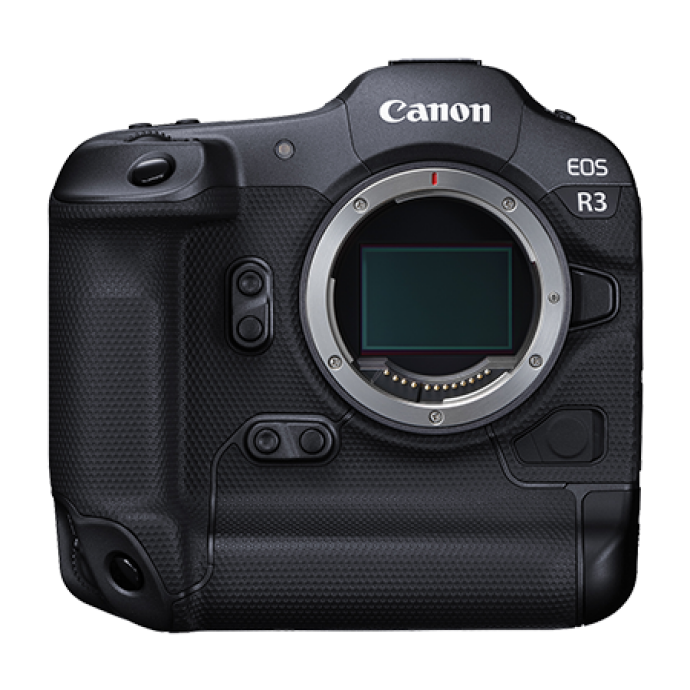
The Canon EOS R3 is a speed-oriented pro body that shines for action and event work. It offers superb autofocus and strong handling, but like the Nikon Z9 and Sony a1, it sits well above what most first-time camera buyers need. It also comes body-only, which makes it a less straightforward beginner purchase than a bundled camera and lens combination.
That said, if a beginner is specifically entering sports photography and wants an advanced Canon mirrorless platform from day one, the R3 has a lot going for it. It just is not the most balanced “first camera” recommendation in this lineup.
Fujifilm GFX100RF: Beautiful and Inspiring, But Niche for Beginners
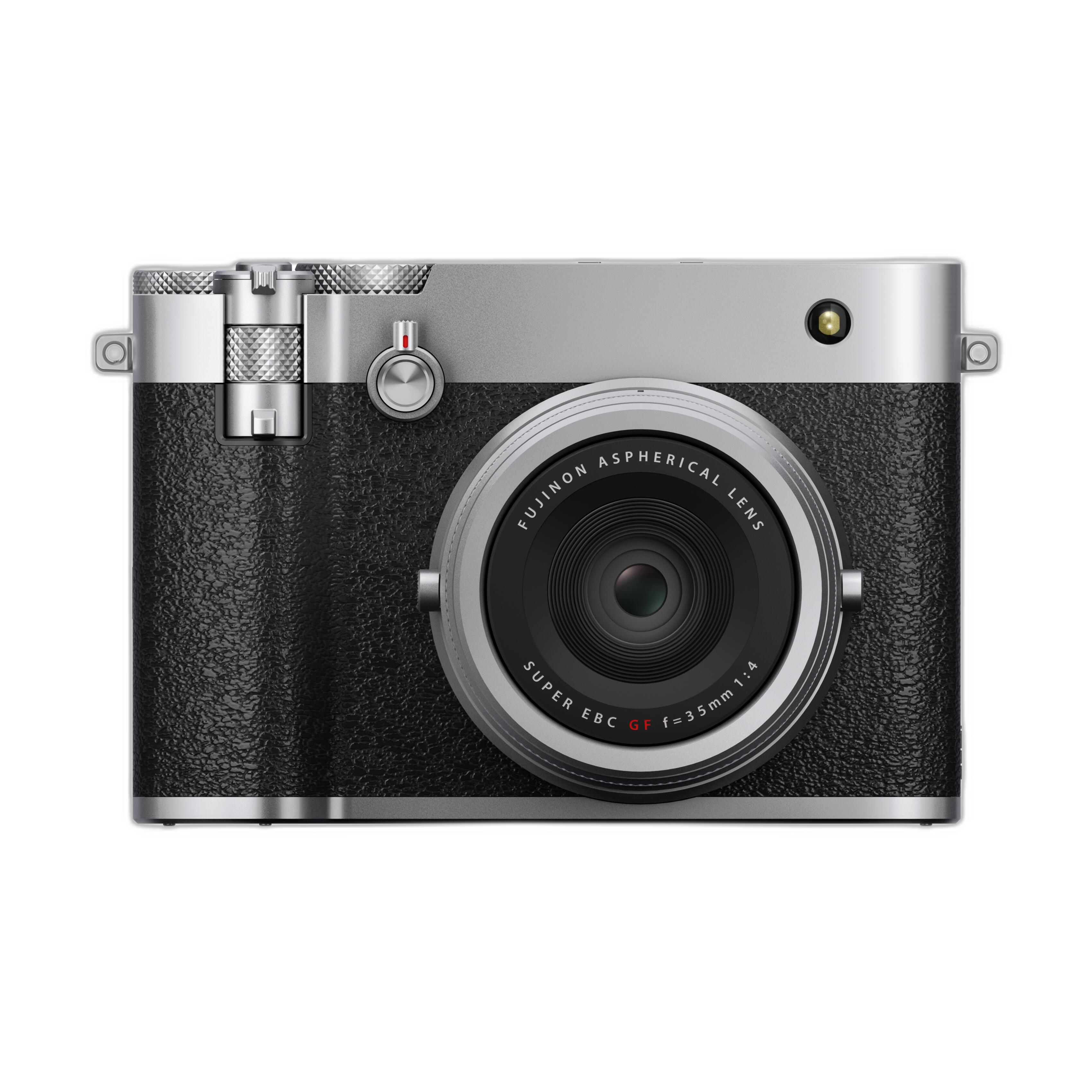
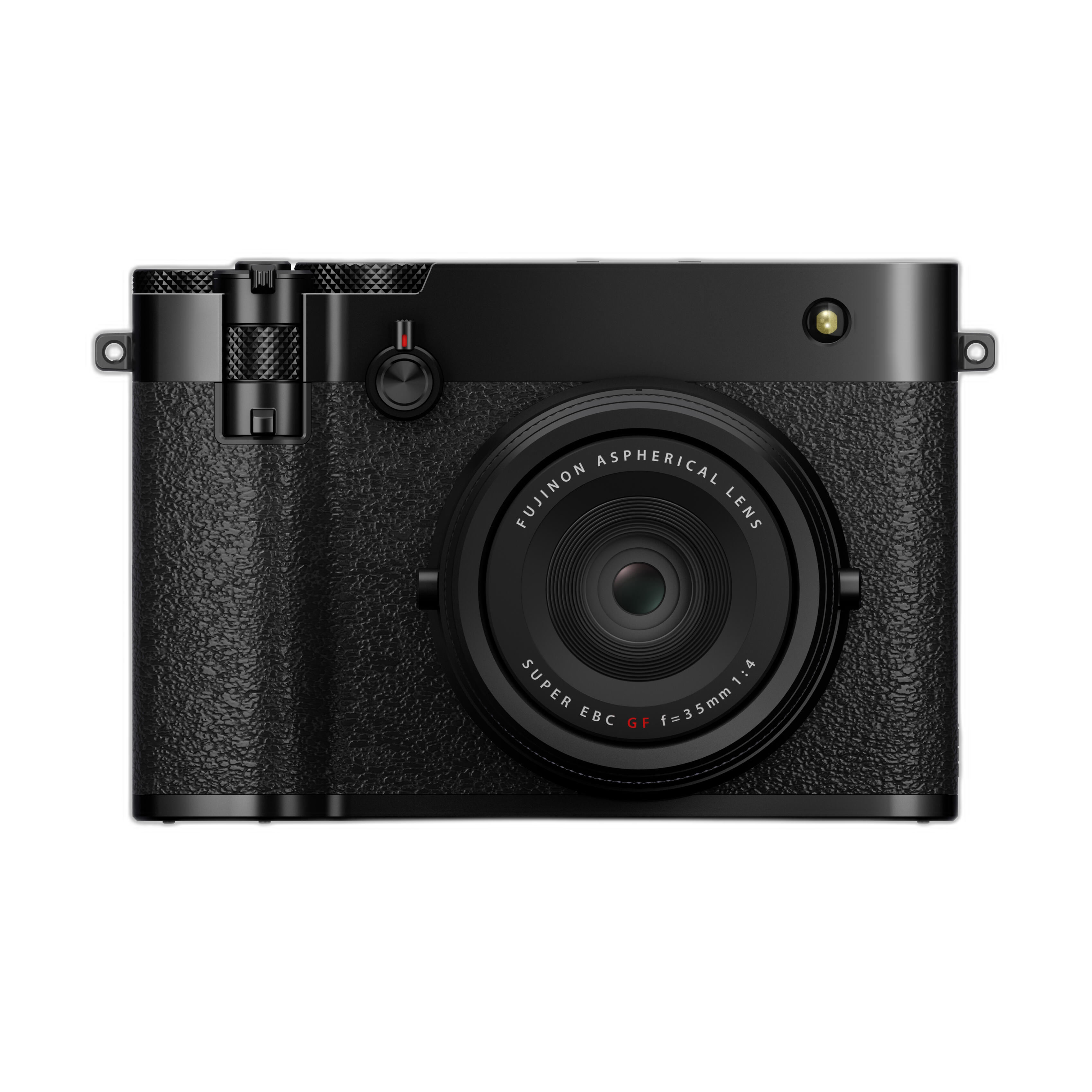
The Fujifilm GFX100RF, available in silver and black, is one of the most visually distinctive cameras here. It brings medium format style and a premium shooting experience that will appeal to photographers who value design, image quality, and intentional composition. For the right beginner, especially one interested in slower, more deliberate photography, it could be deeply inspiring.
Still, it is not the most universally practical beginner recommendation. This kind of camera is more specialized and likely best for enthusiasts who already know their preferences. Beginners who want flexibility across many subjects may find a full-frame interchangeable-lens option easier to grow with.
Fujifilm GFX100 II: Extraordinary Image Quality, Advanced Commitment
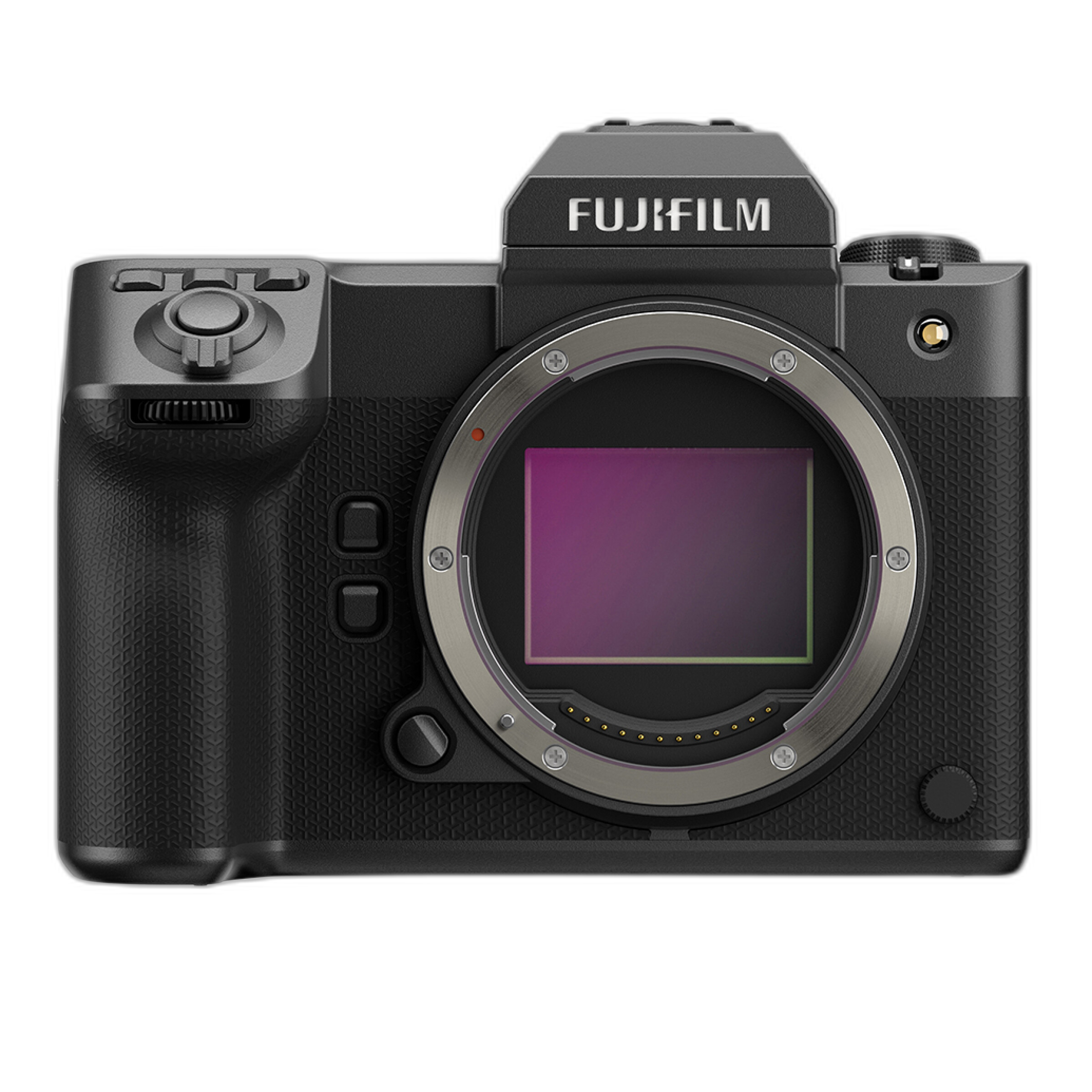
The Fujifilm GFX100 II is a medium format powerhouse aimed at demanding professional image-makers. It represents the upper edge of image quality and detail, but it is not where most beginners should begin. The body-only format, system cost, and specialized use case make it much better suited to professionals and advanced enthusiasts.
Its presence in this discussion reinforces a core point: mirrorless spans everything from beginner-friendly all-rounders to elite specialist tools. The key is choosing the right level, not just the latest technology.
Sigma BF: Minimalist Appeal for the Right User
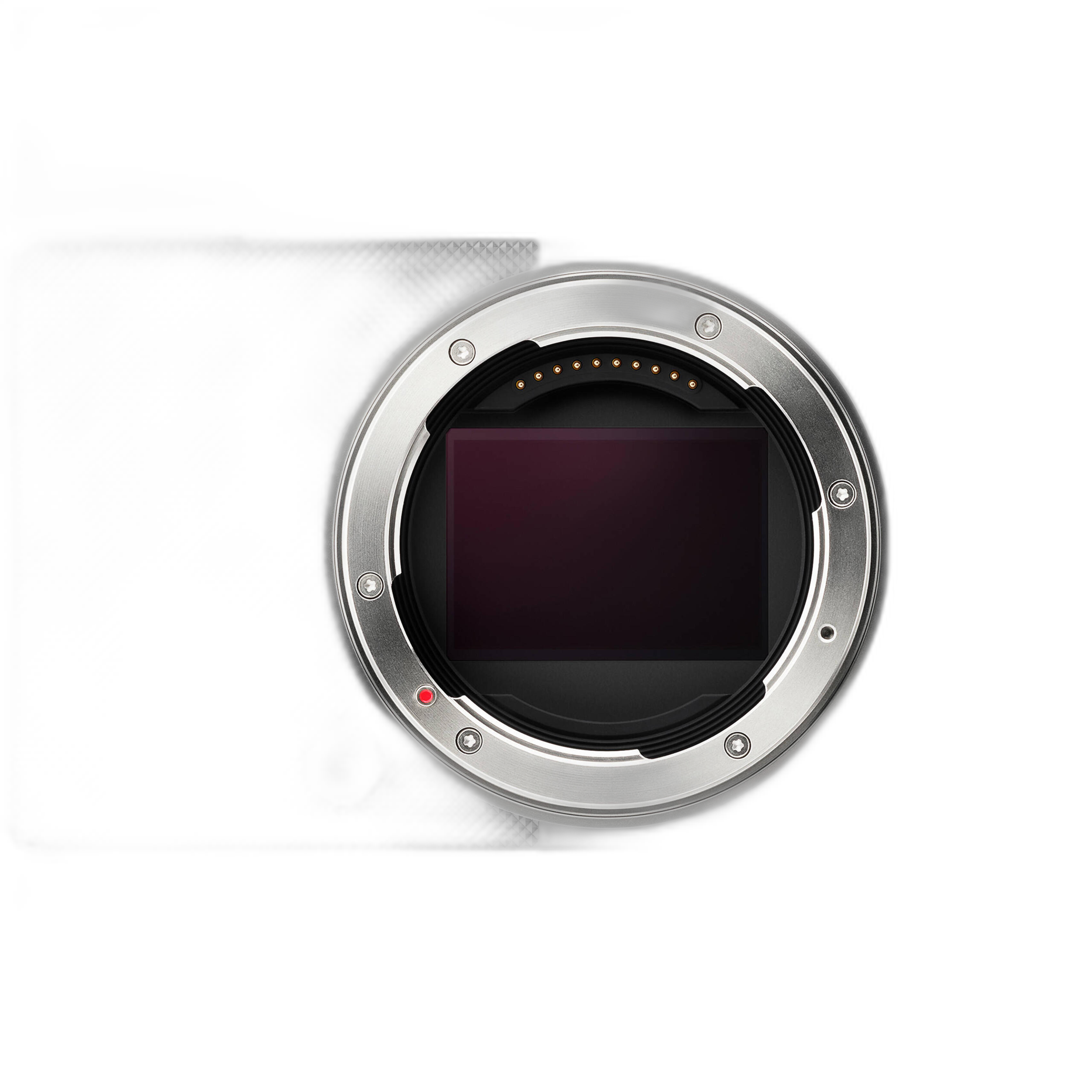
The Sigma BF Digital Camera stands out for its clean, design-forward philosophy. For a beginner who values simplicity, aesthetics, and a fresh approach to photography, that could be attractive. But minimalist design can also mean less conventional handling or less obvious versatility compared to more mainstream beginner-friendly systems.
It is an interesting option, especially for style-conscious shooters, but it is harder to recommend broadly than a more proven and flexible starter system from Canon, Nikon, or Sony.
Pros and Cons of Choosing Mirrorless as a Beginner
Pros
- Excellent autofocus with face and eye detection
- Live exposure preview helps beginners learn faster
- Generally better video features than DSLR alternatives
- Strong future support from major camera brands
- Compact designs are often easier to carry
- Silent shooting can be useful for events, travel, and family moments
Cons
- Many of the best mirrorless cameras are expensive
- Battery life can still lag behind traditional DSLR bodies
- Some advanced models are overwhelming for first-time users
- Body-only kits can raise the true starting cost significantly
So, Should a Beginner Buy Mirrorless or DSLR in 2024?
For most people, mirrorless is the better choice in 2024. DSLR systems can still produce excellent images, but mirrorless offers a more beginner-friendly shooting experience and a more future-proof path. Features like subject detection, in-body stabilization, electronic viewfinders, and stronger video integration make it easier to learn and more rewarding to grow.
From the products in this lineup, the Canon EOS R5 Mirrorless Digital Camera with 24-105mm USM Lens is the strongest recommendation for a beginner who wants a premium all-in-one starting point. It is expensive, but it is also practical, flexible, and capable of supporting years of photographic growth. The other models here are impressive, but most are better understood as professional or niche tools rather than first-camera sweet spots.
Verdict
If you are entering photography in 2024 and debating mirrorless versus DSLR, mirrorless wins on technology, usability, and long-term value. While true beginners may not need flagship-level specs, they do benefit from modern autofocus, live-view shooting, and system longevity. Among the cameras featured here, the Canon EOS R5 with 24-105mm lens stands out as the most complete recommendation because it pairs high-end mirrorless performance with an immediately useful lens.
For shoppers ready to compare these cameras in more detail, explore availability, and buy from a trusted retailer, Unique Photo is the place to shop. Their selection makes it easier to find the right camera system whether you are starting out or stepping into advanced gear for the first time.