Shoppers looking for an affordable mirrorless camera for video usually ask the same questions: which brand has the best autofocus, which models offer the best 4K quality for the money, and what features get cut when you move down in price? At Unique Photo, these are some of the most common conversations among creators upgrading from phones, entry-level DSLRs, or older hybrid cameras.
The good news is that budget-friendly mirrorless cameras are better than ever. The tradeoff is that lower price points often mean compromise in areas like rolling shutter control, record limits, heat management, lens selection, stabilization, or advanced video assist tools. If you are comparing brands for high resolution video, understanding those compromises matters more than chasing specs alone.
In this guide, we break down what to expect from affordable mirrorless systems, how autofocus performance differs between brands, and which features are commonly sacrificed in lower-cost video cameras. We will also touch on when a creator should consider stepping beyond mirrorless into dedicated video solutions available at Unique Photo.
What Counts as an Affordable Mirrorless Camera for High Resolution Video?
When people search for the best affordable mirrorless camera for 4K video, they are usually looking in the entry-level to lower midrange category. That typically means cameras designed to balance still photography and video, rather than cinema-first bodies with built-in pro monitoring tools and extensive cooling systems.
In practical terms, an affordable mirrorless video camera should offer:
- Reliable 4K recording
- Usable autofocus for moving subjects
- A microphone input
- Reasonable low-light performance
- Good color science or flexible profiles
- Access to lenses that do not blow up the total system cost
Some models also advertise 6K oversampling, 10-bit internal recording, high frame rates, or advanced subject detection. Those are excellent features, but in the affordable category, they are not always implemented without compromises. A camera may have sharp 4K, for example, but only with a crop. Another may have strong autofocus but limited codec options. Another may deliver nice image quality but overheat during longer sessions.
Best Budget Mirrorless Camera Brands for Video: How They Usually Compare
Brand comparisons are a major part of the mirrorless camera buying process. While individual models vary, most brands tend to develop a reputation in video for specific strengths.
Sony
Sony is often near the top of the list for buyers who prioritize autofocus performance for video. Eye detection, face tracking, and subject recognition are usually strong selling points. In the affordable range, Sony often appeals to solo creators, vloggers, and hybrid shooters who want dependable AF and a large lens ecosystem.
The tradeoffs can include menu complexity, occasional ergonomic complaints, and in some lower-cost models, rolling shutter or less robust thermal performance.
Canon
Canon remains popular because of its approachable color, intuitive handling, and reliable Dual Pixel autofocus in many models. For video-first beginners, Canon can feel especially easy to use. Affordable Canon mirrorless bodies are often attractive for talking-head videos, family content, events, and simple run-and-gun work.
Depending on the model, sacrifices may include cropped 4K, limited frame rate flexibility, or a more expensive native lens ecosystem once you begin building out your kit.
Panasonic
Panasonic has long had a strong reputation for video features. Budget-conscious filmmakers often appreciate the brand for offering strong codecs, better recording tools, waveform or monitoring options in some tiers, and attractive image quality. If you care about manual control and post-production flexibility, Panasonic often deserves serious attention.
The most common debate here is autofocus. While newer systems have improved, autofocus confidence is still a key comparison point when buyers weigh Panasonic against Sony or Canon for subject tracking.
Fujifilm
Fujifilm is appealing for creators who want excellent color profiles, strong hybrid performance, and a distinct visual style. Affordable Fuji options can be very attractive for creators who shoot both stills and video and value film simulations along with compact body design.
Potential tradeoffs can include autofocus consistency versus category leaders and fewer ultra-budget lens choices depending on the specific setup you want.
Nikon
Nikon mirrorless cameras have become increasingly competitive in video, with strong image quality and better autofocus than many shoppers expect. Buyers already invested in Nikon glass often find good value here, and some current bodies compare very well on paper.
The lower-price tradeoffs can be similar to the rest of the market: fewer advanced video tools, reduced codec depth, or limitations around heat, frame rates, or lens pricing depending on the model.
How Important Is Autofocus Performance for Budget Video Cameras?
If your content involves movement, autofocus may be the single most important difference between affordable mirrorless cameras. That is why search terms like best mirrorless camera autofocus for video and budget camera with reliable eye AF are so popular.
Autofocus matters most for:
- Vlogging while walking
- Interviews with subject movement
- Wedding and event coverage
- YouTube production with a solo operator
- Sports, dance, or active children and pets
Even affordable cameras can now track faces well in ideal light, but lower-cost bodies often struggle more when:
- The subject turns away from camera
- Lighting becomes dim or contrasty
- Foreground objects block the subject
- Multiple faces enter the frame
- You are using slower kit lenses
This is one reason why comparing a camera body alone is not enough. Lens speed, focusing motor design, and firmware tuning all affect real-world autofocus results. At Unique Photo, many buyers discover that spending a bit more on the right lens can improve video AF performance more than switching brands entirely.
What Features Are Sacrificed at Lower Price Points?
One of the most useful ways to compare an entry-level mirrorless camera for video is to ask not what it includes, but what it leaves out. Here are the most common sacrifices.
1. Cropped 4K Video
Some affordable cameras advertise 4K, but apply a crop when recording. That means your lens appears tighter than expected and wide-angle shooting becomes harder. This can be frustrating for vlogging, interiors, and handheld work.
2. Lower Bit Depth or Limited Codecs
Many cheaper hybrid cameras record in 8-bit formats rather than 10-bit. For casual users, that may be totally fine. But if you want heavier color grading, HDR workflows, or cleaner skin tone adjustments, stronger recording formats are a major advantage.
3. Rolling Shutter
High resolution video on a budget often comes with more visible rolling shutter. Fast pans, handheld movement, or moving subjects can cause skewed vertical lines and a less polished look.
4. Shorter Recording Times or Overheating
Some affordable bodies are excellent for short clips but less ideal for long interviews, livestreams, or event coverage. Smaller bodies with limited heat dissipation may impose recording caps or shut down in warm conditions.
5. Fewer Monitoring and Assist Tools
Professional video features like waveform monitors, vectorscopes, false color, shutter angle, full-size HDMI, timecode, and advanced audio control are often missing as price drops. These omissions matter more as your productions become more complex.
6. Single Card Slots
Budget mirrorless cameras often have one memory card slot. For casual shooting, that is normal. For paid work, dual recording can be a valuable safety net.
7. Weaker In-Body Stabilization
Not every affordable mirrorless camera includes effective in-body image stabilization. If stabilization matters for your style, this can affect whether you also need a gimbal, stabilized lenses, or a tripod-based workflow.
Is High Resolution Video Always Better on a Budget?
Not necessarily. Many shoppers fixate on resolution, but best 4K mirrorless camera under a budget is not always the same as the best overall video tool for their needs. A sharp 4K file is great, but if autofocus hunts, the battery dies quickly, or the camera overheats during a client session, resolution alone will not save the production.
For many creators, the better questions are:
- Can it maintain focus consistently?
- Can it record for the length of my shoots?
- Does it perform well in my typical lighting?
- Can I afford lenses that match my goals?
- Will the workflow fit my editing computer and storage budget?
At Unique Photo, it is common to steer buyers toward the camera that is best for their workflow, not just the highest spec sheet headline. Sometimes that means choosing stronger autofocus over maximum resolution. Other times it means prioritizing recording reliability over fancy frame rate options.
Affordable Mirrorless Camera vs Dedicated Video Camera
There comes a point where a creator outgrows the typical budget mirrorless setup. If you are producing presentations, worship services, education content, livestreams, multi-camera events, or permanent installs, a dedicated video camera can make much more sense.
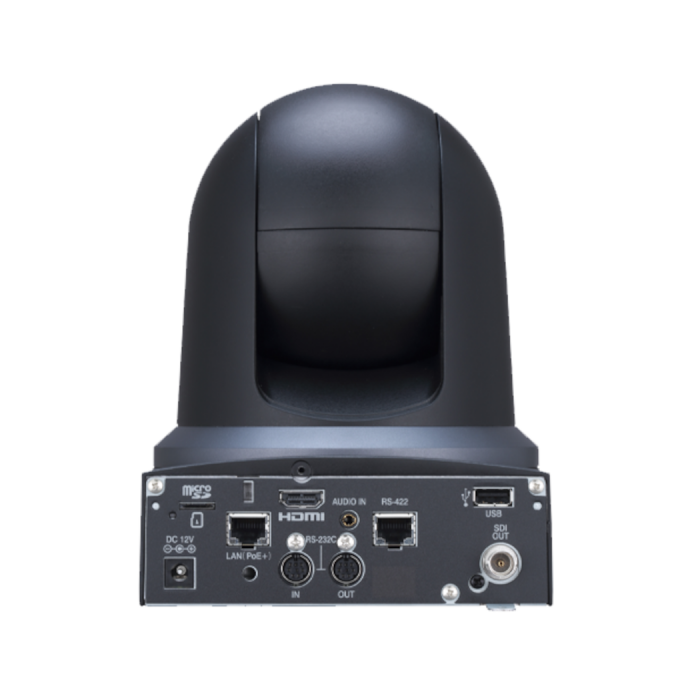
For example, Unique Photo carries professional PTZ and remote production options for creators and organizations that need dependable operation beyond what a consumer mirrorless body usually offers.
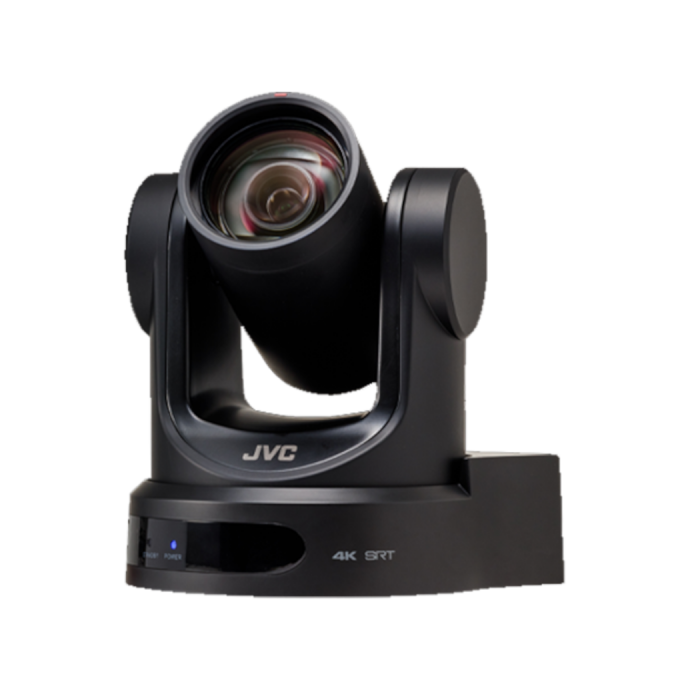
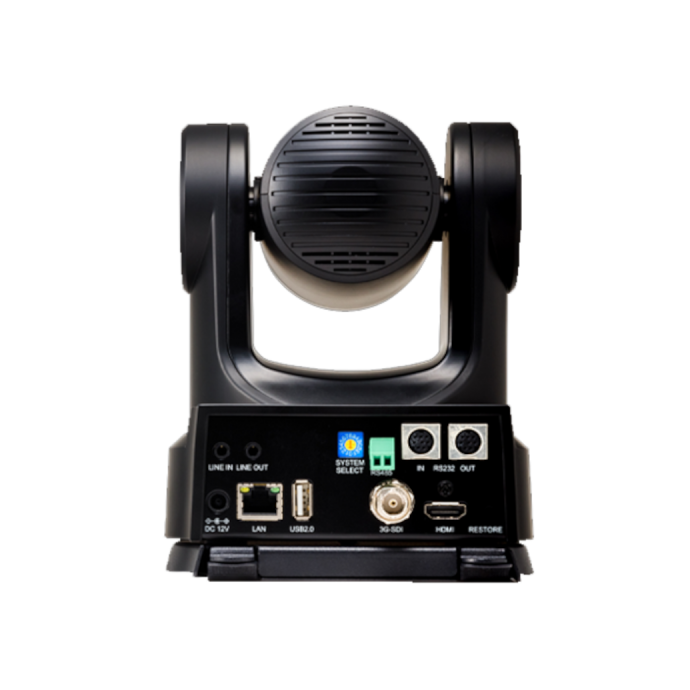
The JVC KY-PZ400N 4K NDI HX PTZ Remote Camera is a strong example for users who need 4K capture, remote control, and network-friendly production tools rather than a handheld mirrorless form factor.
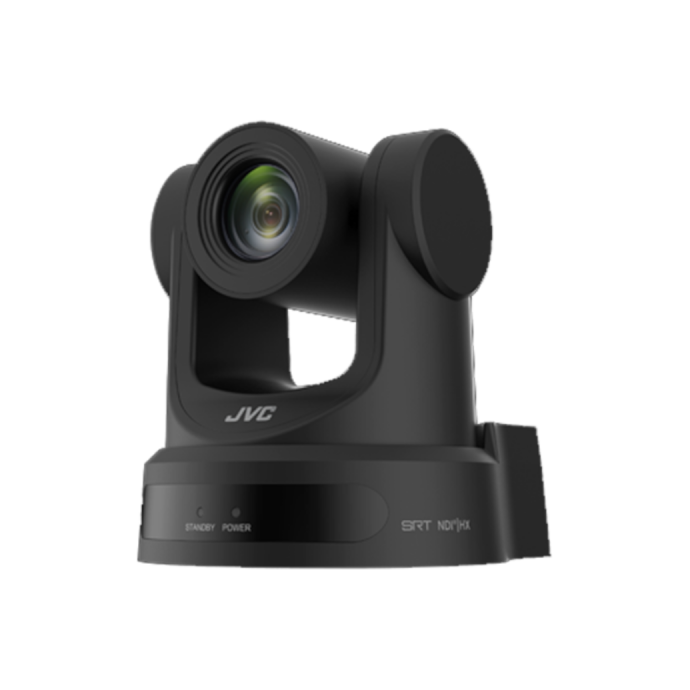
Likewise, for HD production environments where long zoom range and remote placement matter more than lens swapping, models like the JVC KY-PZ200N HD NDI HX PTZ Remote Camera can be more practical than trying to adapt an affordable mirrorless camera to every production role.
And for specialized outdoor or installation-based workflows, a product such as the Canon CR-X300 Outdoor 4K PTZ Camera addresses durability and remote operation needs that budget mirrorless models simply are not built for.
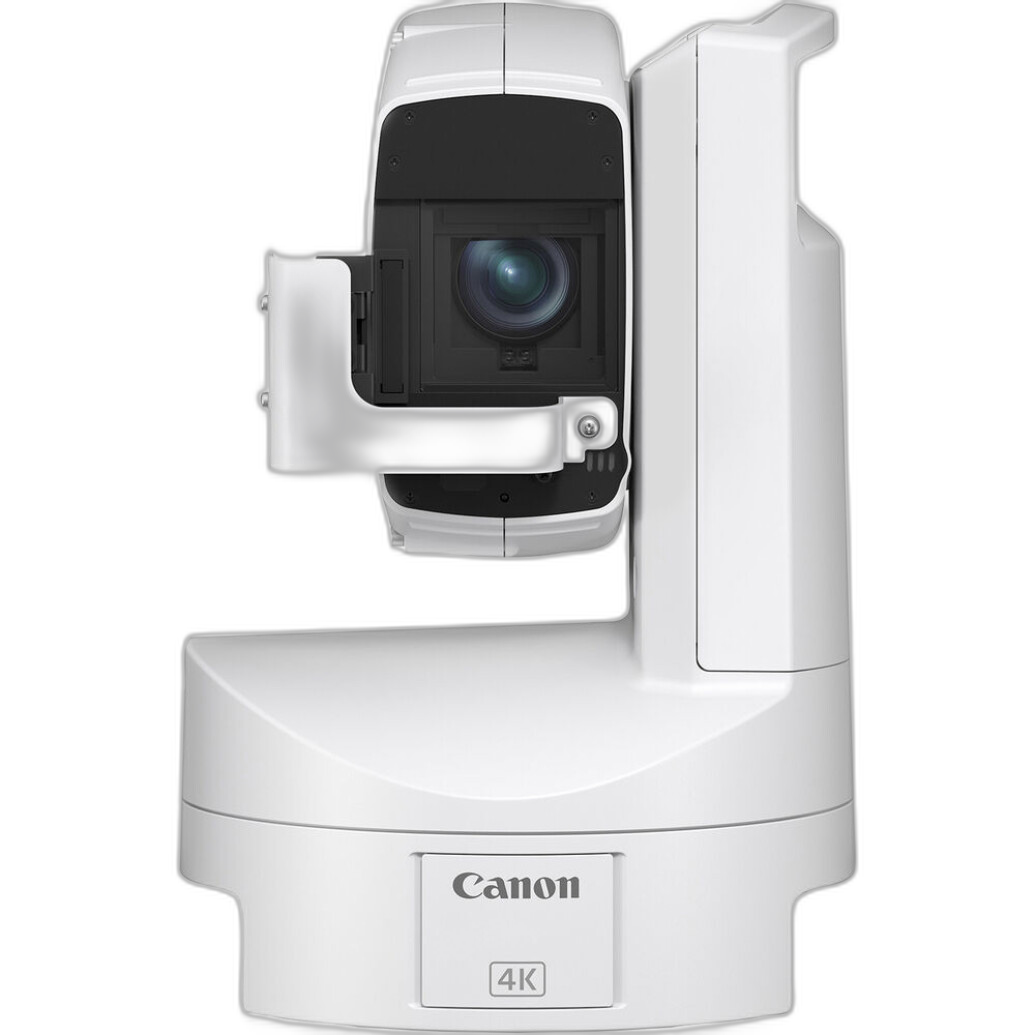
These are not replacements for every mirrorless creator, of course. But they show an important point: if your main concern is dependable video production rather than interchangeable-lens photography, the right answer may be outside the traditional affordable mirrorless category.
Who Should Buy an Affordable Mirrorless Camera for Video?
An affordable mirrorless camera is often the right choice if you are:
- Starting a YouTube channel
- Shooting social media content
- Creating client videos on a limited budget
- Upgrading from a smartphone
- Needing one camera for both stills and video
- Learning lighting, audio, and editing before investing in higher-end bodies
For these users, a hybrid camera delivers flexibility and room to grow. You can start with one body and one lens, then expand as your needs become clearer. That is why these cameras remain so popular at Unique Photo among beginners and intermediate creators alike.
How to Choose the Best Budget Mirrorless Video Camera for Your Needs
If you are comparing brands and price tiers, focus on your actual use case rather than internet hype. A useful buying checklist includes:
- Autofocus: Is solo shooting your priority?
- Lens ecosystem: Are affordable lenses available for your style?
- Recording reliability: Do you shoot long sessions?
- Audio support: Do you need mic and headphone jacks?
- Stabilization: Will you shoot handheld often?
- Low-light ability: Do you film indoors or at events?
- Editing flexibility: Do you need 10-bit or log recording?
- Total budget: Can you also afford batteries, cards, audio, lighting, and lenses?
That last point is especially important. The cheapest camera body is not always the most affordable system. Sometimes a slightly more expensive body with better autofocus, stronger thermal performance, or more accessible lens options ends up costing less frustration in the long run.
Final Thoughts on Affordable Mirrorless Cameras for High Resolution Video
The market for affordable mirrorless cameras for high resolution video has never been more competitive. Sony often leads the conversation in autofocus, Canon remains a favorite for usability and color, Panasonic attracts video-first creators, and Fujifilm and Nikon continue to offer compelling hybrid options. The right brand depends on your shooting style more than brand loyalty.
The biggest lesson is simple: lower price points nearly always involve tradeoffs. You may lose advanced codecs, full-width 4K, top-tier stabilization, unlimited recording, or the best subject tracking. But for many creators, those compromises are manageable if the camera fits the actual job.
Unique Photo is a great place to compare not just specs, but complete workflows. If you are deciding between an affordable mirrorless body and a more production-oriented solution, consider exploring internal categories and resources like video cameras, cameras, PTZ cameras, and lens, audio, or support gear collections to build a setup that works in the real world.
And if your content is growing beyond a basic hybrid camera, products like the JVC KY-PZ400N, JVC KY-PZ200 series, and Canon CR-X300 available at Unique Photo show how dedicated video systems can solve challenges that affordable mirrorless cameras often struggle to handle.