How to Make Your Photos Stand Out in Online Photography Contests
Online photography contests can be highly competitive, but strong submissions often share a few important qualities: clear intent, polished execution, and memorable visual impact. If you want your work to rise above a crowded field, it helps to understand what judges notice, how editing influences perception, and how to choose the single frame that represents your vision best.
At Unique Photo, we encourage photographers to approach contests with the same care they bring to client work, gallery submissions, and personal projects. From refining technique to building a better review process, a few smart decisions can make your entry more compelling from the first glance.
What are judges usually looking for in a contest photo?
Most judges respond first to images that communicate something immediately. That can mean emotional impact, a strong graphic composition, beautiful light, a decisive moment, or a concept that feels fresh. Technical quality still matters, but an image that is perfectly sharp and correctly exposed will not automatically stand out if it lacks a clear subject or story.
In practice, judges often notice whether your image feels intentional. Ask yourself: is the viewer's eye directed where it should go, does the framing support the subject, and does the photo feel complete? Whether you shoot portraits, landscapes, wildlife, or street photography, a contest-worthy image usually has both technical control and a distinct point of view.
How important is post-processing for contest submissions?
Post-processing is important because it helps you present the strongest version of your image, but it should support the photograph rather than overpower it. Good editing can improve tonal balance, refine color, recover detail, and remove distractions. Over-editing, on the other hand, can make an image look artificial, especially if sharpening halos, crushed shadows, or oversaturated colors become obvious.
The best approach is to edit with purpose. Make adjustments that reinforce your subject and mood. If the contest has rules about compositing, retouching, or AI-generated elements, review those carefully before submitting. A clean, natural edit that enhances the original capture is often more effective than heavy-handed effects.
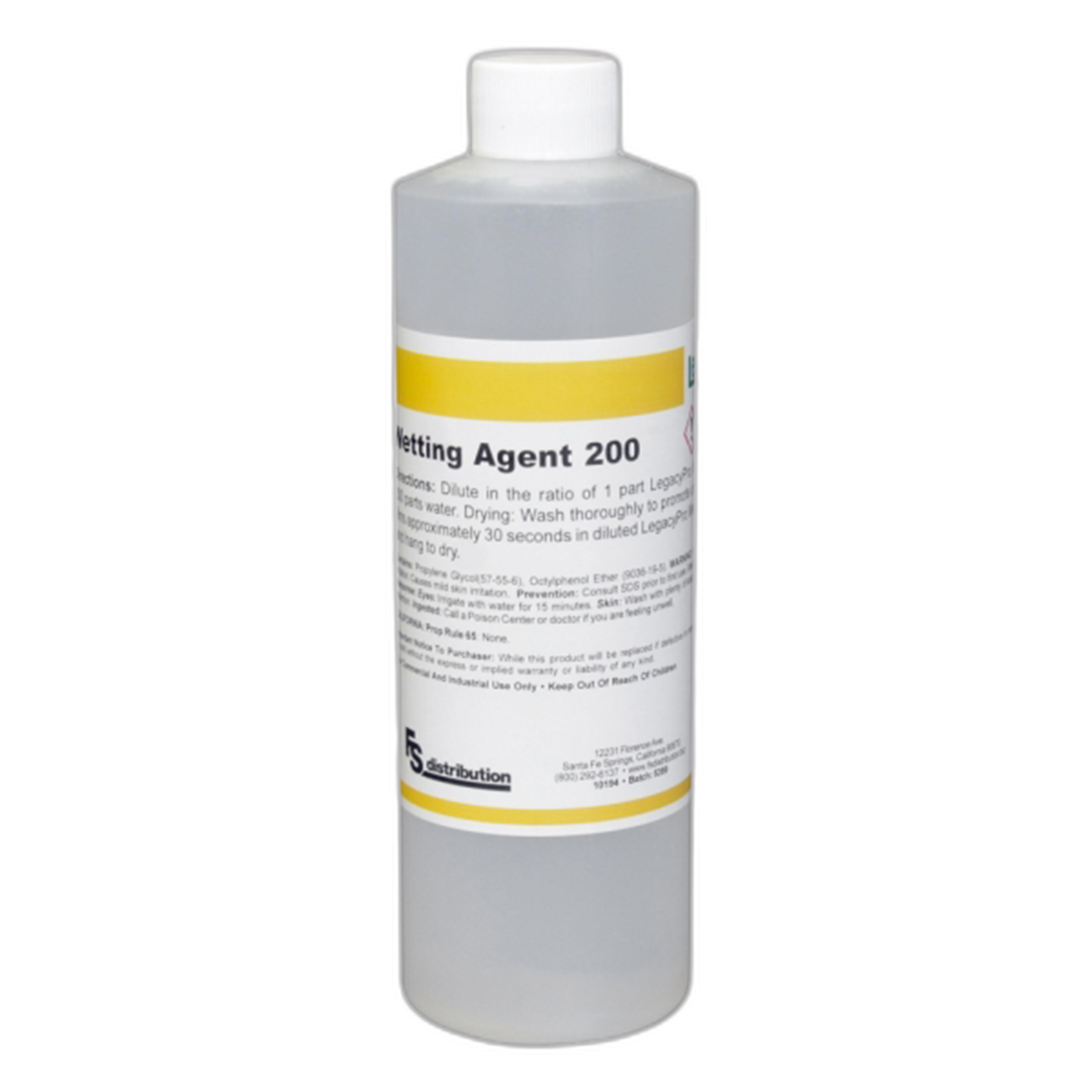
For photographers working in traditional processes, careful finishing matters just as much in the darkroom. Products like the LegacyPro 200 Wetting Agent can help film photographers produce cleaner final negatives before scanning or printing, which can contribute to better presentation quality overall.
How do I choose the right photo from a series?
Choosing the right image is often harder than making the photograph. Start by narrowing your options to a small group of frames that are technically strong and emotionally effective. Then compare them side by side and ask which image reads most clearly at a glance. In online contests, judges may review many entries quickly, so the strongest photo is usually the one that creates immediate impact without needing explanation.
Look for the frame with the best gesture, cleanest composition, strongest separation between subject and background, and most consistent editing. It also helps to step away for a day and review your shortlist with fresh eyes. If several images are similar, choose the one that feels the most confident and least cluttered.
Many photographers find it useful to print contact selections or organize physical references while reviewing a body of work. A simple archival solution like a Pioneer photo album can help you keep favorite prints and comparison sets organized for future contest submissions and portfolio building.

Does subject matter matter more than technical perfection?
Subject matter and execution work together, but a compelling subject or moment often has more contest power than technical perfection alone. A photograph can have minor imperfections and still succeed if it captures something unforgettable. Conversely, a technically flawless image may be overlooked if it feels familiar or emotionally flat.
That said, obvious technical issues can distract from even a great subject. Soft focus in the wrong place, poor cropping, messy backgrounds, and awkward color casts can weaken an otherwise strong submission. The goal is balance: choose a meaningful subject and present it with care.
Should I submit something dramatic, or something more subtle?
That depends on the contest theme and your own strengths. Dramatic images can grab attention quickly, especially in online galleries filled with thumbnails. However, subtle photographs can perform very well when they show restraint, sophistication, and strong visual design. Instead of chasing drama for its own sake, submit the image that feels most resolved and true to your style.
Before entering, read the contest description closely. Some competitions reward bold visual impact, while others lean toward storytelling, documentary honesty, or conceptual depth. Matching your submission to the judging criteria can be just as important as the image itself.
How can I improve my contest photography before I submit?
One of the best ways to improve is to shoot with critique in mind. That means paying close attention to composition, edge control, timing, and the relationship between foreground and background while you are in the field, not just during editing. Education and feedback can also make a big difference, especially if you want to strengthen your visual storytelling or refine a genre-specific skill set.
At Unique Photo, workshops and events can help photographers develop exactly the kind of vision that stands out in competitions. A class like Macro and Landscape Photography at Duke Farms can help you improve composition, light, and detail-oriented seeing in natural environments.

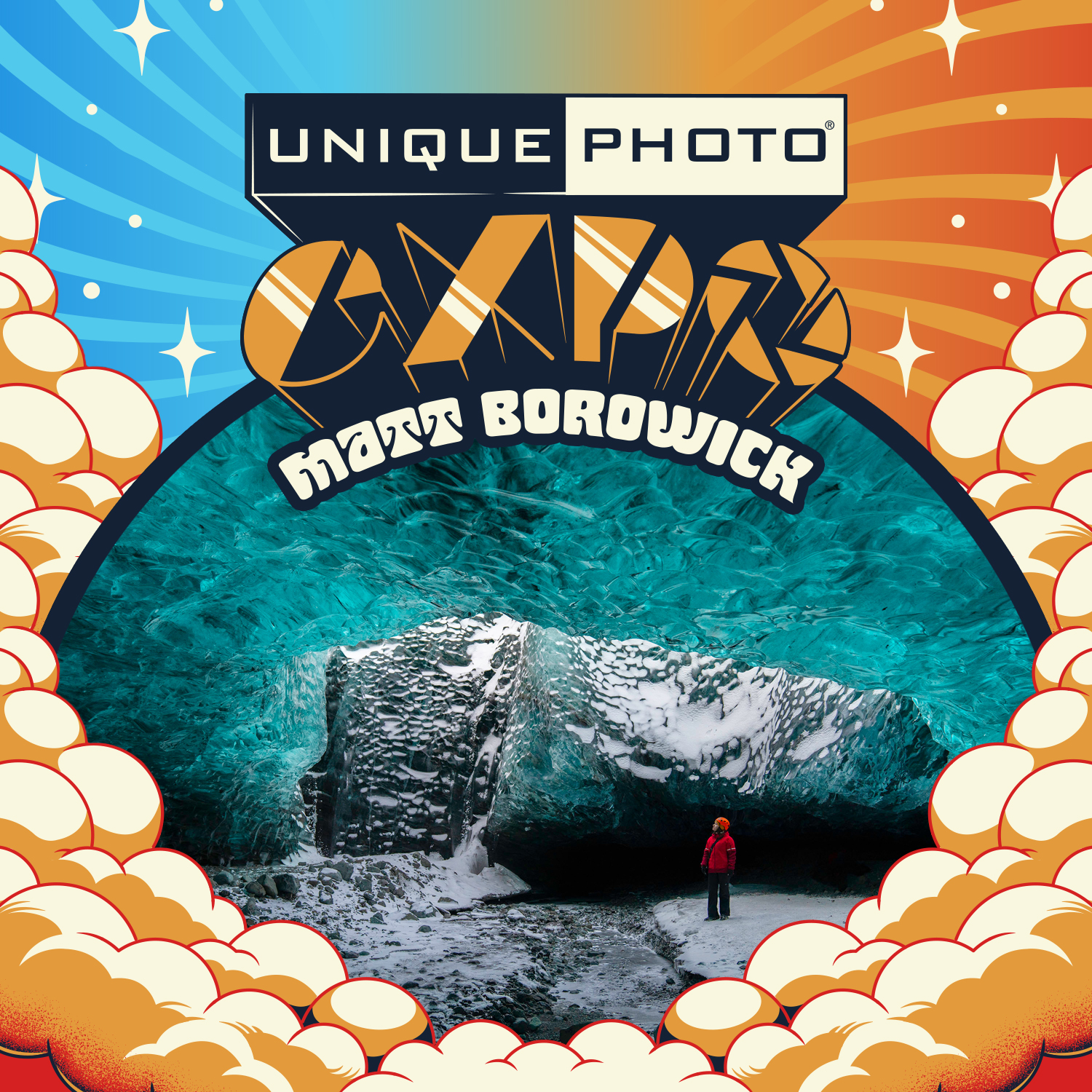
For photographers looking to deepen narrative and personal style, events such as Stories from the Road - Photography Across Worlds can also be valuable inspiration for creating more memorable work.
Does presentation affect how judges respond to an image online?
Absolutely. Even in online contests, presentation influences first impressions. Export your file at the recommended size, use accurate color, avoid excessive compression, and check how the image appears on multiple screens if possible. Cropping matters too: if your composition depends on subtle edge details, make sure resizing has not weakened the frame.
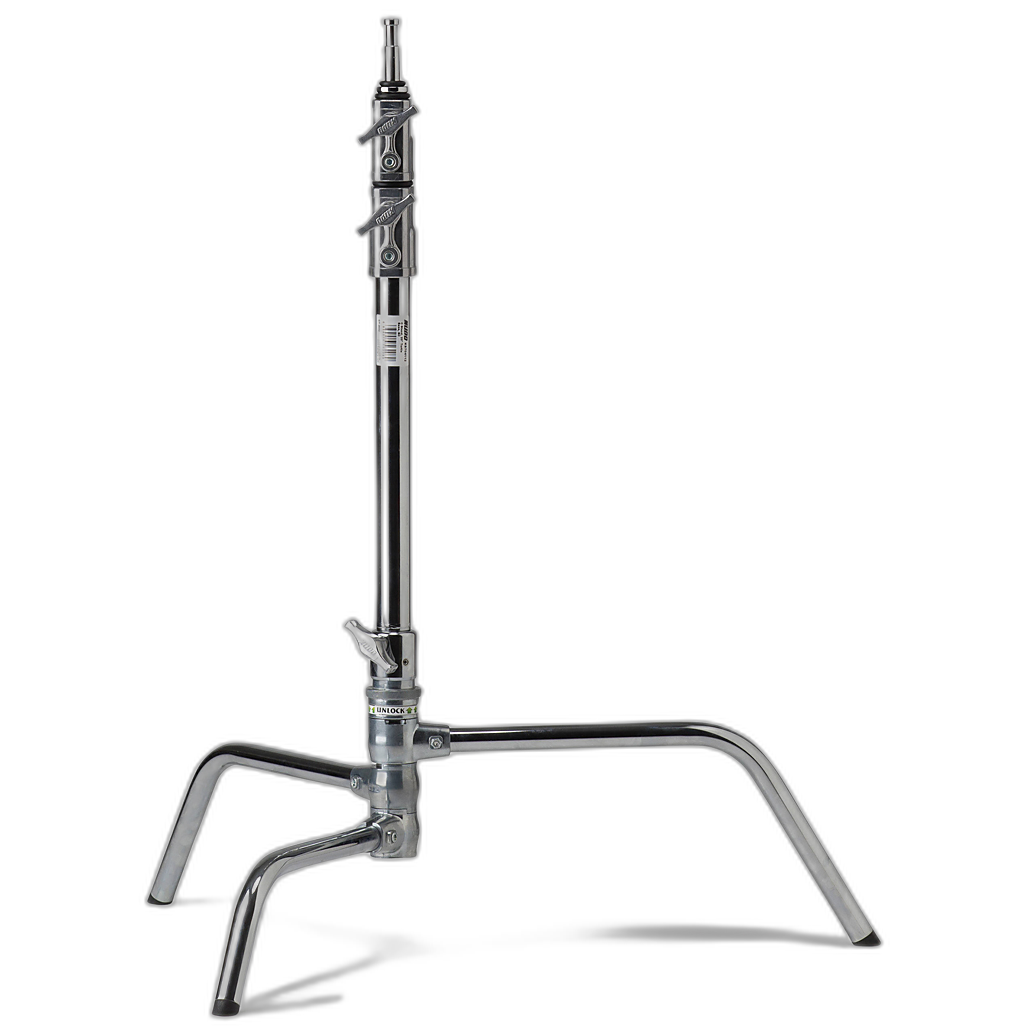
If you photograph still life, macro, or tabletop work for contests, stable support gear can also improve consistency before editing even begins. A sturdy stand solution such as the Kupo 20 Inch C-Stand with Turtle Base can be useful in controlled setups where precise placement of lights, flags, or modifiers helps you create cleaner, more deliberate images.
Should I ask other people for feedback before entering?
Yes, but be selective about whose opinions you use. A few trusted photographers, editors, or instructors can help you identify which image is strongest and whether your editing supports the concept. Try not to crowdsource the decision to too many people, or you may end up choosing the safest image instead of the best one.
When asking for feedback, request specific comments: Which image holds attention longest? Which one feels most original? Is anything distracting? Focused critique is much more useful than general praise.
What are common mistakes that make contest photos blend in?
Some of the most common issues include submitting too many similar ideas, relying on trends instead of personal vision, over-processing, weak cropping, and choosing an image because it was hard to make rather than because it is the strongest final result. Another frequent mistake is ignoring the contest brief. Even a beautiful image can underperform if it does not fit the category or judging priorities.
It also helps to be honest during selection. The image you feel emotionally attached to is not always the one that reads best to a judge seeing it for the first time. Let clarity, impact, and intent guide your choice.
The best contest submissions are rarely accidental. They are the result of thoughtful image-making, careful editing, and disciplined selection. If you want your photographs to stand out, focus on creating images with strong visual intent, polish them with restraint, and choose the frame that communicates most powerfully in a single glance.
For classes, tools, and photography essentials to help refine your next submission, explore Unique Photo online or visit us in-store. We are here to help you build a stronger portfolio and submit your best work with confidence.