If you’re buying your first serious camera, one of the biggest questions you’ll hear is whether to start with full frame or APS-C. The debate can get surprisingly heated, but for most beginners the smartest answer is less about internet arguments and more about how you actually plan to shoot. Image quality matters, of course, but so do lens costs, handling, future upgrades, and whether used gear can stretch your budget further.
Here are a few practical tips to help you decide with confidence.
1. Start with your subjects, not the sensor size
Think about what you shoot most often
If you mostly photograph family, travel, street scenes, school events, or everyday life, APS-C can be an excellent starting point. It delivers strong image quality, lighter kits, and more approachable pricing. If you know you want maximum low-light performance, shallower depth of field, or a wider field of view with certain lenses, full frame may make more sense.
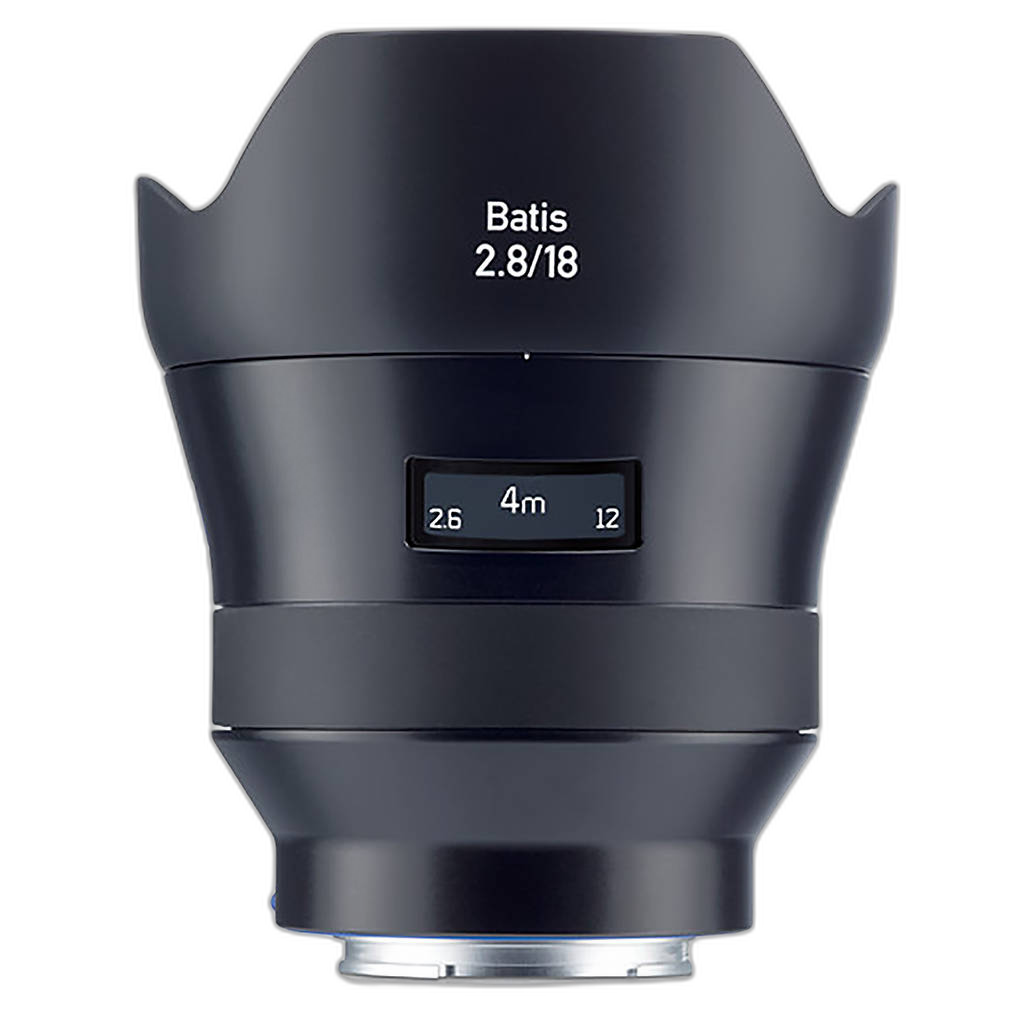
For example, wide-angle full-frame lenses can be especially appealing for landscape or architecture shooters. A lens like the Zeiss Batis 18mm f/2.8 AF lens for Sony Full Frame E-Mount Cameras shows why full frame attracts so many enthusiasts who want expansive views and a premium shooting experience.
But if your real goal is simply to learn composition, timing, and exposure, APS-C is more than capable. Many beginners improve faster when their setup is affordable enough to let them practice often.
2. Don’t overpay for image quality you may not need yet
APS-C is better than many beginners expect
Yes, full frame generally offers advantages in dynamic range, low-light performance, and background blur. But modern APS-C cameras are extremely good, and the difference is often smaller than beginners expect in normal shooting conditions. Good light, solid technique, and a sharp lens usually matter more than sensor format alone.
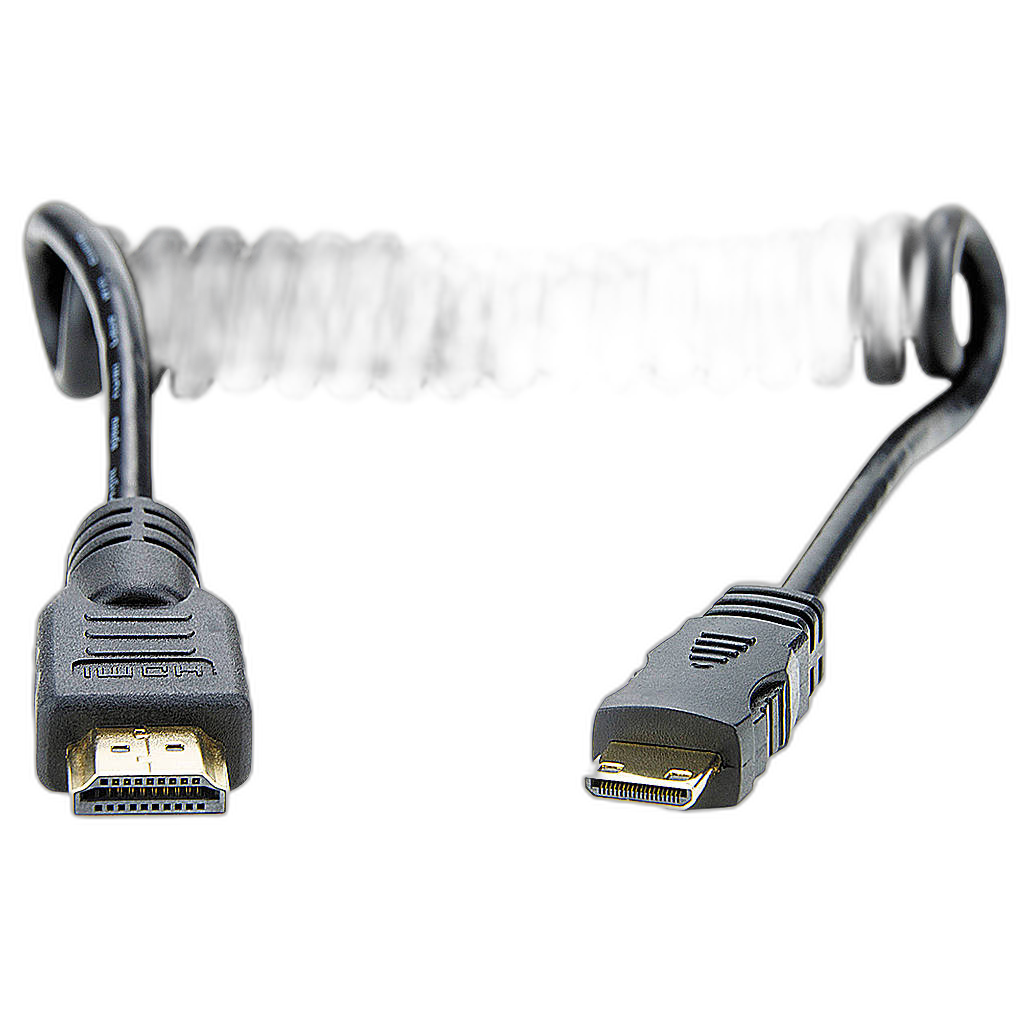
This is especially true if you’re learning video as well as stills. Many creators build great-looking footage with smaller-sensor systems and then invest in lighting, sound, or accessories instead of putting every dollar into a body. Even something as simple as reliable monitoring setup details can matter in a video workflow, and accessories like the Atomos COILED MINI to FULL HDMI Cable often become part of a practical beginner kit long before sensor size becomes the limiting factor.
3. Budget for lenses first, body second
The lens ecosystem can decide the winner
One of the strongest arguments for APS-C is that your total system cost can be much lower. It’s easy to focus on the camera body and forget that lenses shape your results just as much, if not more. If buying full frame means you can only afford one lens for a long time, while APS-C lets you build a more versatile kit, APS-C may be the smarter beginner choice.
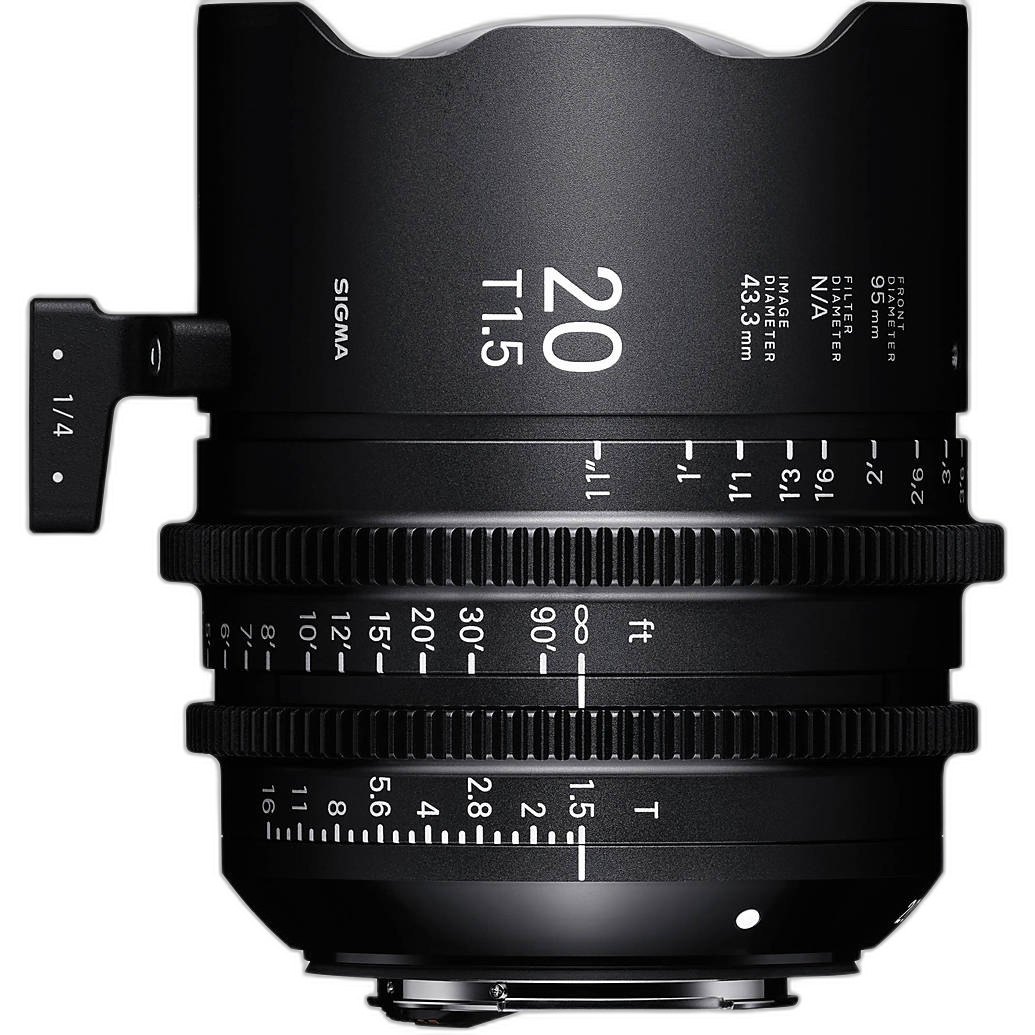
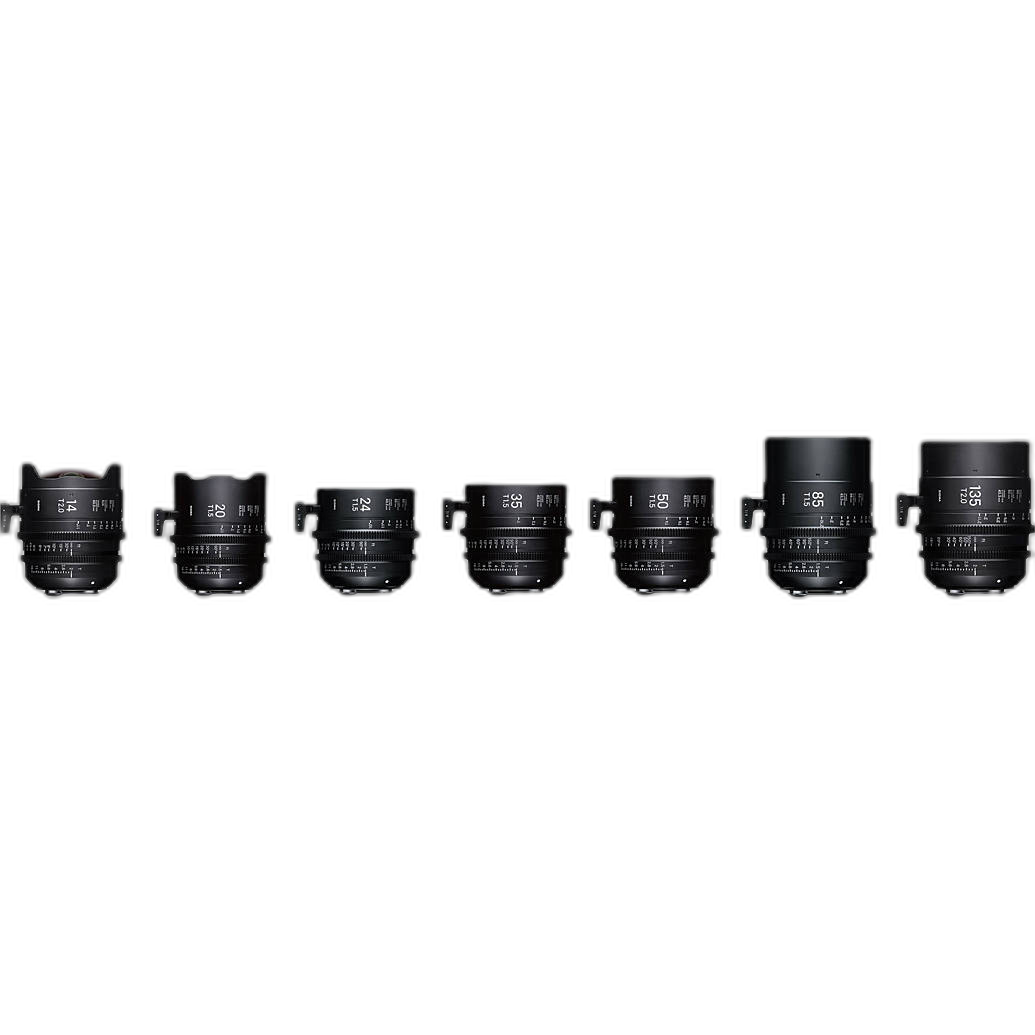
On the other hand, if you already know you want to grow into full-frame glass, investing early can be reasonable. For cinematography-minded users, the lens path can be even more important than the camera format itself. A lens like the Sigma 20mm T1.5 Fully Luminous FF High-Speed Prime Lens or a larger set such as the Sigma T2/T1.5 FF 7 Fully Luminous Lens Kit with Case shows the kind of long-term ecosystem full-frame users may aspire to build.
That said, beginners usually benefit more from having the right focal lengths than from chasing the biggest sensor possible.
4. Ergonomics matter more than specs on paper
Choose the camera you’ll actually want to carry
Some beginners love the feel and balance of a larger full-frame body. Others find smaller APS-C kits less intimidating and easier to bring everywhere. This matters because the best beginner camera is often the one you use consistently.
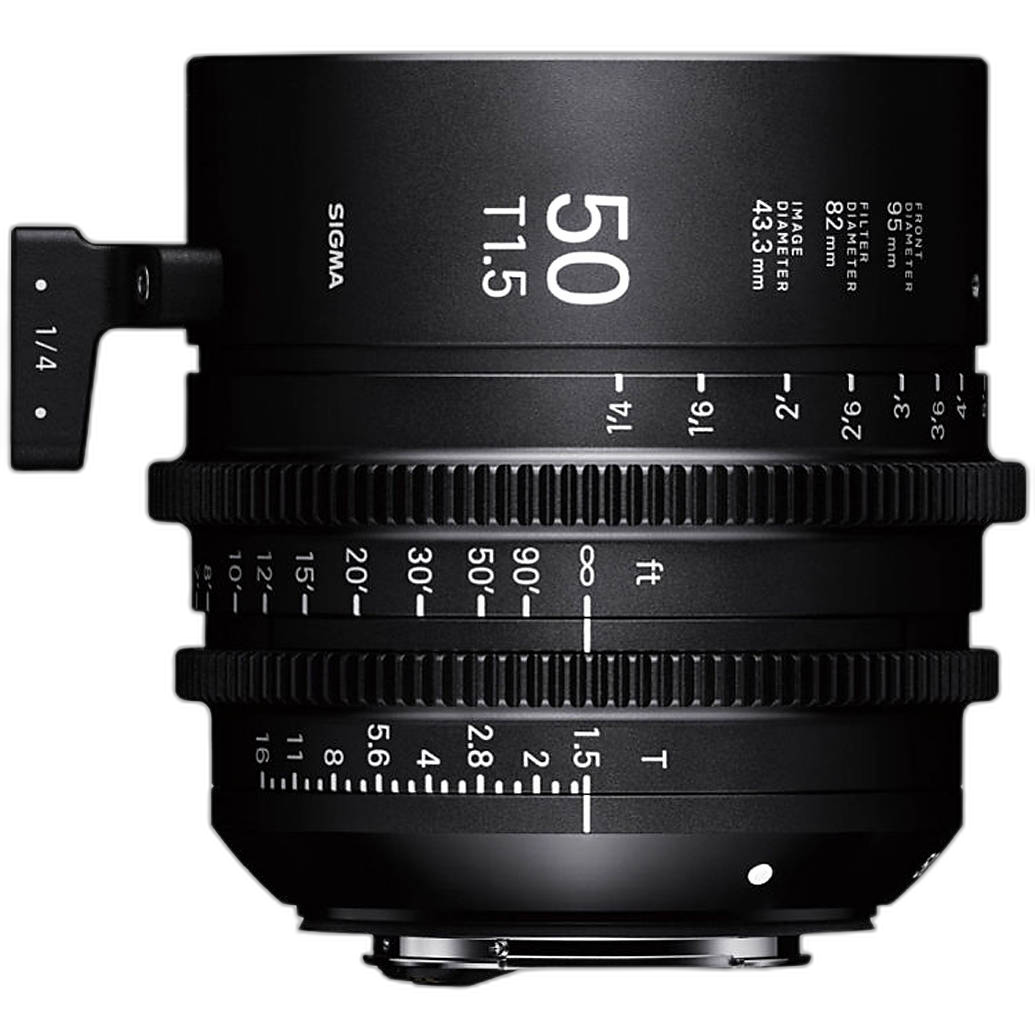
Lens size plays into this too. Certain full-frame lenses, especially cinema-oriented or premium optics, can become substantial in both weight and handling. The Sigma 50mm T1.5 Fully Luminous FF High-Speed Prime Lens is a good reminder that higher-end full-frame glass can be incredible, but it also assumes a workflow and setup that may be better suited to dedicated filmmakers than first-time hobbyists.
If a compact APS-C setup makes you more likely to shoot on walks, vacations, and family outings, that practical advantage can outweigh a spec-sheet edge from full frame.
5. Used gear can make full frame much more realistic
Buying used is one of the smartest beginner strategies
If full frame feels financially out of reach, don’t assume you must buy everything new. Used gear can be a great value, especially for beginners who want higher-end tools without paying full retail. Shopping used can let you step into better lenses or a more advanced system while keeping enough budget for memory cards, batteries, a bag, or accessories.
This applies to specialty lenses too. For instance, the Used Blazar Mantis 50mm T2.0 1.33X Full Frame Anamorphic Lens for Sony E shows how the used market can open creative doors that would be much harder to justify at new prices. Even if anamorphic is beyond what most beginners need, it’s a clear example of how used inventory can dramatically expand your options.
The key is to buy from a trusted retailer, inspect condition details, and make sure the gear matches your actual shooting goals rather than just your dream setup.
6. Remember that APS-C is not a dead end
You can start smaller and still grow seriously
One reason beginners sometimes rush into full frame is the fear of “outgrowing” APS-C too quickly. In reality, APS-C remains a very capable format for photography, content creation, and even professional work. You can learn exposure, autofocus, editing, lens selection, and storytelling just as effectively on APS-C as on full frame.
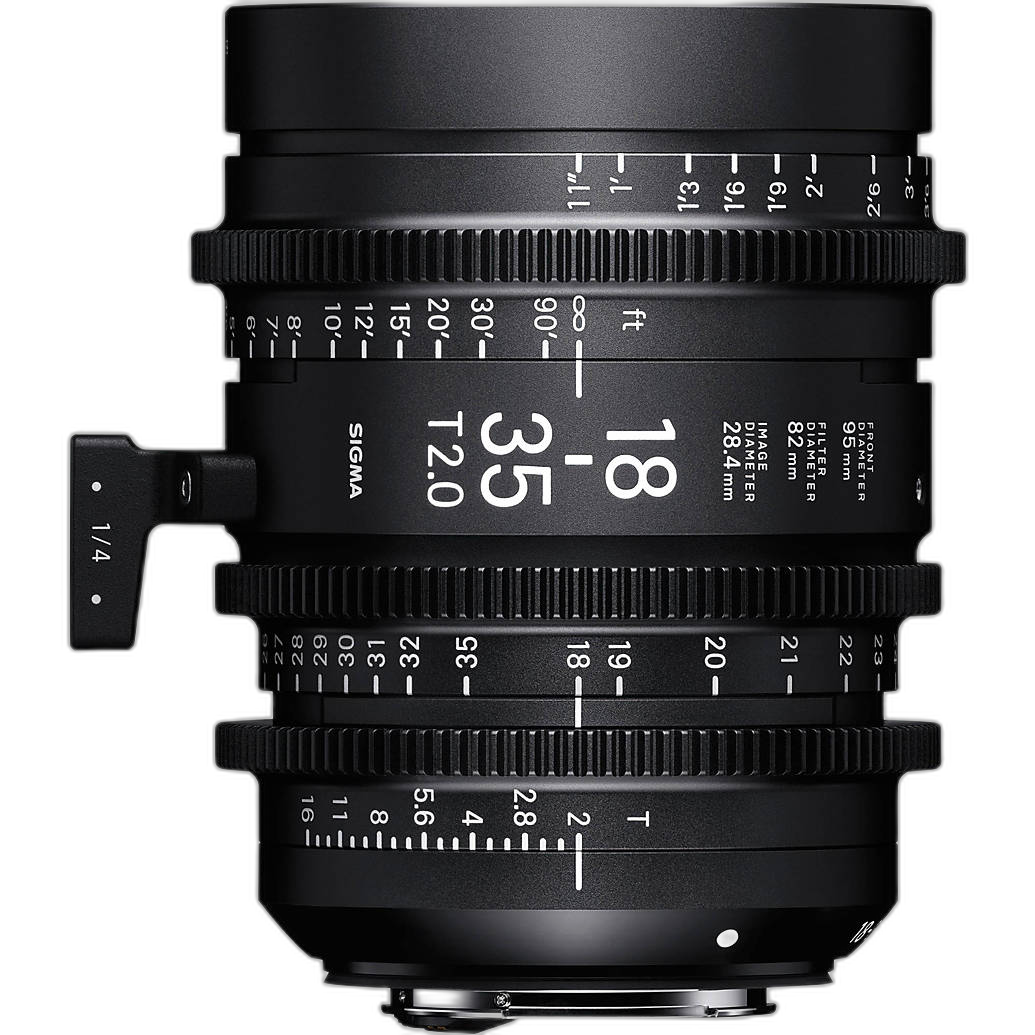
In video circles, crop-sensor and Super 35-style formats are still highly relevant. A lens such as the Sigma 18-35mm T2 Fully Luminous High-Speed Zoom Lens has long been appreciated by filmmakers because it supports a practical shooting range and strong optical performance in workflows where smaller formats are absolutely viable.
That means starting with APS-C doesn’t lock you out of serious image-making. It can simply be the most efficient first step.
Conclusion
For most beginners, the full frame versus APS-C decision should come down to budget, lenses, comfort, and what you actually want to shoot. Full frame offers real benefits, but APS-C often delivers the better balance of value and portability when you’re starting out. If buying used helps you reach a stronger setup, that can be a smart move too.
The best approach is to build a kit you’ll enjoy using regularly and confidently. If you’re comparing options, exploring lenses, or considering used gear, Unique Photo is a great place to start finding a setup that fits your goals.