Affordable Audio Solutions for Solo Videographers
Clean, consistent audio can make or break a solo video shoot. The challenge: get pro results without a second operator, complicated rigs, or a steep price tag. In this head-to-head comparison, we look at four budget-friendly paths that solve different parts of the audio puzzle for one-person crews: a pocketable USB interface, a Lightning-ready dual-channel interface, an on-camera XLR module for LUMIX bodies, and a simple but effective XLR-to-3.5mm cable.
At a Glance: Specs and Use-Case Comparison
| Product | Type | Inputs | Power / Phantom | Output / Platform | Monitoring | Mounting / Portability | Ideal For | Limitations |
|---|---|---|---|---|---|---|---|---|
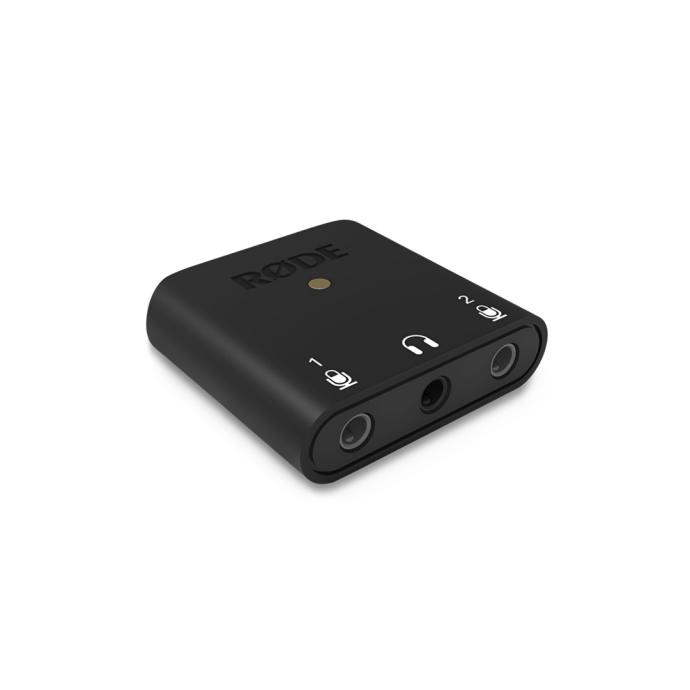
| Rode AI-Micro Ultracompact USB Type-C Interface | USB audio interface | 2x 3.5mm auto-sensing (TRS/TRRS) | Plug-in power for mics (no 48V) | USB-C to phones, tablets, computers | 3.5mm headphone out | Pocket-sized; cables to device | Mobile interviews, vlogs, laptop capture | Not for powering XLR condensers; relies on host device |
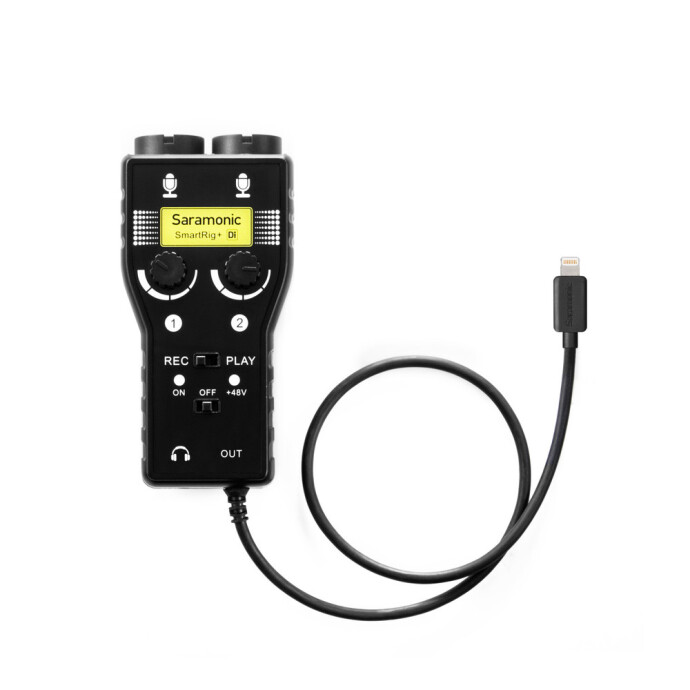
| Saramonic SmartRig+ Di | 2-ch iOS audio interface | 2x XLR/1/4" combo + 2x 3.5mm | 48V phantom on XLR; battery powered | Lightning (iPhone/iPad) | 3.5mm headphone jack | Handheld or bag-mounted | iPhone/iPad filmmakers needing XLR | Lightning-only output; battery management |
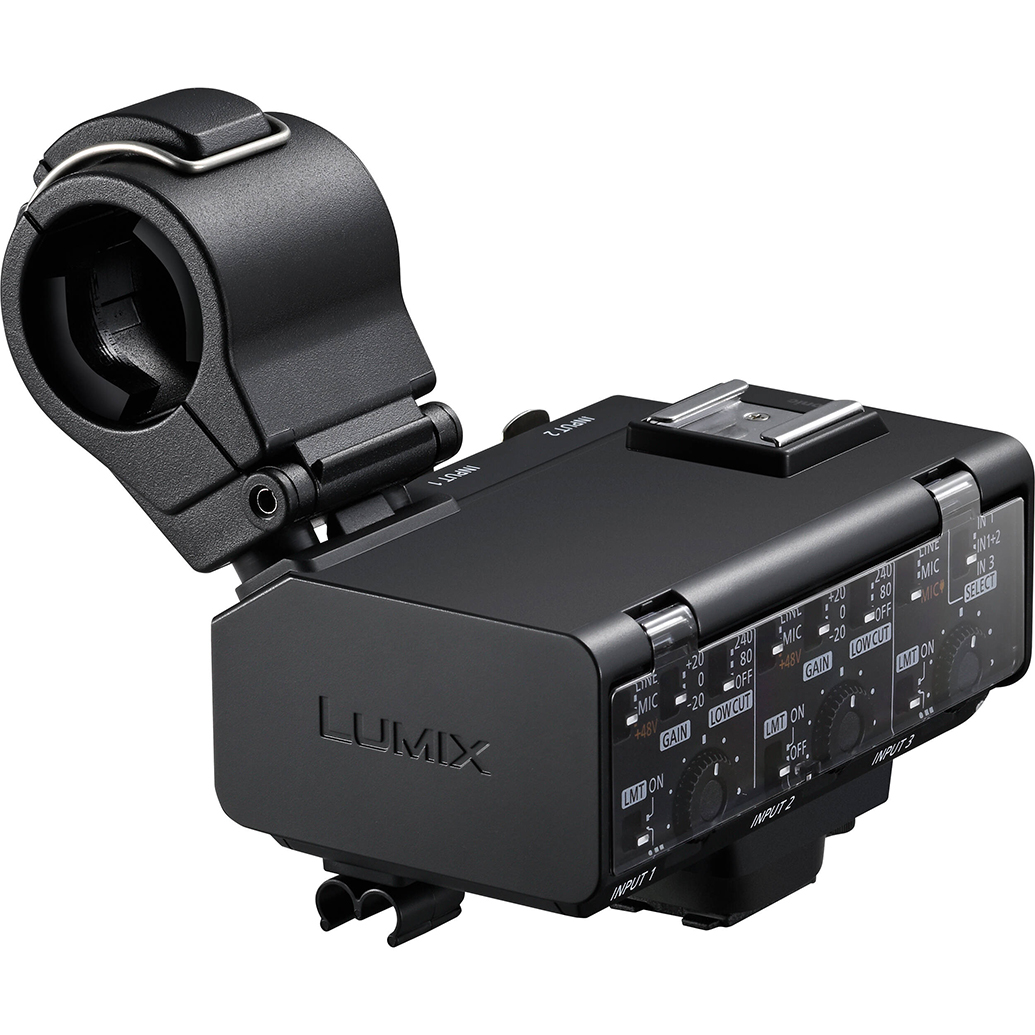
| Panasonic LUMIX DMW-XLR2 | On-camera XLR module | Dual XLR with individual control | 48V phantom; powered by compatible LUMIX body | Direct digital audio to camera | Camera-dependent monitoring | Hot-shoe mounted, cable-free to camera | LUMIX shooters wanting in-camera XLR | Body compatibility required; higher cost than adapters |
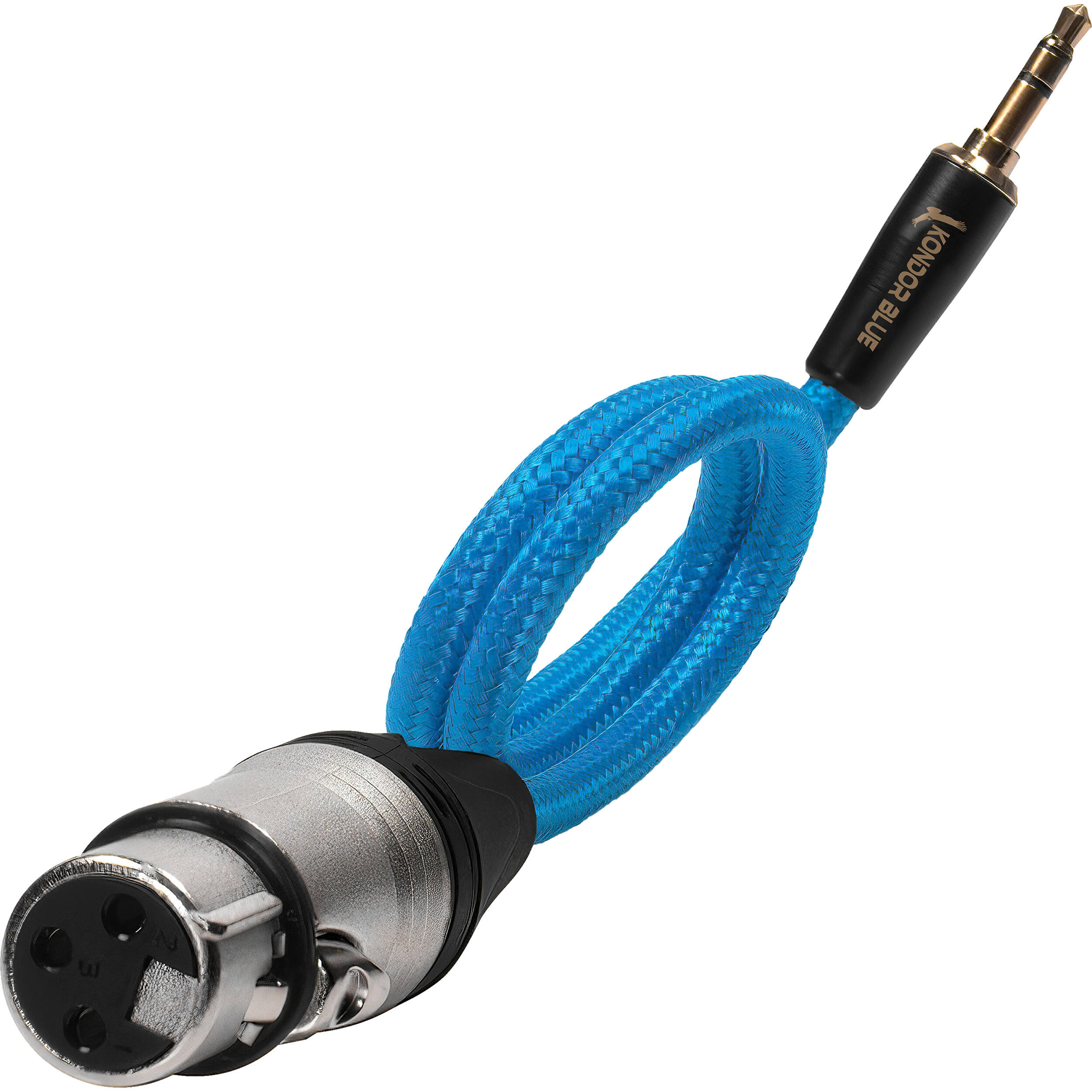
| Kondor Blue Female XLR to 3.5mm TRS (17 in) | Passive adapter cable | 1x XLR (female) | No power; passive | 3.5mm TRS to camera/recorder mic input | Via camera/recorder | Ultra-compact; 17-inch braided | Direct-to-camera with dynamic or self-powered mics | No preamp/phantom; depends on camera’s preamps |
Category-by-Category Analysis
Sound Quality and Preamps
For most solo shooters, clean gain and consistent levels matter more than raw channel counts. The Rode AI-Micro converts mic signals to digital in-device and hands off to your phone/tablet/computer with minimal fuss; paired with quality lavs, it delivers reliably clean spoken word. The Saramonic SmartRig+ Di adds dual XLR preamps and 48V, a big advantage for shotgun or condenser mics on iPhone/iPad. Panasonic’s DMW-XLR2 routes balanced XLR directly into compatible LUMIX bodies for in-camera files, reducing sync headaches and maintaining quality through the camera’s digital path. The Kondor Blue XLR-to-3.5mm cable keeps things simple, but overall clarity depends on your camera’s built-in preamps and the mic you use.
Powering Microphones and Input Flexibility
- Rode AI-Micro: Supports plug-in power for 3.5mm mics (great for lavaliers); not intended for 48V phantom mics.
- Saramonic SmartRig+ Di: Offers 48V phantom on XLR inputs and accepts 1/4" and 3.5mm sources—versatile for two-mic setups.
- Panasonic DMW-XLR2: Supplies 48V phantom power via the camera, ideal for professional XLR mics without extra boxes or cables.
- Kondor Blue Cable: No power—works best with dynamic mics or self-powered shotguns feeding a 3.5mm mic input.
Monitoring and Level Control
Real-time listening and tactile control save takes. The AI-Micro offers a dedicated headphone out for immediate monitoring through your device. The SmartRig+ Di adds physical level knobs and a headphone jack for iOS workflows—a big win when you’re alone behind and in front of the camera. With the DMW-XLR2, monitoring and control integrate right into the LUMIX camera interface. The Kondor Blue cable relies on the host camera or recorder’s monitoring and level menus.
Portability and Setup Speed
Solo work favors fast setups. The AI-Micro is the smallest, pocketing easily and connecting with a single USB-C cable. The SmartRig+ Di is still compact and can be bag-mounted or handheld with simple gain dials. The DMW-XLR2 is a neat on-camera solution—no external cables to the camera body—though it adds some top-plate bulk. The Kondor Blue cable is the lightest way to get an XLR mic into a camera’s 3.5mm jack if you already have a suitable mic.
Mobile and Streaming Scenarios
For creators who live stream or record to a computer, you may route camera video and mixed audio into a single USB feed. A simple way to do that is to embed audio in-camera and capture the HDMI output via a compact dongle like Kondor Blue’s HDMI to USB-C Capture Card.
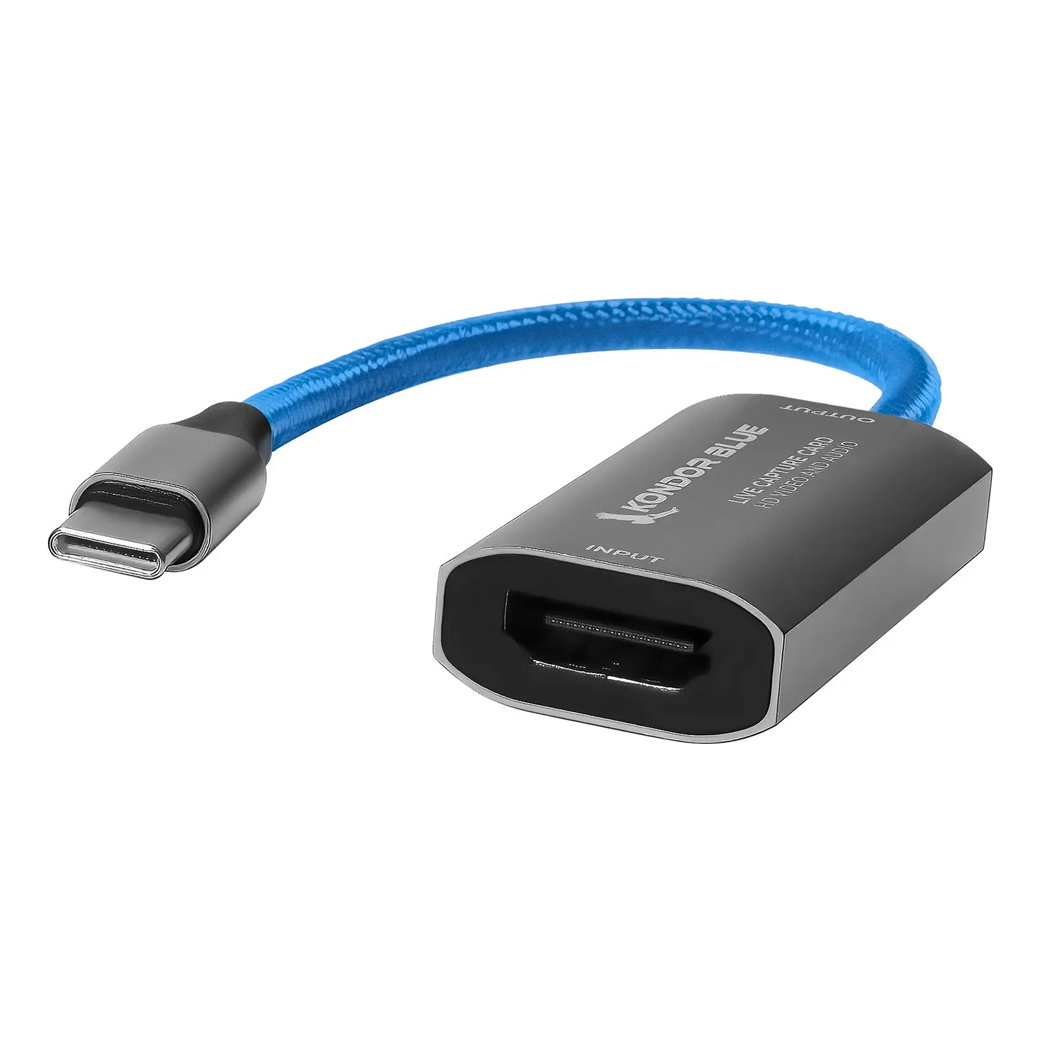
Pair it with any of the above audio paths—AI-Micro to your host device, DMW-XLR2 into your LUMIX body, or a 3.5mm feed to your camera—and you can send synchronized audio and video straight to conferencing or streaming software.
Cables That Save the Day
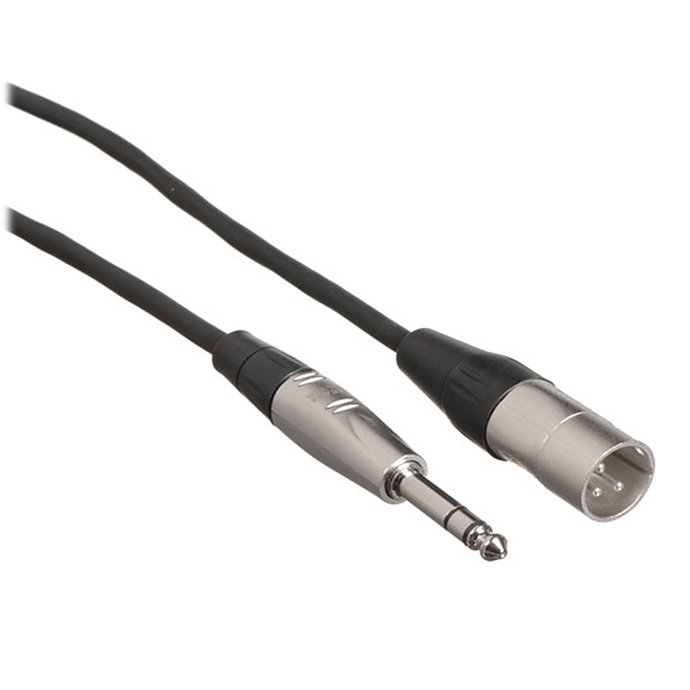
Reliable cabling keeps a lean kit running. If you need to bridge TRS and XLR gear for line-level runs or to reach combo jacks, a dependable balanced cable like Hosa’s 1/4 in TRS to XLR Male (10 ft) helps in small studio or bag rigs.
Value and Upgrade Path
- Maximum portability/value: Rode AI-Micro is hard to beat for dual-lav interviews, voiceovers, and content capture on phones/tablets/laptops.
- Best iPhone/iPad XLR option: Saramonic SmartRig+ Di adds phantom power and tactile controls for true pro mics on iOS.
- Best for LUMIX shooters: Panasonic DMW-XLR2 keeps pro audio neatly in-camera for compatible bodies, minimizing post sync.
- Lowest-cost direct-to-camera: Kondor Blue XLR-to-3.5mm cable works when your mic doesn’t need phantom and your camera preamps are up to snuff.
Our Pick
Overall Best Value for Solo Videographers: Rode AI-Micro Ultracompact USB Type-C Audio Interface. It’s affordable, tiny, and flexible, with two auto-sensing 3.5mm inputs and direct headphone monitoring—ideal for interviews and on-the-go content. For iPhone shooters who need XLR and phantom power, the Saramonic SmartRig+ Di is the standout alternative. LUMIX users with compatible bodies will love the clean, cable-free workflow of the Panasonic DMW-XLR2. If you just need a quick, low-cost link from an XLR mic to your camera’s 3.5mm input, the Kondor Blue XLR-to-3.5mm cable is the simplest path.
Conclusion
Whether you’re outfitting a lean mobile kit or tightening up on-camera audio, these solutions cover the essential solo videographer use cases at approachable costs. Explore the Rode, Saramonic, Panasonic, Kondor Blue, and Hosa options featured here at Unique Photo, where you can compare, ask questions, and build a reliable audio setup that matches your workflow.