Why Light Fights You Outdoors
Outdoor feature photography is a moving target. Sun angle shifts by the minute, clouds reshape contrast, and streetlights or storefronts introduce mixed color. The good news: with a few reliable habits, you can control the scene, preserve mood, and keep your subject front and center—no matter what the sky throws at you.
Field Tips to Solve Outdoor Lighting Challenges
-
Read the sun and scout for light first
Before unpacking gear, note the sun’s direction, the size of shadows, and natural reflectors (pale walls, sidewalks, cars). Place your subject so the ambient light already works for you, then add small modifiers as needed. Training your eye to see light quickly is everything—practice with lessons that break down key vs. fill vs. rim outdoors, like CS: Key Lighting Methods with Mark Raker (Nanlite), which emphasizes shaping and control you can adapt to any brand of light.

-
Tame harsh midday sun with shade, scrims, and negative fill
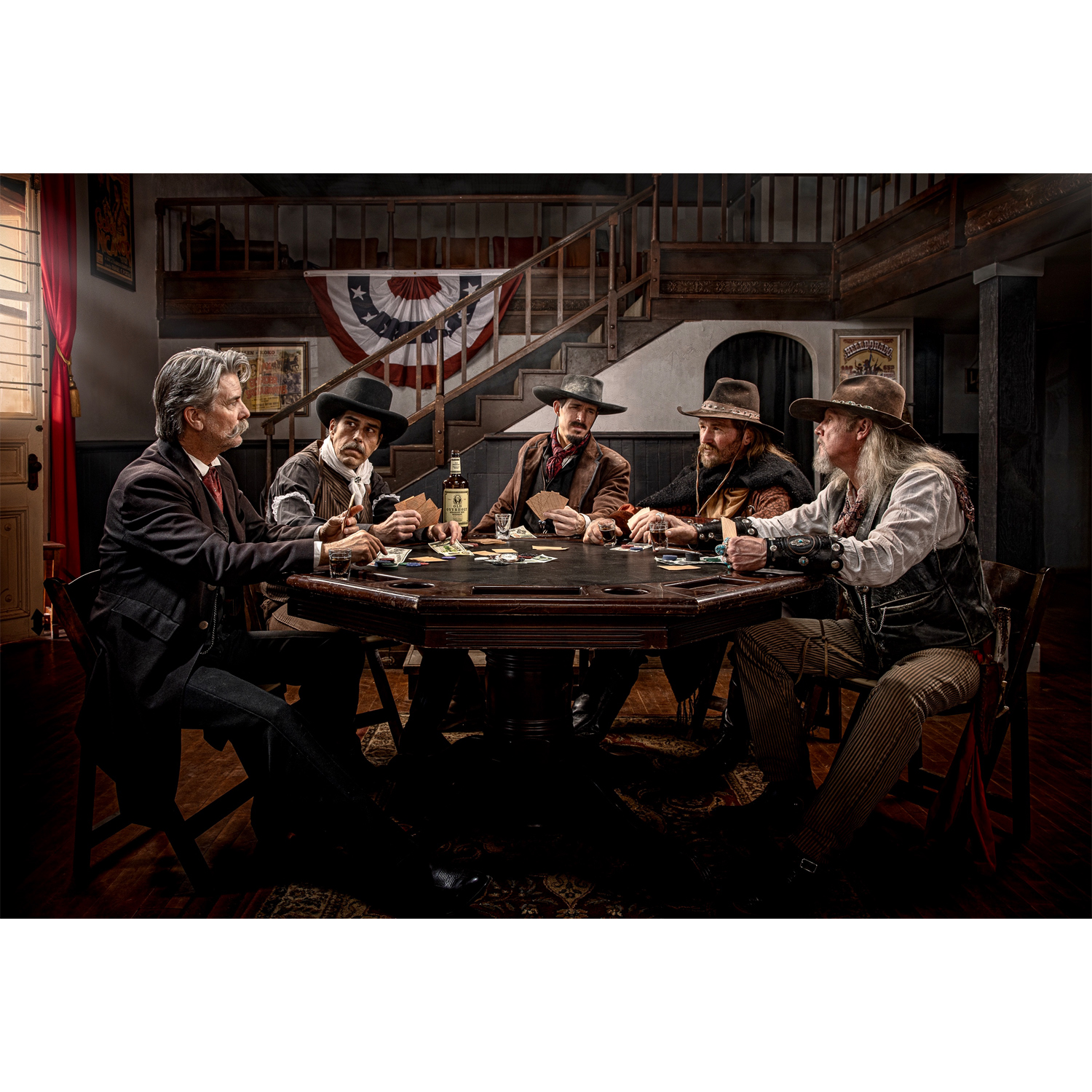
Midday sun creates deep eye sockets and crunchy contrast. Move to open shade for even exposure, or soften with a scrim overhead. To keep portraits dimensional, add negative fill (a black flag or fabric) on one side to reintroduce shape. For practical face-shaping ideas, Portrait Lighting Made Easy with Joel Grimes (Westcott) offers simple approaches you can use on-location with minimal kit.
-
Balance ambient and your lights for natural-looking features
Set your background exposure first to taste, then bring in flash or LED to lift the subject. Use high-speed sync (HSS) or a neutral-density filter if you need shallow depth of field in bright conditions. For fast-moving editorial scenarios at dusk or in mixed light, repetition builds speed—Reception Lighting w. Magda and Simon (Philly) drills balancing ambient with off-camera flash under pressure, skills that translate perfectly to outdoor features.

-
Fix mixed color casts at the source
Street lamps, window fluorescents, and shade can all collide. Decide which source you’ll prioritize, set a custom white balance, and gel your light to match the dominant color. When you know your camera inside and out, these decisions are fast; the Nikon D850 Guide to Digital SLR Photography by David Busch is a great deep-dive on practical in-camera controls like WB presets and fine-tuning.

-
Lean into golden hour—and plan for blue hour
At golden hour, position your subject with the sun as a rim and add a soft key from the front to keep skin tones clean. As the sun sets, blue hour demands longer shutter speeds or more artificial light—pre-visualize your balance of ambient spill and subject key. If night features are on your docket, UUOnline: Astrophotography 4-Part Series with Temu Nana (Session 2) helps you plan low-light exposures and understand the trade-offs between ISO, time, and motion.

-
Backlight without flare and keep contrast
Backlight adds drama and separation but invites haze. Shade the front element with a flag or lens hood, and use a small kick of fill to keep eyes bright. For environmental textures—fields, flowers, architecture—angle your subject to use cross-light or backlight for depth. Macro and Landscape Photography at Duke Farms with Michael Downey explores how to position subjects relative to the sun for crisp detail outdoors.

-
Make overcast pop with direction and shape
Flat skies are nature’s softbox—great for skin but low on dimension. Introduce direction with a small off-camera key or negative fill. Edge lights can add separation from busy backgrounds without looking artificial. Skills from studio disciplines carry over; Product Photography and Post Production Editing with Blake Taylor reinforces how subtle flagging and edge-light placement create contour you can replicate outdoors.

-
Finish in post—subtly
Even careful field work benefits from light touch-ups. Use targeted dodge and burn to guide the eye, correct color casts selectively, and fine-tune local contrast for faces and hands. Editing and Enhancing Landscape and Nature Photography with Photoshop focuses on natural-looking tonal control—perfect for keeping outdoor features believable.

Bring It All Together
Outdoor features reward photographers who can see light fast and make clean, confident choices. Scout first, control contrast, and balance ambient with just enough shaping to preserve the story. When you want hands-on practice and deeper technique, explore classes and guides at Unique Photo—learn, try, refine, and head back into the field ready for the next sky change.