Introduction: A Different Kind of Home Processing Review
Home film processing can feel intimidating at first, but one of the best ways to get started is by learning from a community of photographers who have already worked through the trial-and-error stage. Rather than focusing on a single chemical kit or darkroom accessory, this review-style guide looks at home processing through the lens of shared experience: what gear actually matters, what shortcuts are worth avoiding, and how beginners can build a reliable workflow without turning their bathroom or kitchen into a disaster zone.
For new film photographers, the biggest surprise is usually that success at home processing has less to do with having an elaborate setup and more to do with consistency, organization, and patience. Community members often emphasize the same points: label everything, control your timing, keep your workspace clean, and don’t panic over early mistakes. If you are looking to build confidence in home processing, Unique Photo is a great place to buy supplies, educational resources, and classes that help shorten the learning curve.

What Beginners Really Need for Home Processing
Ask a group of experienced home processors what gear is essential, and the answers are usually refreshingly practical. You do not need a fully built darkroom to begin developing film at home. Most community advice centers on a few foundational items: a daylight developing tank, reels, graduates or measuring containers, a thermometer, timers, storage bottles, clips for drying, and a dust-conscious drying area. For scanning or printing later, the setup expands, but for processing alone, simplicity usually wins.
Many photographers also point out that the best investment early on is not necessarily another piece of hardware, but education. Learning proper agitation, temperature control, and chemical handling saves more rolls than buying gear you do not yet understand how to use.
Education and Mentorship Matter More Than People Expect
One recurring theme in community advice is that hands-on instruction can dramatically reduce frustration. If you are the kind of beginner who learns better by watching and asking questions, a personalized lesson can be more valuable than hours of scattered forum reading.
The Personal One-On-One Instruction @HOME or @WORK from Unique Photo stands out as a strong fit for photographers who want direct guidance while building a home workflow. It is not a chemical kit or a processing tank, but as a support option it can be one of the smartest purchases for a new film shooter who wants to avoid wasted rolls, uneven development, or confusion around chemistry mixing and storage.
Organization Is an Underrated Piece of Gear
Veteran home processors often stress that organization is half the battle. Keeping negatives, notes, sleeves, small accessories, and even test strips separated and clearly stored can prevent a lot of confusion. While it is not a specialized photo accessory, something as basic as sealable storage can be useful for separating small items or creating a simple labeling system around your workspace.
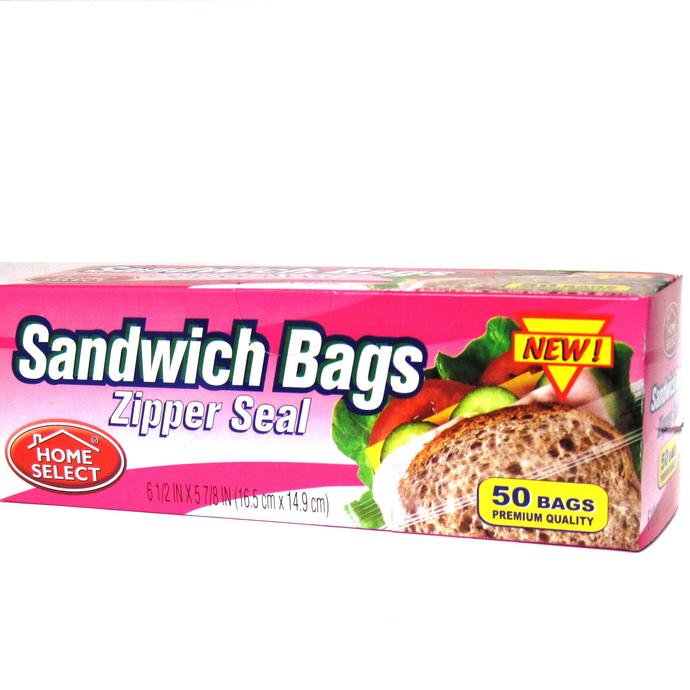
The Sandwich Bags 50ct Zip Seal Home Select Brand is a humble example of the kind of practical item community members often keep nearby. It is useful for organizing clips, sleeves, notes, reels, or small accessories away from dust and clutter. It is not glamorous, but home processing rarely rewards glamorous choices as much as it rewards tidy ones.
Common Troubleshooting Lessons from the Community
When photographers share home processing stories, the same beginner problems come up again and again. The upside is that these issues are usually predictable and preventable.
Problem: Uneven Development
This is often linked to inconsistent agitation, loading errors on the reel, or developer that is too old or mixed incorrectly. Community advice usually recommends practicing reel loading with a sacrificial roll in daylight before trying it in the dark, and sticking to a repeatable agitation rhythm rather than improvising from roll to roll.
Problem: Water Spots and Drying Marks
A classic first-timer issue. Many photographers learn quickly that the drying stage matters just as much as development. Using clean water, a final rinse step when appropriate, and drying in a low-dust environment can make a major difference. Community members also warn against touching negatives too soon or trying to “fix” drying marks while the film is still vulnerable.
Problem: Dust Everywhere
Dust is one of the most frustrating parts of home processing because even a correctly developed roll can become annoying to scan if it dries in a dirty room. Shared advice usually includes running a hot shower briefly to settle airborne dust in a bathroom, hanging film in a controlled area, and resisting the urge to move around too much while film dries.
Problem: Chemical Confusion
Another common issue is simply mixing up bottles, times, or processing order. Community veterans often recommend labeling everything clearly and keeping a written checklist until the process becomes second nature. It sounds basic, but it is one of the best ways to avoid avoidable errors.
Useful Learning Resources Beyond the Tank
Home processing is a technical craft, but it is also part of a larger photographic practice. Many photographers stay motivated by engaging with stories, talks, and books that deepen their understanding of why they are making images in the first place.
Events That Build Confidence and Community
While not a processing tool, community-based photography events can be surprisingly valuable for beginners who want real-world advice. The *FREE RSVP* Photo Community Social at Garage Passyunk (Philly) reflects the kind of environment where photographers swap practical tips, talk through failed rolls, and recommend techniques that work in actual home setups rather than theoretical perfect conditions.
That peer-to-peer knowledge transfer is one of the most reliable ways to improve quickly, especially for film shooters who are trying to troubleshoot on a budget.
Inspiration Also Keeps the Process Meaningful
Film processing can become so procedural that beginners sometimes lose sight of the creative side. Educational and inspirational content can help balance that out.

The EXPO: Stories from the Road - Photography Across Worlds w. Matthew Borowick is an example of a resource that supports photographic growth from a broader perspective. While it is not a darkroom tutorial, content like this can reconnect home processors to the storytelling power behind the negatives they are carefully developing.

Similarly, Race Stories: Essays on the Power of Images adds useful depth for photographers who want to think critically about image-making beyond chemistry and gear. For many community members, staying engaged with photographic ideas is part of what keeps the technical discipline of home processing rewarding over time.
Can Home Office Printers Fit Into a Film Workflow?
For film photographers who scan negatives at home, an all-in-one printer can become part of the broader workflow for contact sheets, proof prints, zines, project drafts, and archival paperwork. These are not substitutes for darkroom enlargers, but they can still be genuinely useful in a hybrid analog-digital setup.
Canon PIXMA TR8620a Wireless Home Office All-in-One Printer
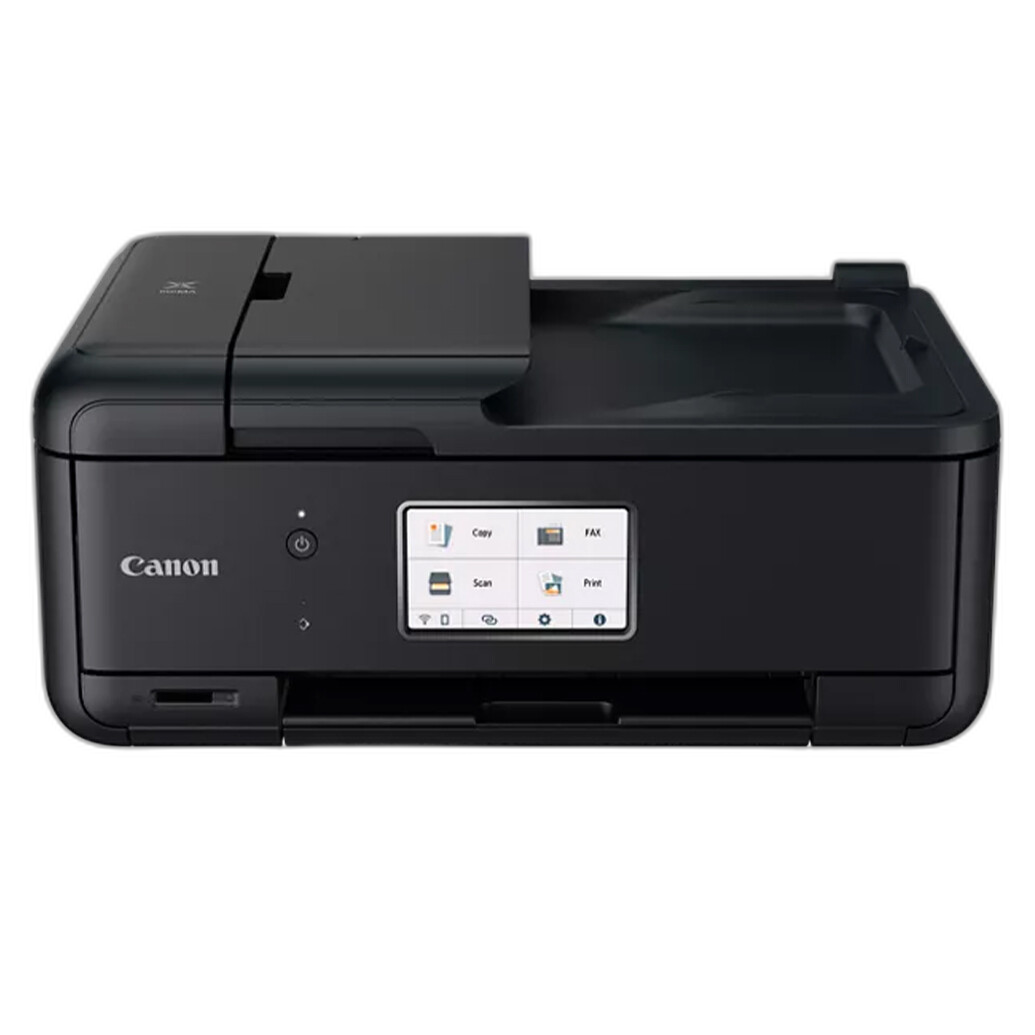
The Canon PIXMA TR8620a Wireless Home Office All-in-One Printer is a practical companion for film photographers working in a home environment. It makes sense for printing reference sheets, project layouts, and notes to accompany processed negatives. Community-minded users who maintain careful records of film stock, chemistry, and scan settings may also find this type of printer useful for organizing and presenting their workflow.
Its value in a home processing setup is indirect but real: it supports the documentation and output side of a disciplined analog practice.
Pros and Cons of the Home Processing Experience
Pros
- Greater control over your negatives and final image quality
- Lower long-term cost per roll compared to lab-only processing
- Faster feedback when testing exposure, cameras, or film stocks
- Deepens understanding of the photographic process
- Can be done in small spaces with a relatively modest gear list
- Strong community support makes learning easier than ever
Cons
- Early mistakes can cost time, chemistry, and important rolls
- Temperature control and timing require discipline
- Dust and drying issues can be frustrating
- Chemical storage and disposal need care and planning
- The process can feel intimidating without guidance
- Scanning or printing adds another layer of gear and learning
Verdict: The Best Home Processing Setup Starts with Good Habits
If there is one takeaway from community advice, it is that successful home processing depends less on buying the most specialized gear and more on building a consistent, repeatable system. Beginners do best when they start simple, stay organized, and seek guidance before bad habits become routine. Educational support, practical storage, community engagement, and a few workflow-friendly tools can all make the process smoother.
For photographers ready to begin or improve their home film processing journey, Unique Photo is an excellent place to buy learning resources, accessories, and workflow tools. Whether you need one-on-one instruction, inspiration from photography events and books, or supporting gear for a hybrid film setup, the right foundation is available there. Home processing has a learning curve, but with community wisdom behind you, it becomes one of the most satisfying parts of shooting film.