For new photographers, one of the biggest questions is whether to start with a DSLR or mirrorless camera system. The debate is everywhere: which is easier to learn, which offers better battery life, which feels better in the hand, and which makes more sense as a long-term investment? At Unique Photo, we regularly help beginners sort through these exact questions, and the truth is that the best choice depends on how you plan to shoot, what features matter most to you, and how much room you want for growth.
Both systems can produce excellent image quality. Both can support hobbyists, students, travelers, and even future professionals. But there are important technical and practical differences that can make one system a better fit for a newcomer than the other.
DSLR vs Mirrorless for Beginners: What Is the Real Difference?
The core difference between DSLR and mirrorless cameras is in how they handle viewing and focusing. A DSLR uses a mirror mechanism and optical viewfinder, while a mirrorless camera removes that mirror and relies on an electronic viewfinder or rear screen for composition. For a beginner, this affects everything from size and battery life to autofocus behavior and shooting experience.
DSLRs are often appreciated for their traditional feel, comfortable grip, and familiar ergonomics. Mirrorless cameras, on the other hand, are known for being lighter, more compact, and more technologically advanced in areas like subject tracking and live exposure preview.
If you are shopping at Unique Photo and comparing systems, this is usually the first step: decide whether you want the classic handling of a DSLR or the modern interface and smaller footprint of mirrorless.
Are Mirrorless Cameras Easier for Beginners to Use?
For many newcomers, mirrorless cameras are easier to use because they show a live preview of your exposure settings in real time. That means when you brighten the image, change white balance, or adjust shutter speed, you can often see the result before you press the shutter. This can shorten the learning curve significantly.
Mirrorless systems also tend to offer stronger autofocus features for modern shooting styles. Eye detection, face tracking, and subject recognition can help beginners get more keepers with less frustration, especially for portraits, family photos, pets, and casual action.
At the same time, some new photographers find DSLRs easier to learn on because the controls can feel more straightforward and the optical viewfinder provides a clear, natural-looking view of the scene. If you prefer a simple, direct shooting experience without as much on-screen information, a DSLR may feel more intuitive.
Battery Life: Why DSLRs Still Have an Advantage
When photographers debate DSLR vs mirrorless battery life, DSLRs usually come out ahead. Because a DSLR can use an optical viewfinder instead of powering an electronic display constantly, it often delivers more shots per charge. For beginners who do not want to think about spare batteries, this can be a meaningful benefit.
Mirrorless battery life has improved a lot, but many models still require more frequent charging, especially if you use continuous autofocus, high-brightness screens, or lots of video. For travel, events, or long days out, it helps to plan ahead with charging accessories and power solutions.
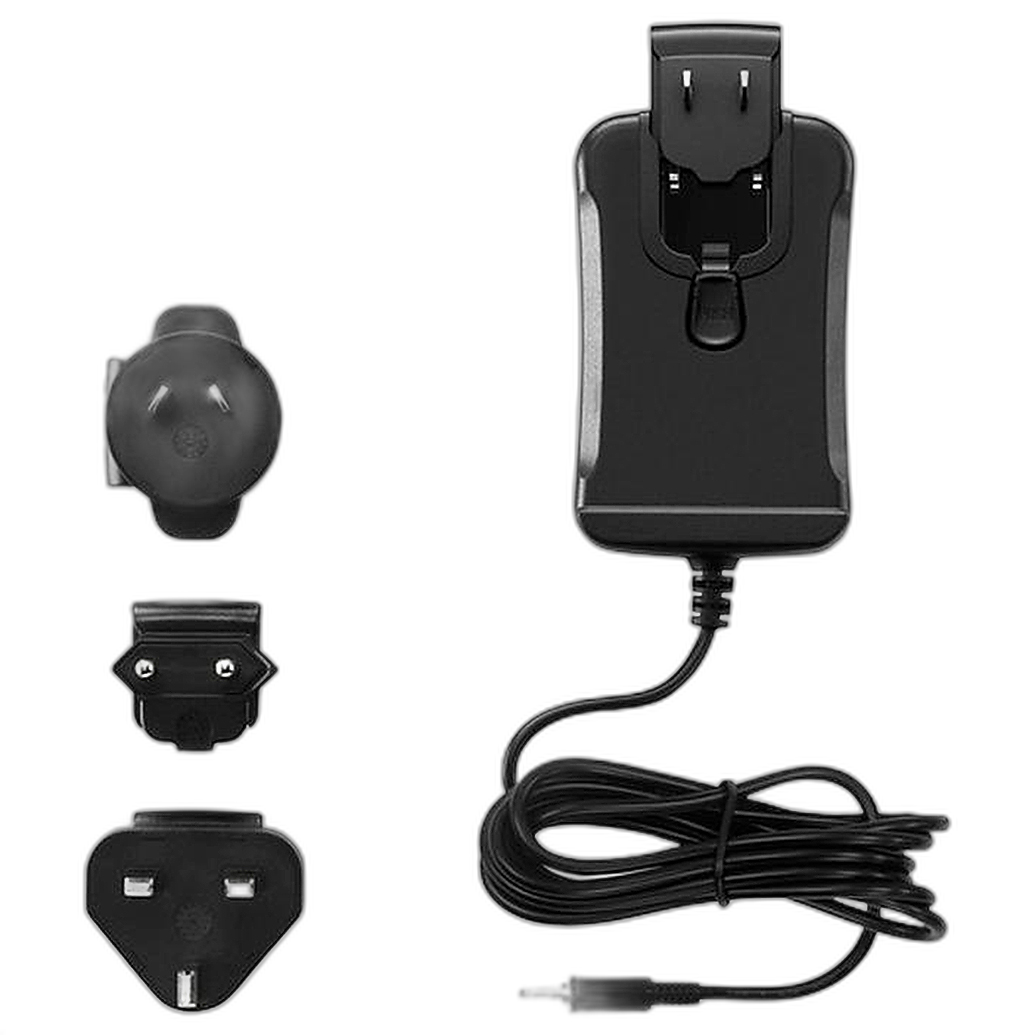
That is one reason accessories matter. If you are building a setup for longer shoots, dependable support gear can make a big difference. For example, the Blackmagic Design Power Supply for Pocket Cinema Camera is a reminder of how important power management can be in modern digital workflows, especially for users moving into hybrid photo and video shooting.
Handling and Ergonomics: Which Camera Feels Better in the Hand?
Handling is one of the most overlooked parts of choosing a first camera. Beginners often focus on specs, but comfort matters just as much. A camera that feels secure and enjoyable to hold is more likely to get used consistently.
DSLRs often have larger grips and more physical controls, which many people prefer for longer sessions or when using bigger lenses. Mirrorless bodies are usually smaller and lighter, which is great for travel and daily carry, but some beginners find very compact cameras less balanced with larger zoom lenses.
This is where hands-on shopping at Unique Photo can be especially helpful. Trying a camera in person is often the fastest way to determine whether the controls, grip, button layout, and menu system feel right for you.
Carrying comfort matters too. A practical accessory like the PGYTECH Camera Strap Slim - Vintage-Olive Green can make either system easier to carry for day trips, walks, and learning sessions, especially for beginners getting used to having a camera with them regularly.
Long-Term Investment: Should Beginners Buy Into a System or a Camera?
One of the smartest questions a beginner can ask is not just, “Which camera should I buy?” but rather, “Which camera system should I buy into?” Your camera body may change in a few years, but your lenses, accessories, batteries, bags, and familiarity with a brand ecosystem often stay with you longer.
Mirrorless systems currently receive the most attention from manufacturers in terms of new bodies, autofocus innovation, and lens development. For many beginners, that makes mirrorless feel like the stronger long-term investment. If you think you may eventually upgrade into more advanced bodies, shoot more video, or want access to the newest features, mirrorless has a lot of momentum.
That said, DSLRs can still be an excellent value. Many beginners can build a capable DSLR kit at a lower entry cost, especially if they are focused on photography rather than video and do not need the latest autofocus technology right away.
Lens availability is a major part of the investment conversation. A versatile zoom such as the OM SYSTEM M.Zuiko Digital ED 12-200mm f/3.5-6.3 Lens shows how appealing a mirrorless ecosystem can be for beginners who want flexibility in one lens for travel, landscapes, portraits, and everyday shooting.
Lens Selection for Beginners: Why It Matters More Than the Body
New photographers often spend too much time comparing camera bodies and not enough time thinking about lenses. In reality, lenses shape your shooting style, flexibility, and image-making options in a huge way. A beginner-friendly system should make it easy to grow from a basic kit lens into portraits, wildlife, macro, travel, or video.
If you are leaning toward mirrorless, the appeal often includes compact lens options and increasingly broad native lens lineups. If you are considering DSLR, there can be strong value in the large selection of available lenses, including used gear.
At Unique Photo, many newcomers benefit from discussing not only the first body purchase but also what their second lens might be in six months or a year. Thinking ahead helps prevent buying into a system that feels limiting later.
Autofocus and Speed: Mirrorless Often Wins for Modern Shooting
If you expect to photograph kids, pets, street scenes, or sports, mirrorless cameras often have the edge for beginner success. Modern mirrorless autofocus systems can detect eyes, faces, animals, and moving subjects with impressive consistency. This can help reduce missed focus and build confidence faster.
DSLR autofocus is still capable, especially on proven models, but for many first-time buyers, mirrorless offers more automated assistance and a better match for how people shoot today. If you want your camera to do more of the technical heavy lifting while you learn composition and timing, mirrorless is very compelling.
Are DSLRs Better for Learning Photography Fundamentals?
Some photographers argue that DSLRs are better for learning because they encourage a more deliberate process. The optical viewfinder shows the scene naturally, and many DSLR users become comfortable with exposure and focus by understanding the underlying settings rather than relying on electronic aids.
There is some truth to that, but beginners can absolutely learn photography fundamentals on mirrorless too. In fact, seeing your changes in real time can make concepts like exposure compensation, depth of field, and white balance easier to understand. The best learning camera is usually the one that encourages you to practice often.
Budget Considerations for First-Time Camera Buyers
Budget is often the deciding factor in the DSLR vs mirrorless conversation. DSLR kits can sometimes offer excellent value, particularly on the used market. Mirrorless systems may cost more upfront depending on the body and lenses, but they can also provide longer-term relevance if you plan to stay in the system for years.
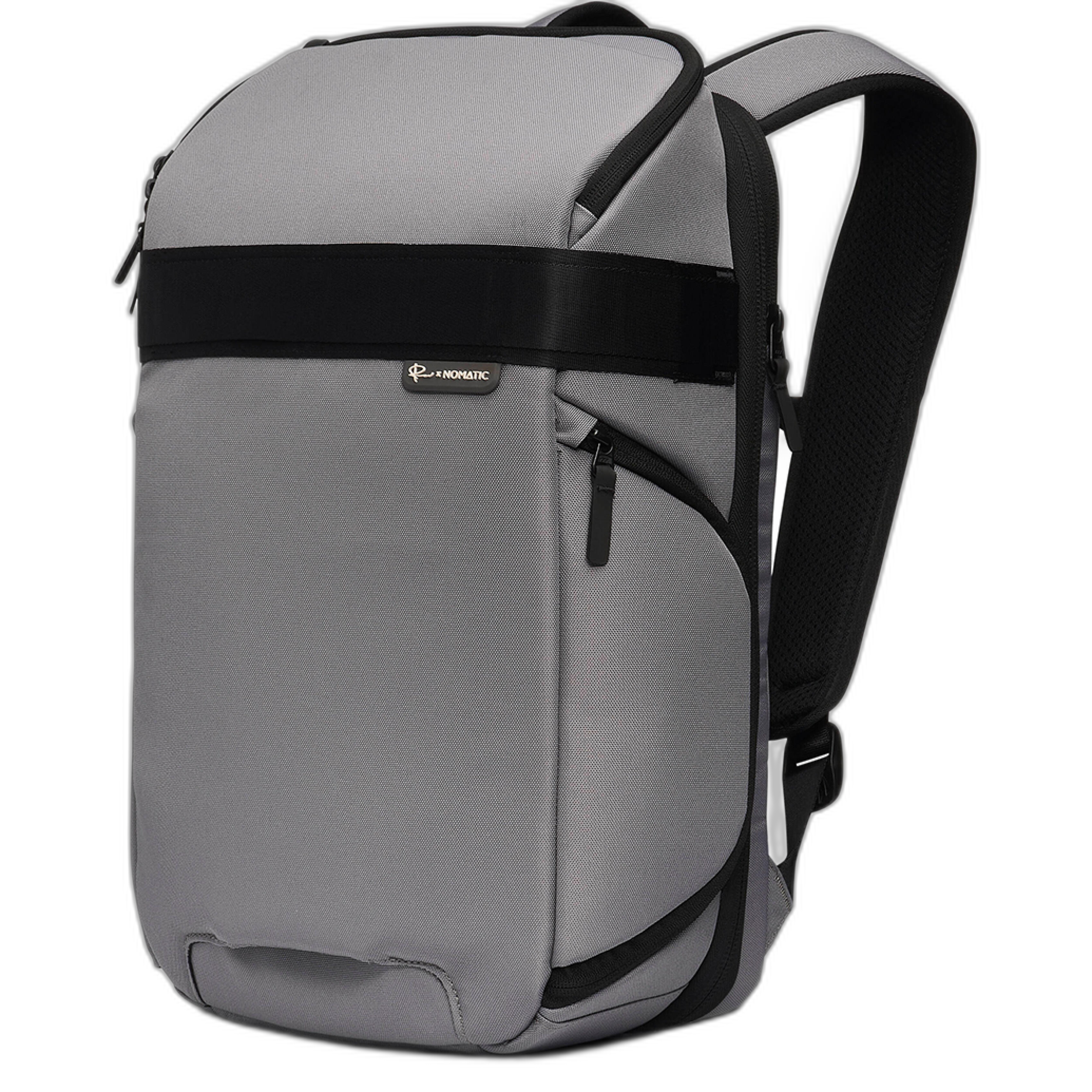
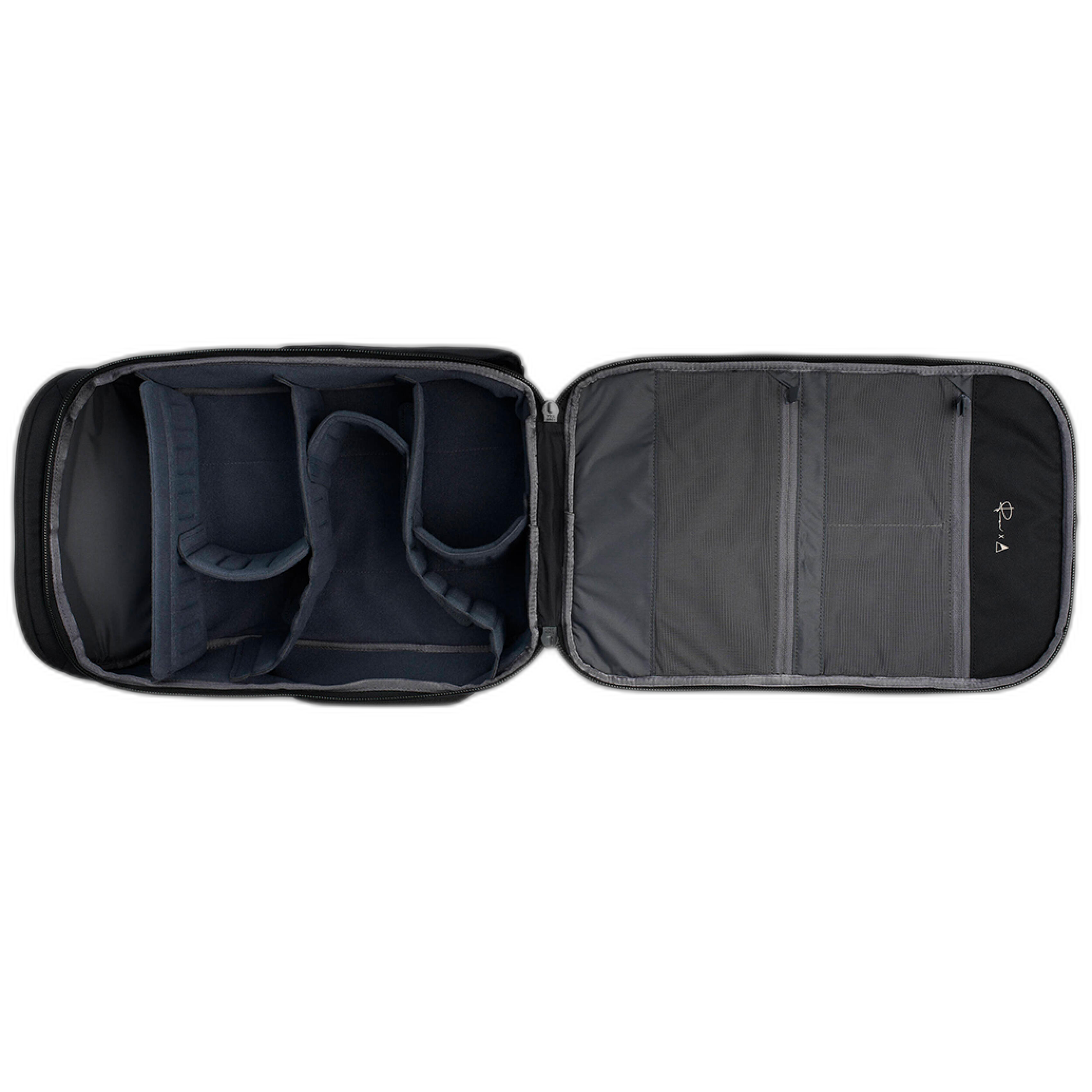
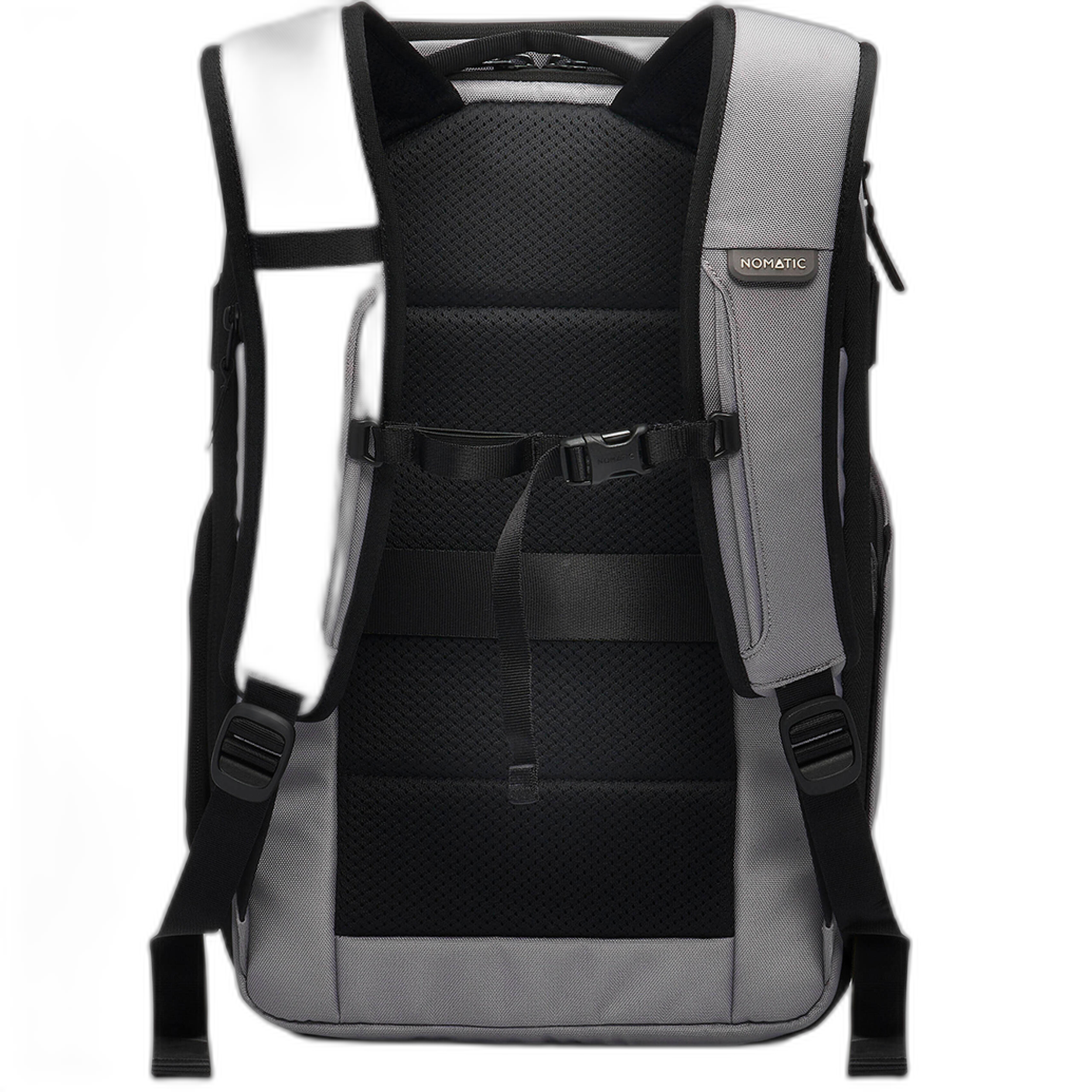
For beginners, it is wise to budget beyond the body. You may also need a bag, a strap, extra power accessories, memory cards, and possibly a warranty. A reliable bag like the Nomatic Luma Camera Pack 18L - Stone can help protect your gear and make it easier to bring a camera everywhere, which is one of the best ways to improve quickly.
Protection plans are also worth considering when you are making a long-term investment. Coverage options like a Nikon Care warranty or even specialized plans such as the RED Extended Warranty - KOMODO-X illustrate how photographers at different levels think about protecting their gear over time.

Used Cameras for Beginners: A Smart Way to Start?
Buying used can be a smart move for beginners who want to maximize value. A pre-owned DSLR system, in particular, can offer a lower-cost entry point with money left over for lenses and accessories. Unique Photo shoppers often explore used equipment when they want to experiment without stretching the budget too far.
That said, beginners should be careful about buying gear that is too niche, too old, or likely to require service. Specialty items and collectible cameras can be exciting, but they are not always the easiest learning tools. For example, cameras like a Used Polaroid SX-70 Alpha 1 or a Used Ermanox Ernemann Camera may be fascinating pieces of photographic history, but they serve a very different purpose than a beginner-friendly digital system.
So, Which Camera System Is Better for Newcomers?
If you want the simplest answer, here it is:
- Choose mirrorless if you want modern autofocus, live exposure preview, a smaller body, and a system with strong future growth.
- Choose DSLR if you value battery life, traditional handling, a clear optical viewfinder, and potentially lower cost of entry.
For most new photographers in today’s market, mirrorless is often the more future-focused choice. But DSLR is still a very valid option, especially for budget-conscious beginners who want a comfortable camera for learning still photography fundamentals.
The better system is the one that feels approachable, encourages you to shoot regularly, and supports the type of photography you actually want to do. At Unique Photo, that is why the best advice is rarely based on specs alone. It is about balancing ease of use, handling, growth potential, and total kit cost.
Final Thoughts on DSLR vs Mirrorless at Unique Photo
The DSLR vs mirrorless debate is not really about one system being universally better. It is about fit. Newcomers should think about what they want to photograph, how often they will carry the camera, whether they prioritize battery life or autofocus intelligence, and how much they want to invest in lenses and accessories over time.
If you are still deciding, Unique Photo is a great place to compare camera systems, explore accessories, and build a setup that makes sense for your goals. In addition to camera bodies and lenses, consider practical additions like bags, straps, power accessories, and warranty coverage to round out your first kit.
For internal linking opportunities, this article pairs well with guides on beginner camera buying advice, best lenses for new photographers, used camera gear buying tips, and camera bags and accessories for travel.