Sony Prime vs Zoom Lenses: Which Type Really Comes Out Ahead?
Lens comparison tools can be incredibly useful, but they rarely tell the whole story by themselves. When photographers compare Sony primes and zooms, the real question is not just which lens is technically sharper on a chart, but which one delivers the best results for the way you actually shoot.
At Unique Photo, we recommend looking at optical performance, focal length needs, handling, autofocus behavior, and your subject matter together. A modern Sony zoom can be outstanding, while a prime may still be the better choice when maximum speed, size, or subject separation matter most.
Do primes consistently outperform zooms in lens comparison tools?
Primes often hold an advantage in pure optical efficiency because they are designed around a single focal length. That can translate into excellent sharpness, strong contrast, lower distortion, and wider apertures. In many side-by-side comparisons, primes do look better on paper, especially at wide apertures and toward the edges of the frame.
That said, the gap is not always dramatic with modern Sony glass. Today’s premium zooms are far better than many photographers expect, and in practical use the difference may be small enough that composition flexibility matters more. If you are shooting travel, events, interiors, or landscapes where changing lenses is inconvenient, a strong zoom can easily be the smarter choice.
Are there any Sony zooms that surprise photographers with their performance?
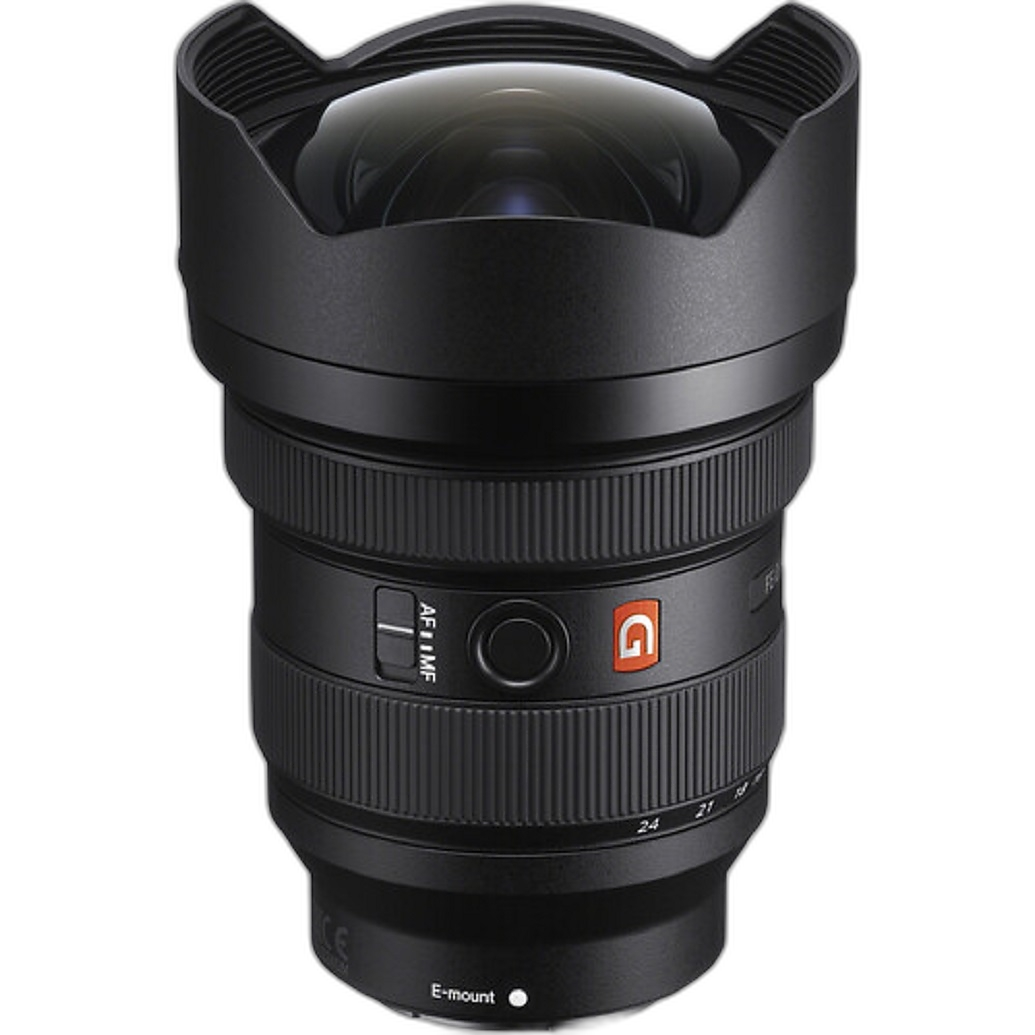
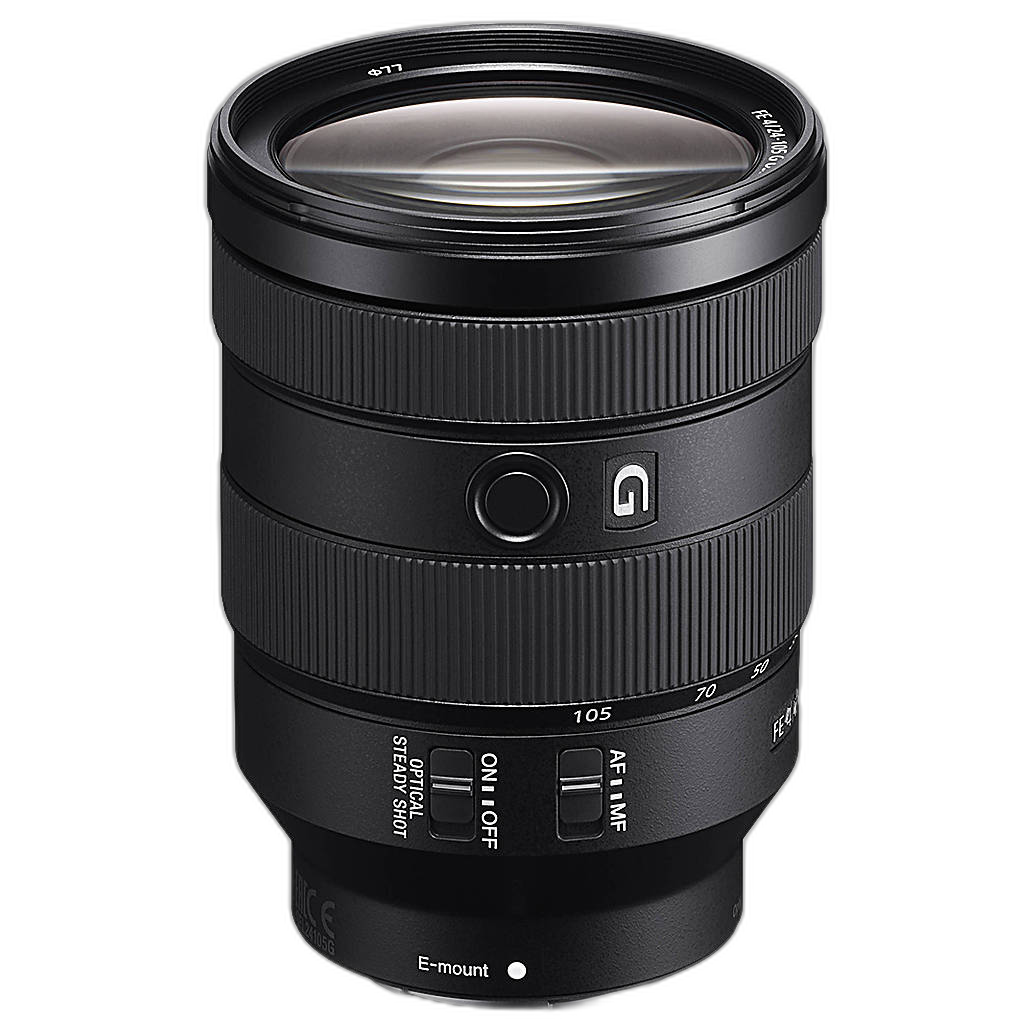
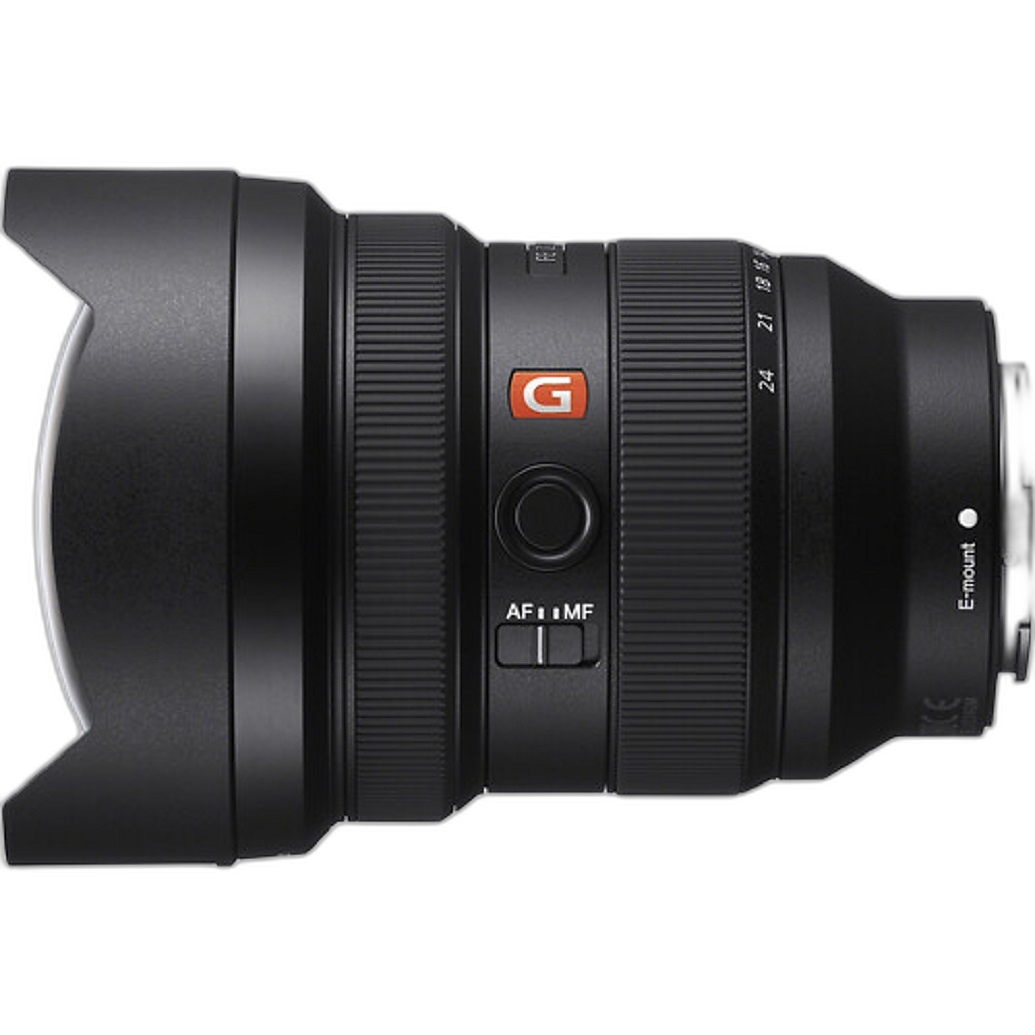
Absolutely. Two standout examples are the Sony FE 12-24mm f/2.8 GM and the Sony FE 24-105mm f/4 G OSS. Both are lenses that regularly impress photographers because they combine broad versatility with image quality that is strong enough for demanding still and video work.
The 12-24mm f/2.8 GM is especially notable because ultra-wide zooms are often expected to involve compromises. Instead, this lens is a serious option for architecture, landscape, interior, and nightscape shooters who want speed and strong optical performance in one package.
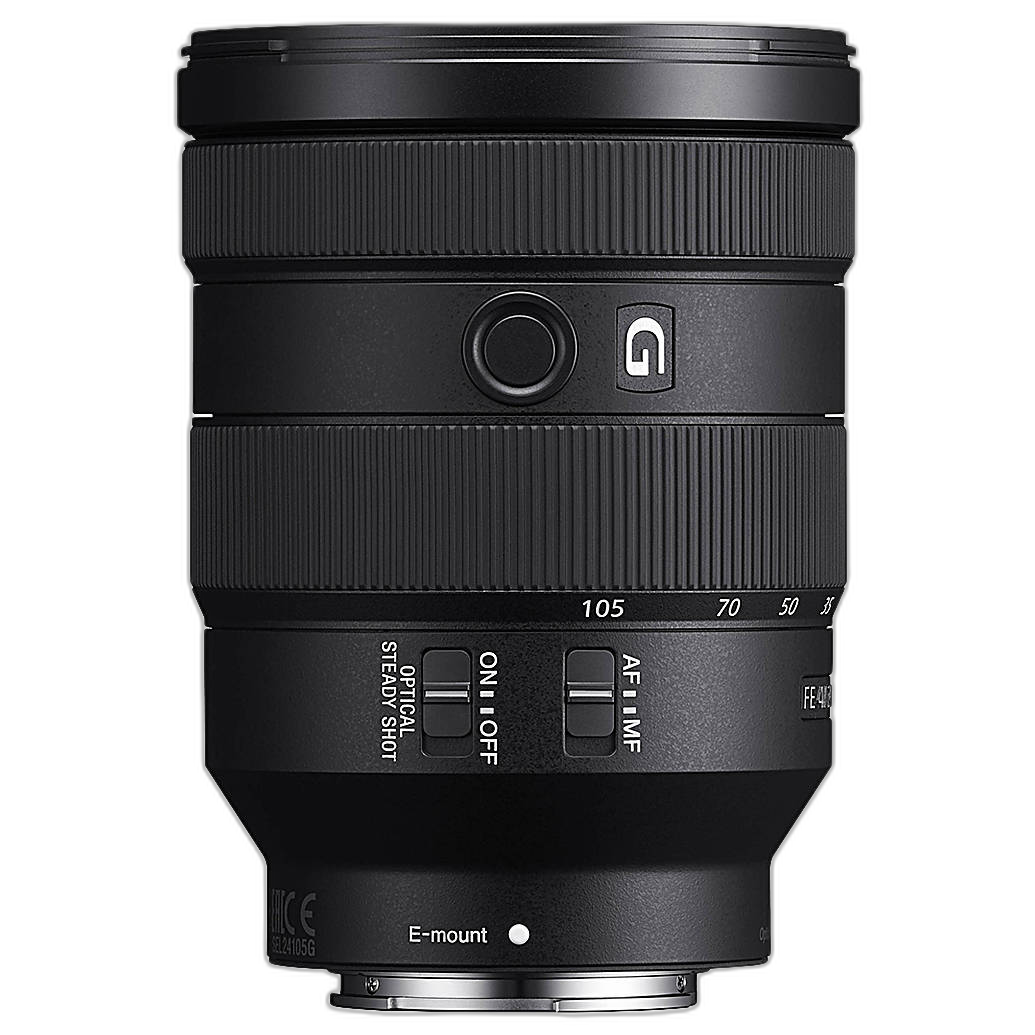
The 24-105mm f/4 G OSS is another lens that often exceeds expectations. It covers a highly practical range, making it one of the most useful everyday Sony full-frame lenses for travel, documentary work, portraits, and general content creation. If you want one lens that can handle a wide variety of assignments, this is a compelling choice.
When is a prime still the better choice, even if a zoom tests well?
A prime is still the better fit when you need a wider maximum aperture, lower-light capability, shallower depth of field, or a smaller and more focused shooting experience. Portrait photographers, street shooters, and creators who like a disciplined composition style often prefer primes because they encourage intentional framing and can deliver a distinctive rendering that goes beyond sharpness charts.
Even if a zoom produces excellent technical results, a prime may still feel more natural for your workflow. For example, if your goal is subject isolation or you frequently shoot in dim interiors, the wider aperture advantage of a prime can matter more than a slight convenience edge from a zoom.
How important are beta comparison results when choosing a lens?
Beta comparison tools are best treated as one piece of the decision-making process. They can help identify trends in sharpness, distortion, vignetting, and corner performance, but they do not always reflect autofocus consistency, flare resistance, handling, stabilization behavior, weather sealing confidence, or how a lens feels over a long day of shooting.
At Unique Photo, we suggest using comparison data to narrow your shortlist, then validating that information with field reviews, sample images, and your own use case. A lens that ranks slightly lower in a lab may still be the best option if it offers the focal range, weight, and reliability you need.
Should I trust test data or user reviews more?
The best approach is to use both, but not equally in every situation. Test data is valuable when you want objective information about image quality characteristics. User reviews become more useful when you need insight into real-world strengths such as comfort, durability, autofocus tracking, or how often the lens stays on the camera.
If you shoot landscapes on a tripod, technical test results may carry more weight because edge-to-edge sharpness and distortion control are especially important. If you shoot travel or family moments, user experience may matter more because speed, convenience, and versatility often influence your keeper rate more than small chart differences.
Which Sony lens type is better for portraits, landscapes, and travel?
For portraits, primes often have the advantage because faster apertures help create stronger background blur and subject separation. That said, a zoom with a useful telephoto end can still be excellent for portrait work, especially when flexibility is important.
For landscapes, either type can work beautifully. A high-performing ultra-wide zoom like the Sony FE 12-24mm f/2.8 GM is ideal when you want to fine-tune framing quickly in changing conditions. It is especially appealing for dramatic foregrounds, expansive scenes, and architectural compositions.
For travel, zooms often win because they reduce lens changes and cover more situations in one compact setup. The Sony FE 24-105mm f/4 G OSS is a particularly strong travel lens thanks to its broad range and practical stabilization support, making it a favorite for photographers who want to pack light without sacrificing capability.
Is a high-end zoom a better value than buying multiple primes?
For many photographers, yes. A quality zoom can replace several focal lengths at once, simplify your kit, and keep you ready for changing scenes. If you are building a Sony system and want immediate flexibility, investing in one excellent zoom can be more practical than assembling several primes right away.
However, value depends on your priorities. If you repeatedly shoot at one or two focal lengths and care deeply about speed or compactness, primes may still offer the better return. The key is to buy for your most common shooting style, not just the best-case scenario on a test chart.
Do zoom lenses limit image quality enough to matter for professional work?
In many cases, no. Modern Sony zooms are fully capable of professional results for weddings, editorial, commercial work, landscapes, and video production. The question is less about whether a zoom is "good enough" and more about whether its specific strengths match your assignment.
For example, the Sony FE 12-24mm f/2.8 GM is a professional-grade ultra-wide option that can absolutely hold its own in demanding environments. Likewise, the Sony FE 24-105mm f/4 G OSS remains a strong professional and enthusiast choice when versatility is essential.
What is the smartest way to choose between a Sony prime and zoom right now?
Start by listing your three most common subjects. Then think about your preferred shooting distance, lighting conditions, and how often you change lenses. If you want one lens that can cover a broad range of situations, a zoom like the Sony FE 24-105mm f/4 G OSS is one of the most sensible starting points in the Sony full-frame system. If your work leans heavily toward expansive scenes, interiors, or dramatic wide-angle compositions, the Sony FE 12-24mm f/2.8 GM is a premium option worth serious consideration.
The smartest purchase is the one that helps you make more images with less friction. Comparison tools can help, but your real-world needs should always decide the winner.
If you are weighing Sony primes versus zooms and want expert guidance, Unique Photo can help you compare the options that best fit your style, budget, and camera body. Explore our Sony lens selection and find the right fit for portraits, landscapes, travel, and everything in between.