If you're shopping for a new camera or lens setup, knowing how to evaluate lens performance can make a huge difference. This guide is for beginners building their first kit, enthusiasts comparing bundled zooms, and even film shooters curious about creative multi-lens designs. Rather than getting lost in jargon, we'll focus on the real-world factors that matter most when reviewing lenses: sharpness, focal range, low-light usability, autofocus behavior, distortion, close-focus ability, and how a lens fits your shooting style.
To make these best practices more practical, we've used a few camera kits and a creative film option from Unique Photo as examples of the kinds of lens setups shoppers often compare.
What to Focus On When Reviewing a Lens
A good lens review should go beyond specifications. Here are the most important areas to evaluate:
- Sharpness: Check center sharpness and edge sharpness at different focal lengths and apertures.
- Focal Length Versatility: Ask whether the lens covers wide, standard, or telephoto needs for your style of shooting.
- Maximum Aperture: A wider aperture can improve low-light performance and depth-of-field control.
- Autofocus Performance: For mirrorless systems, focus speed, accuracy, and subject tracking can be as important as pure image quality.
- Distortion and Aberrations: Look for barrel distortion, pincushion distortion, chromatic aberration, and flare handling.
- Handling and Size: A lens that balances well on your camera is often used more often.
- Close-Focus and Magnification: Important for detail shots, products, food, and casual macro-style work.
- System Value: Sometimes the best review isn't just about one lens, but about how a pair of lenses works together in a kit.
How to Test a Lens in the Real World
The best lens reviews combine controlled testing with practical shooting. Try reviewing a lens this way:
- Photograph the same subject at multiple apertures.
- Test wide, mid, and telephoto positions on zoom lenses.
- Shoot outdoors for contrast and flare performance.
- Capture portraits to evaluate background blur and subject separation.
- Try moving subjects if autofocus matters to you.
- Review images at full size for detail, corner quality, and color fringing.
This process helps you determine whether a lens performs well on paper and in everyday use.
Recommended Setups to Consider
Canon EOS R50 Mirrorless Camera (Black) with RF-S 18-45mm and 55-210mm Lenses
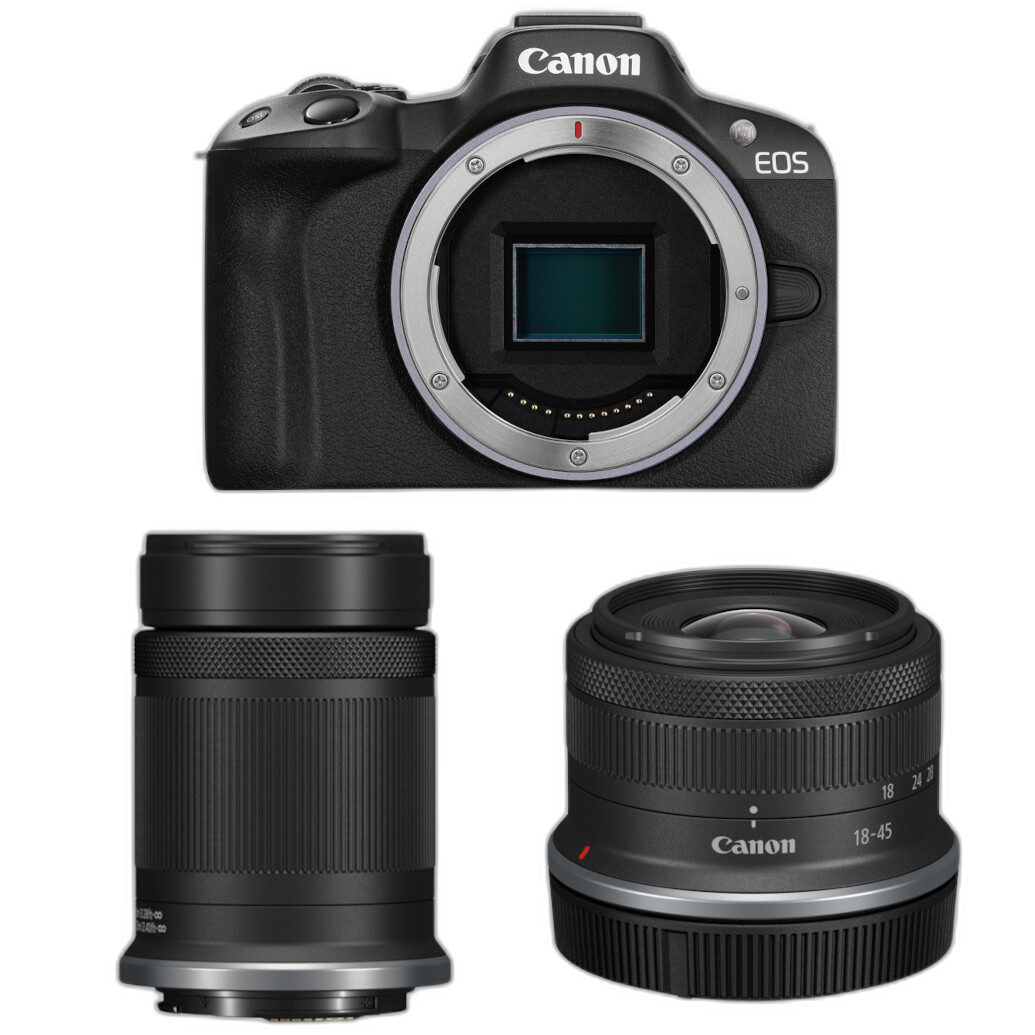
This kit is a great example of why lens reviews should consider system flexibility, not just a single optic in isolation. With a compact standard zoom and a telephoto zoom included, you can evaluate how each lens handles a different role.
- What to focus on in review: Compare sharpness at the wide end of the 18-45mm versus the reach and compression of the 55-210mm.
- Why it stands out: This kind of two-lens setup gives beginners a broad shooting range for travel, portraits, family events, and wildlife at a distance.
- Best for: New mirrorless users who want to learn how focal length changes perspective and composition.
Our Pick: If you want a practical way to learn lens reviewing basics, this is the strongest all-around example because it lets you compare wide-to-standard and telephoto performance in one kit.
Canon EOS R100 Mirrorless Camera with RF-S 18-45mm and RF-S55-210mm Lenses
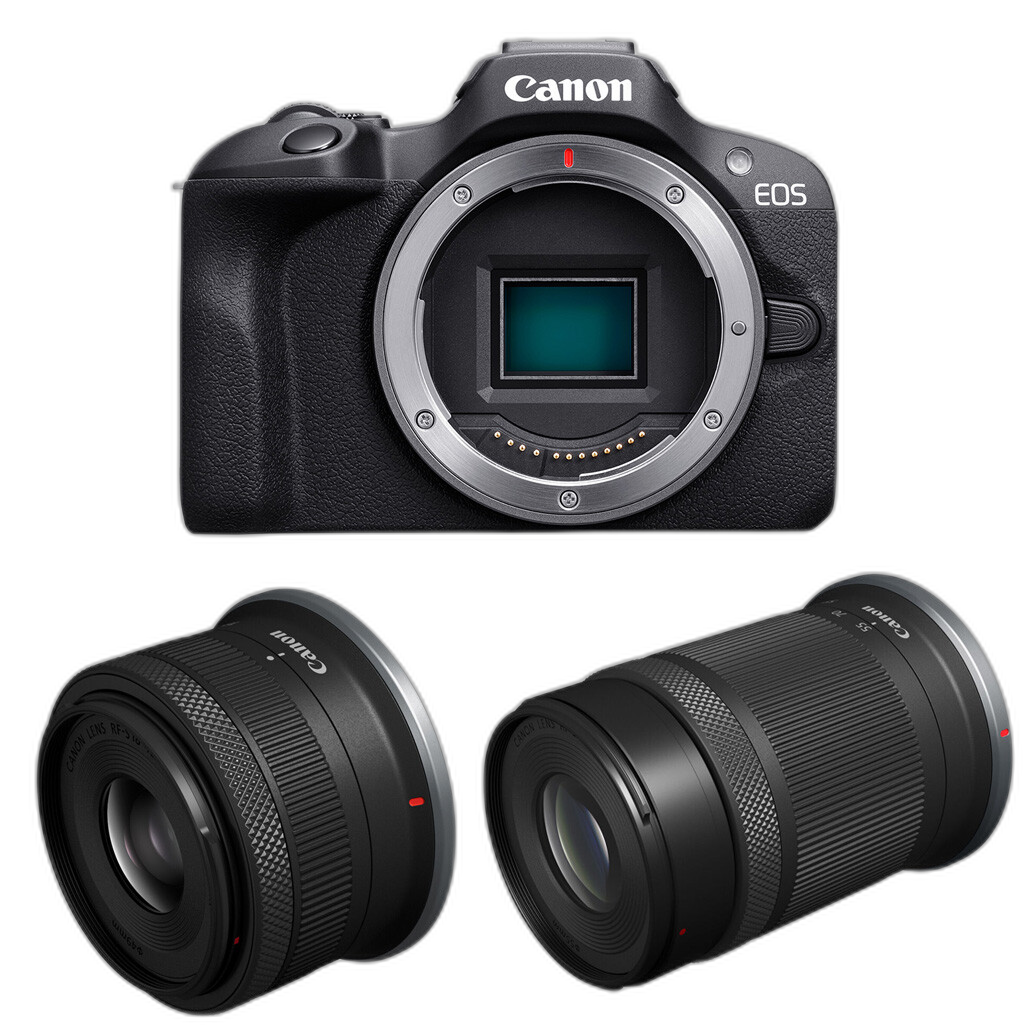
The EOS R100 two-lens kit is another smart option for shoppers learning what lens reviews should prioritize. It offers a similar focal-length spread, making it useful for testing the value of a standard zoom plus telephoto combination.
- What to focus on in review: Look at how the kit handles casual portraits, outdoor sports, and travel scenes. Reviewers should pay close attention to image consistency across both zooms.
- Why it stands out: It demonstrates how entry-level mirrorless kits can still cover a lot of real-world shooting needs.
- Best for: Budget-conscious photographers who want a broad focal range and a straightforward path into lens evaluation.
Reto 3D Film camera with three lenses and built-in flash
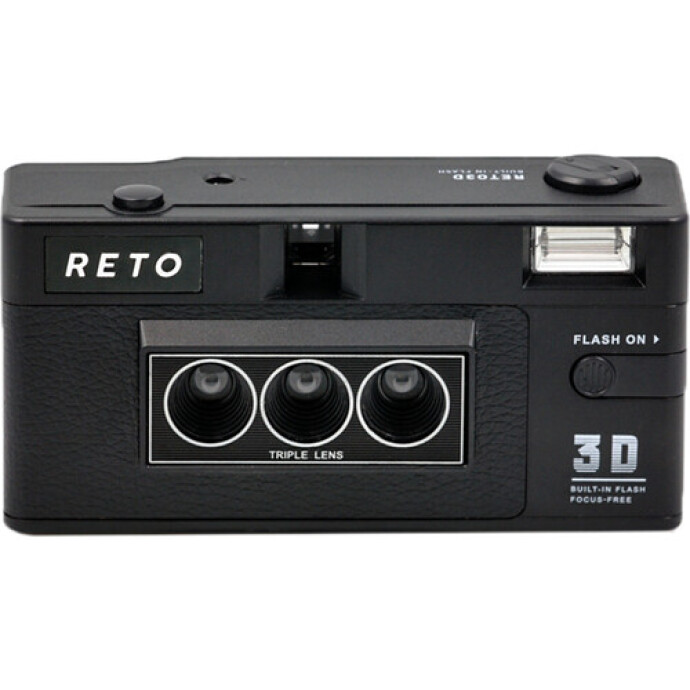
Not every lens review has to be about maximum sharpness. The Reto 3D Film camera is a reminder that sometimes the question is what kind of visual experience a lens design creates. With a three-lens layout, this camera offers a different way to think about lens performance: depth, novelty, and analog character.
- What to focus on in review: Evaluate the creative effect, consistency between lenses, and how the built-in flash supports casual film shooting.
- Why it stands out: It shifts the review conversation from technical perfection to artistic output.
- Best for: Film shooters and experimental photographers who care about look and experience as much as precision.
Comparison Table
| Product | Lens Setup | Best Review Focus | Ideal User |
|---|---|---|---|
| Canon EOS R50 Kit | RF-S 18-45mm + 55-210mm | Sharpness, versatility, zoom range, real-world learning | Beginner to enthusiast |
| Canon EOS R100 Kit | RF-S 18-45mm + RF-S55-210mm | Value, focal range coverage, consistency across two lenses | Entry-level buyer |
| Reto 3D Film Camera | Three-lens creative film design | Creative rendering, analog character, novelty | Film and experimental shooter |
Best Practices for Comparing Lens Kits
When comparing kits, keep these best practices in mind:
- Review the range, not just the camera body. A modest body with useful lenses can be a smarter purchase than a better body with limited coverage.
- Think in shooting scenarios. Landscapes, portraits, sports, travel, and street photography all reveal different lens strengths.
- Judge convenience honestly. If a two-lens kit reduces the need for extra purchases, that matters.
- Don't ignore creative intent. Clinical sharpness is important, but some photographers value character more.
Conclusion
The best lens reviews focus on more than specs. Sharpness, focal length usefulness, autofocus, distortion control, handling, and overall shooting experience should all be part of the conversation. For most shoppers, a flexible two-lens mirrorless kit offers the easiest and most practical way to understand lens performance in the real world.
If you're looking for the most useful starting point, the Canon EOS R50 Mirrorless Camera with RF-S 18-45mm and 55-210mm lenses is our top recommendation here for learning, testing, and growing into different types of photography. For more camera and lens options, shop with Unique Photo to compare kits that match your shooting goals.