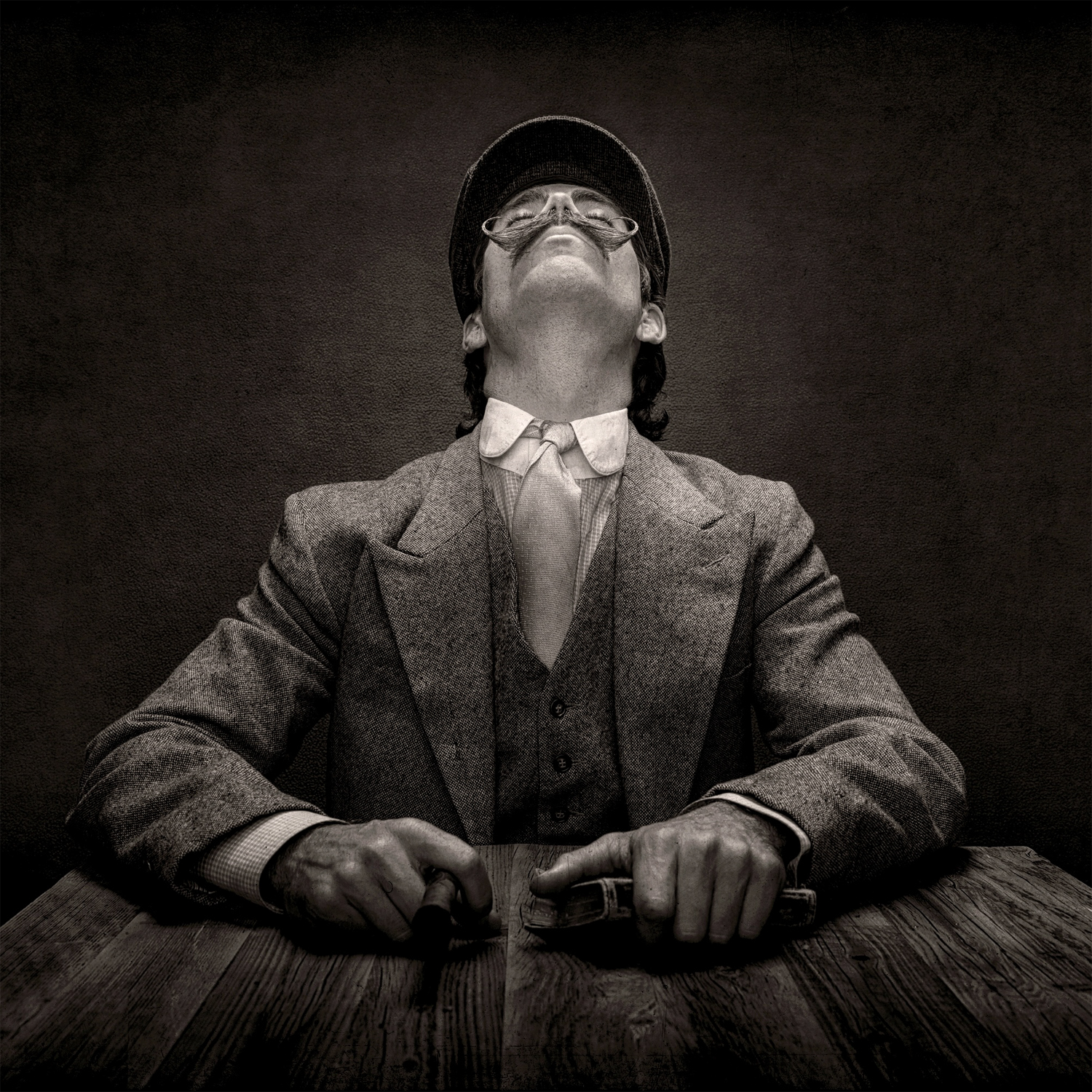
Low light photography can be incredibly rewarding, but it also pushes your camera skills and gear choices harder than almost any other scenario. Whether you're photographing indoor portraits, live events, city streets at dusk, or cinematic video in dim environments, the right technique matters just as much as the right accessories. This guide is for photographers and content creators who want cleaner files, better color, steadier shots, and more confidence when the light drops.
Below, we’ll cover practical low light shooting tips and highlight a few useful products that can improve your results—especially if you want to shape light instead of just fighting darkness.
Best Practices for Low Light Shooting
Before adding gear, it helps to master the fundamentals. These best practices will improve your hit rate in almost any low light scenario:
- Use the widest practical aperture: A wider aperture lets in more light, helping keep ISO lower and shutter speeds faster.
- Watch shutter speed carefully: For handheld photography, use a shutter speed fast enough to avoid camera shake and subject movement. If your subject is moving, prioritize shutter speed over everything else.
- Raise ISO strategically: Modern cameras handle higher ISO better than ever, but it’s still smart to increase ISO only as much as needed.
- Shoot RAW: RAW files give you much more flexibility for recovering shadows, correcting white balance, and reducing noise in post.
- Stabilize your setup: Even a more secure camera rig or support setup can help reduce motion and improve consistency.
- Add light when possible: In very dark scenes, controlled continuous lighting often produces better results than simply pushing camera settings to the limit.
- Pay attention to color temperature: Mixed lighting can create ugly skin tones and inconsistent results. A controllable light source helps solve that.
Why the Right Gear Matters in Low Light
Low light isn’t just about brightness—it’s about control. The best accessories for low light shooting help you do one or more of the following: add usable light, stabilize your camera, create a more flattering look, or improve your workflow after capture. If you're building a kit for night photography, event work, portraits, or video, these recommendations can make a noticeable difference.
Recommended Products for Low Light Shooting
Godox Litemons LA300R RGB LED Light 3-Light Kit with Case
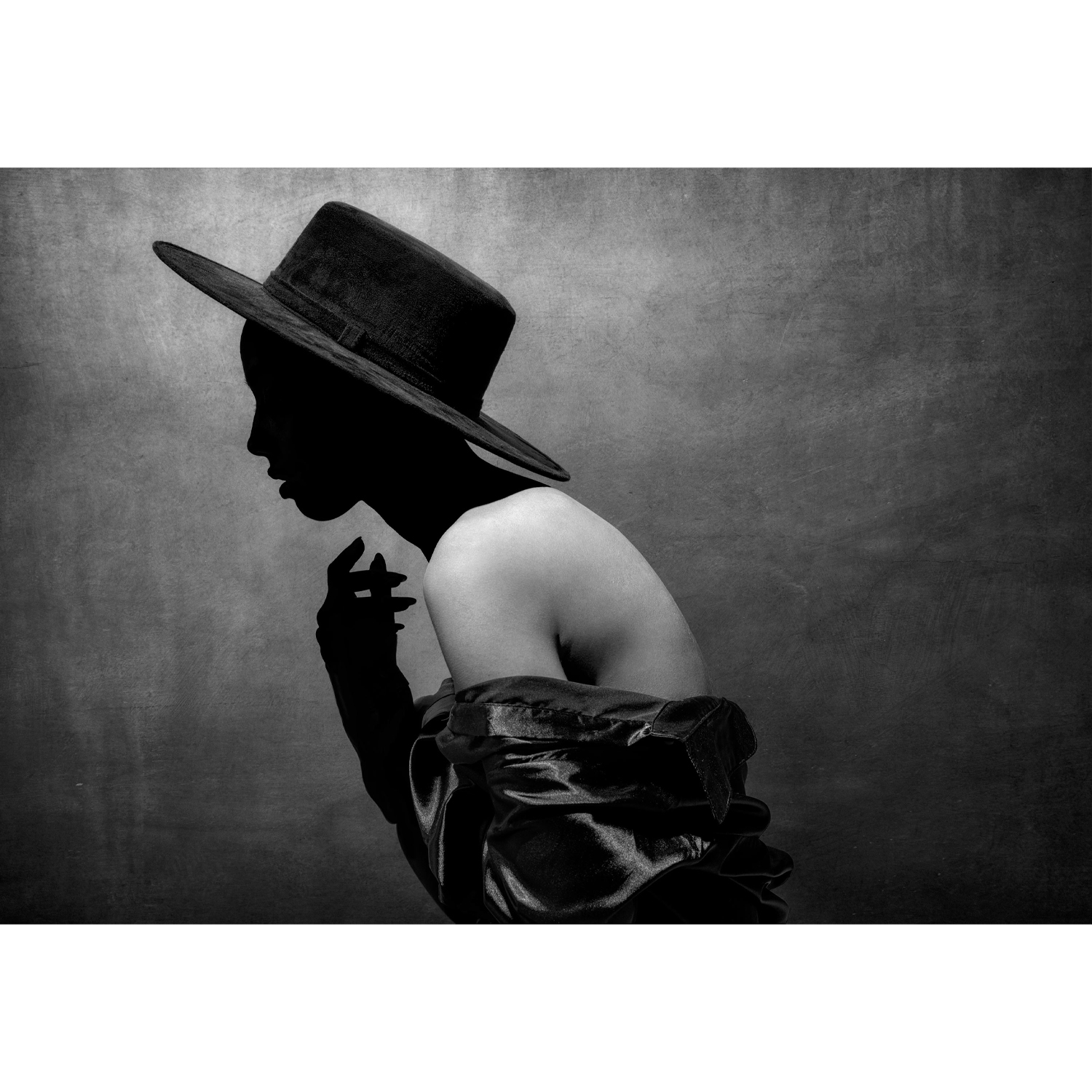
If you regularly shoot in dim spaces, adding light is often the best upgrade you can make. A capable continuous lighting kit gives you control over brightness, direction, and color—three things that ambient low light usually lacks. A 3-light kit is especially useful for portraits, interviews, small product work, and creator setups where consistency matters.
Why it’s useful for low light shooting:
- Lets you create your own lighting instead of relying on noisy high ISO files
- Useful for portraits, video, and indoor scenes where available light is weak or uneven
- RGB capability can help match ambient tones or create stylized low light looks
- A 3-light configuration gives you flexibility for key, fill, and background lighting
Best for: portrait photographers, video creators, interview shooters, and anyone who wants to take control of difficult lighting environments.
Our Pick: If low light is a regular part of your workflow, this is the most impactful type of tool in this guide because it helps solve the problem at the source.
Tiffen 82mm Soft Glow 4 Filter
Low light images can sometimes look technically sharp but visually harsh, especially when practical lights, reflections, and skin highlights become prominent. A diffusion-style filter can help soften contrast slightly and give highlights a more pleasing character.
Why it’s useful for low light shooting:
- Can create a gentler, more atmospheric look in portrait and cinematic scenes
- Helps tame the clinical look of some modern lenses and sensors
- Useful when shooting practical lights in-frame for a more stylized glow
Best for: portraiture, video, and moody night scenes where you want a softer, more polished rendering.
Tiffen 77mm Golden Glow 2 Filter
For photographers chasing warmth and mood in low light, a creative filter can add character without requiring major editing later. This can be especially appealing for portraits, nightlife, and atmospheric scenes with warm practical lighting.
Why it’s useful for low light shooting:
- Adds warmth and glow that can complement lamps, candles, and evening scenes
- Can make skin tones feel more inviting in dim portrait settings
- Useful for a more stylized look straight out of camera
Best for: creative portrait shooters and filmmakers who want a warmer low light aesthetic.
Tilta 10 Lightweight Dovetail Plate (Black)
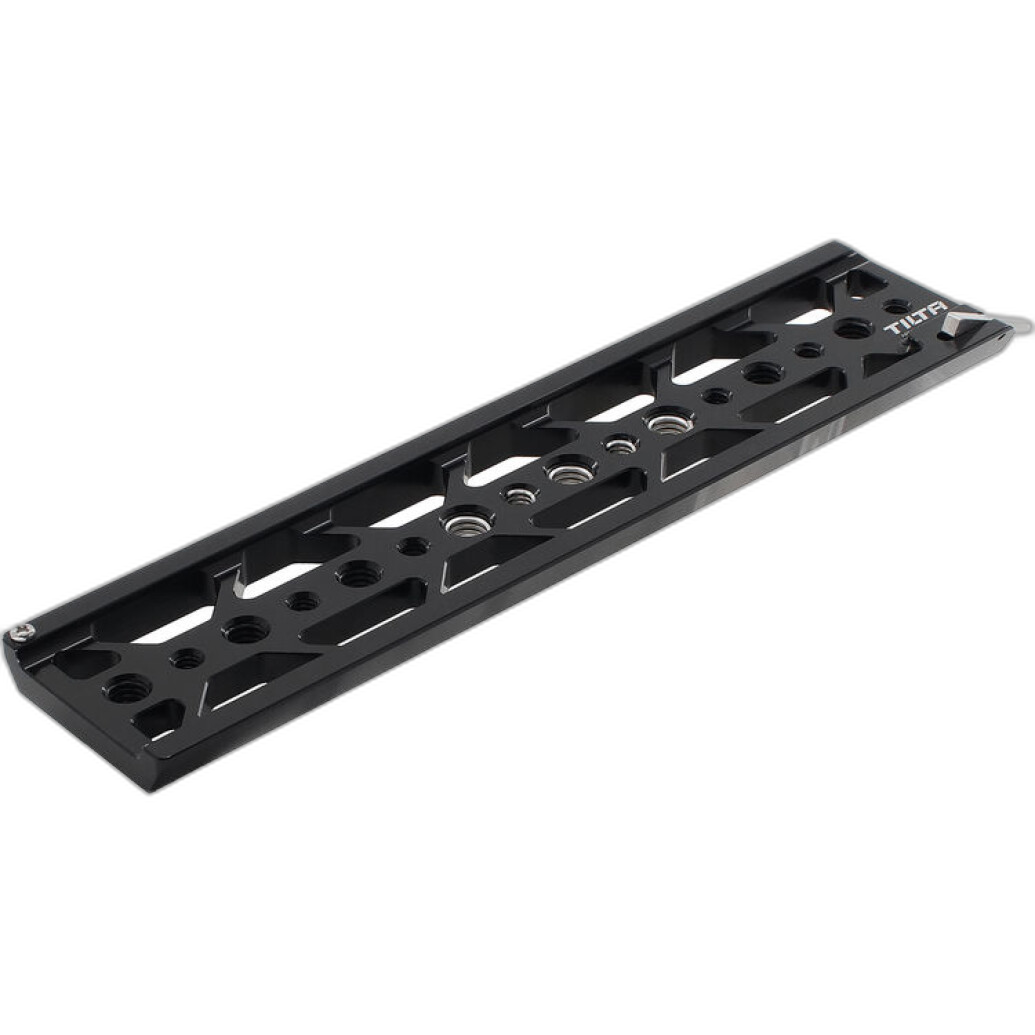
Stability becomes more important as light levels drop. While this accessory is geared toward rig building, it can be a practical addition for shooters using cages, support systems, or more elaborate video setups in low light.
Why it’s useful for low light shooting:
- Helps support more stable camera configurations
- Useful for video shooters running low light rigs with monitors, batteries, or follow focus systems
- A more secure setup can improve consistency during slower shutter or controlled movement shots
Best for: hybrid shooters and filmmakers building a steadier low light camera rig.
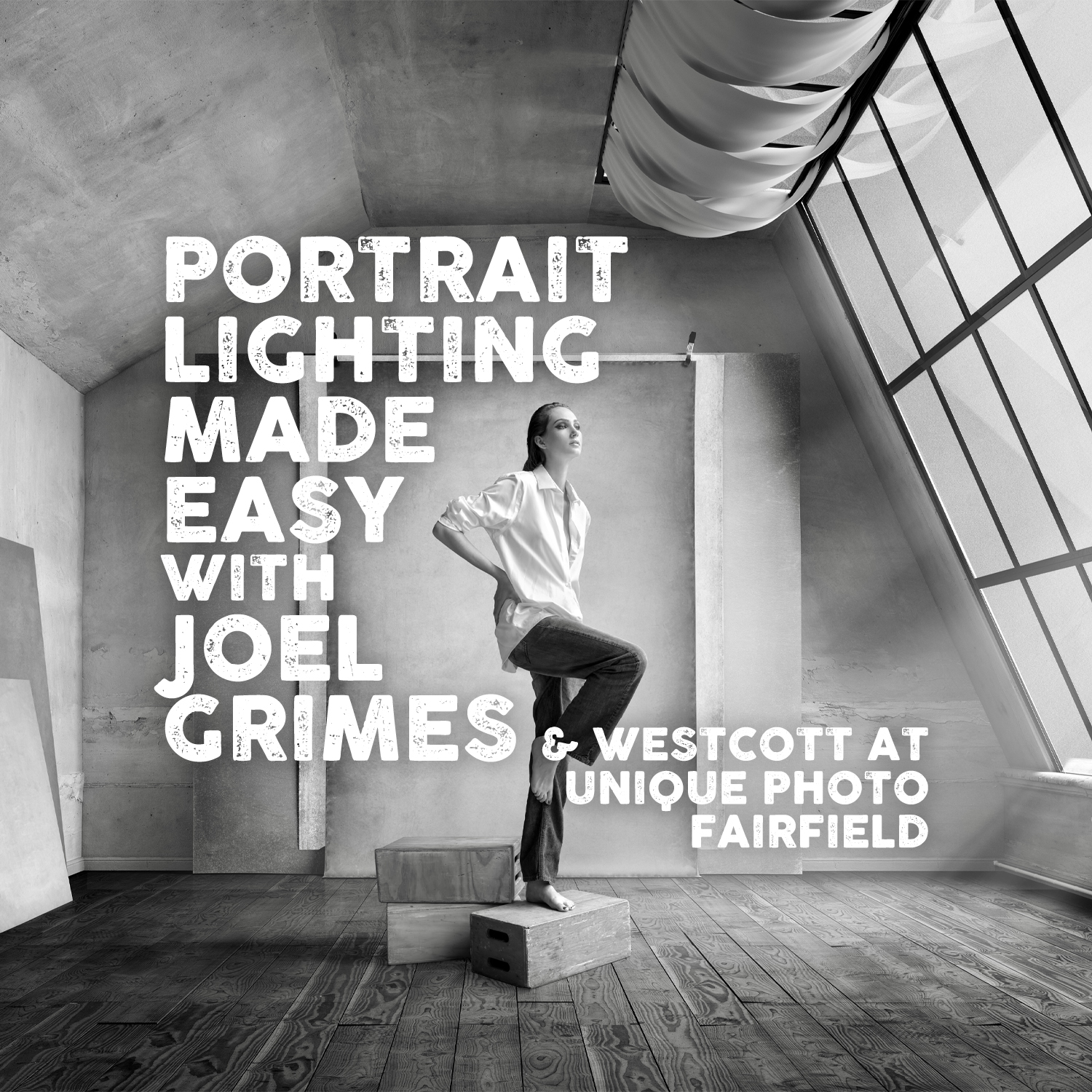
Portrait Lighting Made Easy with Joel Grimes (Westcott)
Sometimes the best low light investment is education. If your goal is to create better portraits in dim environments, learning how to shape light effectively is every bit as important as buying hardware.
Why it’s useful for low light shooting:
- Helps you understand how to build flattering light in darker environments
- Especially valuable for portrait shooters who want more polished, intentional results
- Can improve your use of continuous lights, modifiers, and ambient light balance
Best for: photographers who want to improve technique, not just gear.
Comparison Table
| Product | Best Use | How It Helps in Low Light | Ideal User |
|---|---|---|---|
| Godox Litemons LA300R RGB LED Light 3-Light Kit with Case | Portraits, video, interviews, studio-style setups | Adds controllable light, improves color, reduces need for extreme ISO | Creators who want maximum control |
| Tiffen 82mm Soft Glow 4 Filter | Portraits, cinematic scenes | Softens highlights and adds atmosphere | Photographers seeking a polished, dreamy look |
| Tiffen 77mm Golden Glow 2 Filter | Warm portraits, nightlife, stylized video | Adds warmth and glow in dim scenes | Creative shooters who want mood |
| Tilta 10 Lightweight Dovetail Plate (Black) | Rigged video and hybrid setups | Supports a more stable camera build | Filmmakers and advanced hybrid users |
| Portrait Lighting Made Easy with Joel Grimes (Westcott) | Lighting education | Improves your understanding of shaping light in dark conditions | Photographers building lighting skills |
How to Choose the Right Low Light Solution
If you mostly shoot portraits or video indoors, a continuous lighting kit will usually deliver the biggest improvement. If you already have enough light but want a more cinematic or flattering look, a diffusion or glow filter may be the right creative tool. And if you work with cages or support systems, a rig accessory that improves stability can make low light shooting easier and more repeatable.
For beginners, one of the smartest paths is to combine education plus lighting: learn how to shape light, then use a reliable kit to put those ideas into practice.
Conclusion
The best low light results come from balancing technique, stability, and smart gear choices. If you want the single most effective upgrade, adding controllable continuous lighting is the best move for most photographers and creators. For those refining style, Tiffen glow filters offer a creative way to shape the mood of a dim scene, while support accessories and educational resources round out a stronger workflow.
If you're ready to improve your low light photography, Unique Photo is a great place to explore tools, learning resources, and accessories that help you shoot with more confidence when the light gets challenging.