Choosing a portrait lens can feel harder than it should be. The truth is, there is no single “best” focal length for every face, location, or shooting style. An 85mm is loved for flattering compression, a 50mm feels natural and flexible, and a zoom can cover multiple portrait looks without making you move constantly. The right choice depends on how you like to work, how much room you have, and the kind of portraits you want to create.
If you are deciding between an 85mm, a 50mm, and a zoom for portraits, these tips will help you narrow it down and choose with confidence.
1. Start With the Look You Want
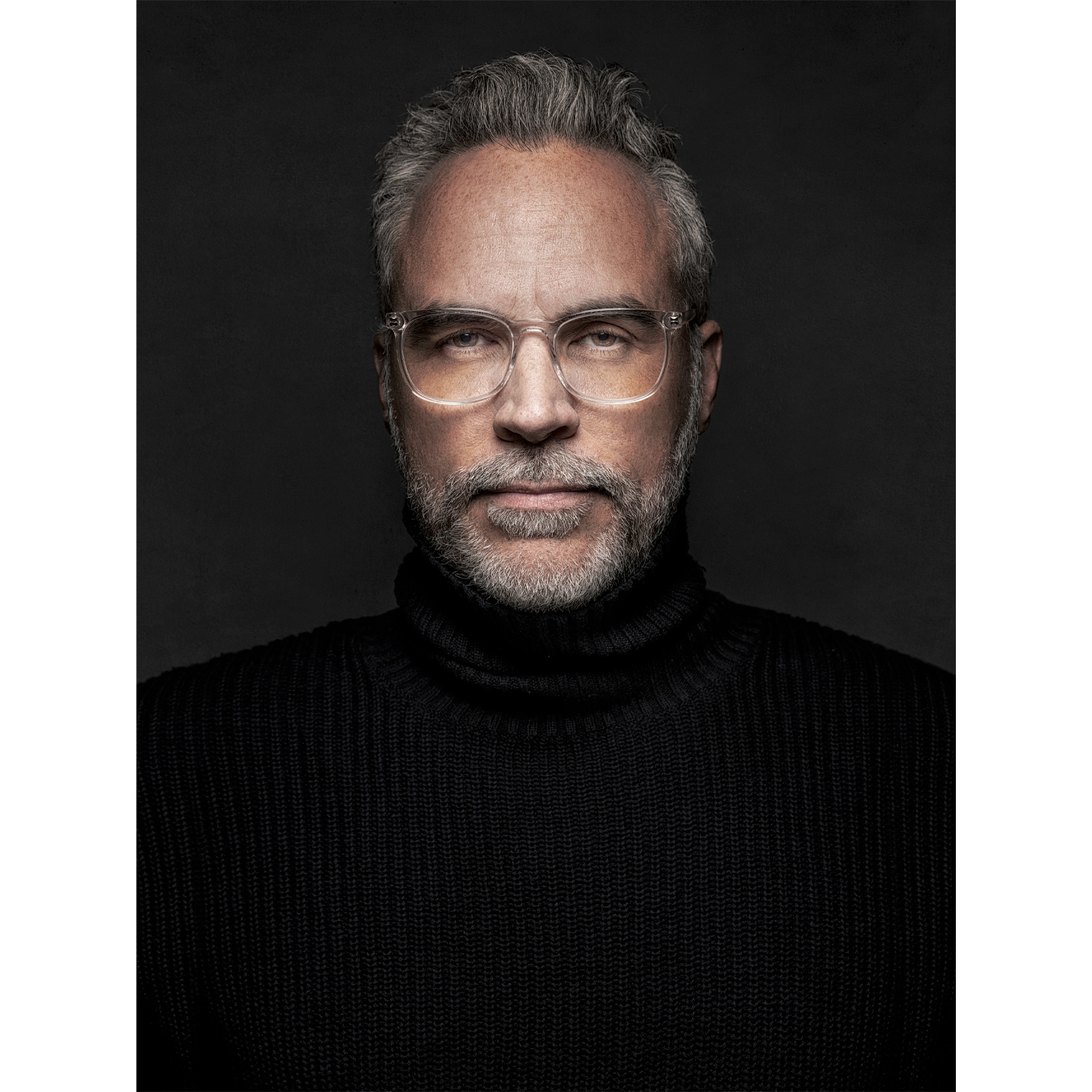
Think about background blur, perspective, and framing
The easiest way to choose is to decide what kind of portrait look you prefer:
- 85mm: Great for classic headshots and tighter portraits. It gives you flattering facial proportions and nice subject separation.
- 50mm: A more natural, everyday perspective that works well for half-body, full-body, and environmental portraits.
- Zoom: Ideal if you want to switch quickly between wider and tighter portraits without changing lenses.
If your goal is that traditional portrait rendering with softer-looking background compression, 85mm-style framing is often the favorite. If you want one focal length that can handle portraits, casual family photos, and general photography, 50mm is usually the easier starting point.
2. Consider How Much Space You Usually Have
Your shooting distance matters more than many beginners expect
An 85mm lens shines when you have room to back up. In a studio, park, or larger indoor space, it is excellent for headshots and upper-body portraits. But in a small room, it can feel restrictive.
A 50mm is often easier indoors because you do not need as much distance between you and your subject. That makes it practical for home portraits, small studios, and tighter event spaces.
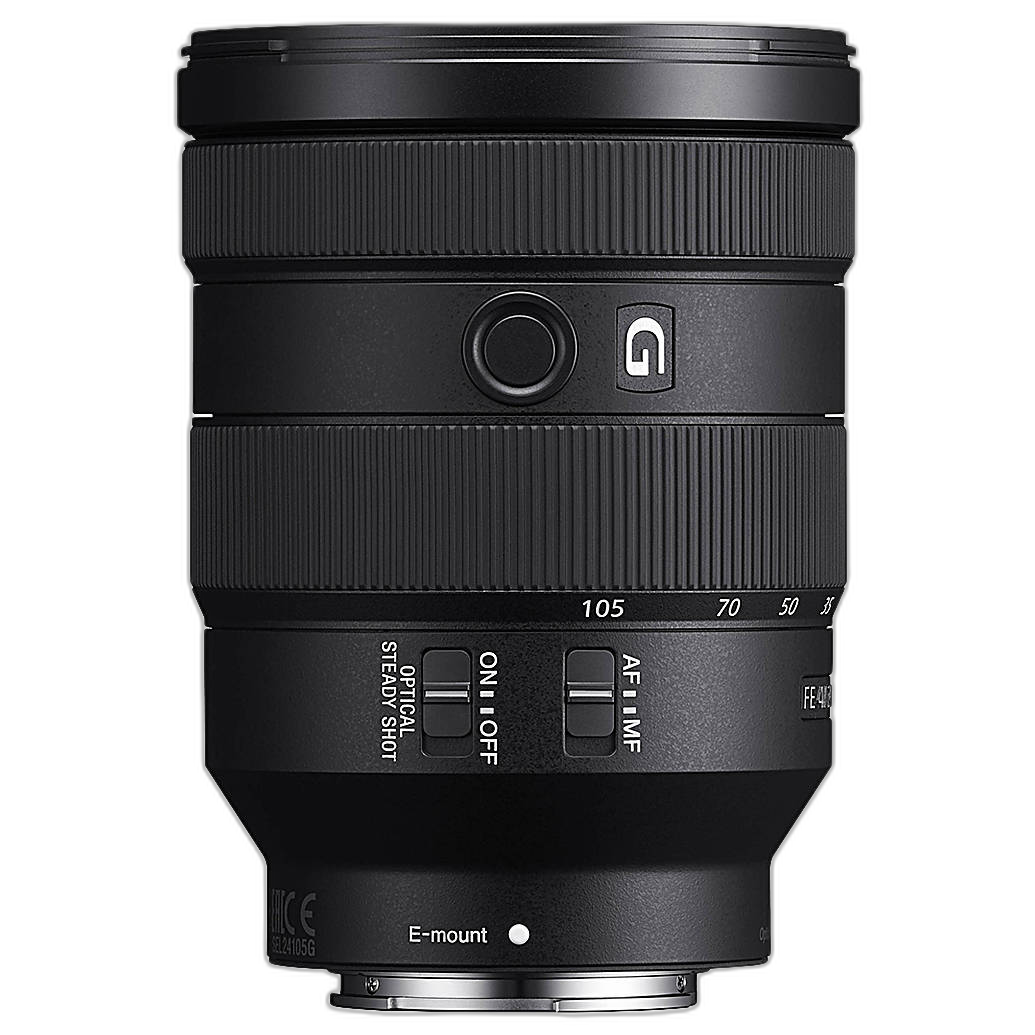
If your locations change constantly, a zoom like the Sony FE 24-105mm f/4 G OSS Lens gives you a lot of freedom. At the wider end, you can include more environment. Near the longer end, you can create a more portrait-friendly look without swapping gear mid-session.
3. Choose 85mm for Classic Headshots
When flattering compression is the priority
If you mainly shoot headshots, beauty portraits, or tighter compositions, 85mm is popular for good reason. It lets you stand at a comfortable distance while avoiding the exaggerated facial features that can happen when shooting too close with wider lenses.
This focal length is especially useful when your subjects want a polished, professional portrait look. Features tend to appear more balanced, and the background can feel less distracting because of the narrower angle of view.
If that is the look you love most, 85mm is often worth building around. Just remember that it is more specialized than a 50mm or a standard zoom.
4. Choose 50mm for Versatility and a Natural Feel
A strong all-around option for newer portrait shooters
A 50mm lens is one of the easiest focal lengths to recommend because it fits so many situations. It is wide enough for environmental portraits and full-body shots, but tight enough to create flattering subject isolation when used carefully.
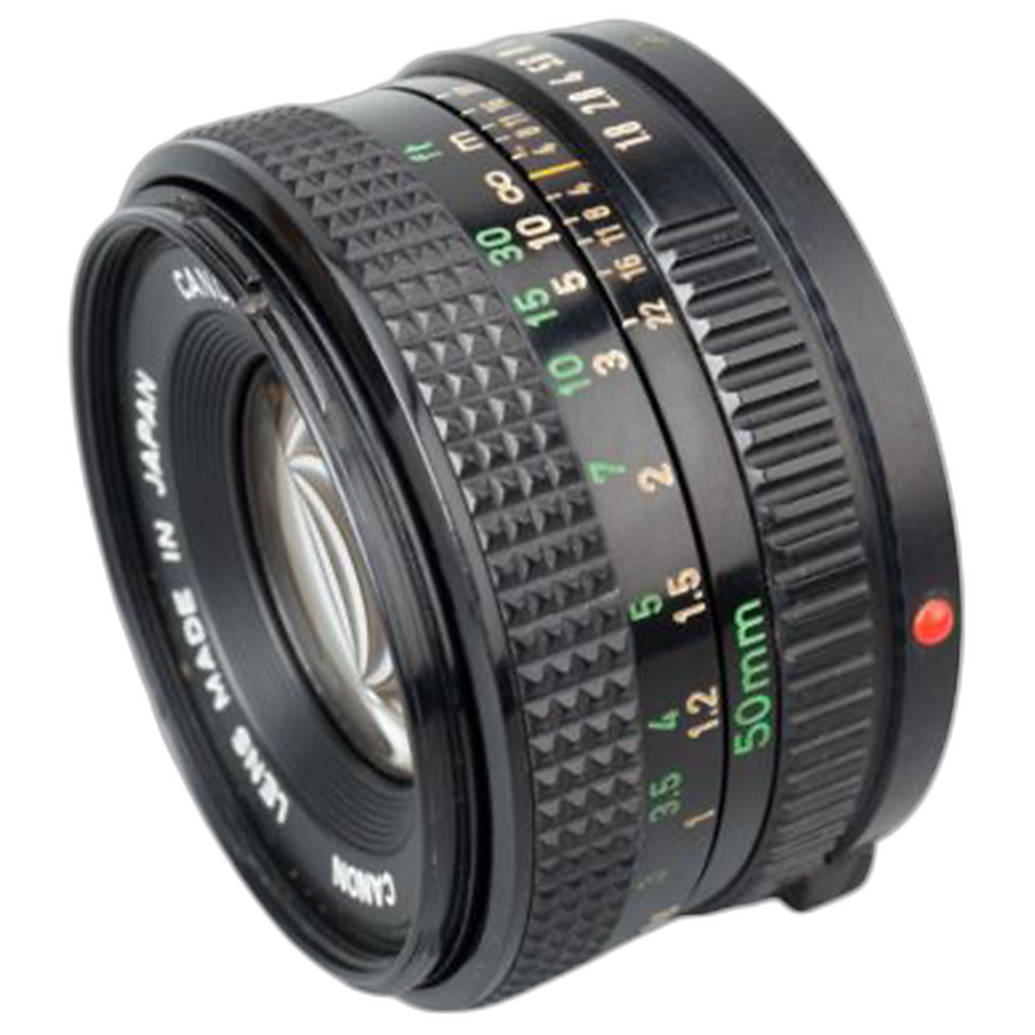
For photographers exploring portrait work on a budget, even an older prime can be a fun way to learn. A lens like the Used Canon FD 50mm f/1.8 Lens - Good can introduce you to the 50mm portrait look while also encouraging a slower, more deliberate shooting style.
With 50mm, you will still want to avoid getting too close for tight headshots, since that can slightly distort facial proportions. But for couples, lifestyle portraits, street portraits, and everyday people photography, it is a very comfortable focal length.
5. Choose a Zoom if You Shoot a Variety of Portraits
One lens can cover environmental, half-body, and tighter portraits
If you photograph families, events, graduates, or fast-moving portrait sessions, a zoom can be the smartest option. Instead of deciding between 50mm and 85mm, you can work across a range and adjust quickly as the scene changes.
The Sony FE 24-105mm f/4 G OSS Lens is a great example of a portrait-friendly zoom because it covers wide environmental compositions, standard portrait lengths, and even tighter framing near 105mm. That flexibility is especially helpful when shooting outdoors, at weddings, or in locations where you cannot easily move your feet.
A zoom may not always deliver the same wide-aperture look people associate with fast portrait primes, but it makes up for that with speed, convenience, and consistency.
6. Don’t Ignore Environmental Portraits
Wider lenses can be creative when used carefully
Portrait photography is not only about close-up headshots. Sometimes the location is part of the story. In those situations, a wider focal length can be useful for showing a subject in context.
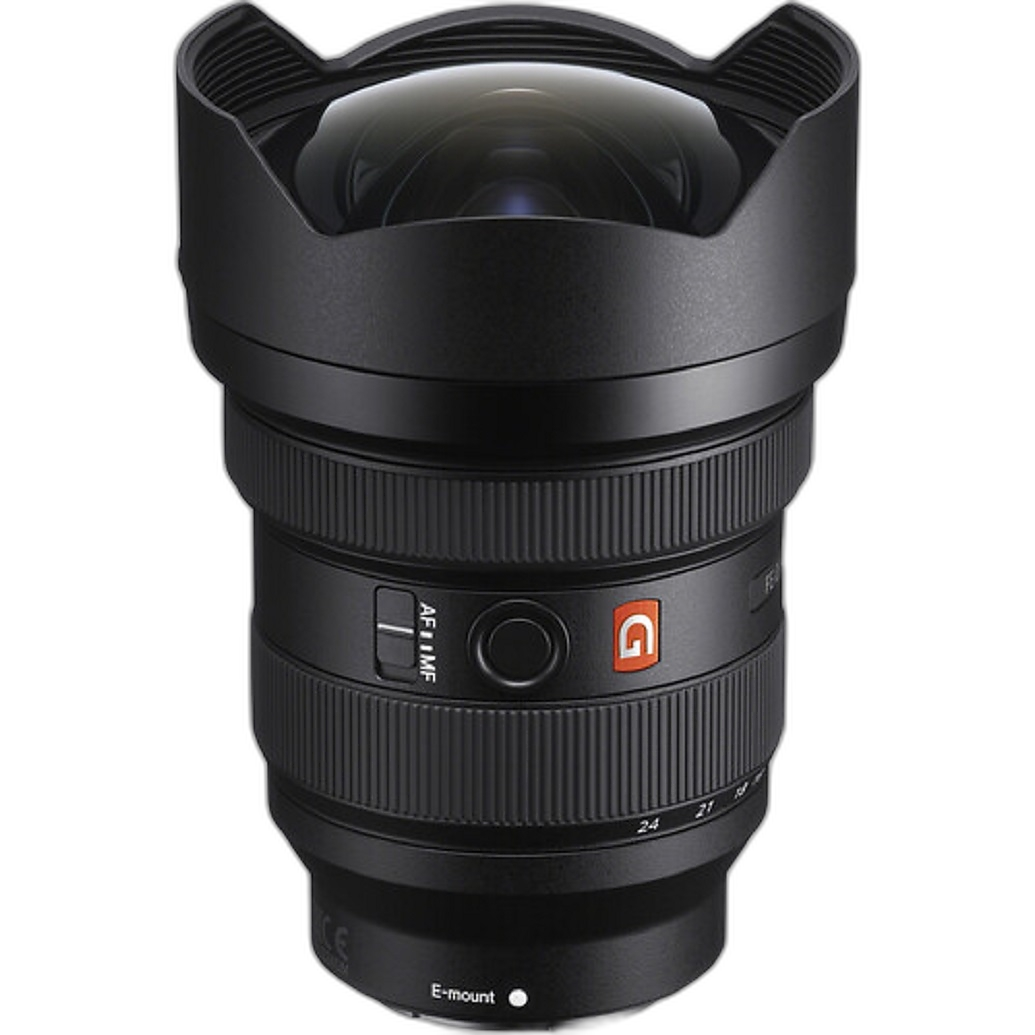
For example, something as wide as the Sony FE 12-24mm f/2.8 GM Lens would not be the typical first choice for a traditional portrait, but it can create dramatic environmental portraits when used thoughtfully. The key is to avoid placing faces too close to the edges of the frame, where distortion becomes more obvious.
Use wide angles when you want energy, location, and storytelling. Use 50mm or 85mm when you want a more classic portrait feel.
7. Match the Lens to Your Portrait Style
Different photographers need different tools
- Headshot photographers: Usually prefer 85mm or the long end of a zoom.
- Lifestyle portrait photographers: Often love 50mm for its natural perspective.
- Family and event photographers: Benefit from a flexible zoom like 24-105mm.
- Creative environmental portrait shooters: May use anything from 35mm to ultra-wide options for effect.
Before buying, think about what you actually shoot most often instead of what is most popular online.
8. Practice Lighting Alongside Lens Choice
The best portrait lens still needs good light
Lens choice matters, but lighting has just as much impact on your portraits. A 50mm, 85mm, or zoom can all produce beautiful results when paired with strong light and good subject placement.
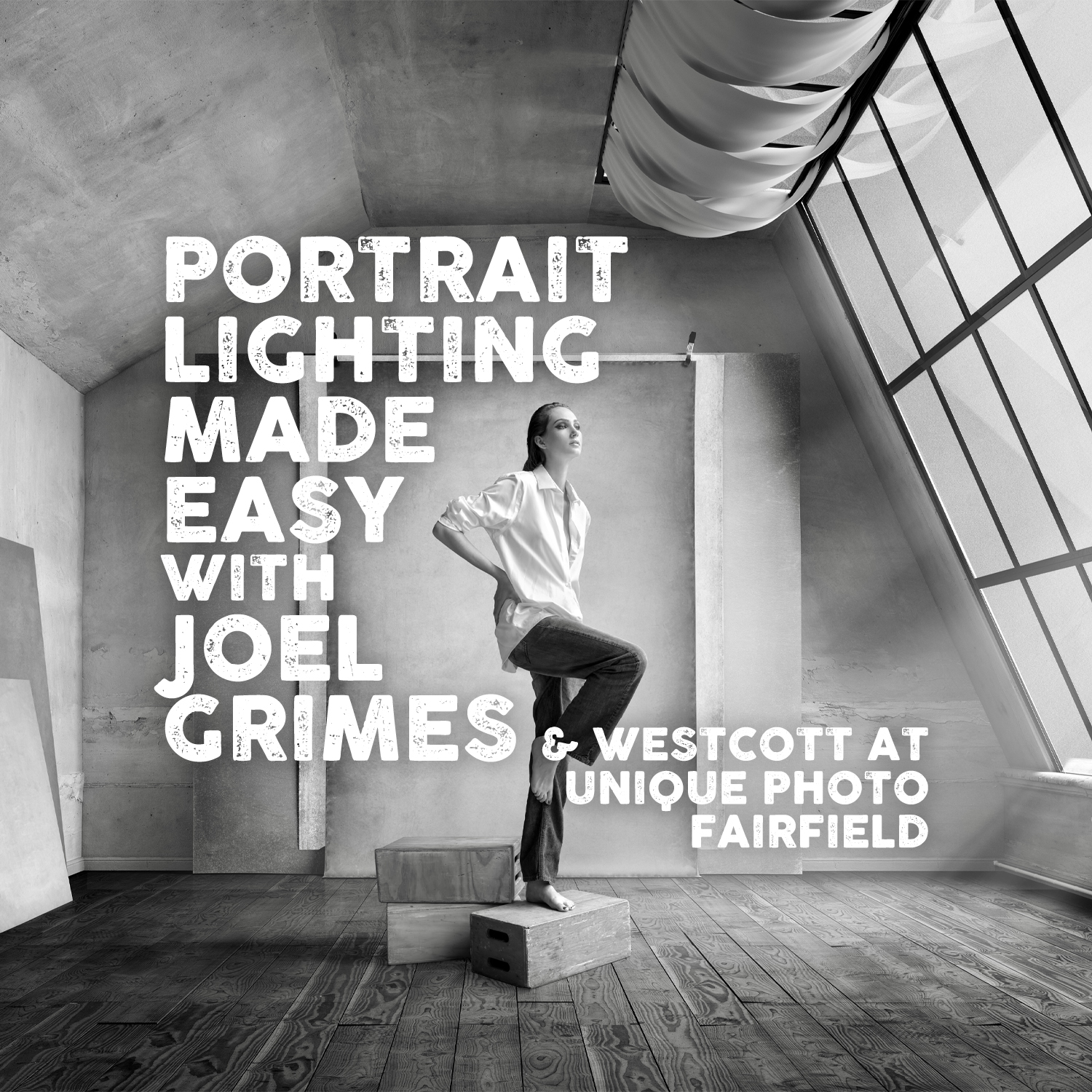
If you want to improve the overall look of your portraits, educational tools can help just as much as new gear. Portrait Lighting Made Easy with Joel Grimes (Westcott) is a useful resource for photographers who want to better understand how light shapes faces, mood, and depth in portrait work.
9. A Simple Rule for Making the Final Decision
If you are stuck, use this shortcut
Here is a practical way to decide:
- Pick 85mm if you mainly want flattering headshots and have space to work.
- Pick 50mm if you want one prime for portraits and everyday shooting.
- Pick a zoom if flexibility matters more than sticking to one classic focal length.
If you are still unsure, a versatile zoom is often the safest place to start. Over time, your favorite portrait focal length usually reveals itself through experience.
Conclusion
Whether you prefer the classic compression of 85mm, the natural versatility of 50mm, or the convenience of a zoom, the best portrait lens is the one that fits your shooting style and the spaces you work in most. Spend time learning how each focal length changes perspective, distance, and background, and your choice will become much clearer.
If you are ready to build your portrait kit, Unique Photo offers lenses, accessories, and educational resources to help you grow with confidence. The more you shoot, the faster you will discover which portrait lens feels right in your hands.