Choosing the best lens for portrait photography is one of the most discussed topics among photographers, and for good reason. The right lens can shape facial features more flatteringly, create smoother background blur, and help you work comfortably in everything from studio sessions to outdoor candid portraits. Whether you shoot Canon, Nikon, or another system, the best portrait lens often comes down to your style, shooting distance, budget, and how much flexibility you need.
If you are narrowing down your options, these practical tips will help you decide between classic focal lengths, faster apertures, and the age-old primes-versus-zooms debate.
Start with the Classic Portrait Focal Lengths
1. Use 85mm as a reliable portrait favorite
Many photographers consider 85mm the sweet spot for portraits because it offers flattering compression without forcing you too far away from your subject. An 85mm lens works especially well for headshots and tighter compositions, giving faces a natural look while still delivering strong subject separation.
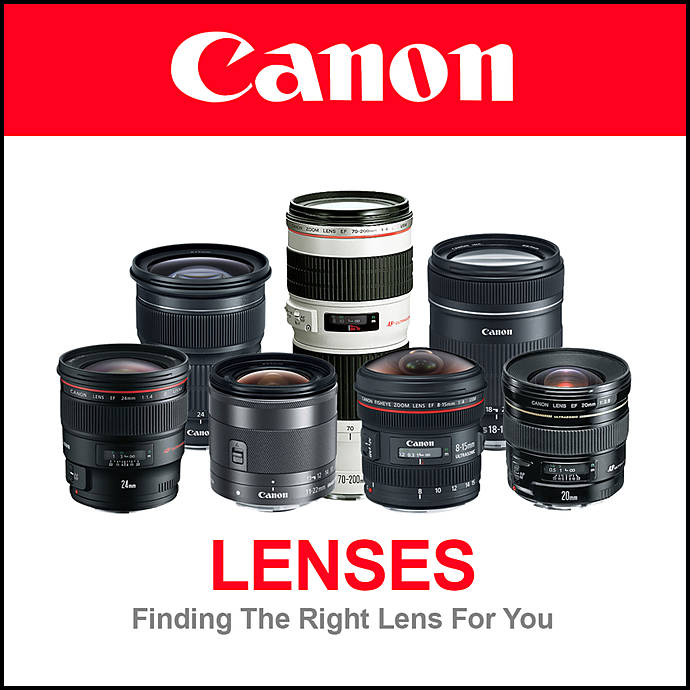
If you are new to choosing lenses, educational resources like Canon Lenses: Finding the Right Lens for You can be helpful for understanding how focal length changes perspective and working distance across a camera system.
2. Consider 50mm for versatility
A 50mm lens is often recommended for photographers who want one lens that can handle portraits, everyday shooting, and environmental compositions. It is especially useful indoors, where you may not have enough space to step back with an 85mm. On full-frame cameras, 50mm feels natural and flexible; on APS-C bodies, it acts more like a short telephoto, which can be excellent for portraits.
3. Try 135mm for elegant compression outdoors
For outdoor portraits, 135mm is a favorite among photographers who want especially soft backgrounds and a polished, editorial look. The extra reach gives strong compression and beautiful separation, though it requires more shooting distance. This makes it less practical in small studios but ideal in open spaces.
Match Aperture to Your Portrait Style
4. Fast apertures are great, but not always necessary
Lenses with wide maximum apertures like f/1.2, f/1.4, or f/1.8 are popular for portraits because they can create creamy background blur and perform well in lower light. Still, shooting every portrait wide open is not always the best approach. For group portraits or close headshots where both eyes need to stay tack sharp, stopping down to f/2.8 or f/4 often gives better results.
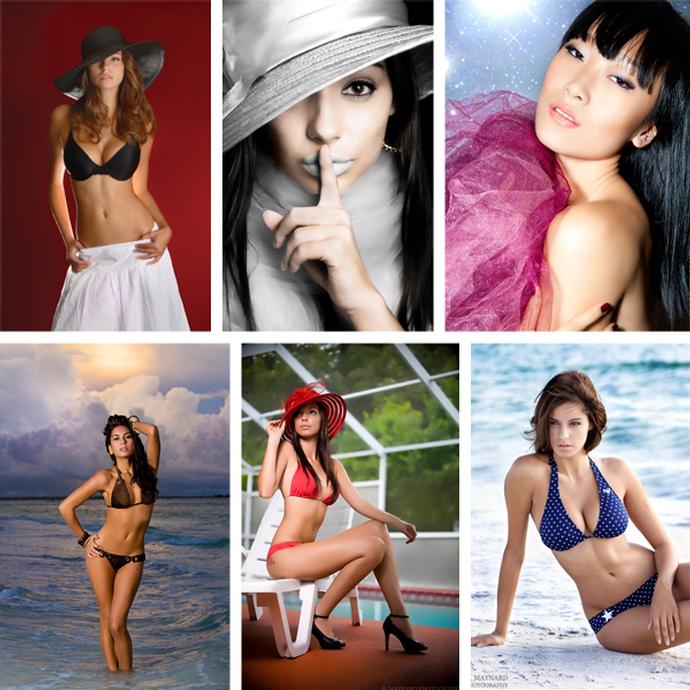
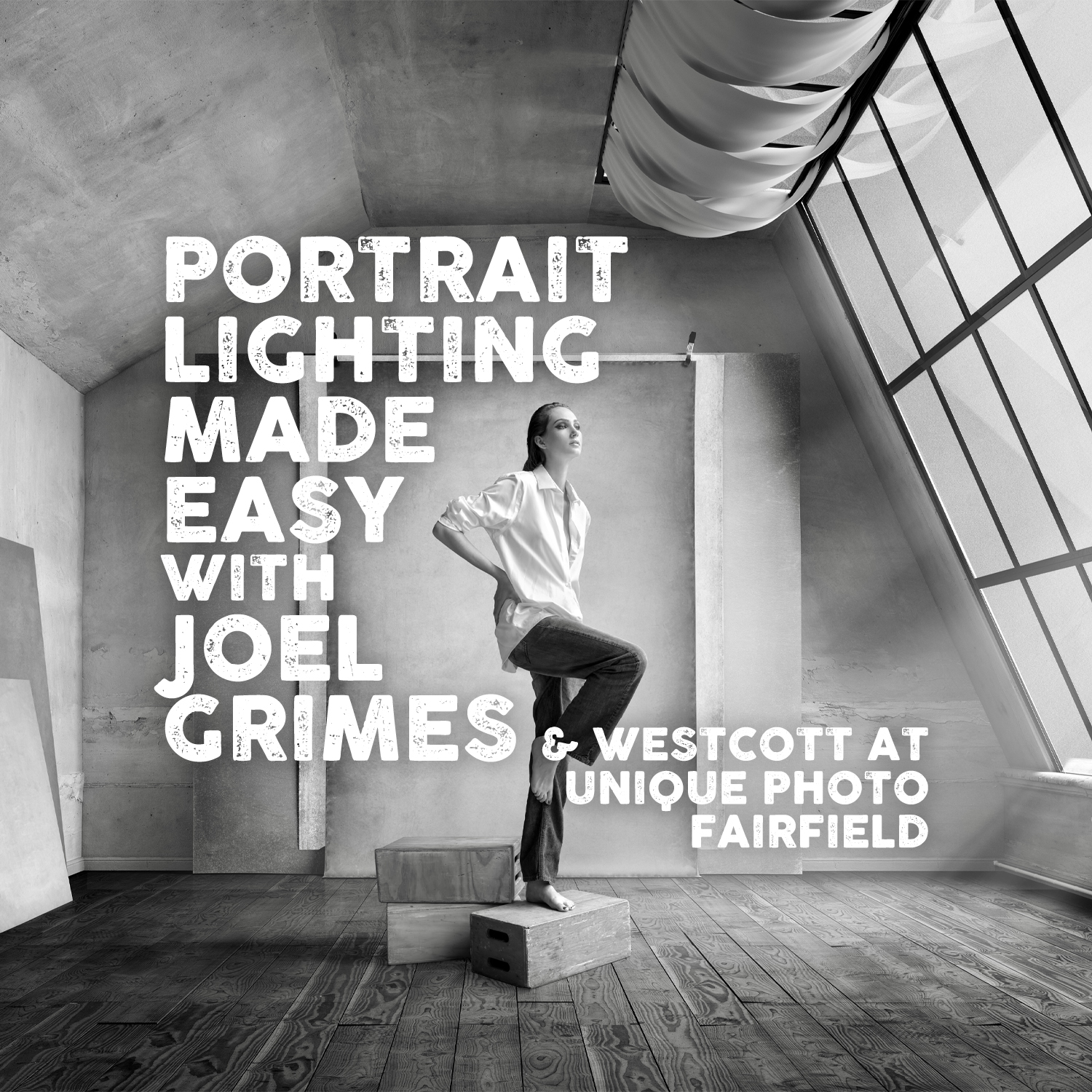
Portrait technique matters just as much as lens speed. Workshops such as Stunning Portraits Workshop with David Maynard and ExpoImaging and Portrait Lighting Made Easy with Joel Grimes reinforce how lighting, posing, and lens choice work together in creating stronger portraits.
5. Think about background blur beyond just aperture
Photographers often focus only on f-stop, but background blur also depends on focal length, subject-to-background distance, and how close you are to your subject. An 85mm lens at f/2 can produce a more flattering portrait look than a wider lens at f/1.4, simply because of the perspective and compression.
Decide Between Primes and Zooms
6. Choose primes for look and simplicity
Prime lenses are a common choice for portrait photographers because they are often sharper, faster, and lighter than comparable zooms. They also encourage more deliberate composition. If your goal is maximum background blur and a classic portrait rendering, a prime like a 50mm, 85mm, or 135mm is often the strongest option.
7. Choose zooms for speed and flexibility
A 24-70mm or 70-200mm zoom can be excellent for portrait sessions where conditions change quickly. Event photographers, family portrait shooters, and anyone working on location often appreciate being able to reframe instantly without switching lenses. A 70-200mm in particular is a portrait staple because it covers multiple flattering focal lengths while keeping you at a comfortable distance from your subject.
Photographers who shoot a variety of subjects often find zooms practical because one lens can cover portraits, details, and candid moments during the same session.
Choose Based on Your Camera System
8. Full-frame and APS-C shooters should think differently about focal length
The same lens can behave differently depending on sensor size. On a full-frame camera, 85mm is a classic portrait focal length. On an APS-C camera, though, a 50mm or 56mm lens may give you a similar field of view. This is why there is no single best portrait lens for everyone.
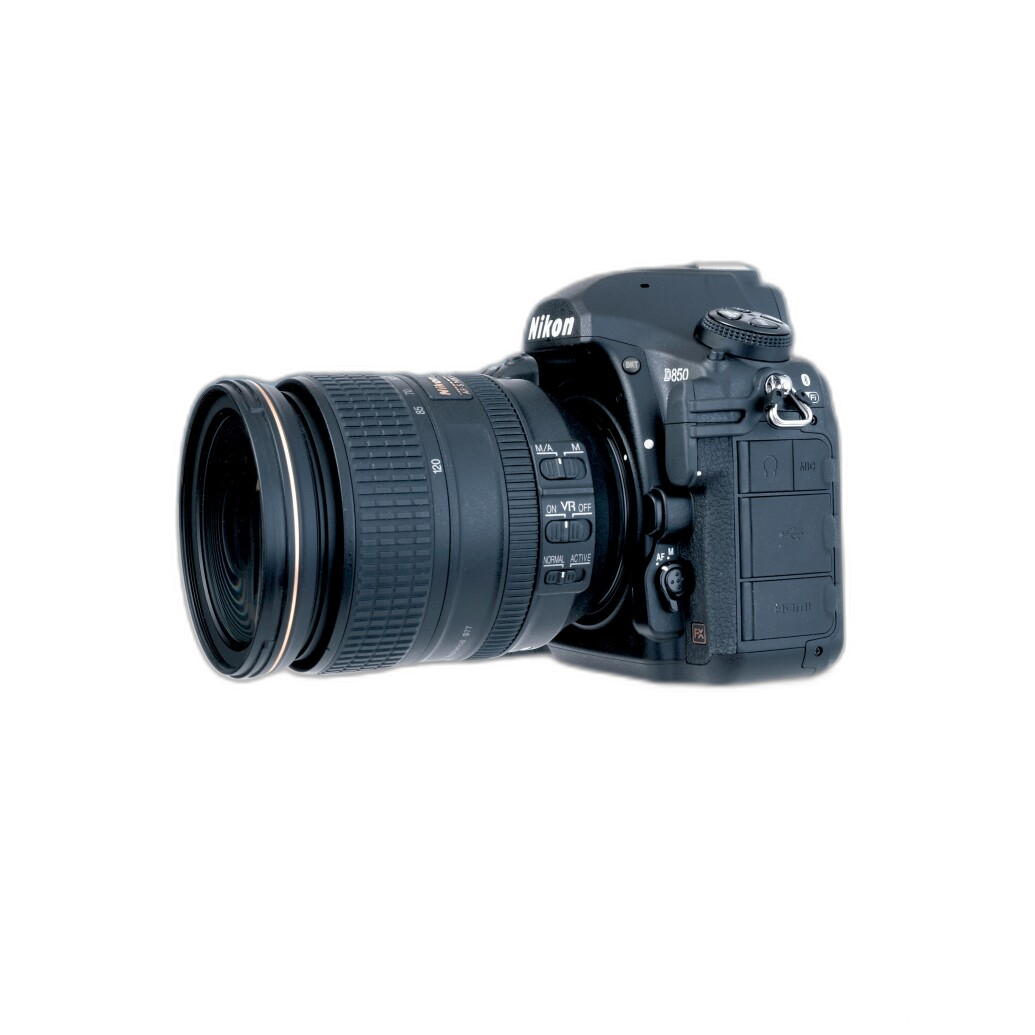
If you are building around a specific camera body, system-specific guides can help. For Nikon users, references like the Nikon D850 Guide to Digital SLR Photography by David Busch can be useful when understanding how your camera pairs with different portrait lens options.
9. Native lenses often offer the smoothest autofocus performance
Third-party lenses can provide outstanding value, but portrait photographers who rely on eye-detection autofocus may prefer native lenses for the best communication with their camera system. This matters most for wide-aperture portrait work where focus precision is critical.
Set a Budget That Fits Your Real Needs
10. Budget portrait lenses can still produce beautiful results
You do not need the most expensive lens in the lineup to make strong portraits. Affordable 50mm f/1.8 and 85mm f/1.8 lenses remain favorites because they balance sharpness, speed, and cost extremely well. For many photographers, these lenses offer the best value in portrait photography.
11. Spend on the focal length you will actually use most
If you mainly shoot outdoor individual portraits, it may make sense to invest in an 85mm or 135mm. If you photograph couples, families, and tighter indoor setups, a 50mm or a versatile zoom may serve you better. Your typical shooting environment should guide the purchase more than online hype.
Think About the Type of Portraits You Shoot
12. Match the lens to the portrait scenario
- Headshots: 85mm to 135mm is often ideal.
- Environmental portraits: 35mm to 50mm can tell more of the subject’s story.
- Family portraits: 50mm, 85mm, or a 24-70mm zoom works well depending on space.
- Studio portraits: fast primes are useful, but controlled lighting often means you can stop down comfortably.
Learning to see how focal length affects storytelling can be just as important as technical sharpness. That broader visual approach is often reinforced in photography classes and events, including Unique Photo educational offerings.

Final Thoughts on Finding the Best Portrait Lens
The best portrait lens is the one that fits your camera system, your shooting style, and the kind of portraits you want to make. For many photographers, that means starting with a 50mm or 85mm prime. For others, a flexible zoom is the smarter choice. Pay attention to focal length, working distance, aperture, and how often you shoot indoors versus outdoors.
If you are ready to explore portrait photography further, Unique Photo is a great place to find gear, guides, and workshops that can help you refine both your lens choices and your portrait technique.