2024 Compact Cameras for Street Photography: Expert FAQ & Buying Guide
Street photography rewards cameras that are quick, quiet, and easy to carry. In 2024, you can get those traits in pocketable compacts, fixed-lens APS-C and full-frame models, or small mirrorless kits. Use this FAQ from Unique Photo to choose the right setup and configure it for decisive, candid moments.
Which compact cameras have the fastest autofocus for candid shots?
AF speed and stickiness depend on on-sensor phase detection, processor smarts, lens drive, and your setup. In the compact category, models like Sony’s RX100 VII are among the quickest for tracking, while Fuji’s X100VI significantly improved subject detection over the X100V. Full-frame fixed-lens options such as Leica’s Q series also lock quickly and quietly. If you favor zone focus, Ricoh’s GR series excels with its Snap Focus feature, letting you preset distances for instant, lag-free captures.
Technique still matters: set AF-C with face/eye detection when it helps, use release-priority if you want the camera to fire the moment you press, and consider assigning AF-ON for back-button focusing. Auto ISO with a minimum shutter (e.g., 1/500–1/1000 for motion) keeps exposure consistent across changing light.
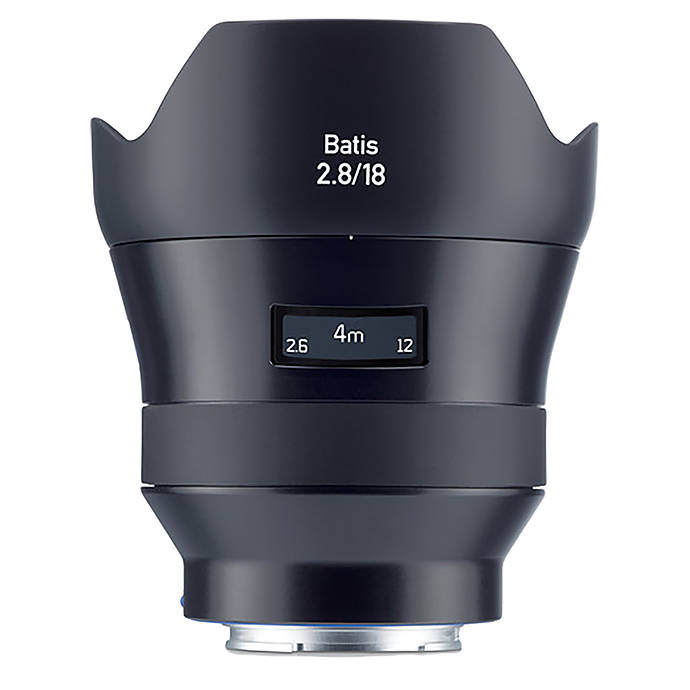
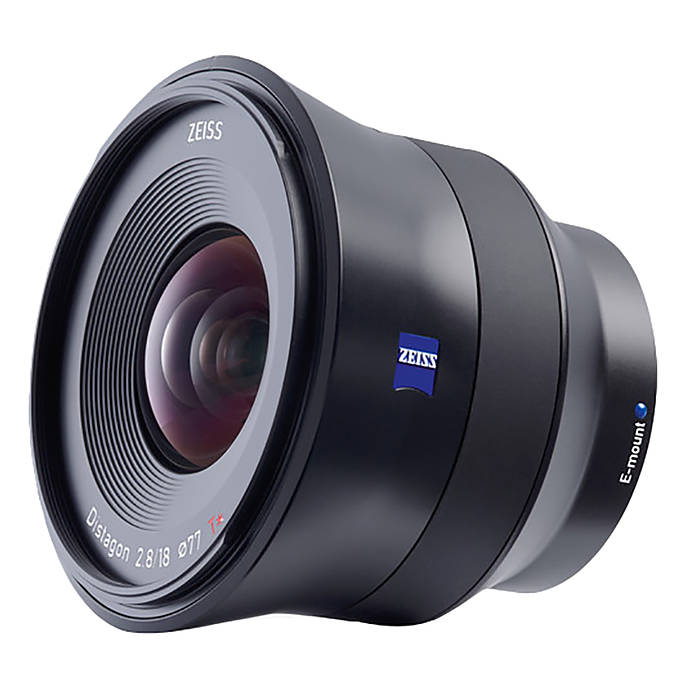
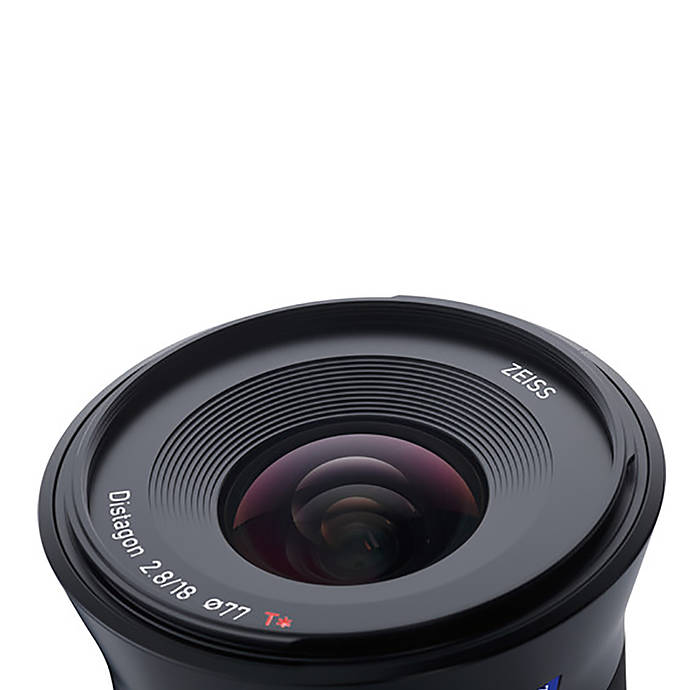
Prefer an interchangeable-lens route that’s still compact? A small Sony full-frame body paired with a lightweight wide prime is a speedy, quiet street combo. The Zeiss Batis 18mm f/2.8 offers fast autofocus and crisp rendering in a slim package.
Is the Ricoh GR still relevant in 2024?
Absolutely. The Ricoh GR line remains a street staple because it slips into a pocket yet uses an APS-C sensor with an excellent 28mm-equivalent (GR III) or 40mm-equivalent (GR IIIx) lens. Its strengths are stealth and speed-by-simplicity: Snap Focus for instant zone shots, an exceptionally quiet leaf shutter, clean monochrome JPEGs, and effective stabilization in newer versions. While its continuous AF tracking isn’t as sticky as the latest phase-detect rivals, learning Snap Focus distances (e.g., 1.5–2 m for close scenes) makes it lightning fast in real-world use.
How do sensor sizes affect street photography image quality?
- 1-inch sensors (e.g., RX100 series): tiny bodies, deep depth of field for quick focus and context-rich scenes, excellent in daylight, good but not great at very high ISO.
- APS-C (e.g., GR, X100 series): a sweet spot of detail, dynamic range, and manageable size; great for natural-looking subject isolation without huge lenses.
- Full-frame (e.g., Leica Q or small mirrorless kits): strongest low-light performance and dynamic range with the shallowest depth of field. Lenses are larger, but fixed-lens full-frame compacts and minimalist mirrorless builds keep things carryable.
Tip: bigger sensors don’t automatically make you “faster.” If you rely on zone focus and high shutter speeds, small sensors can be quicker in practice because they give more depth of field at the same aperture.
Are there affordable alternatives to the Fujifilm X100V/X100VI?
Yes. Consider the Ricoh GR III/IIIx if you want a pocketable APS-C with a prime field of view and true street-oriented ergonomics. For flexible zoom reach in a small body, the Sony RX100 V–VII series or Canon G7 X Mark III are strong value picks on the used market. If you’re open to interchangeable-lens systems, a compact mirrorless body plus a small prime (27–40mm equivalent) can undercut the cost of a premium fixed-lens model while remaining travel-light.
On Sony full-frame, the Zeiss Batis 18mm f/2.8 is a compelling wide-angle for environmental street scenes, providing fast AF and excellent edge-to-edge performance in a small, weather-ready build.
Buying used? Inspect the lens for dust or wobble, check IBIS/IS operation, verify buttons and dials, test AF in dim light, and review sample images at high ISO for banding or hot pixels. Unique Photo’s Used & Trades department can help you evaluate condition and value.
What setup and settings make compacts faster on the street?
- AF mode: AF-C with face/eye detect for people; switch to zone or Snap Focus for layered scenes and silhouettes.
- Minimum shutter: 1/500–1/1000 sec for motion; set Auto ISO to maintain speed as light falls.
- Pre-focus: half-press to wake AF or use back-button AF; with the GR, select a Snap Focus distance and shoot without waiting for focus confirmation.
- Shutter type: electronic shutter is silent but can band under certain LED lighting or produce rolling shutter with fast motion; leaf shutters (X100, GR) are near-silent and allow high flash sync for daylight fill.
- Drive: use low or medium burst for sequences without filling the buffer.
Prime vs. zoom on a compact: which is better for street?
Primes (28–40mm equivalents) keep cameras slim, encourage consistent framing, and typically offer better low-light quality. They’re ideal for getting close and working quickly. Zooms add flexibility—handy for compressing scenes across a street or isolating a subject without moving—but can be slower at the long end and slightly thicker in the pocket. Choose based on how you like to move: primes for immersion, zooms for reach.
Do I need image stabilization (IBIS/OIS) for street?
Stabilization helps you handhold at slower shutter speeds for static scenes, night cityscapes, and interior light. It won’t freeze subject motion, so you’ll still want faster shutter speeds for action. If you often shoot in twilight, IBIS or lens OIS is a meaningful advantage; if you mainly work in bright daylight at 1/500 sec or faster, it’s helpful but not essential.
How should I process street photos for the best look?
For color, aim for consistent white balance, controlled highlights, and clean midtone contrast. For black-and-white, prioritize tonal separation and local contrast to reveal gesture and structure. Calibrate your screen, build a simple preset with your preferred grain and tone curve, and keep edits subtle so the moment stays honest.
Want to sharpen your workflow? Our hands-on classes can help you build a clean, repeatable process from import to export.

If I choose a small mirrorless body instead of a fixed-lens compact, what lens works for street?
For Sony full-frame, a compact wide prime keeps the kit light, quick, and discreet. The Zeiss Batis 18mm f/2.8 gives you a dynamic environmental perspective with fast autofocus and excellent sharpness—great for storytelling scenes where setting is part of the narrative. Pair it with a small body and a thin strap for an all-day carry that still rivals fixed-lens compacts for speed and subtlety.
Ready to compare options in person? Visit Unique Photo in Fairfield, NJ or shop online. Our team can help you test cameras, pick the right lens or compact, trade in used gear, and sign up for classes to refine your editing and shooting workflow.