Best All‑Purpose Travel Lens for Full‑Frame: Expert FAQ and Buying Guide
Planning a trip and want one lens that can do (almost) everything? Our experts at Unique Photo break down the focal lengths, features, and trade-offs that matter when you’re packing light but still want great images. Use this FAQ to choose a travel lens that matches your style, destination, and camera system.
What focal length range covers most travel photography needs?
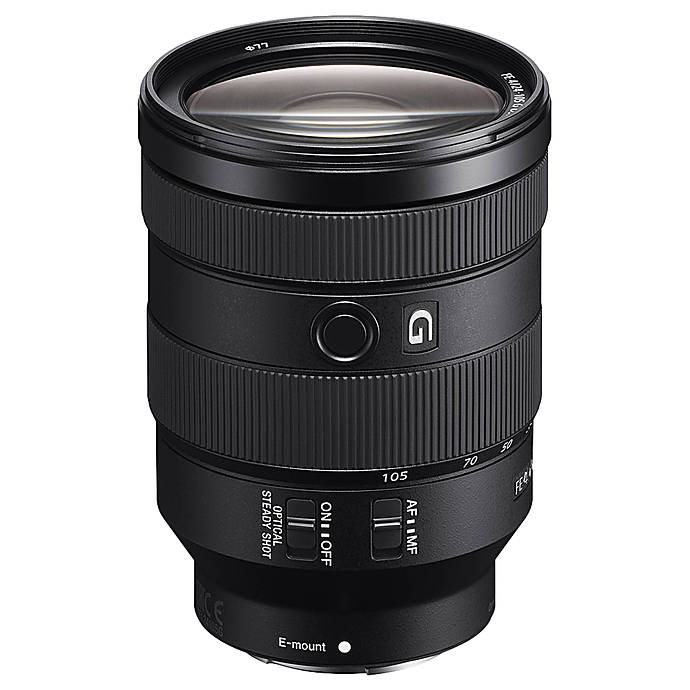
For full-frame shooters, a 24–105mm zoom is the most versatile single-lens solution. It starts wide enough for cityscapes and interiors, reaches far enough for portraits and moderate telephoto details, and keeps quality high throughout the range. A stand-out option is the Sony FE 24–105mm f/4 G OSS, which balances reach, sharpness, and stabilization in a travel-friendly package.
Is a superzoom lens better than carrying a couple of primes?
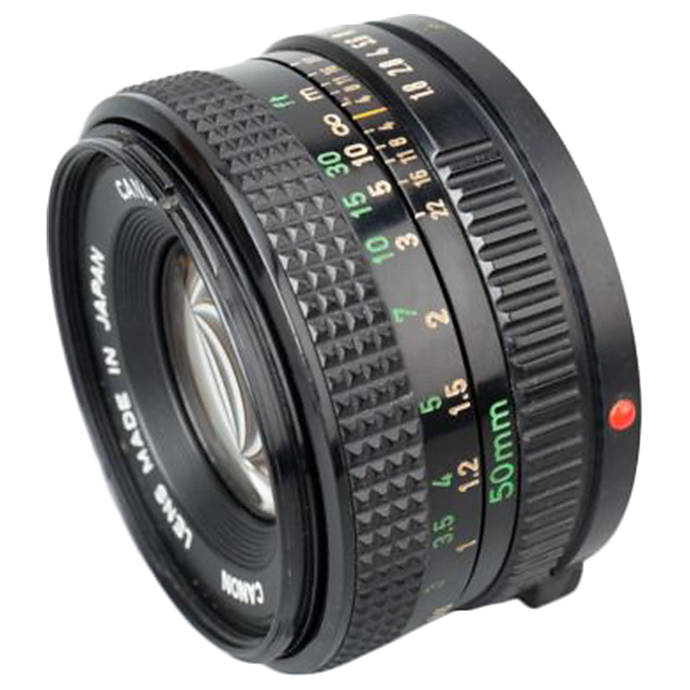
It depends on your priorities. Superzooms (think ranges like 24–200/240mm in many systems) minimize lens changes and help you capture fleeting moments, but they typically trade a bit of sharpness, low-light performance, and maximum aperture for convenience. Two-prime kits (for example, a 35mm and 85mm, or a 28mm and 50mm) are lighter, brighter, and often deliver exceptional image quality—but you’ll need to zoom with your feet and swap lenses more often. A budget-friendly way to add low-light capability is a classic 50mm. Our used selection frequently includes compact options like the Used Canon FD 50mm f/1.8 (manual focus, adaptable to many mirrorless systems with the proper adapter). It’s a small, bright companion to a standard zoom.
How important are lens weight and size when traveling?
Very important—especially on long days or when you’re navigating tight spaces and restrictive carry-on rules. A lighter, compact lens helps you stay nimble and discreet. The Sony FE 24–105mm f/4 G OSS strikes a solid balance of size, reach, and stabilization for handheld shooting. If you know you’ll hike or walk extensively, consider setting a weight limit for your kit and choosing one lens that does most of what you need, supplemented by a small fast prime only if necessary.
Do I need weather sealing and image stabilization for travel?
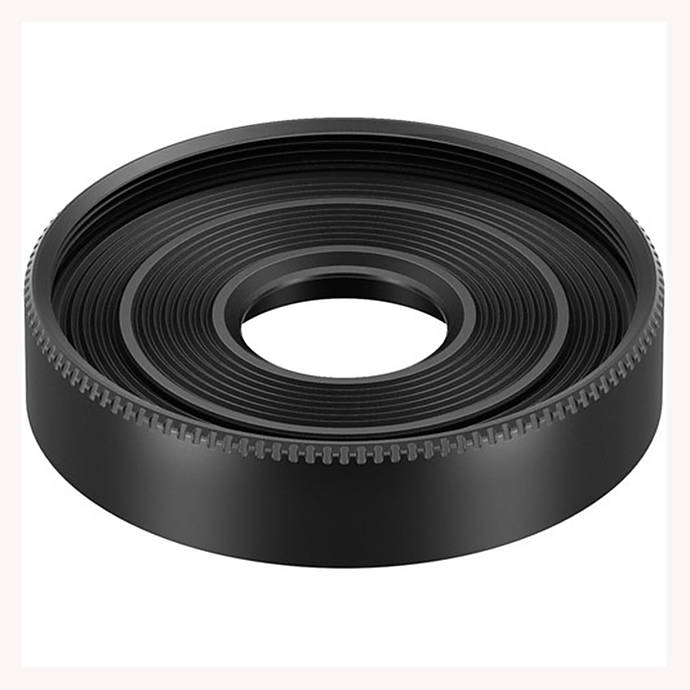
Weather sealing and stabilization can make the difference between getting the shot and packing it in early. Weather-resistant designs help keep dust and moisture at bay during unexpected rain or wind-blown sand. In-lens stabilization (like the OSS in the Sony FE 24–105mm f/4 G) steadies handheld images at slower shutter speeds—especially helpful in museums, twilight streets, and dim interiors. Don’t forget a lens hood for extra flare control and front-element protection. Just be sure to get the hood designed for your lens; for example, Canon’s ES‑22 hood fits the EF‑M 28mm Macro. Use the correct model-specific hood for your full-frame lens.
When should I add an ultra‑wide lens to my travel kit?
Ultra‑wide lenses shine in tight interiors, dramatic landscapes, and architecture where a standard zoom can’t go wide enough. If your itinerary includes cathedrals, souks, street festivals, or sweeping vistas, consider adding an ultra‑wide. The Sony FE 12–24mm f/2.8 GM delivers professional sharpness across an expansive field of view and a bright constant aperture for low light and night skies.
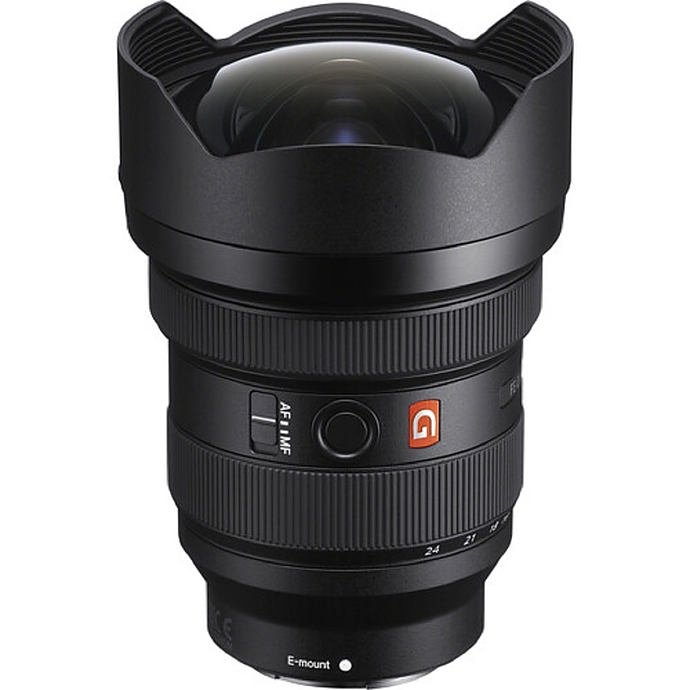
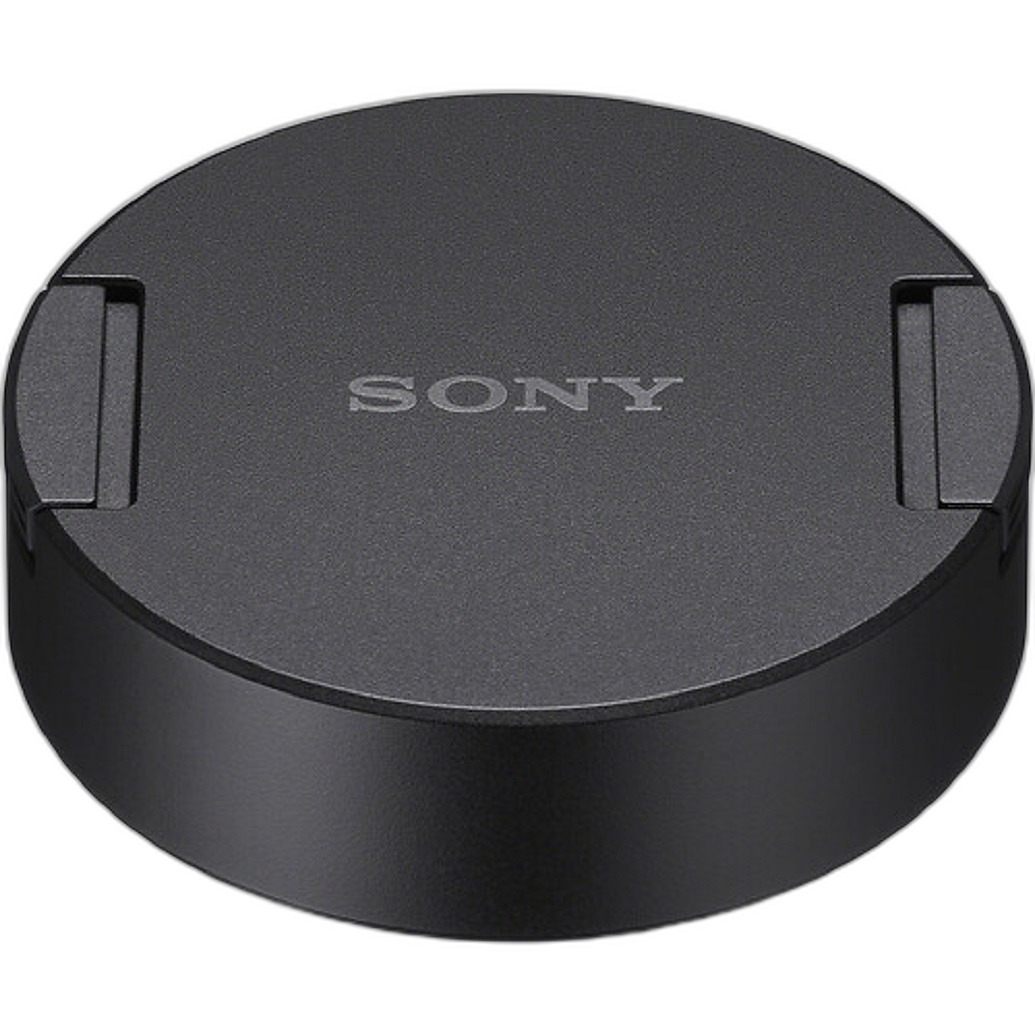
Note: Many ultra‑wides have bulbous front elements that don’t accept standard screw‑in filters. If you plan to use neutral density or graduated filters, look for a compatible filter system. For example, if you shoot Sony’s FE 14mm f/1.8 GM, the NiSi 100mm Filter Holder is purpose‑built for that lens. Always check compatibility before you travel.
What’s a smart two‑lens travel kit for full‑frame?
Two well‑chosen lenses can cover everything without weighing you down. Popular pairings include:
- Do‑it‑all plus low‑light: Sony FE 24–105mm f/4 G OSS for daytime and versatility, plus a small fast 50mm for evenings and shallow depth of field. A used 50mm like the Canon FD 50mm f/1.8 (adapted appropriately for your mirrorless mount) keeps weight and cost down.
- Ultra‑wide plus normal: Sony FE 12–24mm f/2.8 GM for interiors and landscapes, plus a compact 50mm for people and details. This pairing handles big scenes and natural‑looking portraits without overlapping too much.
How do I decide between f/2.8 and f/4 zooms for travel?
Choose f/2.8 if you frequently shoot action, night scenes, or want more background blur—and you’re comfortable carrying a larger lens. Pick f/4 if you value lighter weight, smaller size, and lower cost. With modern sensors and in‑lens/body stabilization, an f/4 zoom like the Sony FE 24–105mm f/4 G OSS is often the sweet spot for travel where you’ll be shooting at moderate ISOs in mixed light.
What if I don’t shoot full‑frame—are there travel‑friendly alternatives?
Absolutely. If you’re on Micro Four Thirds and want maximum range in one lens, the OM SYSTEM M.Zuiko Digital ED 12–200mm f/3.5–6.3 covers ultra‑wide to super‑tele in a compact package—great for travelers who prefer to keep it simple. Whatever your system, our team can help you match the right all‑purpose lens to your camera and travel plans.
Ready to build your travel kit? Visit Unique Photo in store or online for expert advice, hands‑on lens demos, used gear deals, and fast shipping. Our team will help you choose the perfect all‑purpose travel lens—and the right accessories—before you take off.