If you’re shopping for your first real camera in 2024, you’ve probably run into the biggest beginner question of all: should you buy a mirrorless camera or a DSLR? This guide is for new photographers, parents upgrading from a phone, students, travelers, and hobbyists who want better image quality, interchangeable lenses, and room to grow. While both camera types can deliver excellent results, the right choice depends on how you shoot, what features matter most, and how much system flexibility you want long term.
In general, mirrorless cameras are the modern default for most beginners thanks to lighter bodies, strong autofocus, live exposure preview, and growing lens ecosystems. DSLRs still make sense for value-focused shoppers who want comfortable handling, long battery life, and access to a large used-lens market. Below, we’ll break down the differences, explain who each type is best for, and recommend a few useful accessories that make a first camera kit more practical from day one.
Mirrorless vs DSLR: What’s the Difference?
A DSLR uses a mirror and optical viewfinder, so you look through the lens via reflected light. A mirrorless camera removes that mirror mechanism and instead uses the sensor for live view and an electronic viewfinder or rear screen. For beginners, that technical difference affects the real-world experience in a few key ways.
| Feature | Mirrorless | DSLR |
|---|---|---|
| Size & Weight | Usually smaller and lighter | Often larger with deeper grip |
| Viewfinder | Electronic preview of exposure and color | Optical, natural real-time view |
| Autofocus | Typically stronger for face/eye detect and video | Often very good for stills, varies in live view |
| Battery Life | Usually shorter | Usually longer |
| Lens Ecosystem | Fast-growing and future-focused | Large used market, but many systems are aging |
| Video Features | Usually better for hybrid creators | Often more limited on entry-level bodies |
| Learning Curve | Helpful live preview for beginners | Traditional experience many still love |
Who Should Buy Mirrorless in 2024?
For most first-time buyers, mirrorless is the easier recommendation. You get a more modern shooting experience, excellent autofocus for portraits and family moments, and a system that is likely to keep expanding with new bodies and lenses. If you care about travel, content creation, video, or simply want a camera that feels current, mirrorless is often the better long-term investment.
Mirrorless is especially appealing if you:
- Want a lighter setup for daily carry or travel
- Need strong autofocus for kids, pets, or casual action
- Plan to shoot both photos and video
- Prefer seeing exposure changes in real time before taking the shot
- Want to build into a newer camera ecosystem
Who Should Buy a DSLR in 2024?
DSLRs still deserve consideration, especially at the entry level. If you find a strong deal, a DSLR can be a very affordable way to learn exposure, lenses, composition, and flash. Many beginners also like the larger grip and optical viewfinder feel. If your focus is mostly still photography and you want maximum value, DSLR remains relevant.
A DSLR may be right for you if you:
- Want the best value in a body-and-lens starter kit
- Prefer a traditional optical viewfinder
- Prioritize battery life
- Mainly shoot stills rather than lots of video
- Plan to take advantage of used lenses and accessories
What Beginners Should Prioritize Instead of Hype
Whether you choose mirrorless or DSLR, your first camera should fit how you actually shoot. Don’t get lost in spec-sheet comparisons alone. For entry-level buyers, these factors matter most:
- Comfort: If a camera feels good in your hands, you’ll use it more.
- Lens options: A camera system is more important than a single body.
- Autofocus simplicity: Eye detect and subject tracking can make learning easier.
- Budget for accessories: A bag, strap, and extra support gear improve the experience immediately.
- Upgrade path: Choose a system you can grow with over the next few years.
Our Pick
For most entry-level buyers in 2024, mirrorless is the best overall choice. It offers the most beginner-friendly shooting experience, stronger autofocus in many current models, and a more future-facing system for both photo and video. If you find an excellent DSLR deal, it can still be a smart first camera—but if you’re buying fresh and thinking long term, mirrorless is where most new photographers should start.
Recommended Gear to Build a Better Beginner Kit
Even though the best entry-level camera body will vary by brand and budget, the accessories and lens ecosystem around it matter just as much. Here are a few useful products to consider as you build a practical first setup.
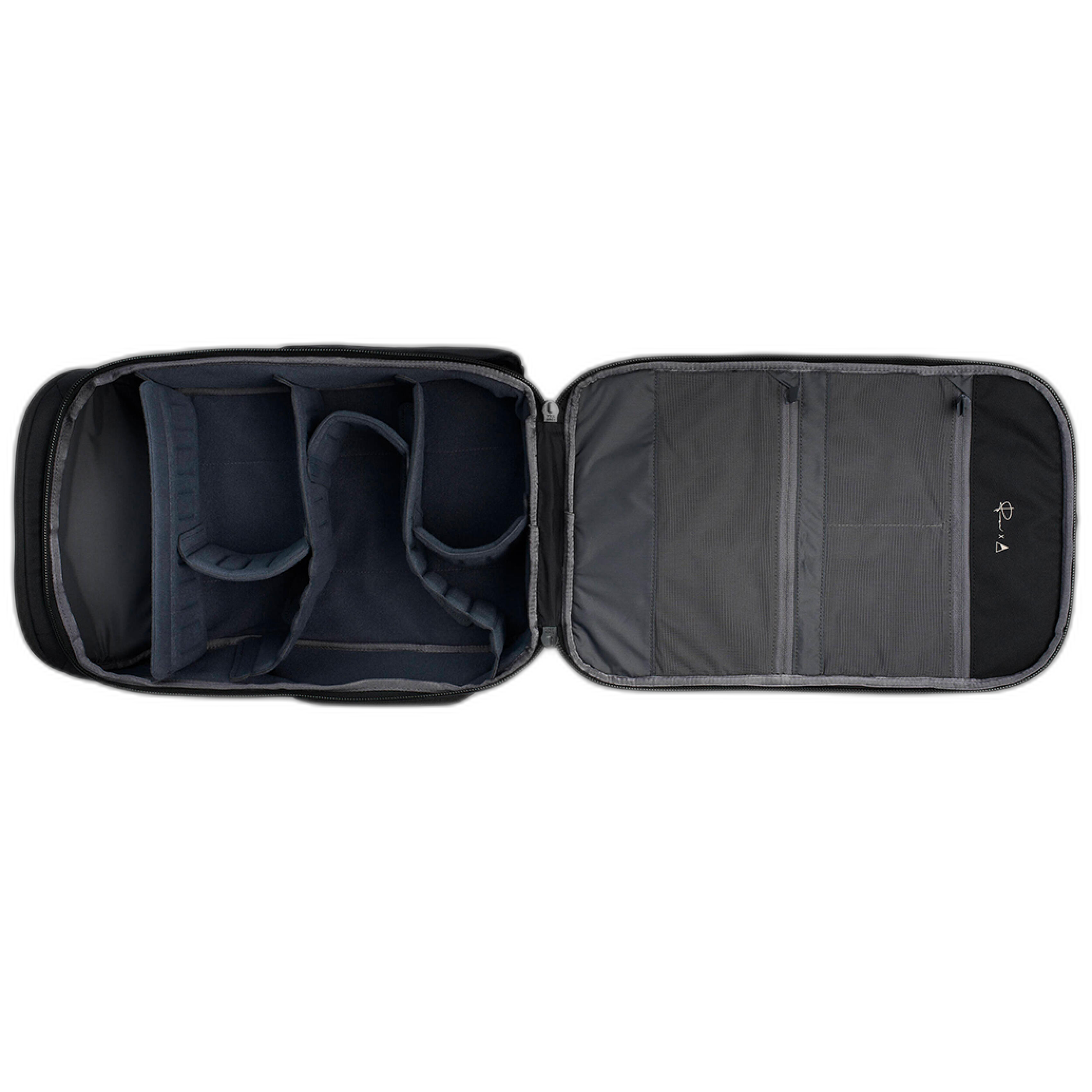
Nomatic Luma Camera Pack 18L - Stone
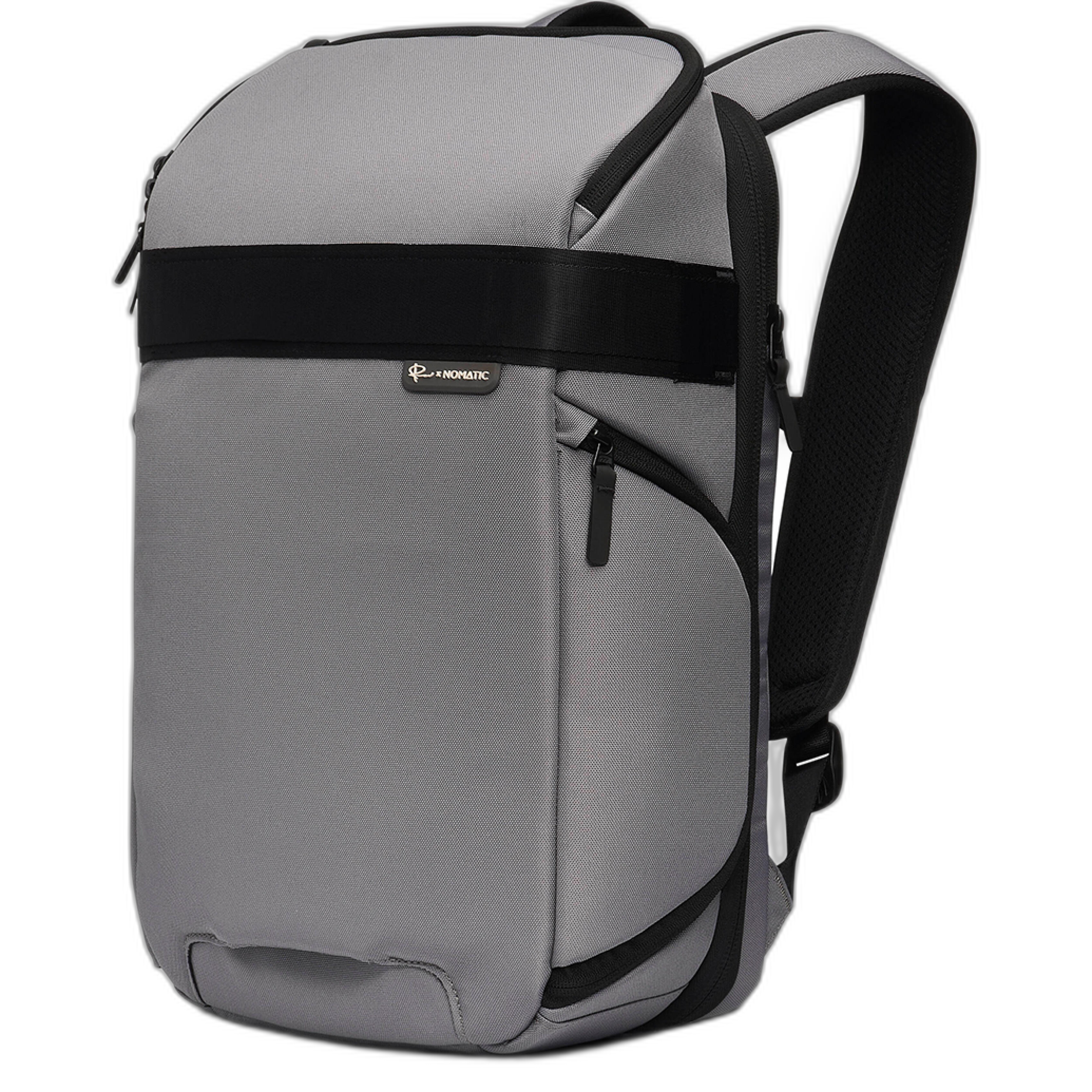
A good camera bag makes your first kit easier to carry, protect, and organize. The Nomatic Luma Camera Pack 18L is a smart pick for beginners who want something clean, modern, and versatile enough for everyday use. It gives you room for a camera body, lens or two, accessories, and personal items without feeling oversized.
This kind of pack is especially useful for mirrorless users who want a compact travel-friendly setup, but DSLR shooters will also appreciate the organization and protection. For students, commuters, and casual day-trip photographers, a dedicated bag is one of the best early upgrades you can make.
PGYTECH Camera Strap Slim - Vintage-Olive Green
A comfortable strap can dramatically improve the experience of carrying a camera all day, especially for beginners who are still building confidence with their gear. The PGYTECH Camera Strap Slim is a simple but meaningful quality-of-life accessory. It helps keep your camera ready without making your setup feel bulky.
If you’re deciding between mirrorless and DSLR, this is the kind of accessory that supports either system equally well. Mirrorless users may like the lighter carry feel, while DSLR users benefit from added comfort during longer shooting sessions.
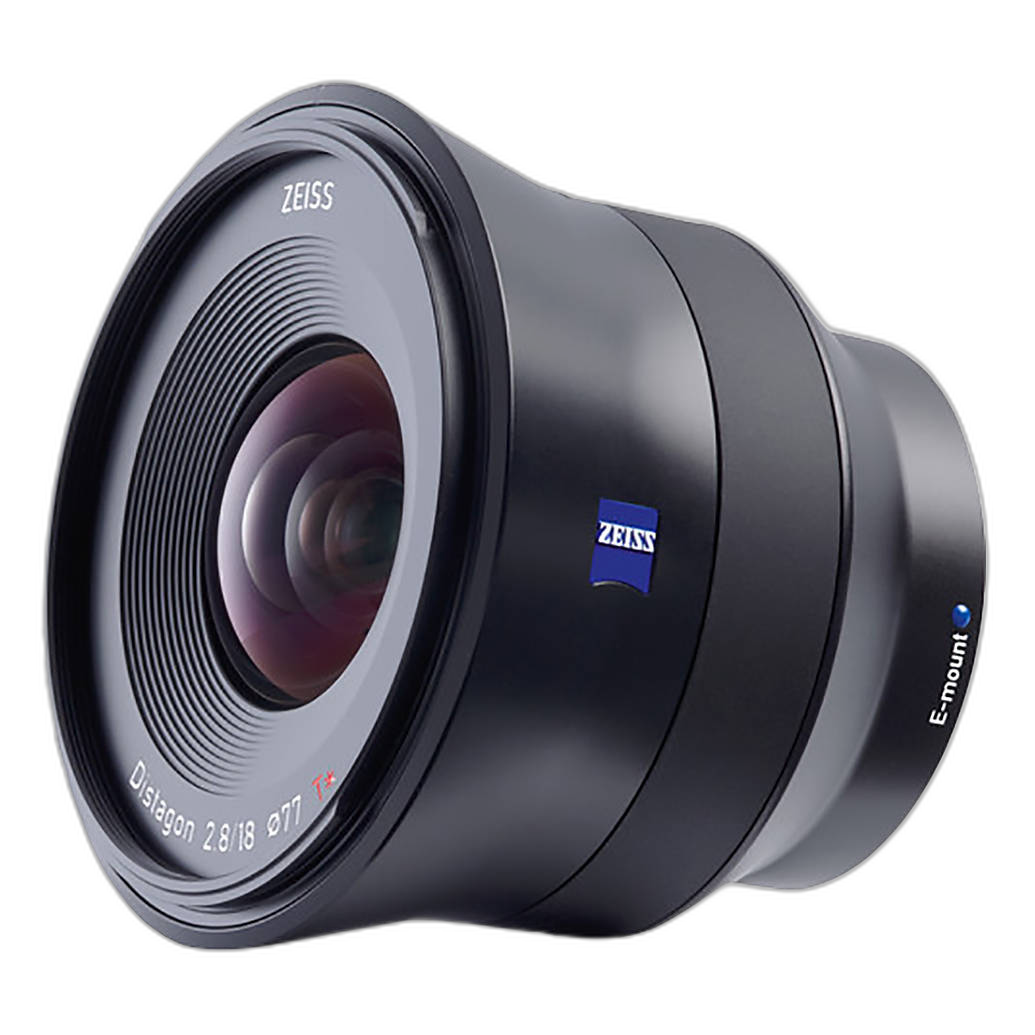
Zeiss Batis 18mm f/2.8 AF Lens for Sony Full Frame E-Mount Cameras
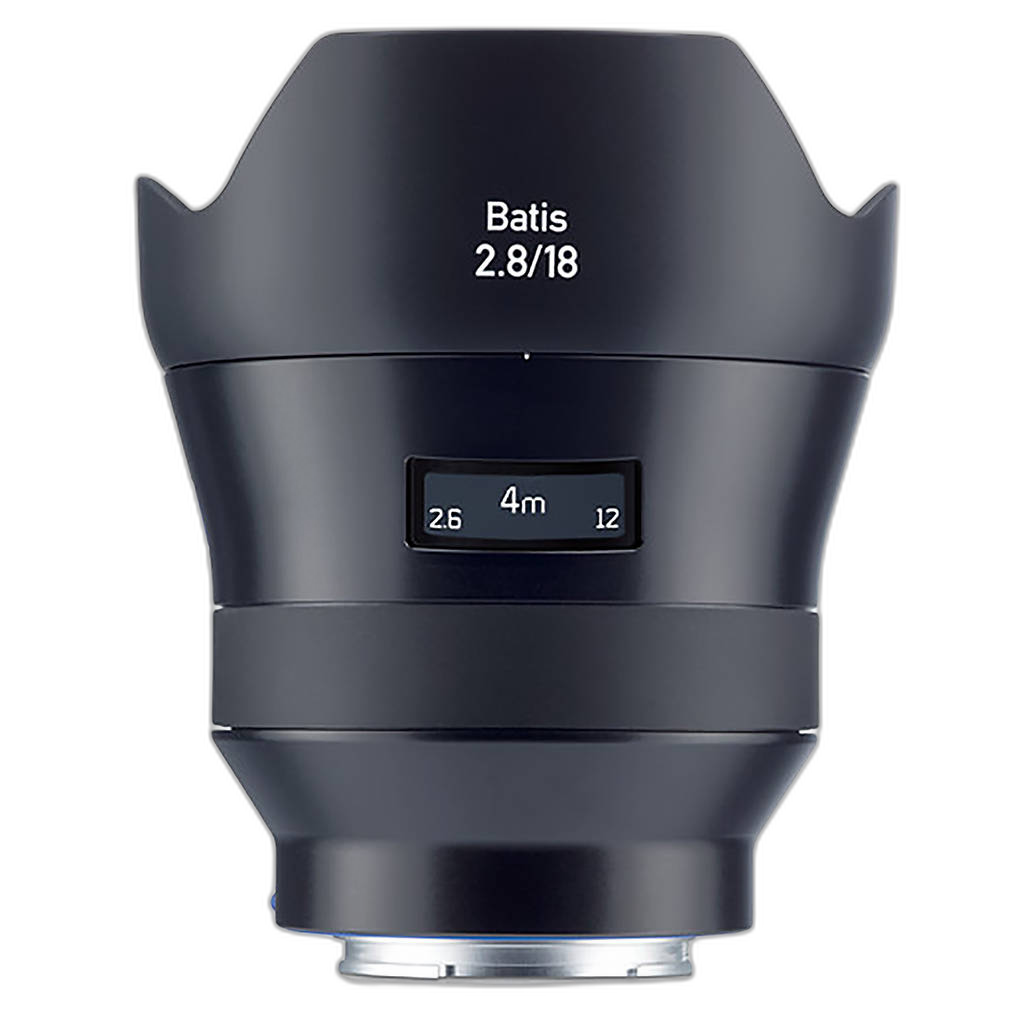
If your entry point into photography is a Sony mirrorless system, the Zeiss Batis 18mm f/2.8 is a great example of why mirrorless remains so attractive in 2024: access to excellent lenses across a growing ecosystem. While this lens is far from a typical starter-lens budget choice, it highlights the strong upgrade path available to mirrorless users who eventually want to expand into landscapes, travel, interiors, and environmental storytelling.
An ultra-wide prime like this can open up creative possibilities once you move beyond the standard kit lens. It’s best thought of as an aspirational upgrade for the beginner who knows they want to stay in the Sony full-frame mirrorless world long term.
Blackmagic Design Power Supply for Pocket Cinema Camera
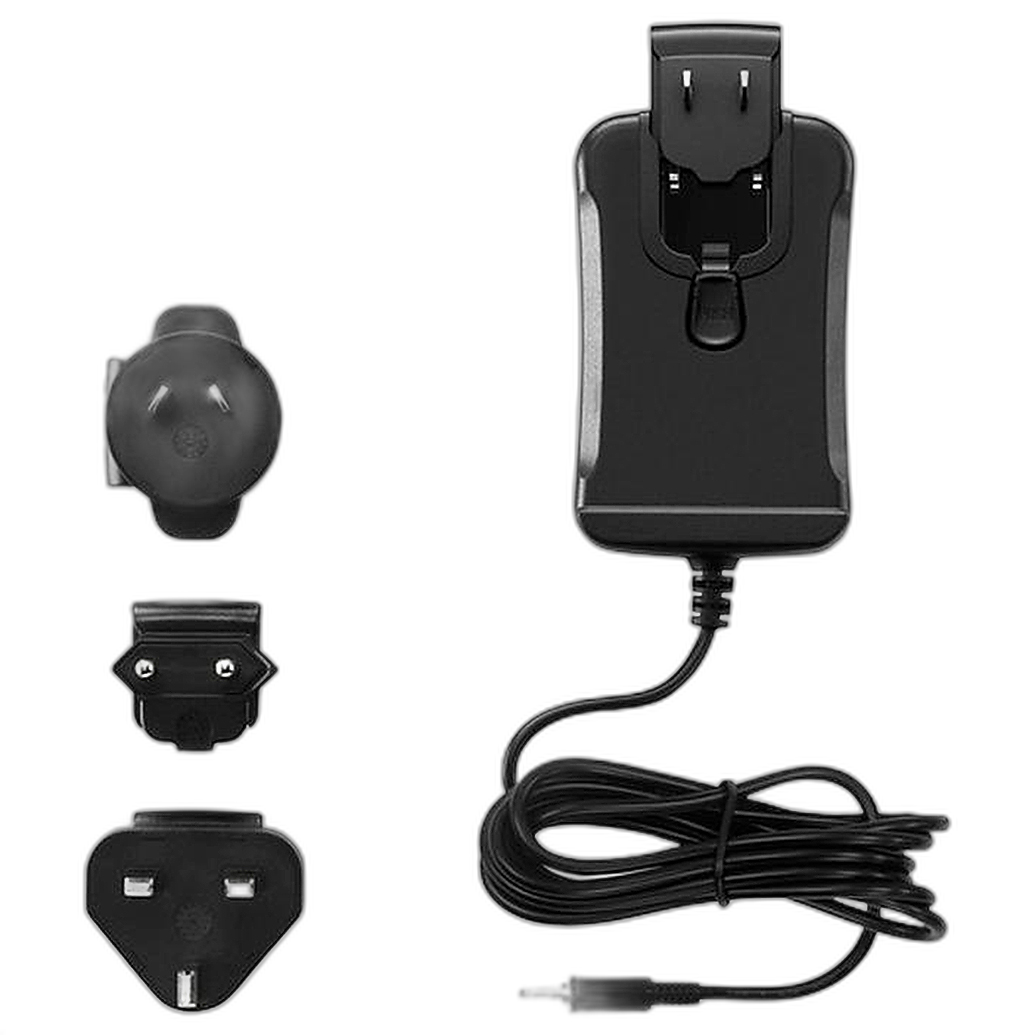
Not every beginner is focused purely on stills. If you’re leaning heavily toward video and content creation, power management quickly becomes important. The Blackmagic Design Power Supply for Pocket Cinema Camera is a reminder that mirrorless and cinema-style systems often require more planning around batteries and accessories than traditional DSLRs.
For video-first beginners, this supports one of the key mirrorless advantages—stronger video potential—but it also highlights one of the tradeoffs: battery life and power solutions matter more. If video is central to your decision, mirrorless still has the edge, but make room in your budget for the supporting gear.
RED Extended Warranty - KOMODO-X

This recommendation is less about entry-level buying specifically and more about a smart purchasing mindset: protecting your investment matters. The RED Extended Warranty - KOMODO-X illustrates how serious camera ownership eventually extends beyond the body itself to support, service, and long-term reliability planning.
Most first-time buyers won’t be shopping at this level, but the lesson applies broadly: when comparing camera systems, think about service, warranty options, and retailer support—not just specs.
Mirrorless vs DSLR: Quick Buying Scenarios
| If you are... | Best Choice | Why |
|---|---|---|
| A total beginner upgrading from a smartphone | Mirrorless | Live preview and modern autofocus make learning easier |
| On a tight budget and focused on stills | DSLR | Great value, especially with used lenses and kits |
| Interested in video or hybrid content creation | Mirrorless | Usually better video tools and autofocus performance |
| Looking for a traditional photography feel | DSLR | Optical viewfinder and larger handling appeal to many users |
| Planning to build a system for years | Mirrorless | More future-focused mount development |
| Traveling frequently | Mirrorless | Smaller kits are easier to carry |
Final Recommendation
For most shoppers reading a 2024 entry-level camera buying guide, the safest recommendation is to start with mirrorless. It’s the best fit for modern beginners who want easier learning tools, better autofocus, and a more forward-looking system. That said, a DSLR can still be an excellent value if your budget is tight and your focus is mainly photography rather than video.
The smartest path is to choose the camera system that matches your needs, then complete the kit with practical accessories like a comfortable strap, a protective camera bag, and the right lenses for how you shoot. If you’re ready to compare options and build your first setup with confidence, Unique Photo is a great place to shop, learn, and get the gear support you need.