Photo Contest Editing Rules FAQ: AI, Composites, and Authenticity
Photo contests can be exciting opportunities for exposure, feedback, and recognition, but they also come with strict rules about editing and authenticity. If you are preparing an entry, understanding what judges and organizers typically allow can help you avoid disqualification and submit your work with confidence.
While every competition has its own standards, there are common patterns across nature, documentary, fine art, and general photography contests. Below, our team at Unique Photo answers the most common questions photographers ask about image manipulation, AI tools, composites, and how to document your process.
What level of editing is usually allowed in major photo contests?
In many major contests, basic global adjustments are commonly acceptable. That usually includes exposure correction, white balance, contrast, color refinement, sharpening, noise reduction, lens correction, and moderate cropping. These edits are generally viewed as part of a normal digital workflow, especially when they preserve the original scene rather than changing its meaning.
The key distinction is whether your editing improves the presentation of what was actually photographed or materially alters the content. Removing distracting objects, adding new elements, replacing skies, moving subjects, or combining frames may be prohibited in some categories. Documentary, journalism, wildlife, and conservation competitions are often the strictest, while open creative or conceptual categories may allow much more extensive post-production.
Our advice is simple: read the rules for the exact category, not just the contest homepage. A single event may permit heavy retouching in one division and ban it completely in another.
Are AI-generated elements allowed in photo contests?
In many contests today, AI-generated content is either restricted, required to be disclosed, or completely banned. If an image includes AI-created skies, backgrounds, subjects, textures, or fill-generated content that introduces visual information not captured in-camera, that can place your entry outside the rules for traditional photography categories.
Even when AI tools are used for seemingly minor edits, disclosure matters. Features such as generative fill, content-aware expansion, or synthetic background replacement can trigger a disqualification if the rules require an authentic photographic capture. Some competitions now have dedicated AI or digital art categories, but that does not mean AI is welcome everywhere.
If you use software with AI-assisted masking, denoise, or sharpening features that do not invent scene content, those tools may still be acceptable in some contests. The safest path is to ask: did this tool restore or optimize what the camera captured, or did it create something new? If it created new visual information, treat it as potentially prohibited unless the contest rules explicitly permit it.
Can I submit a composite image?
Composites are sometimes allowed, but only in categories where creative manipulation is explicitly accepted. In a fine art or open digital category, blending multiple exposures may be completely appropriate. In a travel, photojournalism, wildlife, or documentary category, however, composites are often forbidden because they can misrepresent the moment.
This is especially important with focus stacking, HDR blending, panorama stitching, and exposure blending. Some contests permit technical merges if they do not alter the factual content of the scene, while others define any multi-frame combination as a composite. Never assume that a technique is acceptable just because it is common in everyday editing.
If your work involves layered construction or advanced digital assembly, transparency is essential. Label the image honestly, review the rules closely, and keep all source files organized in case the organizers ask for proof.
How do photo contests verify authenticity?
Contest organizers often verify authenticity by requesting RAW files, original JPEGs, sidecar files, metadata, or even a sequence of frames taken before and after the submitted image. They may compare timestamps, camera data, focal length, exposure settings, and editing history to confirm that the final image matches the capture process described in the rules.
For sensitive categories such as documentary and wildlife, some contests also use forensic image review. That can include checking for cloning patterns, irregular edge transitions, inconsistent noise structure, suspicious metadata gaps, and signs of compositing. In some cases, entrants may be asked to provide an explanation of their workflow.
Good file management is one of the best ways to protect yourself. Keep your originals, export versions, and notes from your shoot. If you print test images for review, it can help to maintain a physical reference workflow as well. Our Unique Photo Lab 4x6 Print Glossy is a practical option for making quick proof prints while reviewing a contest portfolio.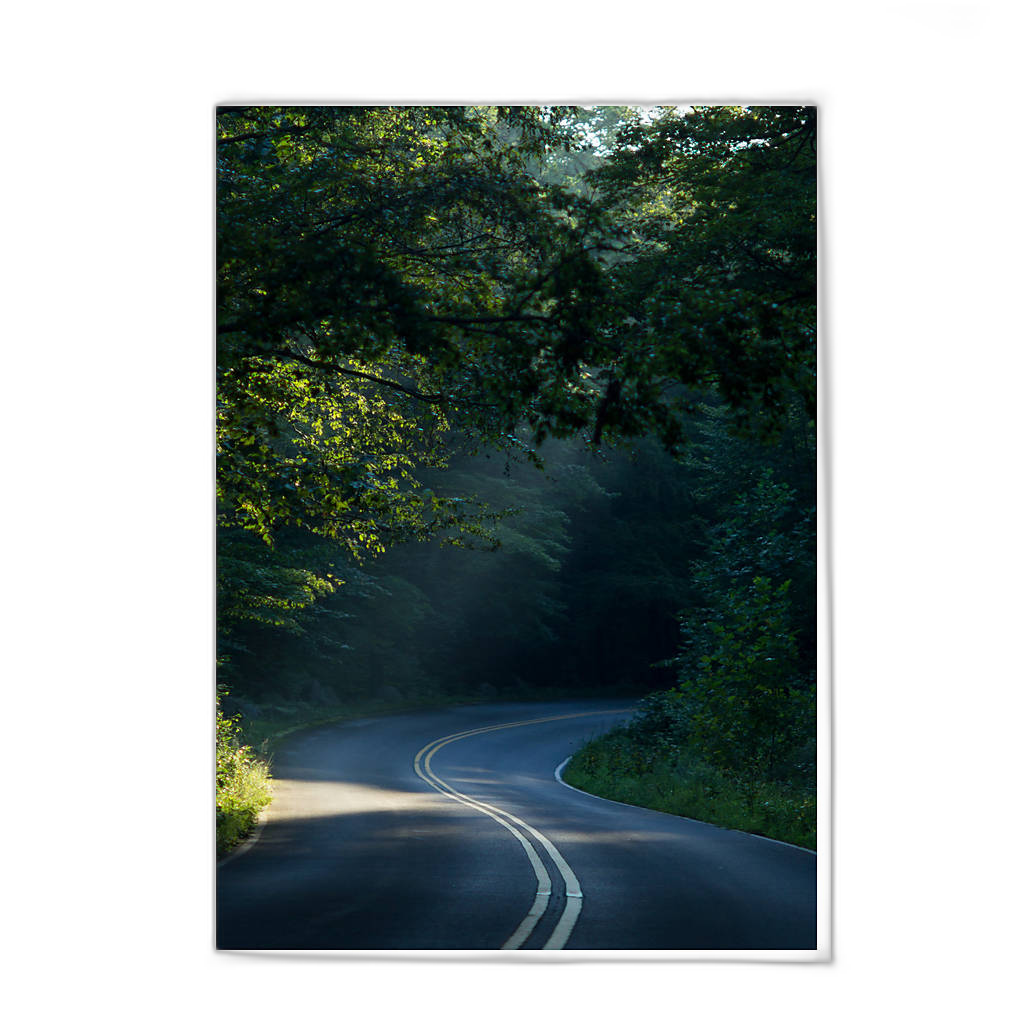
For photographers producing exhibition-quality contest prints, the Epson SureColor P5370 17-Inch Professional Photographic Printer is an excellent choice when you need consistent output and fine tonal control for juried submissions.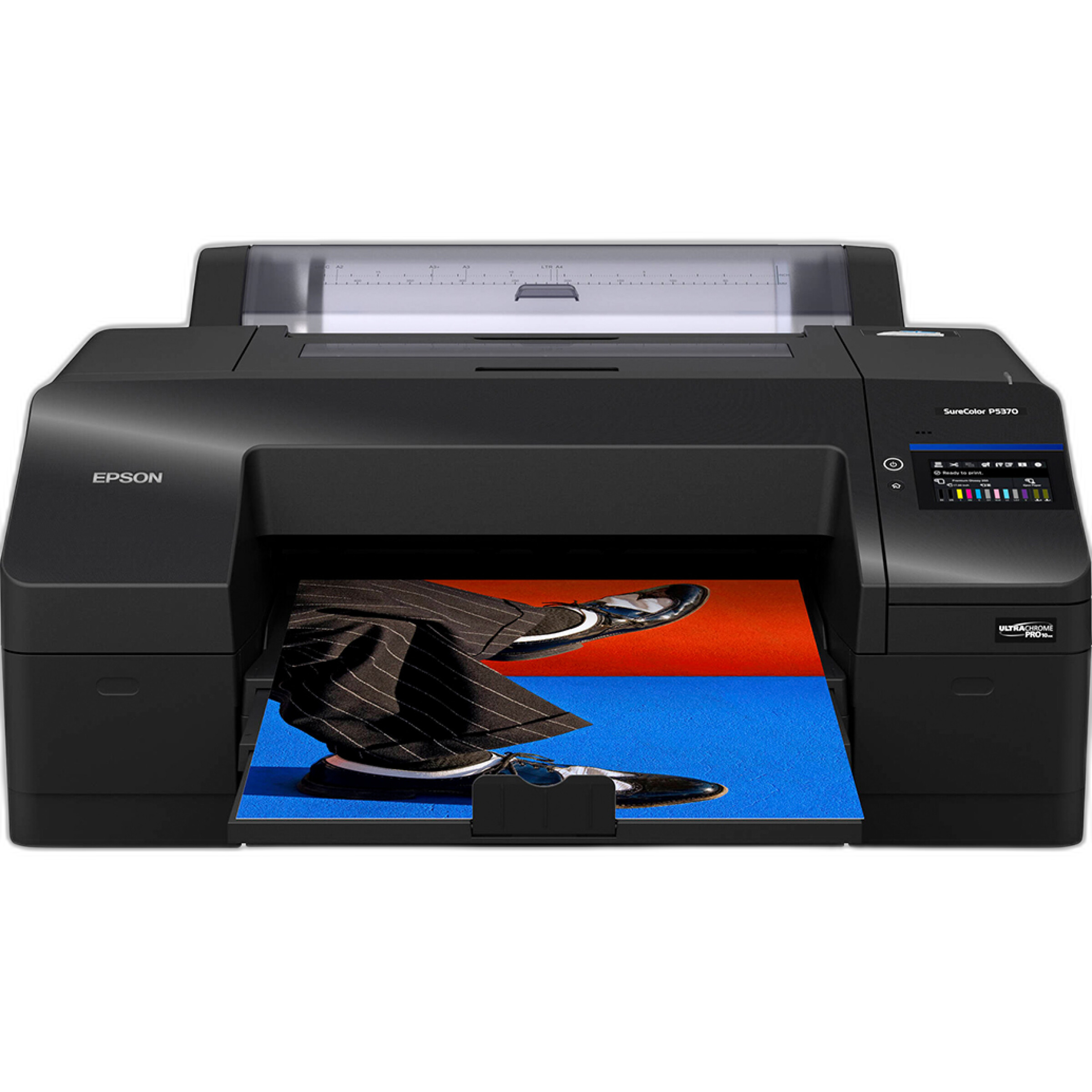
What kinds of edits most often lead to disqualification?
The most common reasons for disqualification are undeclared composites, object removal or addition, excessive cloning, misleading retouching in documentary-style images, and use of AI-generated content where it is not allowed. Another major issue is entering an image into the wrong category. A beautifully edited creative image may still be rejected if submitted to a category that expects strict realism.
Photographers also run into trouble when they cannot provide the original capture files. Even if the image itself seems acceptable, missing RAW files can raise concerns about authenticity. Overediting can become a problem too, especially when it introduces halos, unnatural textures, or tonal artifacts that suggest more than routine adjustment.
One good habit is to build a submission checklist before entering: review category rules, confirm whether composites are allowed, preserve originals, and keep a record of the edits you made. That extra step can prevent expensive mistakes.
How can I stay ethical while still making my images look their best?
Ethical editing starts with intent. Ask yourself whether your changes clarify the photograph or change the truth of the scene. In many contests, refining color, improving contrast, and cleaning up technical imperfections is fine. The problem begins when the edit changes what a viewer would reasonably believe happened in front of the camera.
It also helps to develop strong technique in-camera so you rely less on aggressive rescue work later. Workshops and field experiences can sharpen those habits. For example, hands-on educational programs like Macro and Landscape Photography at Duke Farms with Michael Downey can help photographers improve composition, light awareness, and capture discipline before they ever open editing software.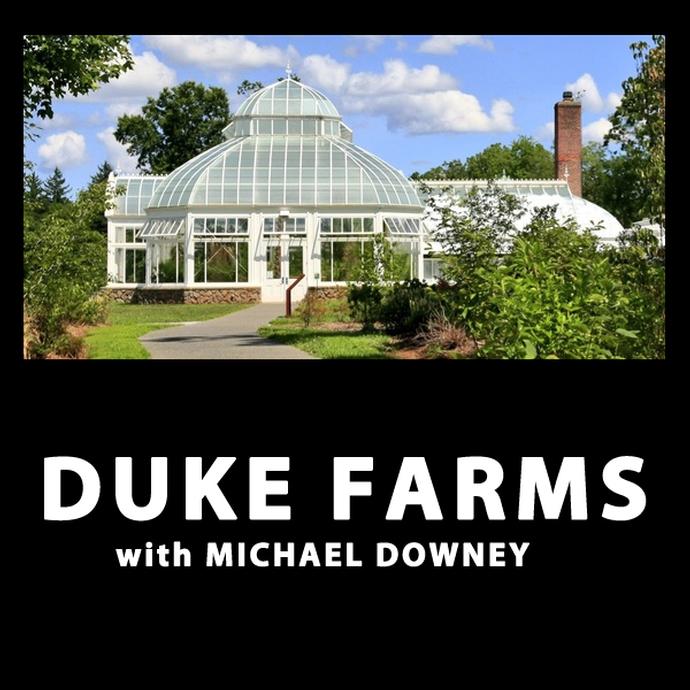
Likewise, immersive experiences such as Photograph Fluorescent Zinc Ore at Sterling Hill Mine encourage careful exposure and creative problem-solving in unusual lighting conditions, which can reduce the temptation to overprocess later.
Should I keep proof prints or physical records of my contest work?
Yes, especially if you are building a long-term portfolio or entering multiple competitions. Physical prints can help you evaluate sequencing, consistency, and whether an image feels believable when viewed away from the screen. They are also useful for discussing selections with mentors, clients, or instructors.
For storing small proof prints, albums can be surprisingly practical. The Pioneer 4 x 6 In. Bi-Directional Memo Photo Album gives you an easy way to organize printed selects, and memo areas can be used for notes on category, editing limits, or submission deadlines.
If you need to expand an existing archive, Pioneer Album Refill Pages for BP-200 Album can help maintain a well-organized record of entries, alternates, and printed proofs.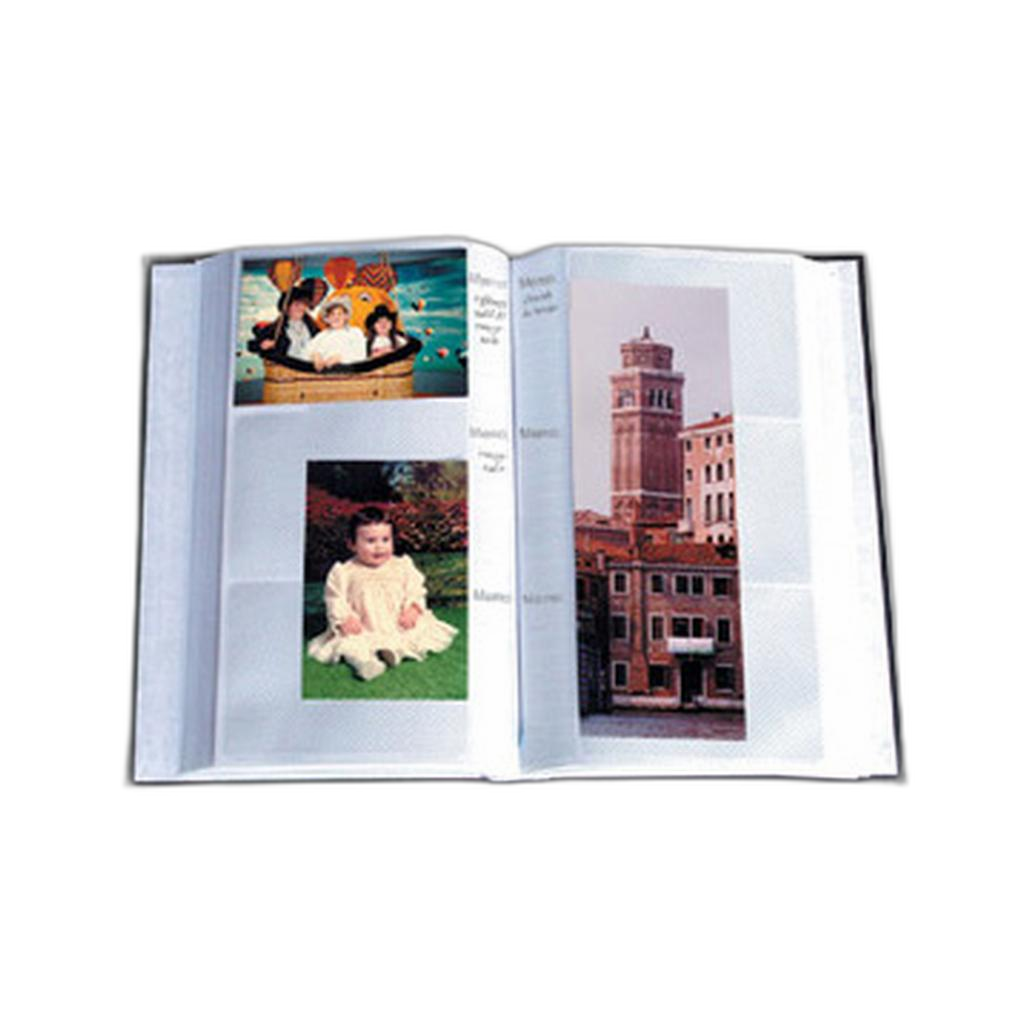
What if a contest rule seems vague or confusing?
If a rule is unclear, contact the organizers before you submit. That is always better than making assumptions. Ask specific questions: Is sky replacement allowed? Is focus stacking permitted? Can I remove sensor dust? Are AI denoise tools acceptable? A clear written answer from the contest team can protect you if your image is later reviewed.
It is also wise to compare the wording around terms like manipulation, enhancement, composite, and authenticity. Different organizations define these words differently. When in doubt, choose the more conservative interpretation. A strong photograph that follows the rules will always have a better chance than a risky submission that raises ethical questions.
How can I prepare for contests without losing my creative voice?
You do not need to become overly cautious or stop experimenting. The best approach is to separate your workflows. Maintain one track for authentic contest-ready images and another for unrestricted creative exploration. That allows you to compete confidently while still pushing your style in personal work, gallery projects, or conceptual pieces.
Educational events can also help photographers understand how storytelling, editing, and presentation intersect in professional practice. Programs like EXPO: Stories from the Road - Photography Across Worlds w. Matthew Borowick can inspire thoughtful image-making while reinforcing the importance of context and honest visual communication.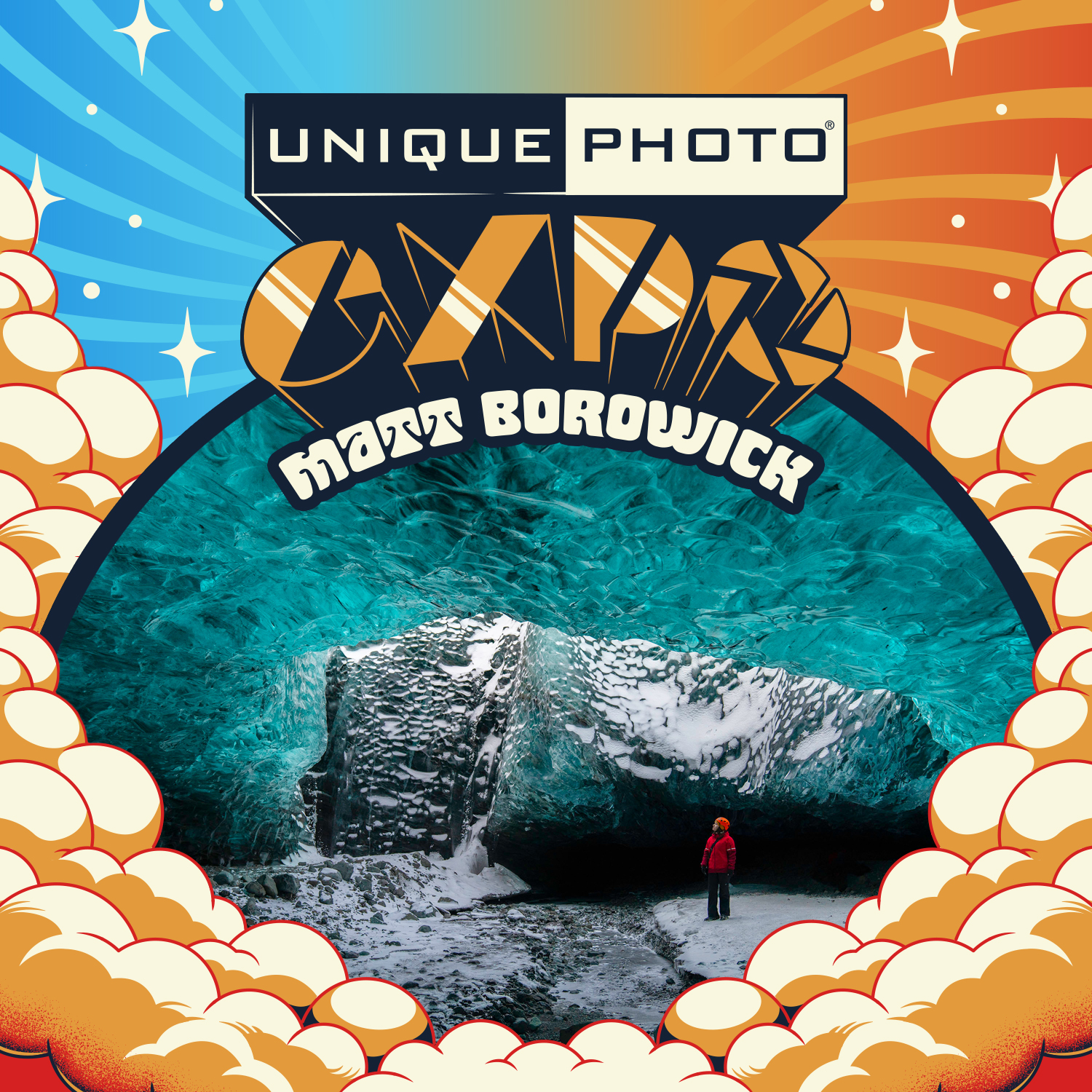
Ultimately, contest success is not just about technical polish. It is about matching your image, your workflow, and your ethics to the standards of the competition.
Need help refining your workflow, printing a submission, or finding photography education that strengthens your technique? Visit Unique Photo to explore classes, printing solutions, and photo accessories that help you enter contests with confidence and integrity.