Online Photography Contest FAQ: How to Improve Your Chances of Winning
Online photography contests can be exciting opportunities to gain exposure, challenge your creativity, and refine your workflow. At Unique Photo, we often hear the same questions from photographers entering their first contest as well as experienced shooters looking to improve their results, so this FAQ breaks down the practical factors that can make a strong submission stand out.
While every contest has its own rules and judging style, the strongest entries usually combine technical quality, clear intent, and memorable visual storytelling. Here are the best practices we recommend when preparing images for online competition.
How do judges typically assess photography contest submissions?
Most judges look for a combination of impact, technical execution, originality, and relevance to the contest theme. A photograph often needs to make a strong impression quickly, especially in early rounds when judges may review many entries in a short period. That means composition, subject placement, light, timing, and emotional resonance all matter from the first glance.
Beyond initial impact, judges usually notice whether the image feels deliberate. Clean exposure, strong focus where it matters, thoughtful framing, and a coherent editing style can all signal that the photographer made intentional creative choices. If the contest has a specific topic, your image should connect to that topic clearly without needing explanation.
Developing that sense of visual intention often comes from studying strong work and learning how accomplished photographers build a frame. Educational experiences such as Unique Photo's EXPO: Stories from the Road - Photography Across Worlds can help photographers better understand narrative, perspective, and how images communicate across genres.
Is it better to follow popular trends or submit something more unique?
The best answer is to understand the visual language of the contest without becoming predictable. If you only imitate current trends, your image may look polished but forgettable. If you try too hard to be different without a strong concept, the image may feel disconnected or confusing. The ideal contest submission balances familiarity and surprise: it is accessible enough to read instantly, but distinct enough to remain memorable.
Ask yourself what fresh perspective you can bring to a subject. This could be unusual light, a stronger moment, a more refined composition, or a more personal point of view. Judges tend to respond well when a photo feels authentic rather than manufactured to chase trends.
Workshops that build observation and field technique can help you create images that feel more personal from the start. For example, Macro and Landscape Photography at Duke Farms with Michael Downey is a great fit for photographers who want to strengthen how they see detail, depth, and visual structure in nature-focused work.

How important is the contest theme when choosing an image?
The theme is critical. Even a beautiful image can underperform if it does not fit the assignment as clearly or creatively as another submission. Before entering, read the contest description carefully and pay attention to keywords, mood, and whether the organizers seem to reward literal interpretation, conceptual interpretation, or storytelling.
A strong strategy is to shortlist a few of your best images and then ask which one answers the prompt most convincingly. Do not simply submit your favorite photograph if it only loosely connects to the theme. A judge should be able to understand why your image belongs in the contest within seconds.
Also consider whether your image tells a complete story on its own. Strong themed entries often have clarity of subject, visual hierarchy, and an emotional or narrative hook that supports the category.
Should I submit high-resolution files or downscale images for web contests?
Always follow the contest specifications exactly. If the contest requests a certain pixel dimension, file size, color space, or file format, treat those requirements as part of the judging process. Sending a larger file than requested usually does not improve your odds and can sometimes create upload issues, slow review, or even disqualify an entry.
For web-based contests, a carefully exported JPEG at the required dimensions is usually the right choice. Resize with care, apply output sharpening appropriate for screen viewing, and check that fine detail still looks natural. Oversharpening, compression artifacts, halos, and banding can become more obvious online.
If you are working from a high-resolution camera, guides that help you get the most from your files can be useful when preparing contest entries. Photographers using Nikon DSLRs may appreciate resources like the Nikon D850 Guide to Digital SLR Photography by David Busch for a deeper understanding of image quality, file handling, and camera optimization.
How important is post-processing in contest entries?
Post-processing is very important, but it should support the photograph rather than overpower it. Thoughtful editing can improve tonal balance, color accuracy, local contrast, and subject emphasis. It can also help unify the frame so that the viewer's attention goes exactly where you want it.
That said, excessive editing can hurt an otherwise strong image. Heavy-handed saturation, unnatural skin tones, harsh HDR effects, distracting sharpening, and inconsistent retouching can all pull judges out of the photograph. If the contest has rules about compositing or content-aware removal, be especially careful to stay within those limits.
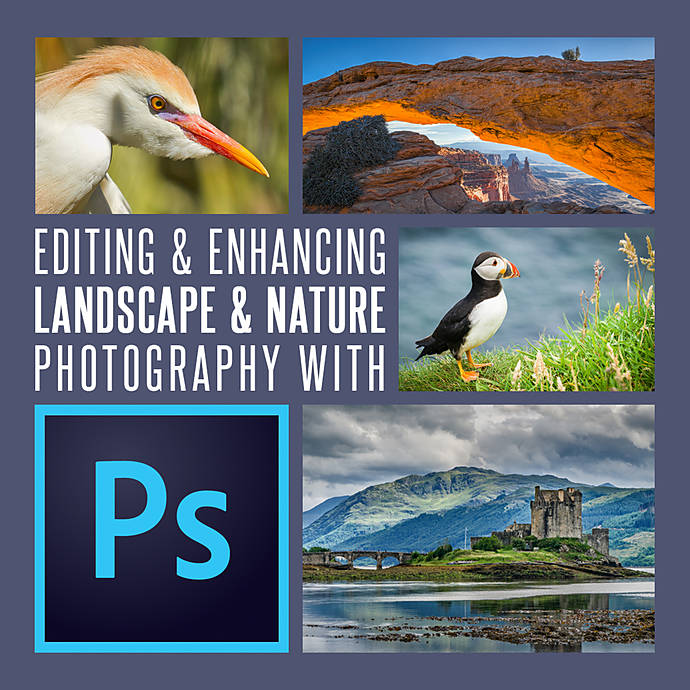
One of the smartest approaches is to create a polished but believable final image. If you want to strengthen your editing discipline, Unique Photo's Editing and Enhancing Landscape and Nature Photography with Photoshop is a valuable resource for photographers looking to refine adjustments without losing realism.
For photographers who want to better understand controlled lighting, product-style precision, and post-production workflow, Product Photography and Post Production Editing with Blake Taylor can also help sharpen critical editing decisions that translate well to contest work.

What makes an image stand out quickly in online judging?
Strong images usually have a clear center of interest, clean composition, and a visual path that keeps the eye engaged. Simplicity often helps. If a judge has to search for the subject or decipher too many competing elements, the image may lose impact compared with a more direct frame.
Light is often the differentiator. Great light can elevate a familiar subject, while mediocre light can flatten a promising composition. Timing matters too, whether that means waiting for an expression, a gesture, a wave pattern, cloud break, or a decisive moment in the street.
Before submitting, view your image as a small thumbnail and at full screen. If it still reads clearly when small and rewards closer inspection when enlarged, that is usually a good sign for online competition.
Should I prioritize technical perfection or emotional impact?
Ideally, you want both, but if forced to choose, emotional impact often carries more weight than sterile perfection. A technically impeccable image that says very little may not be as memorable as a photograph with a strong story or feeling. However, major technical flaws can distract from that emotional strength, so aim for competence first and artistry second.
The winning balance depends on the contest category. Fine art, documentary, wildlife, portrait, and landscape competitions may each place emphasis differently. In every case, the technical side should support the message, not call attention to itself.
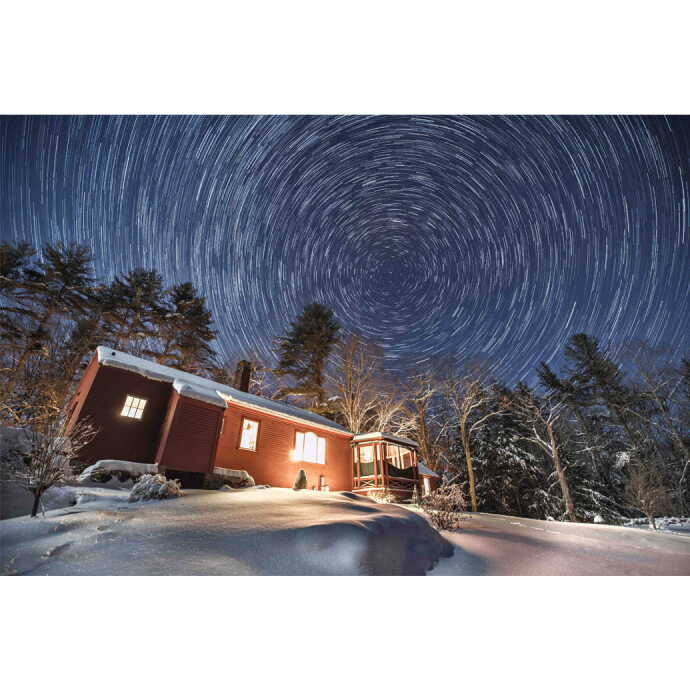
This is especially true in specialized genres where technique must be solid before creativity can shine. For example, astrophotography requires both precision and visual drama, and educational programs like UUOnline: Astrophotography 4-Part Series with Temu Nana can help photographers strengthen capture technique for more compelling entries.

How many images should I enter, and how should I choose them?
If the contest allows multiple entries, do not assume more is automatically better. Submit your strongest, most cohesive work rather than every image you think is decent. A smaller set of excellent photographs generally creates a stronger impression than a larger group with uneven quality.
When editing your shortlist, compare images side by side and remove any that feel repetitive, overly similar, or slightly weaker than the best one. It also helps to ask whether each image has a unique reason to be there. Variety can be valuable, but only if every submission meets the same standard.
If possible, get outside feedback before entering. A trusted instructor, peer, or class environment can reveal weaknesses you have stopped noticing in your own work.
What common mistakes lower a photographer's chances in online contests?
Some of the most common issues include ignoring the theme, submitting files with the wrong specifications, overediting, weak cropping, cluttered backgrounds, and entering images that are technically fine but emotionally flat. Another frequent mistake is choosing a photo because it was difficult to make rather than because it is effective for the viewer.
Photographers also sometimes overlook presentation details. Make sure the horizon is level if appropriate, dust spots are removed, color is consistent, and any borders or watermarks comply with the rules. Small distractions may seem minor, but judges notice polish.
Finally, do not underestimate originality. Even in crowded categories, a photograph with a distinct voice has a better chance of being remembered after the judging session ends.
Can classes and photo events really help with contest performance?
Absolutely. Contests reward strong seeing, disciplined editing, and confident storytelling, all of which improve when you continue learning. Classes, guided shoots, and talks can sharpen both your technical control and your ability to evaluate your own images more critically before submission.
Whether you are building field skills, refining your editing, or exploring new genres, continuing education can directly improve the quality of your entries. Unique Photo offers a wide range of learning opportunities, from hands-on sessions and expos to online classes that help photographers at different experience levels grow with purpose.
If you are ready to strengthen your contest workflow, explore classes, books, and photography events at Unique Photo. From image capture to post-processing and presentation, we have the resources to help you create submissions that are not just competitive, but genuinely memorable.