Smartphones have made photography more accessible than ever, which is exactly why so many new photographers eventually ask the same question: Is it time for a real camera? If you’ve hit the limits of digital zoom, shallow manual control, low-light performance, or lens flexibility, your first camera can be a huge step forward. The key is choosing gear that gives you better image quality and more creative control without becoming frustrating or overly expensive.
Below are practical tips to help beginners move from phone photography to a first camera setup that delivers value, stays easy to use, and leaves room to grow over time.

1. Start With Your Goals, Not Just the Camera Body
Figure out what you actually want to photograph
The best first camera depends less on specs and more on what excites you enough to keep shooting. If you love portraits, travel, landscapes, street photography, sports, or night skies, that should guide your decision.
- Travel and everyday photography: prioritize a compact mirrorless body and versatile zoom lens.
- Portraits: look for strong autofocus and a future path to a bright prime lens.
- Landscapes: resolution matters, but lens quality and technique matter even more.
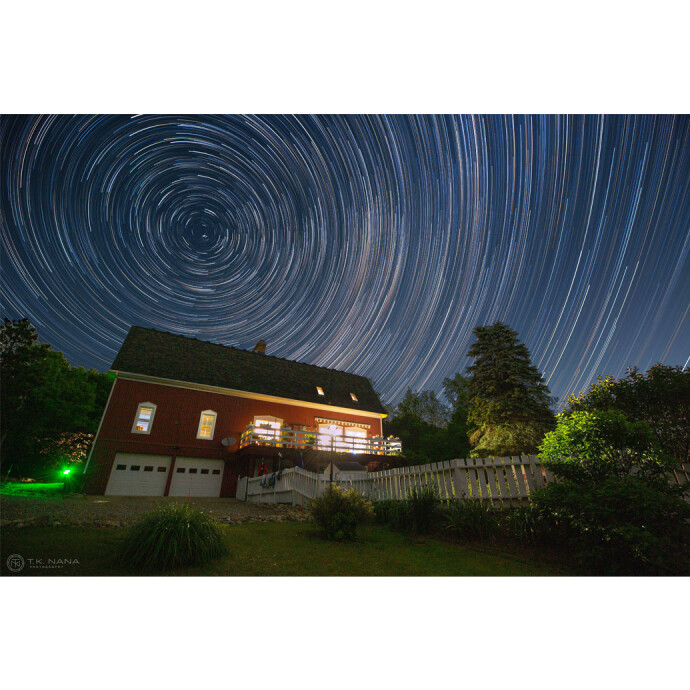
- Astrophotography: low-light capability, manual control, and tripod use become important fast.
If you are still discovering your style, educational events can help you narrow it down before investing heavily. Programs like EXPO: Stories from the Road - Photography Across Worlds w. Matthew Borowick can be a great source of inspiration when you are deciding what kind of photographer you want to become.

2. Value Usually Comes From the Lens System, Not Just the Body
Think long-term about the mount you’re buying into
Beginners often compare bodies endlessly, but your long-term investment is really the lens ecosystem. Camera bodies come and go. Lenses often stay with you for years.
When choosing your first camera, ask:
- Are there affordable beginner lenses available?
- Can I add a fast 50mm-equivalent prime later?
- Is there an ultrawide, telephoto, or macro option if my interests change?
- Does this system have room to grow into more advanced bodies later?
That’s why a modest body paired with a good kit lens can be smarter than stretching your budget for a body with features you won’t use yet. A system with a healthy lens lineup is almost always the better value play.
3. Prioritize Usability Over Advanced Specs
A camera you enjoy using will help you improve faster
If your first camera feels confusing, heavy, or intimidating, it may spend more time on a shelf than in your hands. For most smartphone upgraders, the best beginner camera is one that offers:
- Intuitive menus
- A comfortable grip
- Reliable autofocus
- A touchscreen or familiar controls
- Good JPEG color and easy auto modes
- Simple wireless image transfer
This is where many entry-level and midrange mirrorless cameras shine. They often deliver a more approachable experience than older, more complex pro bodies. Even if a DSLR offers excellent image quality, ease of use matters if you are still building confidence.
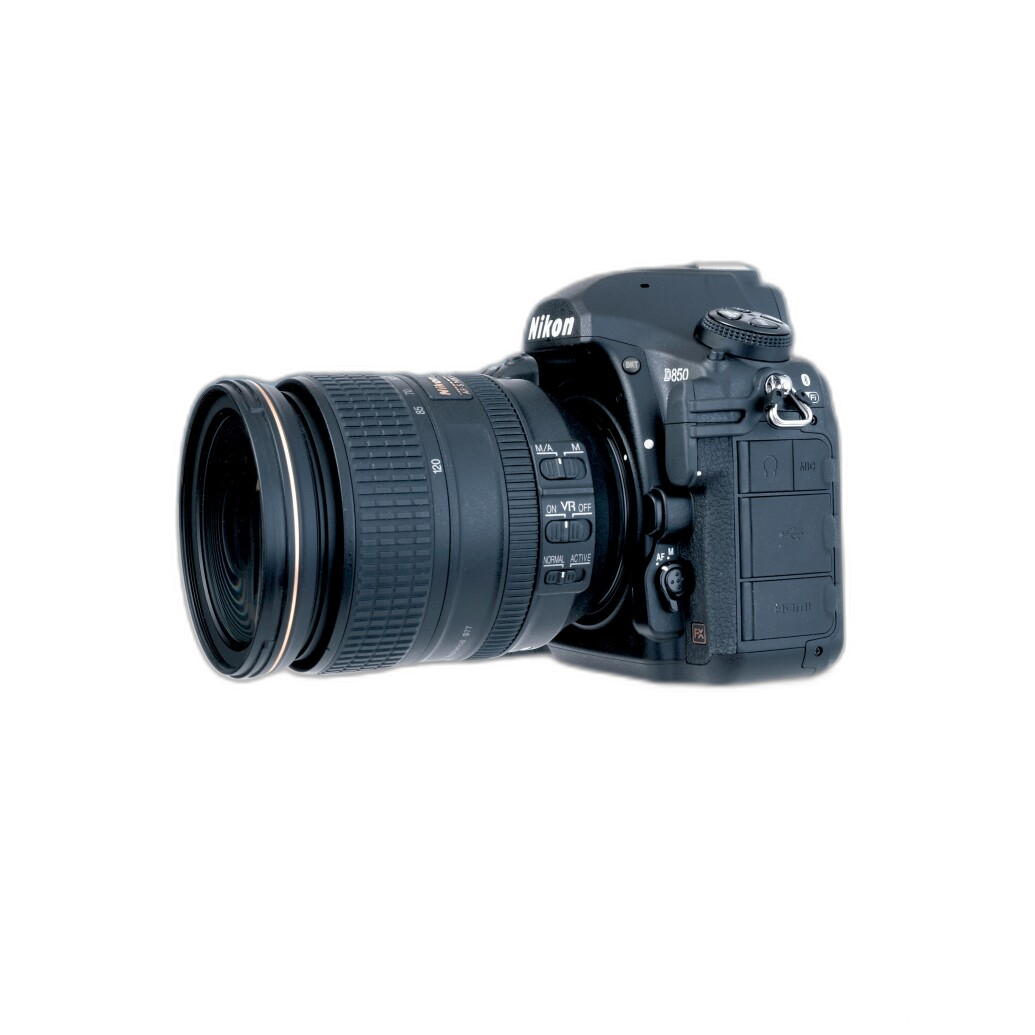
That said, some photographers love learning through a more traditional camera interface. If that sounds like you, a resource like the Nikon D850 Guide to Digital SLR Photography by David Busch shows how a dedicated guide can make an advanced camera far more approachable over time.
4. Your Best First Setup Is Often a Body Plus One Versatile Lens
Skip the urge to buy too much too soon
One of the smartest ways to maximize improvement is to keep your initial kit simple. A camera body with a standard zoom lens gives you room to learn composition, exposure, focus, and focal length preferences before buying specialty glass.
A strong beginner setup often looks like this:
- A beginner-friendly mirrorless or DSLR body
- A kit lens or versatile standard zoom
- One extra battery
- A memory card
- A basic camera bag
Once you know what you enjoy, your next lens purchase becomes much easier. Many photographers discover that their first meaningful upgrade is not a new body at all, but a bright prime lens for portraits and low light, or a telephoto for travel and sports.
If your interests move toward close-up details, nature, or scenic work, hands-on learning opportunities like Macro and Landscape Photography at Duke Farms with Michael Downey can help you understand what lenses and techniques really matter before you buy more gear.

5. Improvement Comes More From Practice Than Sensor Size Alone
Don’t assume expensive gear automatically means better photos
Yes, larger sensors can improve image quality, especially in low light and dynamic range. But the jump from smartphone to interchangeable-lens camera is already significant. What matters next is learning how to use that camera intentionally.
Focus on developing these core skills:
- Understanding shutter speed, aperture, and ISO
- Using natural light well
- Composing with purpose
- Learning when to switch lenses or focal lengths
- Editing your photos for a polished final result
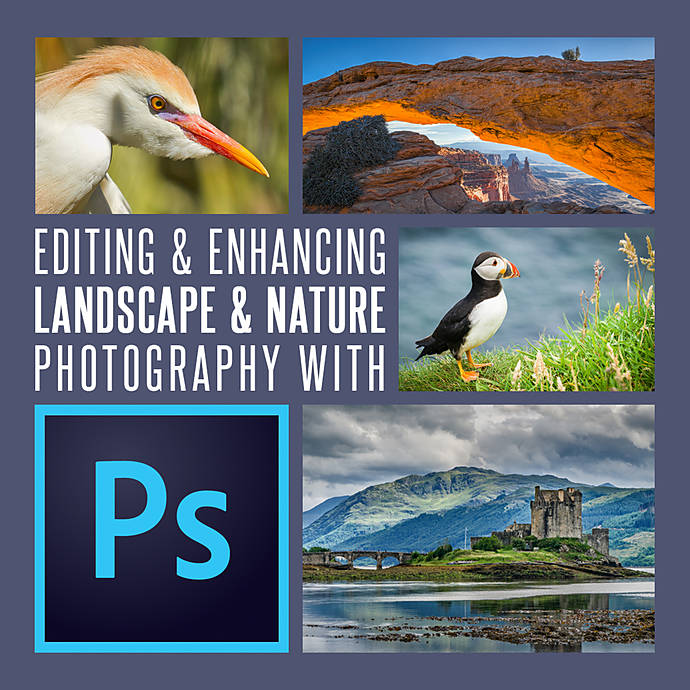
For many beginners, editing is the missing piece. A class like Editing and Enhancing Landscape and Nature Photography with Photoshop can help bridge the gap between a good capture and a finished image, especially once you begin shooting RAW files.
6. Match Your Camera Choice to the Kind of Learning You Enjoy
Some photographers grow through automation, others through manual control
Smartphone shooters come from different backgrounds. Some want a camera that feels familiar and fast. Others want the full hands-on experience of changing settings themselves.
That means your ideal first camera path may be different depending on how you like to learn:
- If you want a smooth transition: choose a modern camera with strong auto modes and a great touchscreen interface.
- If you want to understand photography deeply: choose a camera with dedicated dials and spend time practicing in aperture priority and manual mode.
- If you are curious about photographic fundamentals: even exploring analog concepts can sharpen your understanding of exposure and intentional shooting.
Experiences such as the Film Lovers Event: Intro to Film Photography (Philly) can be surprisingly valuable, even for digital beginners, because they reinforce patience, composition, and camera basics in a very hands-on way.
7. Leave Room in Your Budget for Education and Future Growth
The smartest investment isn’t always more gear
It’s easy to spend your entire budget on a camera body, but that can leave little room for the things that actually help you improve: lenses, accessories, classes, and practice. A well-balanced budget often leads to better results than buying the most expensive camera you can barely afford.
Consider setting aside part of your budget for:
- A future prime lens
- A tripod
- Editing software
- A workshop or online class
- Books and learning resources
If you think you may want to explore more specialized photography later, learning-first resources are a smart addition. For example, UUOnline: Astrophotography 4-Part Series with Temu Nana and UUOnline: Astrophotography 4-Part Series with Temu Nana (Session 2) are great examples of how targeted education can help you expand beyond everyday shooting when you are ready.


Final Thoughts
Your first camera should make photography more exciting, not more complicated. Look for a system that fits your budget, feels intuitive in your hands, and gives you a clear lens path for the future. For most beginners, a user-friendly body and one versatile lens is the sweet spot for value, usability, and long-term growth.
Most importantly, remember that improvement comes from shooting often, learning intentionally, and gradually building your kit around your interests. Whether you are exploring classes, books, events, or your first camera setup, Unique Photo is a great place to keep growing as a photographer.