Thinking about switching camera systems? Whether you are moving from DSLR to mirrorless, changing brands for better autofocus, or rebuilding your kit for photo and video work, comparing Sony vs Canon vs Nikon is one of the most common decisions photographers and filmmakers make. At Unique Photo, we regularly help creators weigh lens investments, body features, ergonomics, video specs, and long-term upgrade paths before making the jump.
The right system is not always about which brand is "best." It is about which ecosystem best fits your shooting style, existing gear, budget, and future goals. If you shoot weddings, sports, portraits, wildlife, content creation, or professional video, each system offers meaningful advantages.
Sony vs Canon vs Nikon: Which camera system is best for switching?
If you are switching camera systems, start by looking at the full ecosystem rather than one camera body. Bodies change quickly, but lenses, accessories, menus, batteries, and workflow habits tend to stay with you for years.
- Sony is often chosen for advanced autofocus, broad mirrorless lens support, strong video tools, and a mature full-frame ecosystem.
- Canon is popular for color science, ease of use, excellent autofocus, and a strong appeal for hybrid shooters and portrait photographers.
- Nikon stands out for image quality, handling, ergonomics, and a growing mirrorless system that appeals to photographers who prioritize stills performance.
For many buyers, the real question is not simply Sony vs Canon vs Nikon. It is whether switching will improve results enough to justify replacing lenses, adapters, flashes, cages, media, and batteries.
Why photographers and videographers switch camera brands
Most people do not switch systems casually. They switch because something in their current setup is limiting them. Common reasons include:
- Need for better autofocus for sports, wildlife, weddings, or run-and-gun video
- Desire to move from DSLR to mirrorless
- Interest in stronger video features like log recording, better codecs, or higher frame rates
- Need for lighter gear and more compact lenses
- Improved lens selection in a specific focal length or price range
- Better subject tracking, eye AF, or low-light performance
- More reliable upgrade path for commercial or professional production
At Unique Photo, many upgraders also ask whether they should buy new or consider used gear to reduce switching costs. That can be a smart strategy, especially if you are entering a more video-focused Sony setup or testing a new system before committing fully.
Sony camera system advantages for switchers
Sony has become a top choice for creators who want a deep mirrorless ecosystem and strong hybrid performance. For users switching from older DSLR systems, Sony often feels like a leap forward in autofocus and video capability.
Why people switch to Sony:
- Excellent real-time autofocus and subject tracking
- Strong selection of full-frame mirrorless bodies
- Deep third-party lens support from Sigma, Tamron, and others
- Advanced video features across many product lines
- Strong appeal for content creators, wedding shooters, and filmmakers
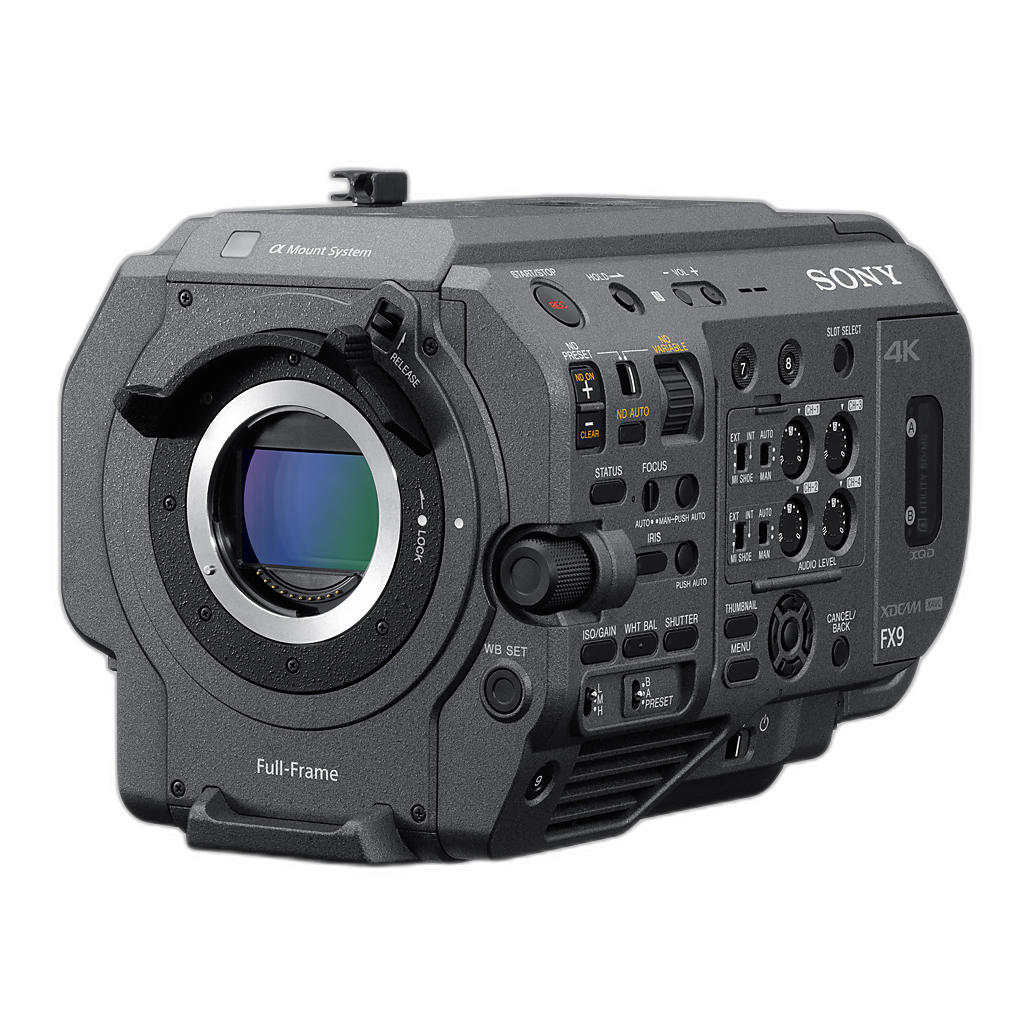
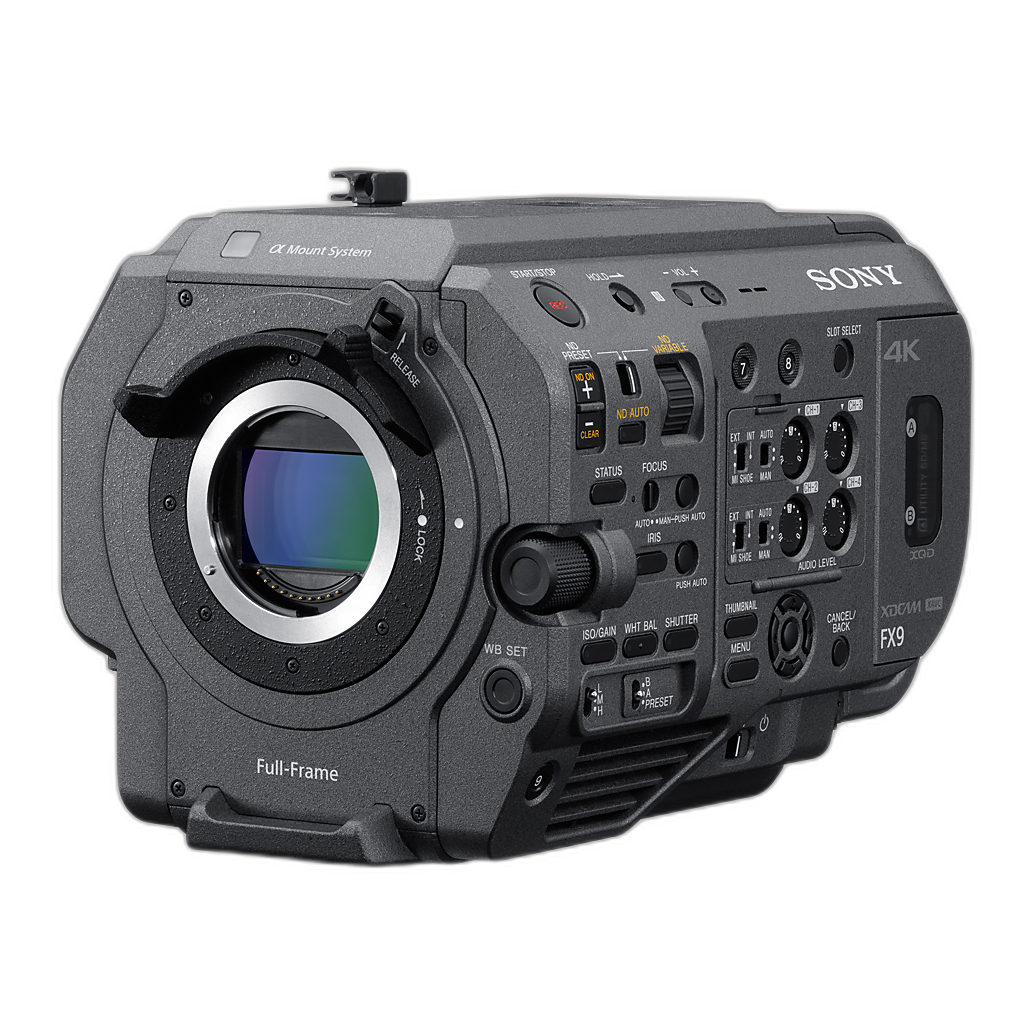
Sony is especially compelling for users who need video-first tools. Professional cinema and broadcast shooters looking at a larger system may consider options like the Sony PXW-FX9 XDCAM 6K Full-Frame Camera System, which reflects Sony's strength in the professional video space. Unique Photo carries Sony gear for creators at multiple levels, from used cinema equipment to advanced production systems.
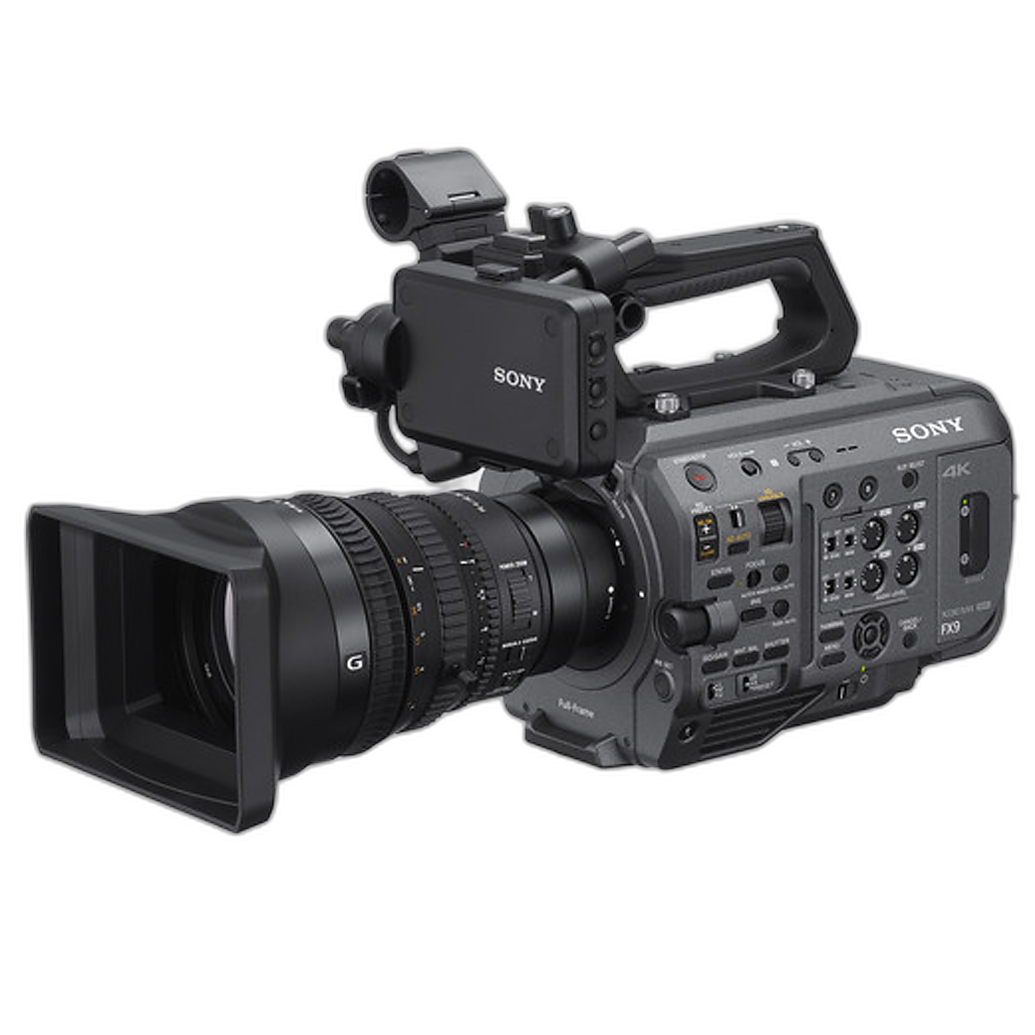
If you are building a cinema-oriented workflow, a package like the Sony PXW-FX9K XDCAM 6K Full-Frame Camera System with 28-135mm f/4 G OSS Lens shows how Sony supports professional productions with scalable tools, lens compatibility, and strong broadcast integration.
For budget-conscious switchers, Unique Photo may also have used Sony video systems available, such as the Used Sony PXW-FS7M2 XDCAM Super 35 Camera System or Used Sony PXW-FX9 XDCAM 6K Full-Frame Camera, which can lower the barrier to entering a more advanced video ecosystem.
Canon camera system advantages for switching from DSLR or mirrorless
Canon remains one of the easiest systems to recommend for photographers who want intuitive operation, pleasing color, and dependable autofocus. Many long-time Canon users stay with the brand when moving from DSLR to mirrorless because the experience feels familiar and the transition is smoother.
Why people switch to Canon:
- User-friendly menus and controls
- Excellent Dual Pixel autofocus performance
- Strong color science for portraits, weddings, and skin tones
- Well-rounded bodies for hybrid photo and video use
- Comfortable ergonomics for long shoots
Canon often appeals to portrait photographers, event shooters, and creators who want simple operation with strong out-of-camera results. If your priority is a polished user experience and a reliable all-around system, Canon is frequently on the shortlist.
The main consideration for switchers is lens ecosystem planning. Before changing systems, compare native lens prices, specialty lens availability, and whether your current lenses can be adapted without sacrificing autofocus or handling.
Nikon camera system advantages for photographers considering a switch
Nikon is often chosen by photographers who prioritize image quality, tactile handling, and a camera that feels purpose-built for still photography. In recent years, Nikon mirrorless options have become more attractive to users considering a fresh start or coming from older DSLR kits.
Why people switch to Nikon:
- Excellent ergonomics and grip design
- Strong still-image performance and dynamic range
- Sharp, high-quality native lenses
- Appeal for landscape, portrait, and wildlife shooters
- A familiar transition path for long-time Nikon DSLR users
Nikon can be a great choice if you value a photography-first experience and want a system that feels balanced in the hand. For many users, Nikon's appeal is less about flashy features and more about consistent image quality and confidence while shooting.
Sony vs Canon vs Nikon autofocus comparison
Autofocus is one of the biggest reasons people switch systems. If missed focus is costing you shots, the brand you choose matters.
- Sony autofocus: Often praised for advanced eye AF, subject recognition, and reliable continuous tracking for both photo and video.
- Canon autofocus: Also excellent, especially for face and eye detection, with strong performance in portrait, event, and hybrid applications.
- Nikon autofocus: Continues to improve significantly in mirrorless models and performs very well, especially for still photography and many general-purpose assignments.
If autofocus is your top priority for sports, weddings, wildlife, or solo content creation, Sony and Canon are often the first systems buyers compare. Nikon remains highly competitive, especially for photographers who balance autofocus needs with handling and image quality preferences.
Lens ecosystem comparison: the real cost of switching camera systems
When comparing Sony vs Canon vs Nikon, lenses matter more than bodies over time. A body may be replaced every few years, but lenses often stay in your kit for a decade or longer.
Questions to ask before switching:
- Do you need affordable primes, fast zooms, or specialty glass?
- Will you rely on third-party lenses?
- Can your current lenses be adapted effectively?
- How expensive is it to rebuild your kit at your preferred focal lengths?
- Do you need cine lenses, power zoom options, or broadcast-ready accessories?
Sony has been especially attractive because of its broad third-party lens support and mature mirrorless ecosystem. Canon and Nikon both offer compelling native lenses, but your ideal system depends on what you shoot most often and how much flexibility you want when shopping across brands and price points.
Switching camera systems for video: Sony vs Canon vs Nikon
For video creators, switching systems often comes down to codecs, frame rates, autofocus reliability, overheating behavior, lens choices, and rigging support. Sony has long been a major player in video and cinema, which makes it a natural destination for filmmakers and production teams.
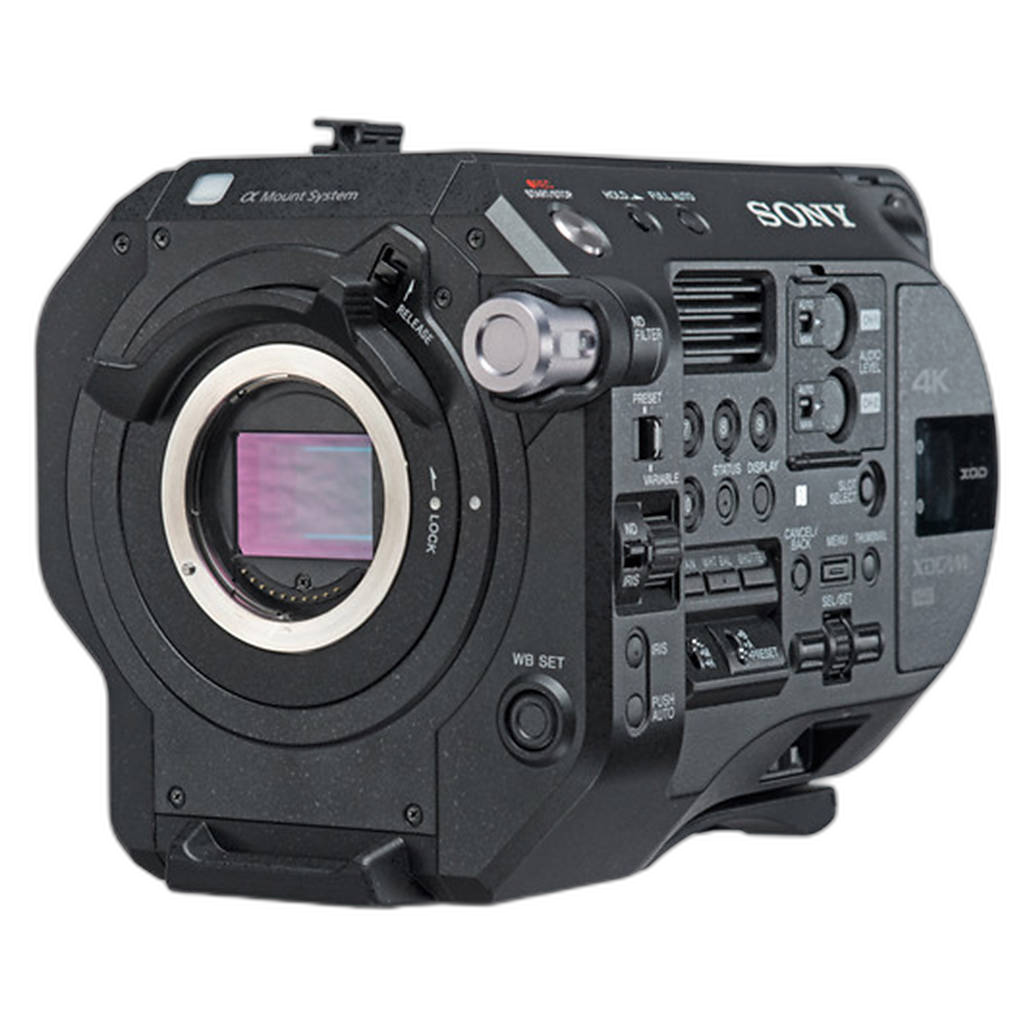
At Unique Photo, video-focused switchers often explore Sony's professional lineup because it scales from smaller creator workflows to serious cinema production. Options like the Sony PXW-FX9 demonstrate Sony's strength in documentary, commercial, and broadcast applications, while used models like the Used Sony PXW-FS5 XDCAM Super 35 Camera or Used Sony PXW-FS7M2 can offer a more accessible entry point.
Canon is also strong for hybrid video users who want easy operation and reliable autofocus, while Nikon continues to grow in relevance for creators who want high-quality video alongside strong stills performance. If video is your main business, take time to compare not only recording specs but also workflow details like monitoring, media costs, accessory support, and power solutions.
Is it worth switching from DSLR to mirrorless?
For many photographers, the biggest switch is not between Sony, Canon, and Nikon, but from DSLR to mirrorless. In most cases, the answer is yes if you want improved autofocus coverage, electronic viewfinder tools, better video features, silent shooting, and lighter travel kits.
That said, switching does not always mean replacing everything at once. You may be able to transition gradually by:
- Buying one mirrorless body first
- Using an adapter for existing lenses temporarily
- Replacing your most-used lenses first
- Adding used gear to control costs
Unique Photo can be a great resource for this kind of step-by-step migration, especially if you are balancing trade-ins, used equipment, and long-term upgrade planning.
How to choose between Sony, Canon, and Nikon based on what you shoot
The best camera system depends on your priorities.
- Choose Sony if: You want advanced autofocus, strong video features, deep mirrorless options, and broad third-party lens support.
- Choose Canon if: You want intuitive operation, strong autofocus, great color, and a well-rounded hybrid shooting experience.
- Choose Nikon if: You value ergonomics, still-image quality, sharp native lenses, and a photography-focused feel.
If you shoot weddings or fast-moving events, Sony and Canon are often compelling. If you are heavily focused on landscapes, portraits, or a tactile photographic experience, Nikon may feel like the best fit. If your work is production-heavy video, Sony often stands out as a practical choice thanks to its professional cinema ecosystem.
Tips for switching camera systems without overspending
Switching camera systems can be expensive, but there are ways to make it more manageable:
- Audit your current gear and identify what actually needs replacing.
- Start with the body and one or two essential lenses.
- Consider used gear to reduce entry cost.
- Plan for accessories like batteries, cards, cages, and adapters.
- Do not switch for hype alone; switch for a clear workflow benefit.
Shopping with a retailer like Unique Photo can help because you can compare new and used options in one place and think more strategically about what your next system should look like.
Final thoughts on switching camera systems
There is no universal winner in the Sony vs Canon vs Nikon debate. The best system for switching depends on your shooting style, lens needs, budget, and whether photo, video, or hybrid work matters most. Sony is especially attractive for creators who want strong autofocus, mature mirrorless options, and professional video scalability. Canon remains a favorite for ease of use and balanced hybrid performance. Nikon continues to be an excellent option for photographers who care deeply about handling and image quality.
If you are planning a system change, Unique Photo is a smart place to research your options, compare new and used gear, and build a setup that fits how you actually shoot. For internal linking, consider pointing readers to pages for Sony cameras and lenses, used camera equipment, video cameras, and camera accessories so they can continue exploring the right upgrade path.