Introduction
Online comparison tools can be helpful, especially when you are trying to narrow down two Sony lenses that seem to overlap on paper. But tools like Sony Lens Compare Beta can only go so far. They tend to emphasize measurable specifications and simplified visual demos, while real-world lens choice depends on how you shoot, what subjects you photograph, how you value size and handling, and whether a lens fits your creative style.
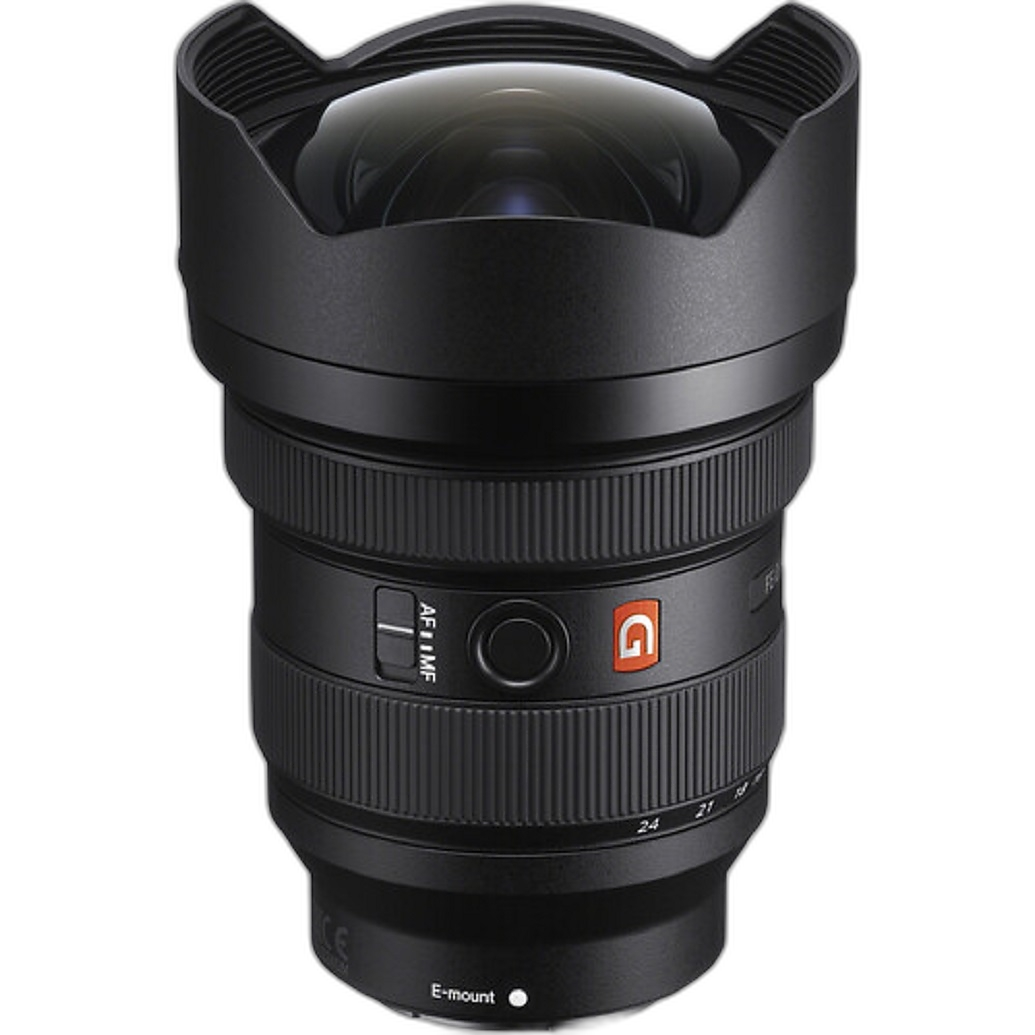
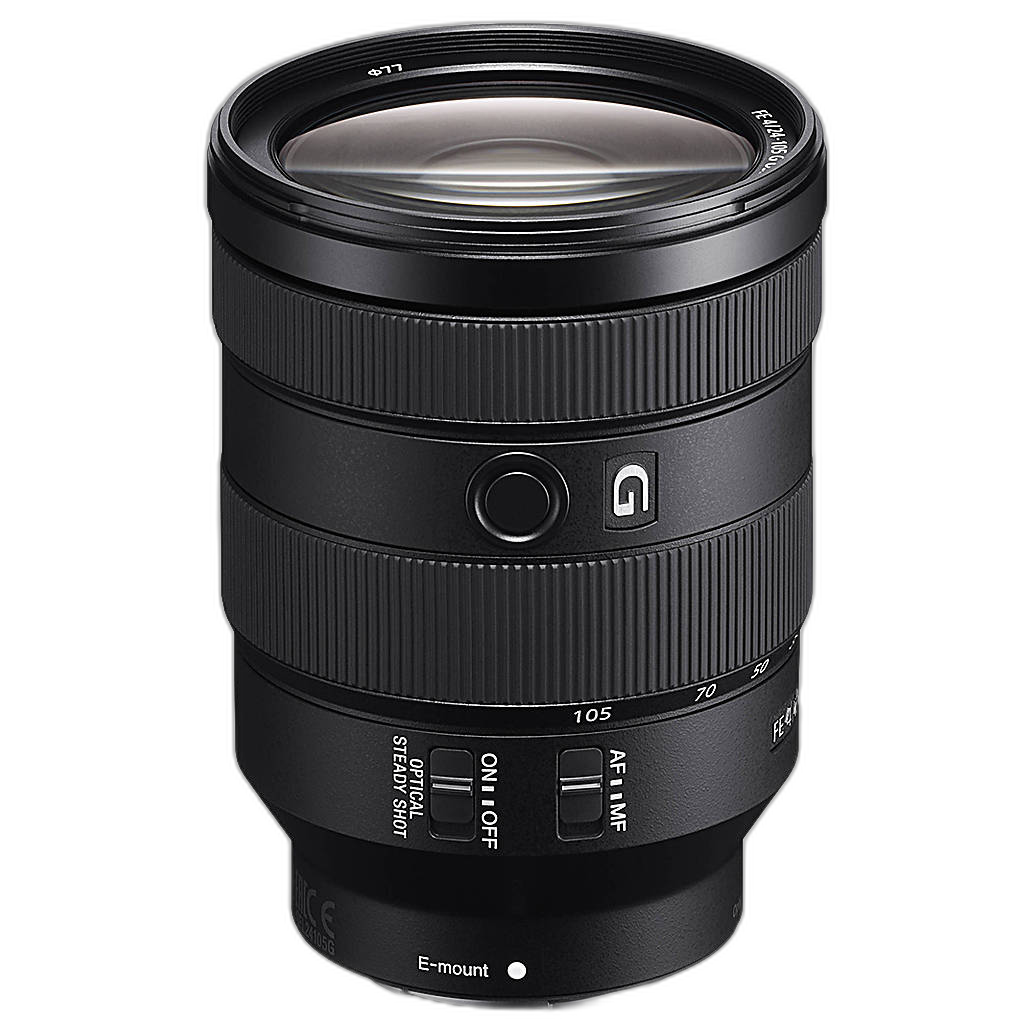
To show where online tools help and where personal judgment matters more, this comparison looks at two very different Sony full-frame options: the Sony FE 12-24mm f/2.8 GM and the Sony FE 24-105mm f/4 G OSS. On a comparison page, one may appear clearly better in some areas. In actual use, though, each serves a very different photographer.
Side-by-Side Specs Comparison
| Feature | Sony FE 12-24mm f/2.8 GM | Sony FE 24-105mm f/4 G OSS |
|---|---|---|
| Lens Type | Ultra-wide zoom | Standard zoom |
| Focal Length | 12-24mm | 24-105mm |
| Maximum Aperture | f/2.8 | f/4 |
| Primary Strength | Extreme width, fast aperture, premium optics | Versatility, walk-around range, image stabilization |
| Best For | Architecture, interiors, landscapes, dramatic video work | Travel, portraits, events, everyday shooting |
| Stabilization | Lens-based stabilization not highlighted in product name | OSS included |
| System | Sony full-frame E-mount | Sony full-frame E-mount |
| Positioning | Flagship ultra-wide G Master | Flexible all-purpose G-series zoom |
What Sony Lens Compare Beta Gets Right
Online tools are useful for quickly identifying hard differences. In this matchup, the beta tool would likely make it obvious that the 12-24mm goes dramatically wider, while the 24-105mm covers a much more practical day-to-day zoom range. It may also help buyers notice the brighter f/2.8 aperture of the G Master lens and the OSS stabilization advantage of the 24-105mm.
Those are real differences, and they matter. If you already know you need ultra-wide coverage for architecture or real estate, the 12-24mm immediately stands out. If you want one lens to leave on the camera all day, the 24-105mm is the more obvious choice.
Where the Tool Can Mislead You
The problem starts when a buyer assumes the lens with the more impressive-looking numbers is automatically the better purchase. Sony Lens Compare Beta may show field of view, sharpness examples, or specification advantages, but it cannot fully measure the experience of using the lens. It also cannot tell you whether a lens solves your actual photographic needs.
The 12-24mm f/2.8 GM is technically impressive, but for many photographers it would be the wrong only lens. On the other hand, the 24-105mm f/4 may not look as exciting in a side-by-side online comparison, yet it can be far more useful in real life. A comparison tool can rank performance categories; it cannot rank your priorities.
1. Focal Length Usefulness Is Personal
This is the biggest limitation of any online lens tool. A chart can show that 12mm is wider than 24mm, but it cannot tell you how often you actually shoot that wide. If your work is interiors, architecture, landscapes, or immersive handheld video, the 12-24mm may be indispensable. If you mostly shoot family events, travel, street scenes, portraits, and general content, the 24-105mm range is much easier to live with.
Many shoppers get pulled toward lenses that look more specialized or premium in online demos. In practice, convenience often beats specialization. The 24-105mm covers wide, normal, and short telephoto perspectives in one lens, which means fewer lens changes and more keeper shots.
2. Sharpness Screenshots Don’t Equal Real Output
Beta comparison tools often rely on controlled samples, crops, or studio-style comparisons. Those can be helpful, but they do not always reflect what matters in your final images. A lens that appears fractionally sharper in corner crops may not improve your actual work if you mostly shoot people, handheld travel scenes, or video. Likewise, a lens with excellent lab-style results may still be less enjoyable if it slows down your workflow.
Real-world sharpness includes more than optics. It includes how steadily you shoot, whether stabilization helps you at slower shutter speeds, and whether the focal range lets you frame quickly without moving around too much.
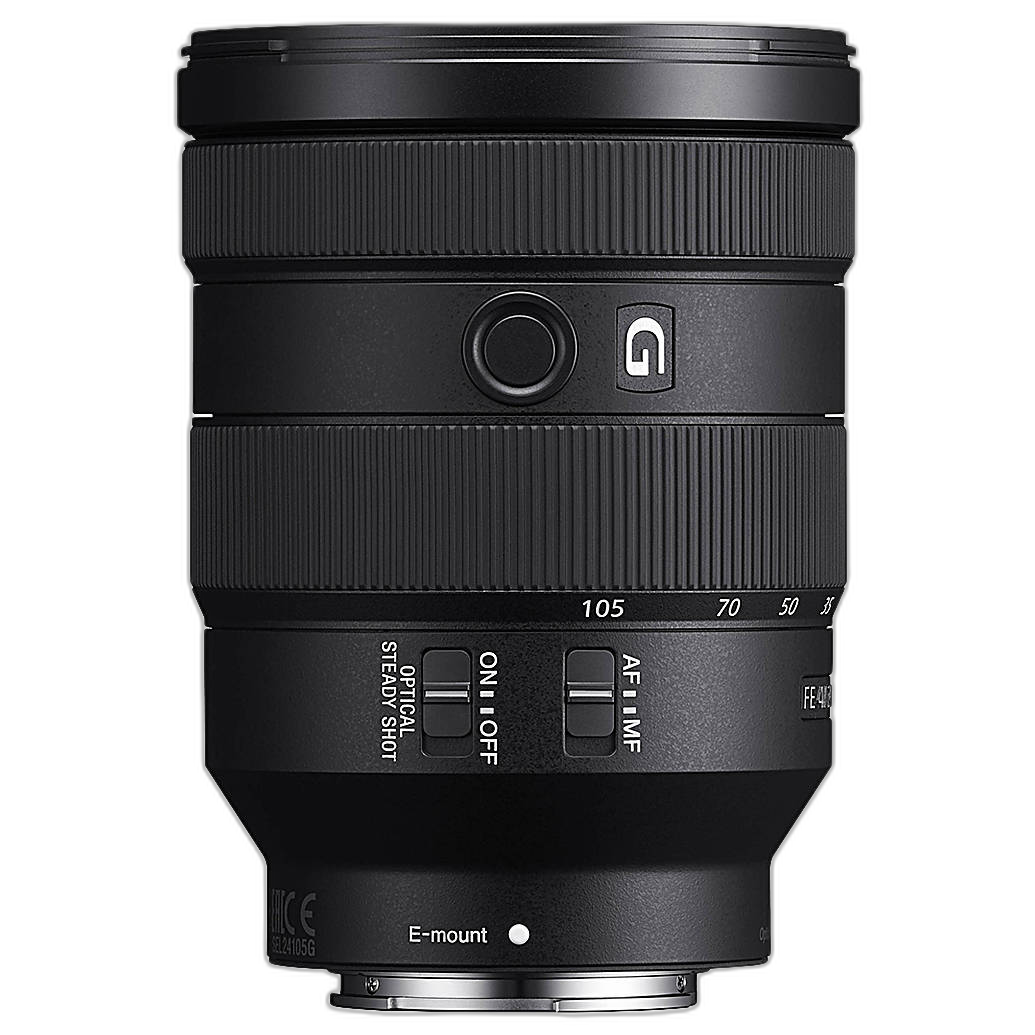
3. Handling and Shooting Comfort Are Hard to Quantify
One of the most overlooked factors in lens buying is how a lens feels over a full day of shooting. Comparison tools can list dimensions and weight, but they cannot tell you whether a lens balances well on your camera, fits in your bag, or encourages you to bring it along more often. A technically better lens that stays home is not better for your photography.
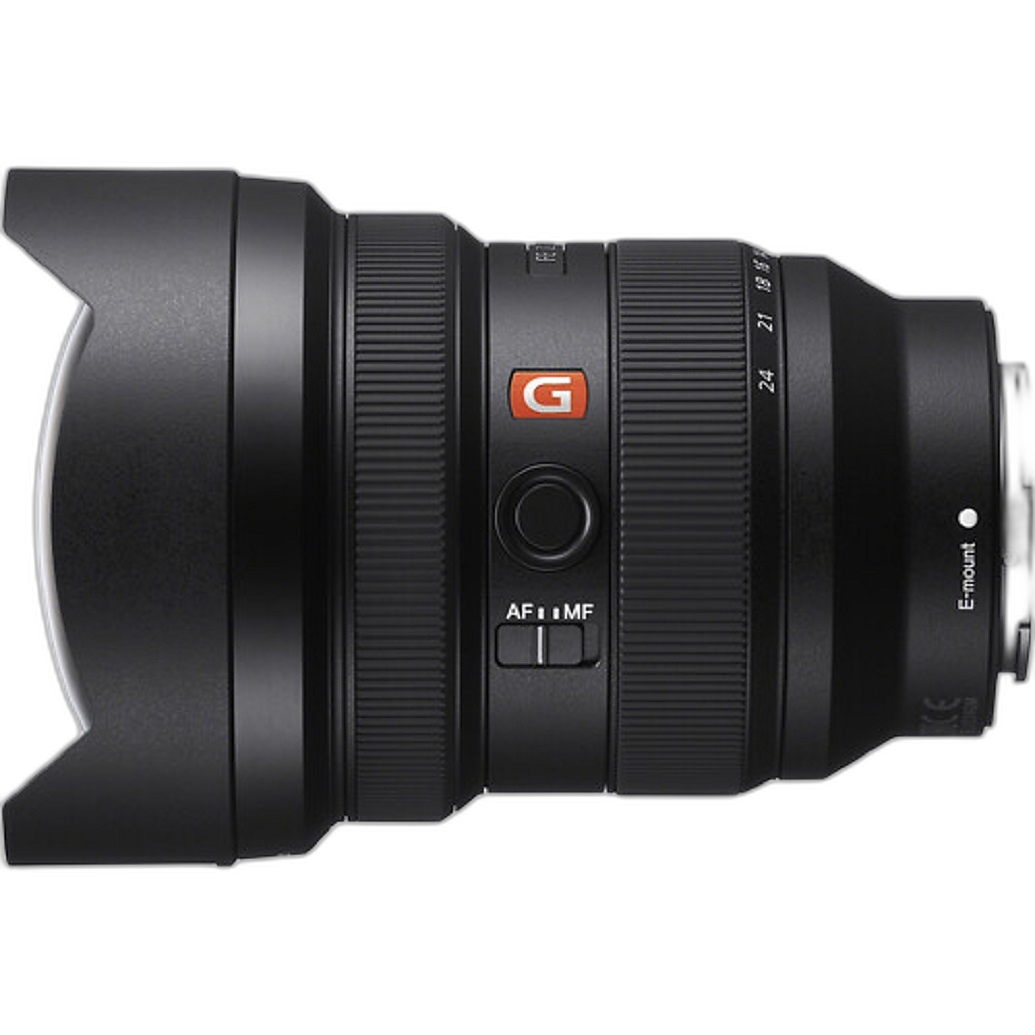
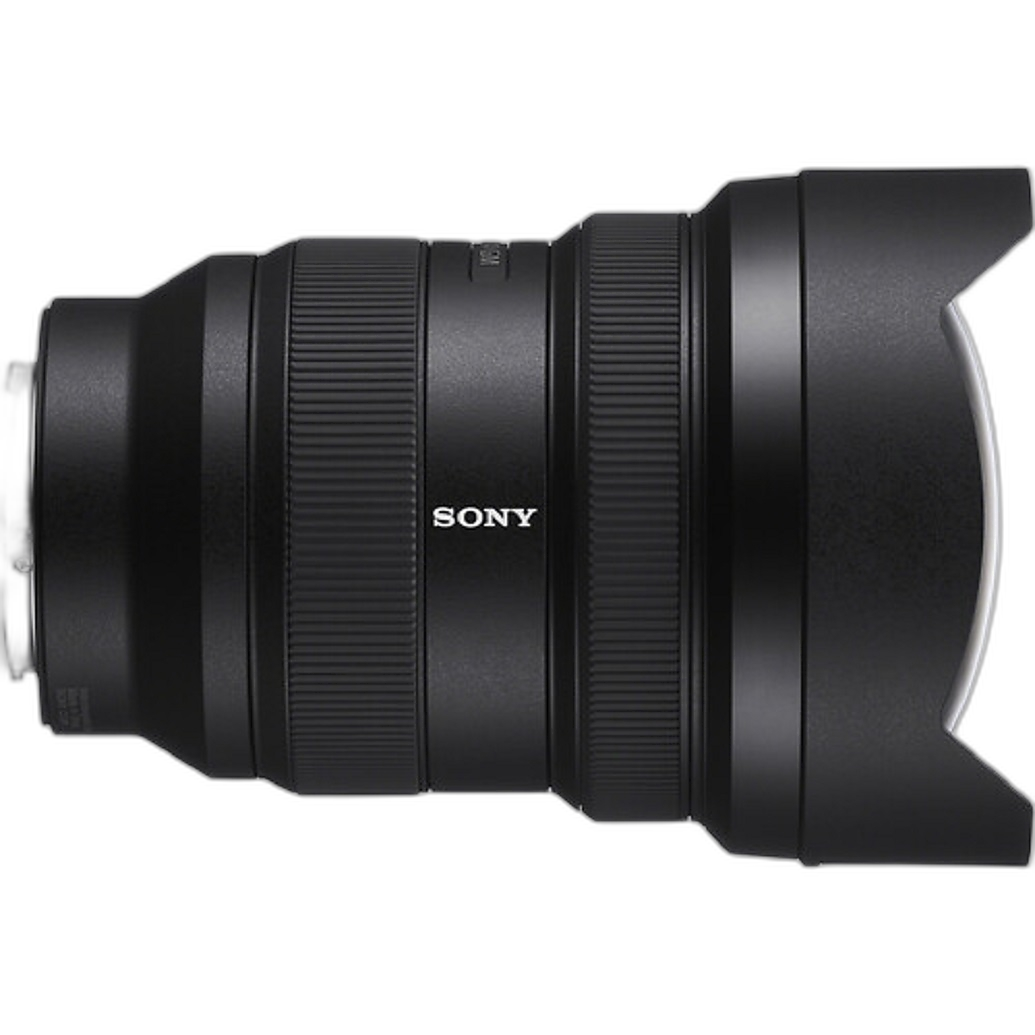
The 12-24mm f/2.8 GM is a professional-grade specialty zoom built for performance. The 24-105mm f/4 G OSS tends to fit more naturally into all-purpose use. For many creators, that difference matters more than a few standout chart advantages.
4. Aperture Advantage Needs Context
At first glance, f/2.8 looks like an easy win over f/4. And in some situations, it is. But the usefulness of that extra stop depends on focal length and subject matter. With an ultra-wide lens, depth of field is already generous, so the f/2.8 benefit may be more about low-light capture and astrophotography than about subject separation. By contrast, the 24-105mm reaches longer focal lengths, where even at f/4 you can still create pleasing background blur and more flexible framing.
This is exactly where personal judgment has to override simplistic comparison logic. The “faster” lens is not always the better fit.
5. Stabilization and Versatility Can Matter More Than Prestige
The Sony FE 24-105mm f/4 G OSS includes OSS, which can be a major practical advantage for travel, handheld shooting, and hybrid creators. A beta tool may list that feature, but it may not give it enough weight relative to the glamorous appeal of a flagship ultra-wide G Master lens. In everyday photography, stabilization and zoom flexibility can deliver more value than exotic optical capability you only use occasionally.
Image Quality vs. Creative Intent
Comparison tools often encourage buyers to think in terms of “better image quality,” but lenses are creative tools, not only scorecards. The 12-24mm creates a dramatic perspective that can transform spaces and landscapes. The 24-105mm supports a broader range of storytelling, from environmental scenes to tighter compositions. If you judge solely by samples on a screen, you may miss the more important question: which lens helps you make the kinds of photos or videos you actually want to create?
Our Pick
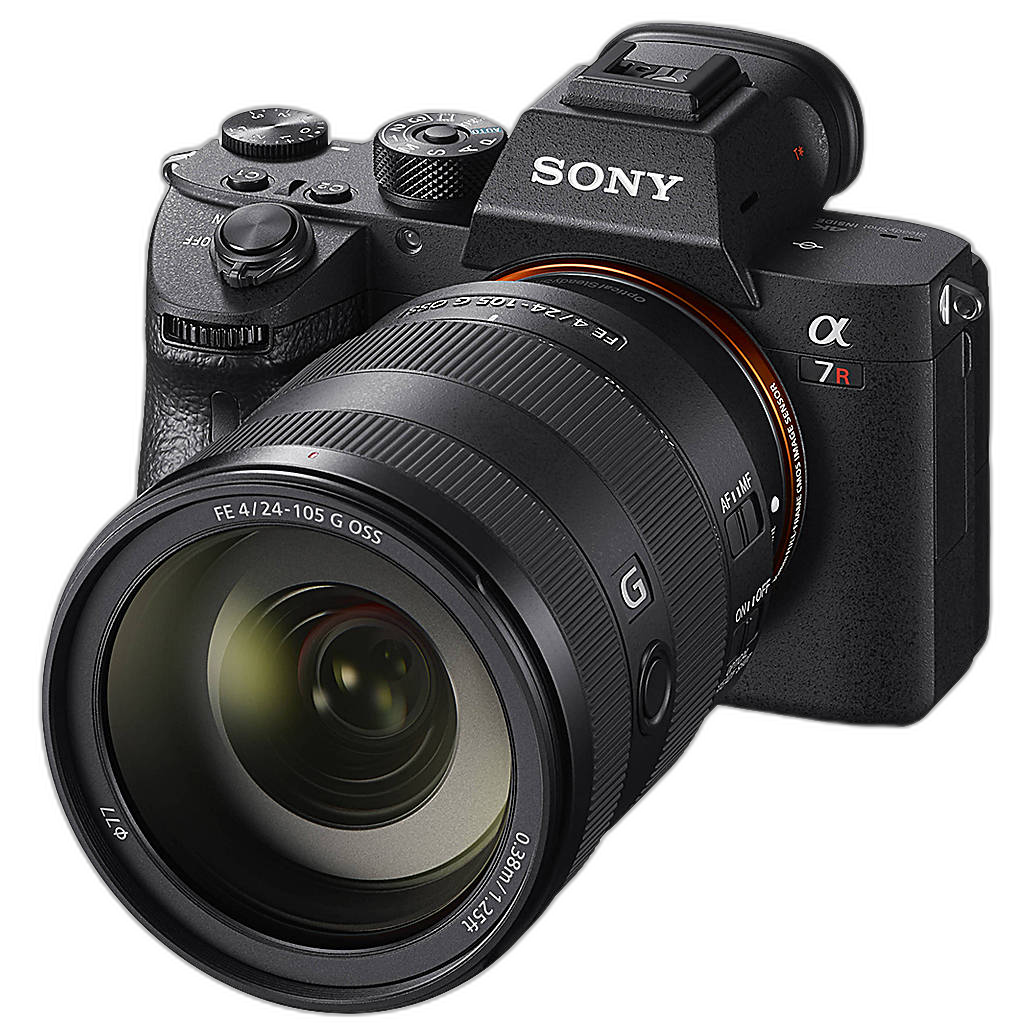
Our Pick: Sony FE 24-105mm f/4 G OSS Lens
For most photographers comparing Sony lenses online, the Sony FE 24-105mm f/4 G OSS is the safer and smarter choice to trust in real-world use. It is more versatile, more practical as an everyday lens, and better aligned with the needs of travel, general-purpose, event, and hybrid shooters.
Choose the Sony FE 12-24mm f/2.8 GM if you already know you need an elite ultra-wide tool for landscapes, interiors, architecture, or dramatic video perspectives. But if Sony Lens Compare Beta makes the 12-24mm look more impressive and you are still unsure, that is a sign to step back and trust your own shooting habits instead.
Conclusion
Sony Lens Compare Beta can be a useful starting point, but it should never be the final word. It is best for identifying objective differences, not for deciding which lens truly fits your workflow. When the charts and demos start pushing you toward a lens that does not match how you actually shoot, trust your own judgment. The best lens is the one that supports your subjects, your style, and your day-to-day needs. If you are deciding between specialized performance and real-world versatility, Unique Photo is a great place to compare options and choose the Sony lens that makes the most sense for you.