Win More Photo Contests: New vs. Old Work, Smart Briefs, and Gear Tips
Entering a photo contest isn’t just about a great image—it’s about matching the brief, standing out from a crowd, and delivering with precision. At Unique Photo, we help photographers plan strategies, refine technique, and choose the right gear to elevate contest entries.
Should I submit older work or create new images for a contest?
Both approaches can win. Start by dissecting the brief: if an existing portfolio piece aligns perfectly and tells the story clearly, submit it. If the theme demands a nuanced interpretation, fresh shooting lets you tailor concept, styling, and light specifically to the criteria. Many successful entrants revisit a strong older idea with a new execution—same concept, but tighter composition, better light, and more relevant captioning. Build a short shot list keyed to the brief’s keywords, then decide whether an archival image or a targeted reshoot best answers that list.
How do I read a contest brief and find a unique angle?
Break the prompt into three parts: subject (what), approach (how), and intent (why). Translate each into visual choices—lens perspective, depth of field, lighting style, color palette, and moment. Brainstorm unexpected pairings: for a “Reflections” theme, go beyond mirrors to water, glass, or reflective storytelling (nostalgia, self-reflection). Add constraints that push creativity—one focal length, one light, or a single-time window. These constraints produce cohesion and help your entry feel intentional.
What technical decisions help judges notice my entry?
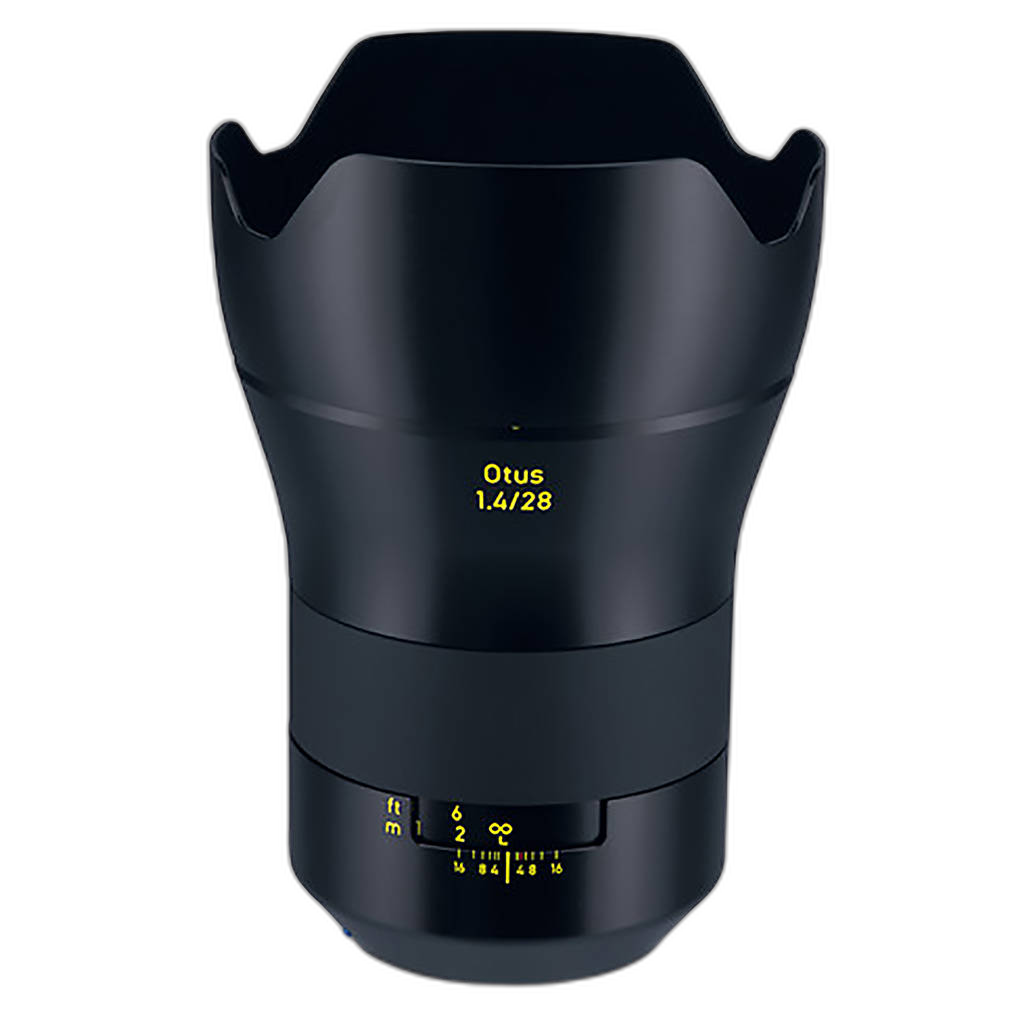
Judges respond to clarity of intent and craft: decisive compositions, confident exposure, and consistent color. Choose focal length and aperture to guide the viewer’s eye. For environmental portraits and dimensional storytelling, a high-performance wide like the Zeiss 28mm f/1.4 OTUS (Nikon F mount, manual focus) offers exquisite micro-contrast and subject separation—excellent for low light and precise plane-of-focus placement.
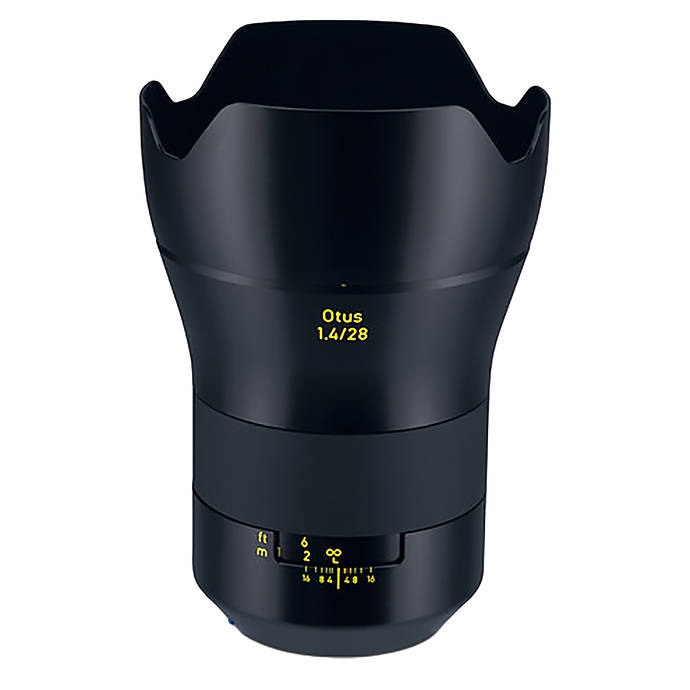
Manual focus can actually slow you down in a good way—encouraging meticulous composition. Pair that discipline with a tripod, deliberate framing, and clean post-processing that preserves detail without over-sharpening or haloing.
How can macro and close-up tools help with detail-focused themes?
For briefs about texture, craftsmanship, or tiny worlds, stable foreground-to-background control is critical. A macro focusing rail lets you move the camera in minuscule increments for tack-sharp focus or focus stacking. The Kaiser Macro Focusing Stage provides precise fore–aft and lateral adjustments—ideal for controlled tabletop setups and repeatable stacks.
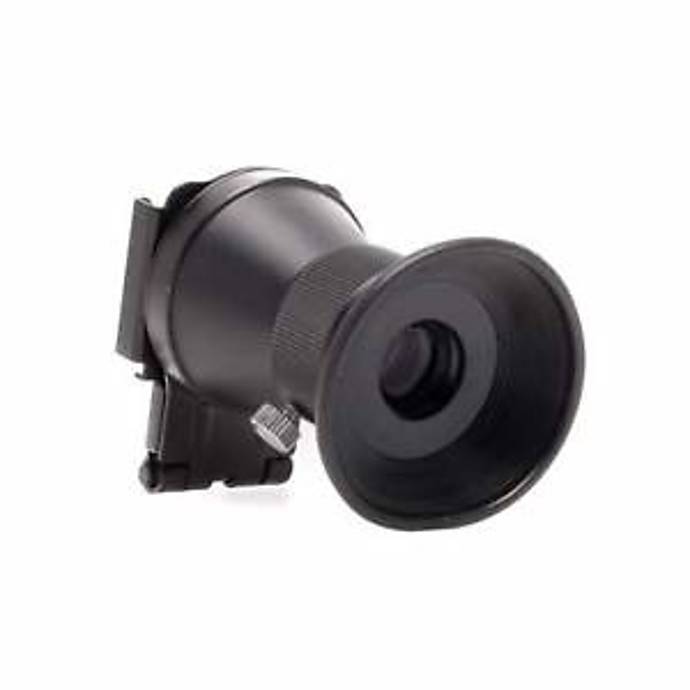
Film shooters or medium-format users working at close distances benefit from magnified critical focus. The Used Mamiya RZ67 Focus Magnifier (Excellent) is a great aid for nailing focus on the ground glass when the margin for error is razor-thin.
What lighting tools create a distinctive look for portraits and still lifes?
Shape light with intention. Large parabolic modifiers can concentrate or spill light depending on where the lamp sits inside the parabola. The Godox PF-M Focusing Mount combined with the PF-R670 Focusing Rod lets you move the light along the axis to shift from punchy, specular highlights to broad, wraparound illumination—great for differentiating portraits or giving still lifes a high-end, editorial sheen. Build a simple test grid (subject vs. light position) and note settings so you can repeat your winning look on deadline.
How many entries should I submit—and should they vary or form a series?
If the rules allow multiple entries, curate tightly. Submit your strongest single-image interpretation first, then consider a second that explores a clearly different angle—alternate time of day, different subject scale, or a complementary color palette. If the contest accepts series, ensure every frame advances the theme and maintains consistent treatment; avoid including “almost” frames that dilute impact.
How should I prep files, titles, and captions so I don’t get disqualified?
Follow the spec exactly. Use the required color space (often sRGB), file type (usually JPEG), and dimensions/size. Name files per instructions and embed IPTC metadata (creator, contact, caption). Write concise titles and captions that connect the image to the brief’s intent—judges appreciate clarity. Keep edits within rules: avoid banned practices (e.g., certain composites) and retain RAW files in case verification is required.
Any gear pitfalls to avoid when you’re on a deadline?
Test everything early. If you’re buying used gear, verify condition and functionality well before the shoot—our Used Department lists clear condition notes, including “as-is” items that may have focus problems. Build a pre-submission checklist: lens calibration check, sensor clean, backup cards, and redundant storage. For manual-focus shooting, consider magnified live view or a loupe to confirm critical focus.
Where can I study winning work and keep improving?
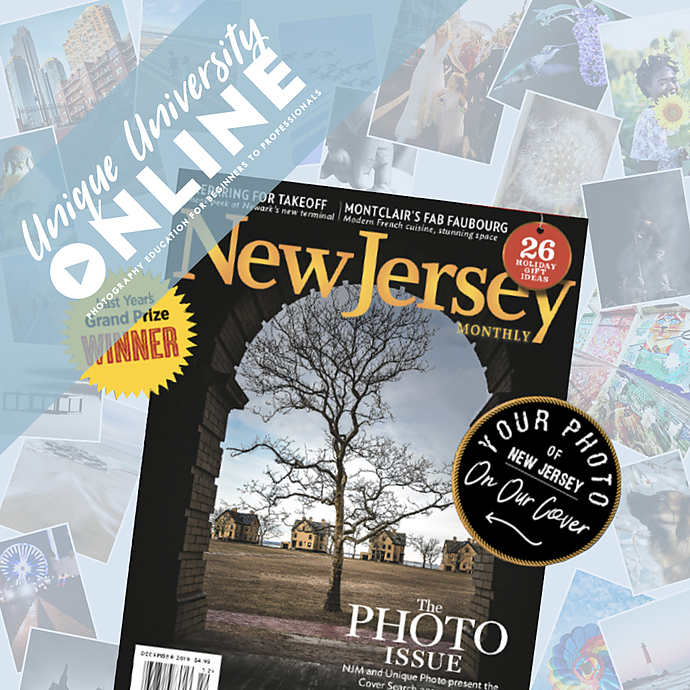
Analyze past winners and listen to judges discuss what made entries succeed. Unique Photo’s UUOnline sessions—like our NJ Monthly Cover Search Winners Reveal—offer practical insight into editorial standards and selection criteria.
Combine that learning with personal test projects: re-shoot a theme three ways, print small proofs, and ask peers for feedback. Iteration sharpens your instincts for the next brief.
Ready to craft a standout entry? Visit Unique Photo for expert advice, classes, and a deep selection of gear—from precision focusing tools and lighting mounts to pro optics like the Zeiss OTUS. Our team can help you match equipment to your concept and timeline so you can impress the judges with both vision and execution.