Who this guide is for
If you love the mood of night streets, candlelit dinners, concerts, or dimly lit interiors—but prefer to keep your setup simple and flash-free—this guide is for you. We’ll cover proven techniques to get clean, cinematic images in low light without a strobe, plus smart gear picks from Unique Photo that help you stabilize, shape, and enhance ambient light.
Core camera techniques (no flash required)
- Open up your aperture: Use your lens’s widest f-stop to gather more light and soften backgrounds.
- Slow your shutter—carefully: Start around 1/60 sec for a 50mm lens and go slower as your stability allows. Use continuous burst mode to improve odds of a sharp frame.
- Raise ISO deliberately: Modern sensors (and fast film) handle higher ISOs well. Expose to protect shadows for digital; for film, choose fast stocks or consider push-processing.
- Use spot/center-weighted metering: Meter for faces or key subjects so important tones don’t sink into noise.
- Leverage exposure compensation: Dial in +0.3 to +1 EV when scenes are dominated by dark tones to avoid underexposure.
- Focus with intent: Use single-point AF or manual focus with magnification/peaking. Pre-focus when subjects are at a known distance.
Stabilize to win more light
Every stop you can claw back with steadier technique means cleaner images. Brace against walls, kneel, use a strap for tension—and if you build hybrid photo/video rigs, balance matters.
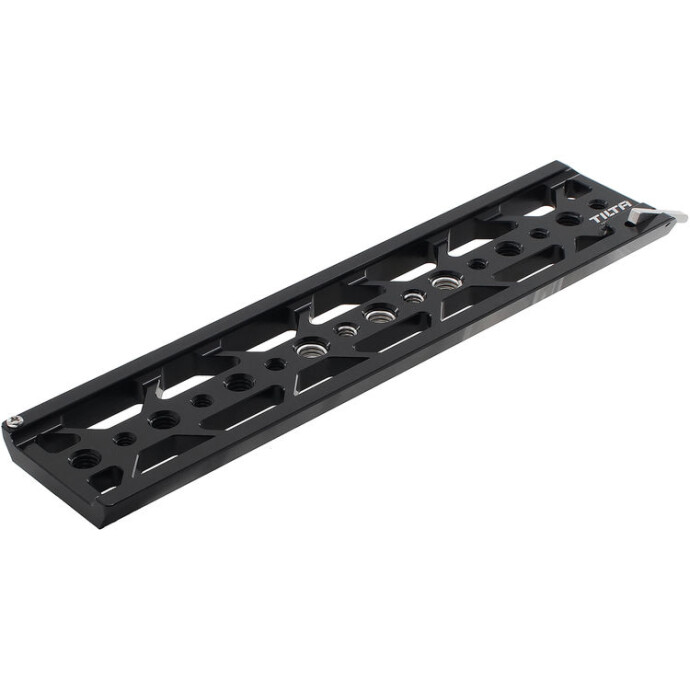
Tilta 10 Lightweight Dovetail Plate (Black)
A balanced rig reduces micro-shake, letting you shoot slower shutter speeds without blur. This lightweight plate helps you dial in fore-aft balance on compatible heads and shoulder rigs—great for hybrid shooters working in dim venues.
Add light the no-flash way
You don’t need a flash to shape a scene. Low-power continuous lights can lift shadows and add color while preserving ambient mood.
Godox Litemons LA300R RGB LED Light 3-Light Kit with Case
A versatile three-light RGB kit that’s ideal for subtle fill, practical highlights, and color accents. Keep output low to blend with available light, bounce off walls for softness, and use gels or RGB modes to match practicals. Perfect for portraits, interviews, or detail shots after dark.
Creative filters that love low light
Low-light scenes already brim with specular highlights—use diffusion and warming filters to enhance atmosphere in-camera.
Tiffen 82mm Soft Glow 4 Filter
Adds gentle halation to point light sources and smooths contrast for a dreamy, cinematic look—especially effective at night with streetlights, marquees, and candles.
Tiffen 77mm Golden Glow 2 Filter
Warms and slightly diffuses the scene, flattering skin tones and turning cool night ambers into rich, inviting hues—great for golden, nostalgic ambience.
Film camera favorites for night shooting
Prefer to keep it analog? Fast films and steady technique make night frames possible. These used finds are compact companions for ambient-light storytelling. Inventory changes often, so check availability at Unique Photo.
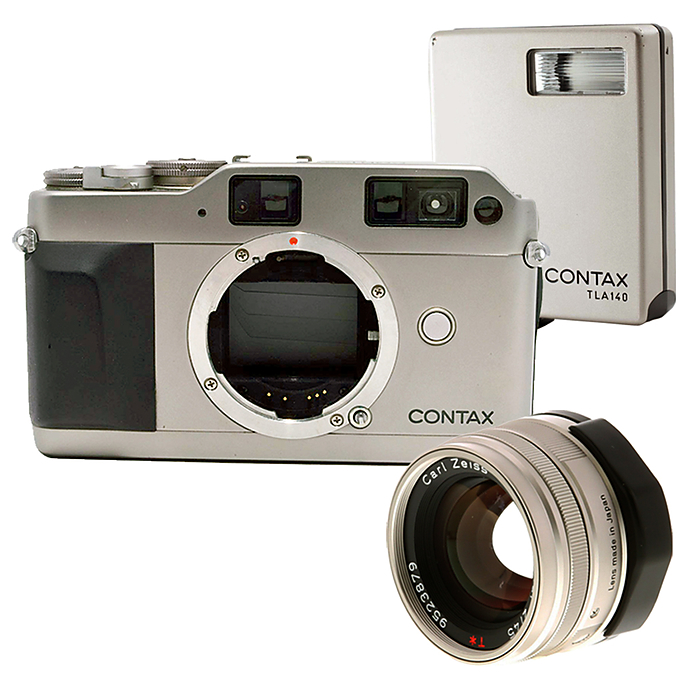
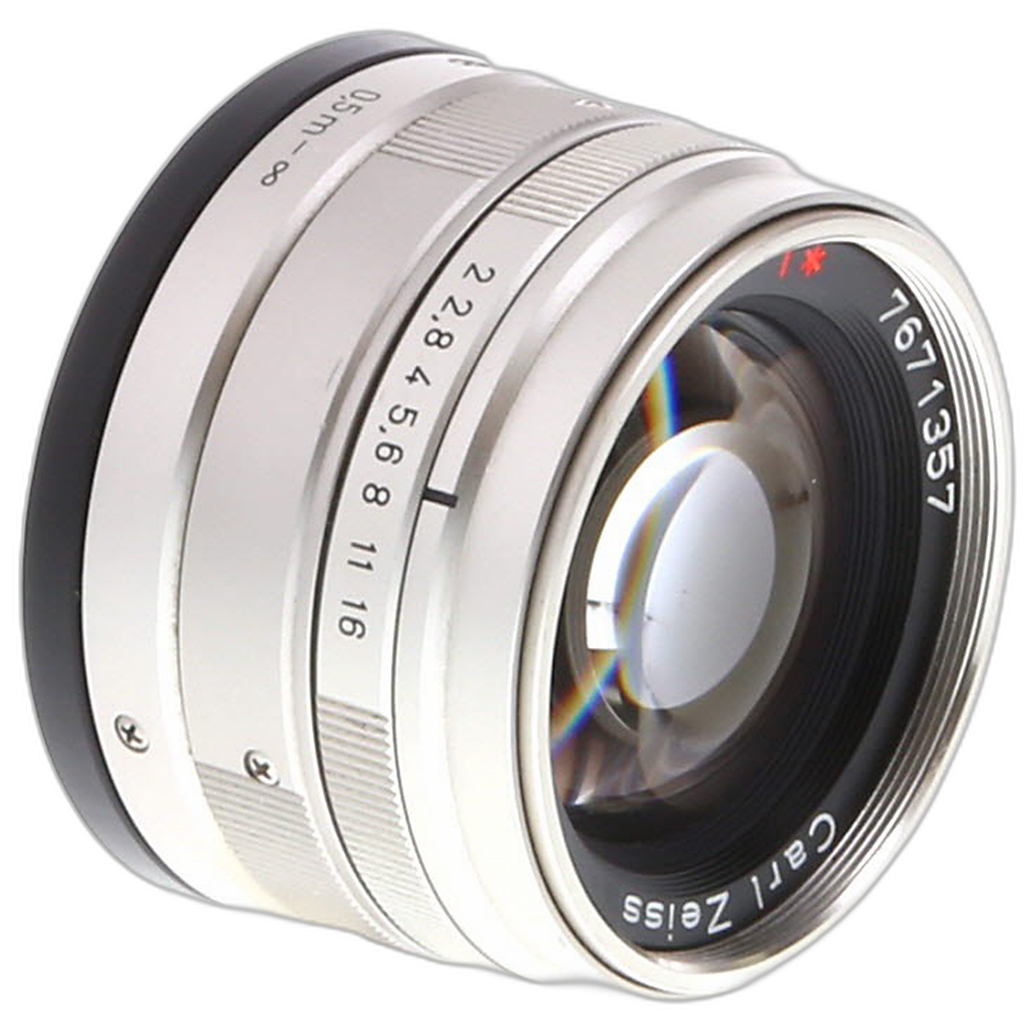
Used Contax G1 w/ 45mm f/2 and TLA140 Flash - Good
The G1’s compact body pairs beautifully with the bright 45mm f/2 for available-light photography—leave the included flash in the bag and lean into fast film and steady technique. Its responsive autofocus and tactile controls make it a joy for street and travel after dark.
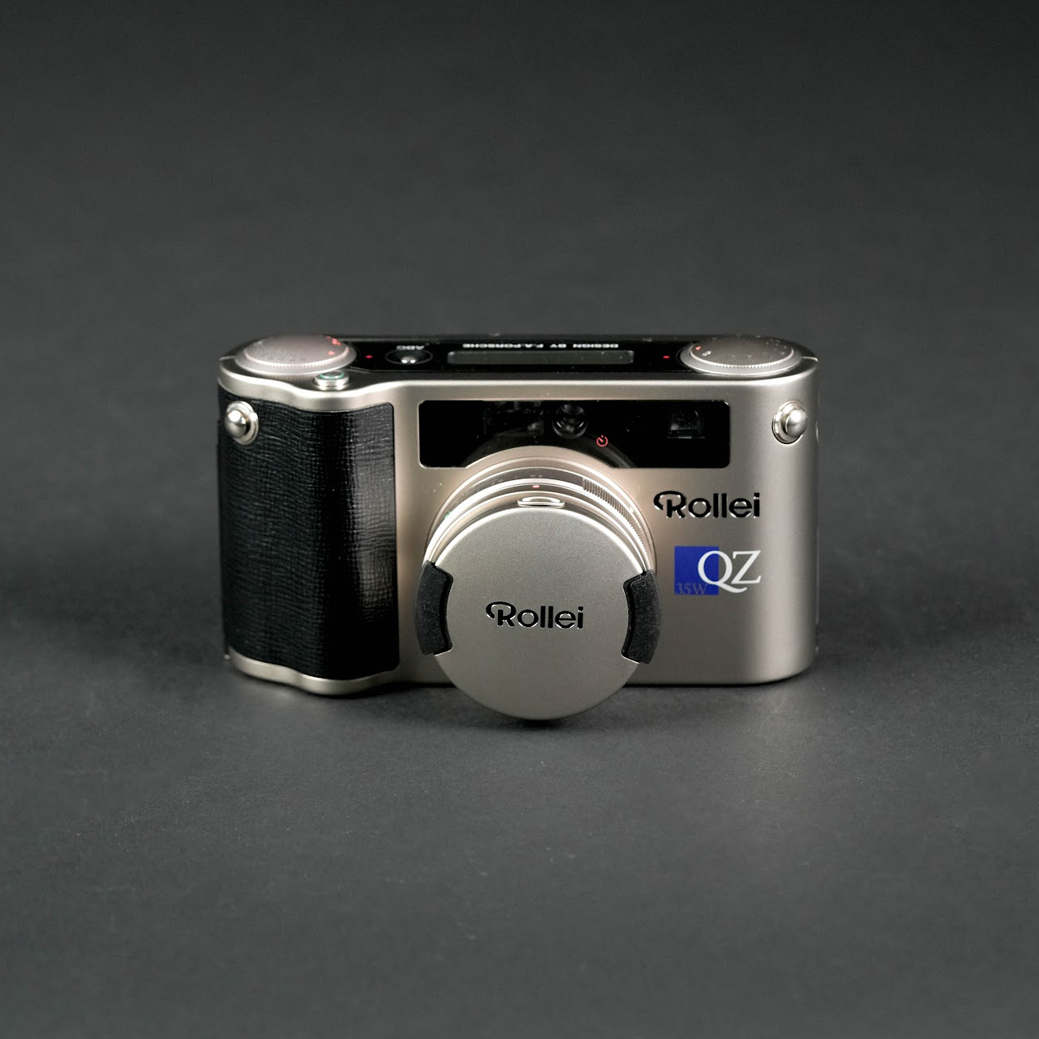
Used Rollei 35QZ W w/ 28-60mm f/2.8-5.6, 20QF Flash, Box - Excellent
Compact and versatile, this Rollei zoom starts at f/2.8 on the wide end—ideal for squeezing out more light in tight spaces. Pair it with ISO 800–1600 film and keep the lens at 28mm when light is scarce to maintain speed and depth of field.
Learn to see and shape light
Mastering light—direction, size, distance, and quality—translates directly to better low-light images, even without flash. Education accelerates results.
Portrait Lighting Made Easy with Joel Grimes (Westcott)
A practical, concept-driven course that demystifies lighting design. While the curriculum is built around portrait lighting, the principles apply to continuous lights and ambient shaping—exactly what you need to elevate no-flash photography.
Speed up the low-light workflow
Low-light sessions often mean high ISO bursts and lots of bracketing. A fast ingest workflow keeps you in the creative flow.
Lexar Professional Workflow Dual-Slot SD UHS-II Reader
Dual-slot UHS-II speeds help you review and back up images quickly so you can cull noise, confirm exposure, and get back out for the next scene.
Quick comparisons
Film compacts for ambient night
| Camera | Lens speed | Low-light advantage | Best use |
|---|---|---|---|
| Contax G1 + 45mm f/2 | f/2 prime | Bright normal field of view; slim depth of field for isolation | Street, portraits, travel nights |
| Rollei 35QZ W 28–60mm | f/2.8 at 28mm | Wider angle allows slower shutter speeds; flexible framing | Cityscapes, interiors, casual night shots |
Diffusion & warming filters
| Filter | Effect | Ideal scenes | Notes |
|---|---|---|---|
| Tiffen Soft Glow 4 (82mm) | Bloom on highlights; gentle contrast roll-off | Streetlights, concerts, night portraits | Use sparingly at wider apertures for strongest effect |
| Tiffen Golden Glow 2 (77mm) | Warm tone + mild diffusion | Evening portraits, restaurant interiors | Balances cool LEDs; flattering for skin |
Our Pick
For the fastest leap in low-light results without a flash, a compact three-light continuous kit lets you lift shadows, match practicals, and add cinematic color—while keeping the ambient vibe intact.
Pro tips for cleaner images
- Expose for the subject: Let backgrounds fall dark rather than over-raising ISO.
- Use subject-led stabilization: Ask your subject to pause breathing or lean on a surface for a second while you shoot.
- Shoot in bursts: Three quick frames often yield one tack-sharp keeper at slow shutter speeds.
- Mind white balance: Set a custom Kelvin to harmonize mixed lighting, or embrace intentional color contrast.
- Noise with purpose: A touch of grain can enhance mood; prioritize exposure and composition over strict “cleanliness.”
Conclusion: The low-light path forward
Great low-light photography without flash comes from steady technique, thoughtful exposure, and subtle light shaping. Start by stabilizing your setup, practice exposing for your subject, then add creative tools—like diffusion filters and a small continuous kit—when you’re ready. Explore the gear above and get personalized advice at Unique Photo. Our team is here to help you build a no-flash kit that fits your style and budget.