How to Nail Photo Contest Themes: Read Briefs, Plan Shots, Win Entries
Photo contests are won long before you press the shutter. The real edge comes from understanding the theme, decoding the brief, and designing a shoot that delivers exactly what judges want—without sacrificing your vision. As New Jersey’s home base for photographers, we’ve gathered our best guidance to help you approach any contest with clarity and confidence.
What’s the difference between a “theme” and a “brief”?
The theme is the creative prompt (for example, “Local Legends” or “Love in Winter”). The brief is the rulebook and context: audience, format (cover, social, gallery), technical specs, deadlines, eligibility, and any restrictions on editing or AI. Read the brief twice—once for the big picture and once for the small print. Highlight keywords, deliverable dimensions, and usage rights. If the organizer shares past winners or a style guide, review them to understand tone and expectations.
How do I interpret an ambiguous brief without going off-theme?
Start by extracting verbs and values (e.g., “celebrate,” “document,” “uplift”). Build a one-sentence concept connecting subject, action, and mood. Research the organizer’s visual style and audience. When in doubt, prepare two approaches: one literal, one conceptual. Test quickly with a low-stakes shoot and evaluate against the brief’s criteria. If contact is provided, ask concise clarification questions early—never within 24 hours of the deadline.
What themes consistently inspire strong entries?
While every contest is different, these prompts reliably produce compelling work when interpreted thoughtfully:
- Community and place: Portraits of local makers, morning routines on your street, or seasonal transitions in a familiar park.
- Contrast: Old/new, natural/industrial, silence/noise, winter/spring.
- Motion and energy: Long-exposure city scenes, sports moments, or kinetic portraits with fabric and wind.
- Minimalism and negative space: Strong graphic shapes, color fields, and clean compositions.
- Portraits with purpose: Environmental portraits that reveal a subject’s story through place and gesture.
Choose a theme that you can visualize clearly and produce within your timeframe and resources. A tight concept executed beautifully beats a sprawling idea every time.
How should I plan a themed shoot from concept to submission?
Use a simple roadmap:
- Write your brief translation: one sentence that connects the theme, subject, and mood.
- Scout and schedule: Find light that supports the mood; build a plan for golden hour, blue hour, or controlled studio lighting.
- Style intentionally: Wardrobe, props, and color should amplify theme—not distract. For fashion-forward narratives, study posing, styling, and story flow.
- Create a shot list: Must-have cover-orientation frames, safe shots, and stretch goals.
- Build contingency plans: Backups for weather, location, and talent.
For hands-on inspiration on styling and themed concepts, explore our session with Lindsay Adler, which breaks down planning, color, and storytelling for high-impact shoots.
How do I align my style with what judges are looking for?
Most juries evaluate relevance to the theme, originality, technical execution, emotional impact, and storytelling. Study past winners to see how they balanced clarity and surprise. Analyze framing, color, and subject selection—not to imitate, but to understand how successful entries speak the contest’s visual language. For example, reviewing a winners’ reveal can be an excellent calibration tool before you shoot.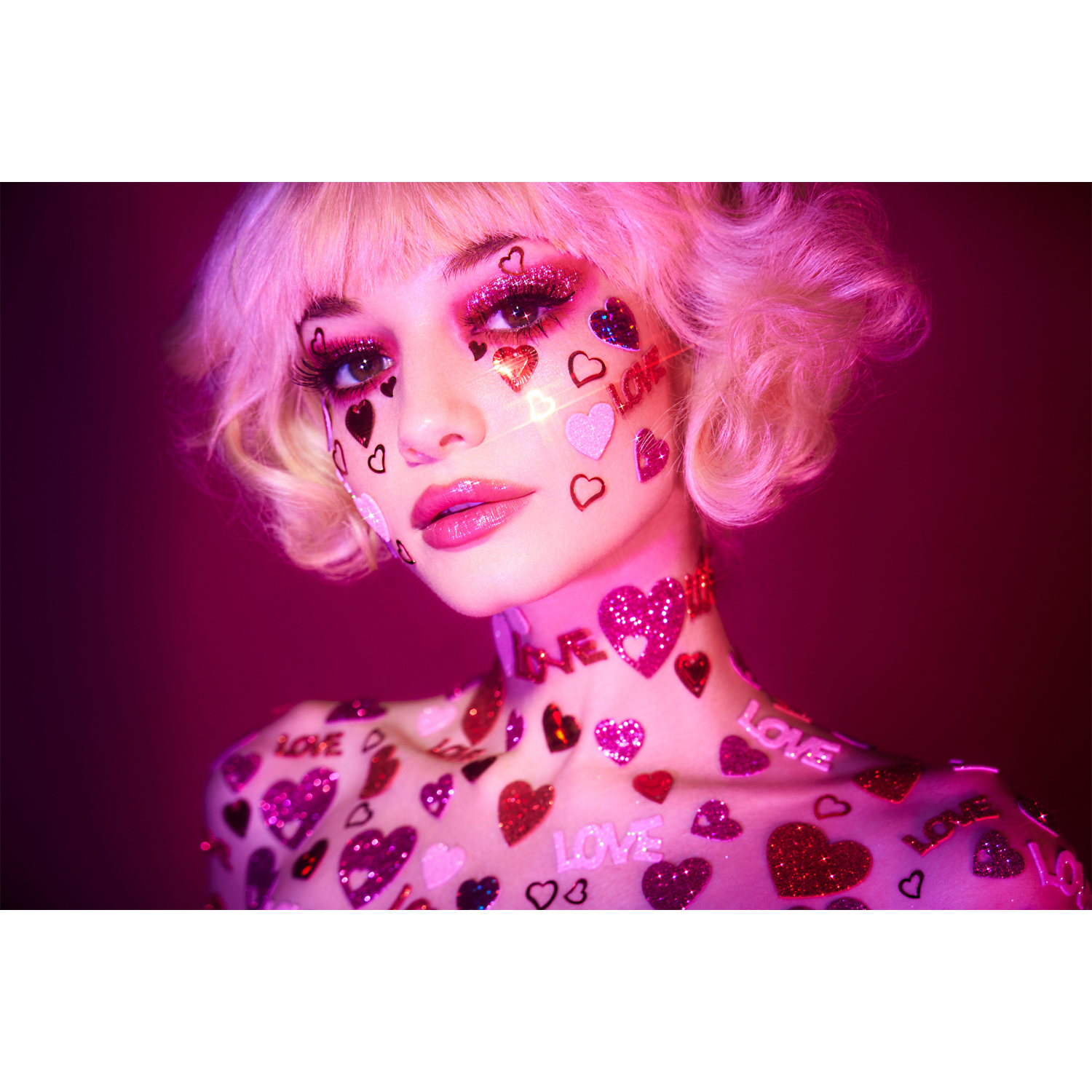
What common mistakes lead to disqualification or low scores?
Avoid these pitfalls:
- Ignoring technical specs: Wrong orientation or dimensions, low resolution, or watermarks.
- Off-brief edits: Excessive manipulation when only global corrections are allowed.
- Missing releases: No model/property releases when required.
- Late or mislabeled submissions: Sloppy filenames or metadata that confuse judges.
- Theme drift: Beautiful image, weak connection to the prompt.
Want contest-specific guidance? Our talk with Laura Baer offers practical advice on reading rules, preparing cover-worthy crops, and avoiding avoidable errors.
How do I prepare images for cover-based contests?
Cover contests have unique needs: vertical orientation, room for mastheads, and robust contrast for newsstands or thumbnails. Compose with safe headroom and clean top thirds. Leave space for text by simplifying backgrounds and managing color blocks. Export high-res RGB files with consistent, contest-compliant naming. Create alternate crops to show flexibility if allowed.
How can I present a multi-image entry for maximum impact?
Sequence to tell a clear story: establish, develop, climax, resolve. Maintain color consistency and contrast rhythm. Keep captions concise—context over clichés. Before submitting, print small proofs or create a pocket album to review flow away from a backlit screen; this helps you catch tonal mismatches and redundant frames. A simple, three-up album is great for quick reviews and client-style edits.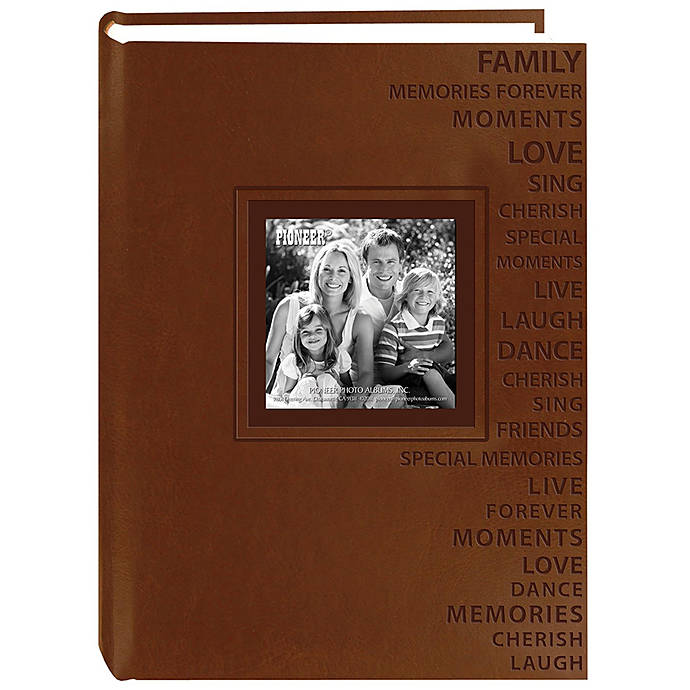
How should I title and caption my entry?
Keep titles short and purposeful (3–6 words) and avoid restating the obvious. Use captions to add missing context: location, subject role, or moment significance. If technical details matter to the story (e.g., intentional long exposure), include them sparingly. Proof for clarity and tone; avoid insider jargon unless the audience expects it.
How can I practice and get feedback between contests?
Join community challenges, local meetups, and in-store critiques. Participate in internal or themed shoots to pressure-test ideas on a deadline. Explore Unique Photo’s classes and special events to refine concepting, lighting, and post-production. Consistent practice under real constraints is the fastest way to improve your brief interpretation and delivery.
Ready to put this into action? Explore Unique Photo’s education lineup, learn from past winners, and gear up for your next submission. Visit us in Fairfield, NJ or shop and learn at uniquephoto.com—our team is here to help you plan, shoot, and submit with confidence.