Budget APS-C Lens Kits Compared: Sharpness vs. Bokeh
If you are shopping for an affordable APS-C camera setup, lens quality often matters more than the body itself. For many photographers, the real question is simple: which budget kit lens gives you the best balance of crisp detail and pleasing background blur? In this comparison, we are focusing on APS-C mirrorless kits from Canon and Fujifilm that include entry-level or affordable standard zooms. These are popular choices for beginners, travel shooters, family photographers, and anyone who wants strong everyday image quality without jumping straight into expensive premium glass.
The most relevant contenders here are the Canon EOS R10 with RF-S 18-150mm, the Canon EOS R50 with RF-S 18-45mm and 55-210mm, the Canon EOS R100 Double Lens Zoom Kit, and the FUJIFILM X-T30 III with XC13-33mm lens kit. Since the topic is specifically about APS-C performance, we are excluding the camcorders and Micro Four Thirds option from the main recommendation.
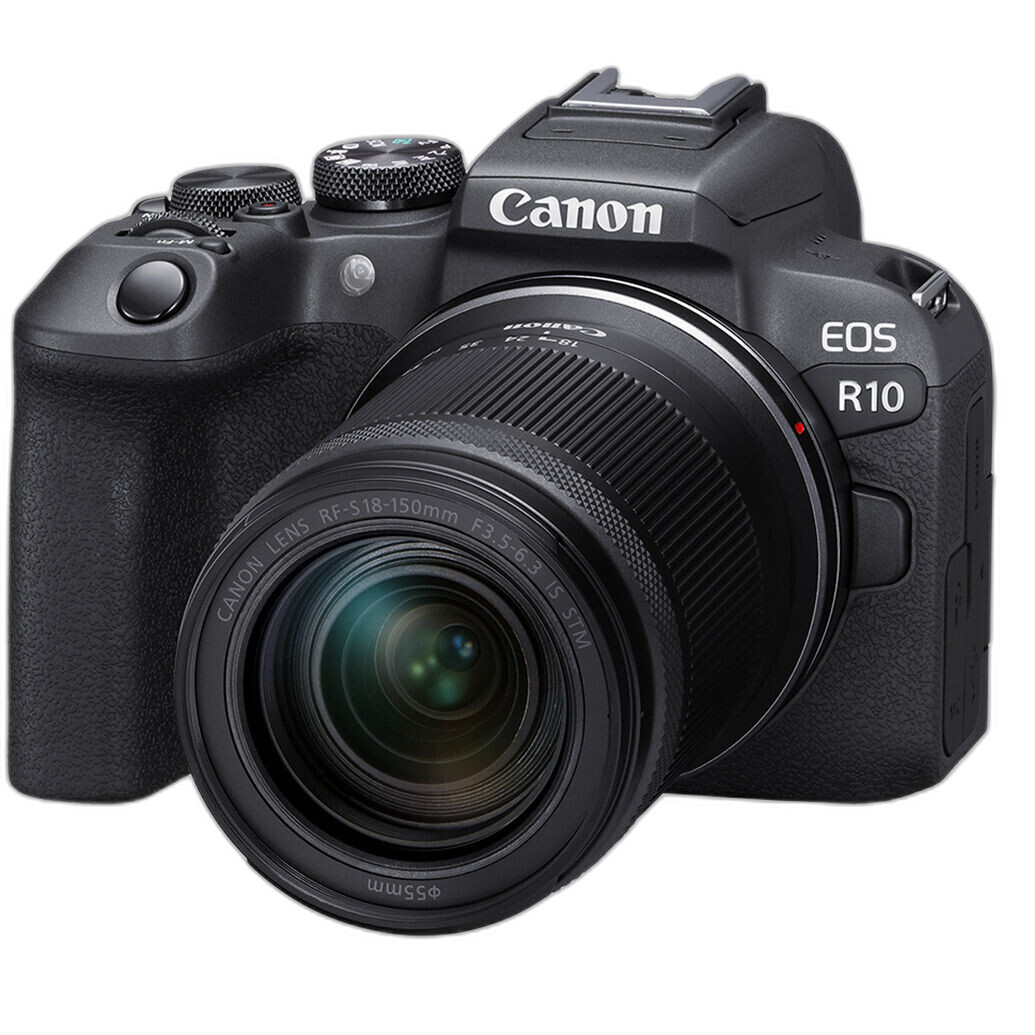
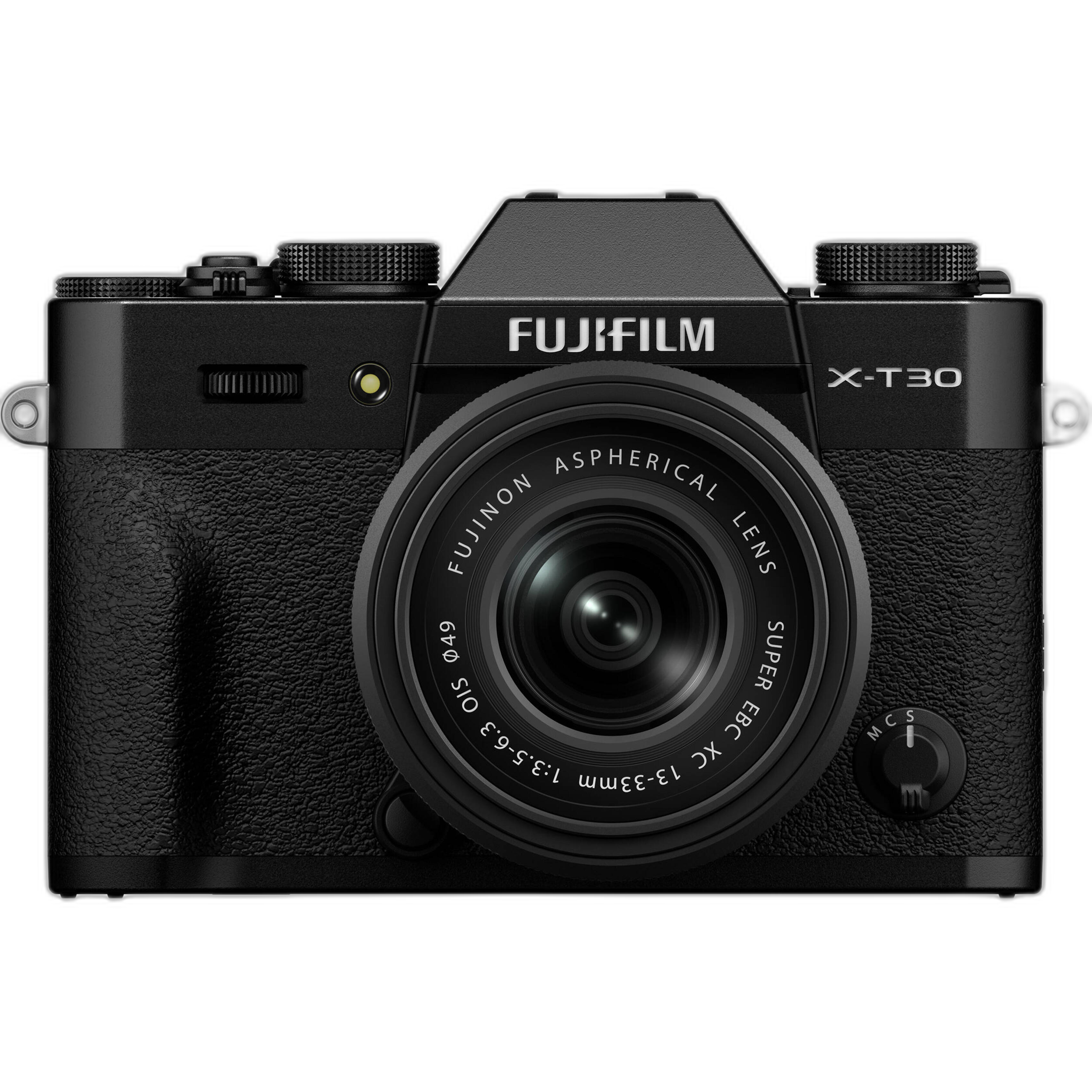
Side-by-Side Specs Comparison
| Product | Sensor Format | Included Lens/Lenses | Lens Aperture Info | Sharpness Potential | Bokeh Potential | Best Use Case |
|---|---|---|---|---|---|---|
| Canon EOS R10 with 18-150mm Lens | APS-C | RF-S 18-150mm | Variable aperture superzoom | Good center sharpness, versatile range | Moderate, helped by longer focal lengths | Travel and all-in-one shooting |
| FUJIFILM X-T30 III with XC13-33mm Lens Kit | APS-C | XC13-33mm | Variable aperture standard zoom | Very strong for a compact kit zoom | Limited to moderate, stronger at longer end | Street, everyday, travel, lifestyle |
| Canon EOS R100 Double Lens Zoom Kit | APS-C | Two zoom lenses | Variable aperture kit zooms | Solid entry-level performance | Better at telephoto end than wide end | Budget beginners needing range |
| Canon EOS R50 with 18-45mm and 55-210mm | APS-C | RF-S 18-45mm and RF-S 55-210mm | Variable aperture kit zooms | Good overall, especially with telephoto lens | Best blur potential from 55-210mm | Portraits, family, general use |
How We Are Judging Sharpness and Bokeh
Sharpness is not just about resolution. It is also about how consistently a lens renders detail across the frame, how much contrast it preserves, and whether it holds up through the zoom range. Bokeh is influenced by aperture, focal length, subject distance, and sensor size. With budget APS-C zooms, you usually will not get the ultra-creamy blur of a fast prime, so the winner is the kit that creates the most attractive separation in real-world use while still maintaining strong detail.
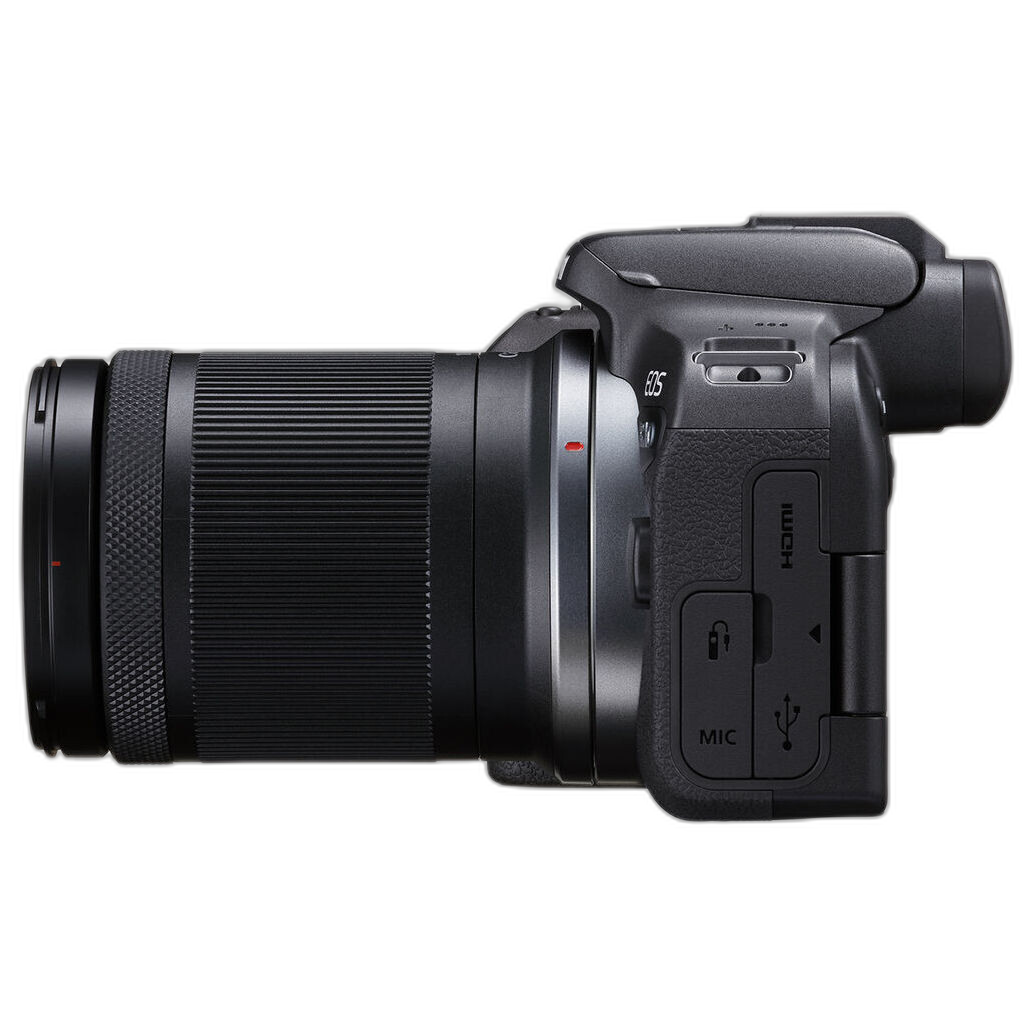
Canon EOS R10 with RF-S 18-150mm: Versatility First
The Canon EOS R10 kit stands out because the included RF-S 18-150mm lens covers an enormous focal range. That makes it incredibly practical, and for photographers who want one lens to do everything, it is a compelling option. In terms of sharpness, superzooms usually involve some compromise, but the convenience is excellent. Center sharpness is typically the strongest point for this type of lens, and stopping down can improve overall consistency.
Where this setup does better than many standard kit zooms is bokeh flexibility. Even with a variable aperture, the long 150mm end can help compress backgrounds and create more subject separation than a short kit zoom can manage. If your definition of better bokeh means photographing portraits outdoors with decent background melt, this lens has a real advantage over shorter alternatives.
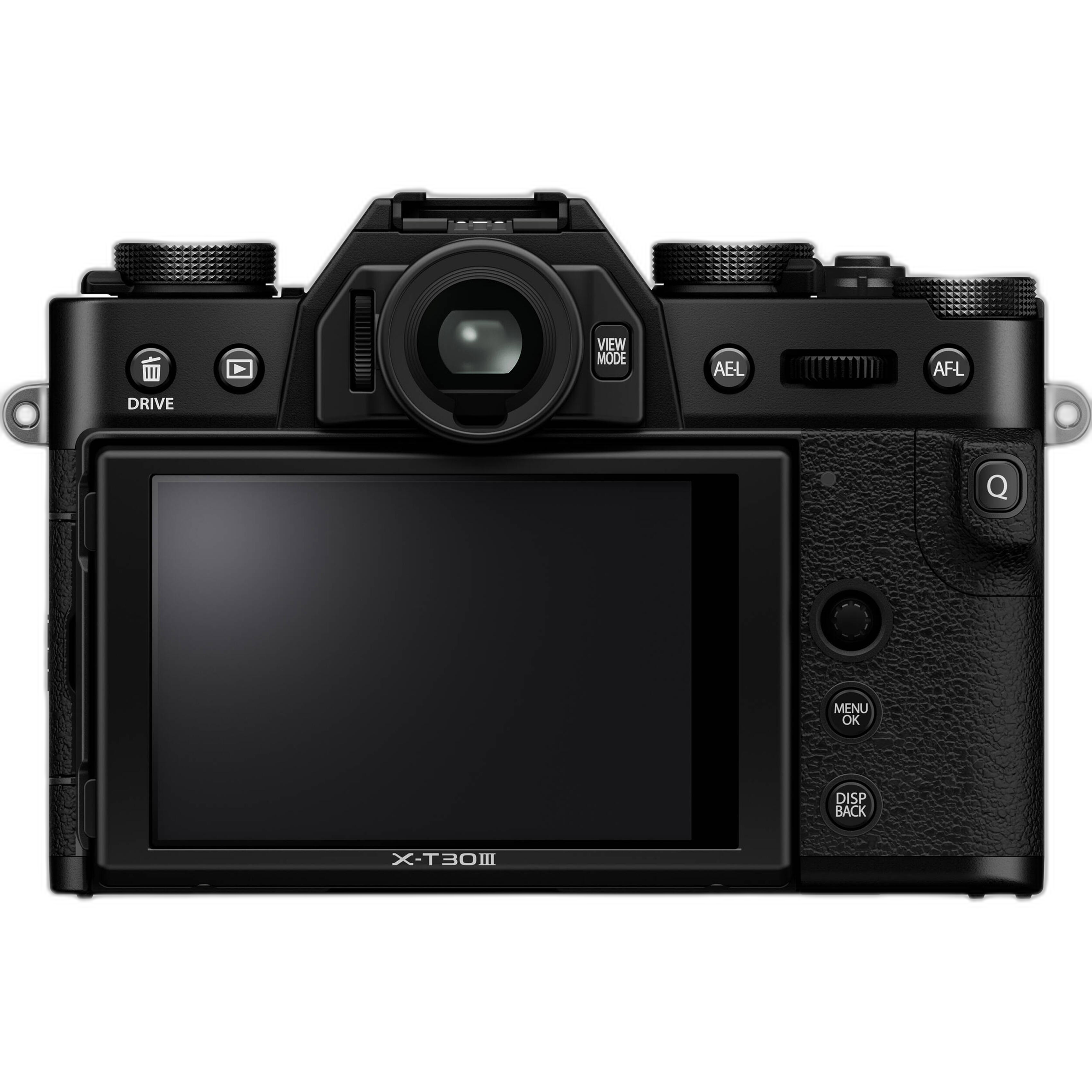
FUJIFILM X-T30 III with XC13-33mm: Best Everyday Sharpness
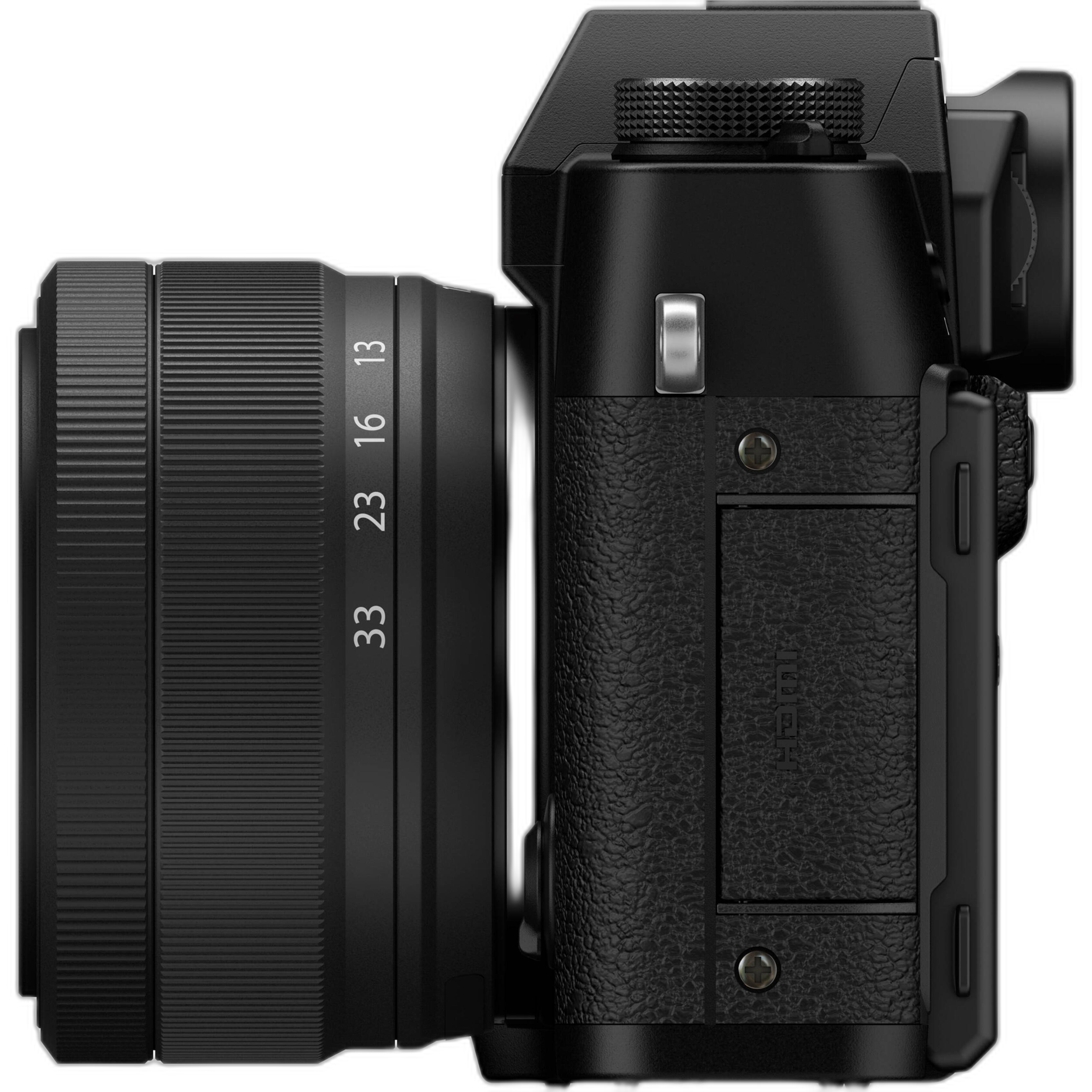
The Fujifilm X-T30 III with XC13-33mm lens kit is arguably the most balanced option here if sharpness is your top priority. A shorter-range standard zoom often performs better optically than an all-in-one lens, and that is the key advantage in this matchup. The 13-33mm range is more restrained, which generally helps deliver cleaner image quality across the frame for daily shooting.
For bokeh, the Fujifilm kit lens is less naturally advantaged than a longer telephoto zoom. At the wider end, background blur will be more subtle. Still, at the long end and at closer focusing distances, you can get pleasing separation for food, detail, casual portrait, and lifestyle photography. The Fujifilm color science and rendering also tend to make images feel polished straight out of camera, which can enhance the subjective sense of quality even when background blur is not especially dramatic.
Canon EOS R50 Double Zoom Kit: Best Budget Bokeh Flexibility
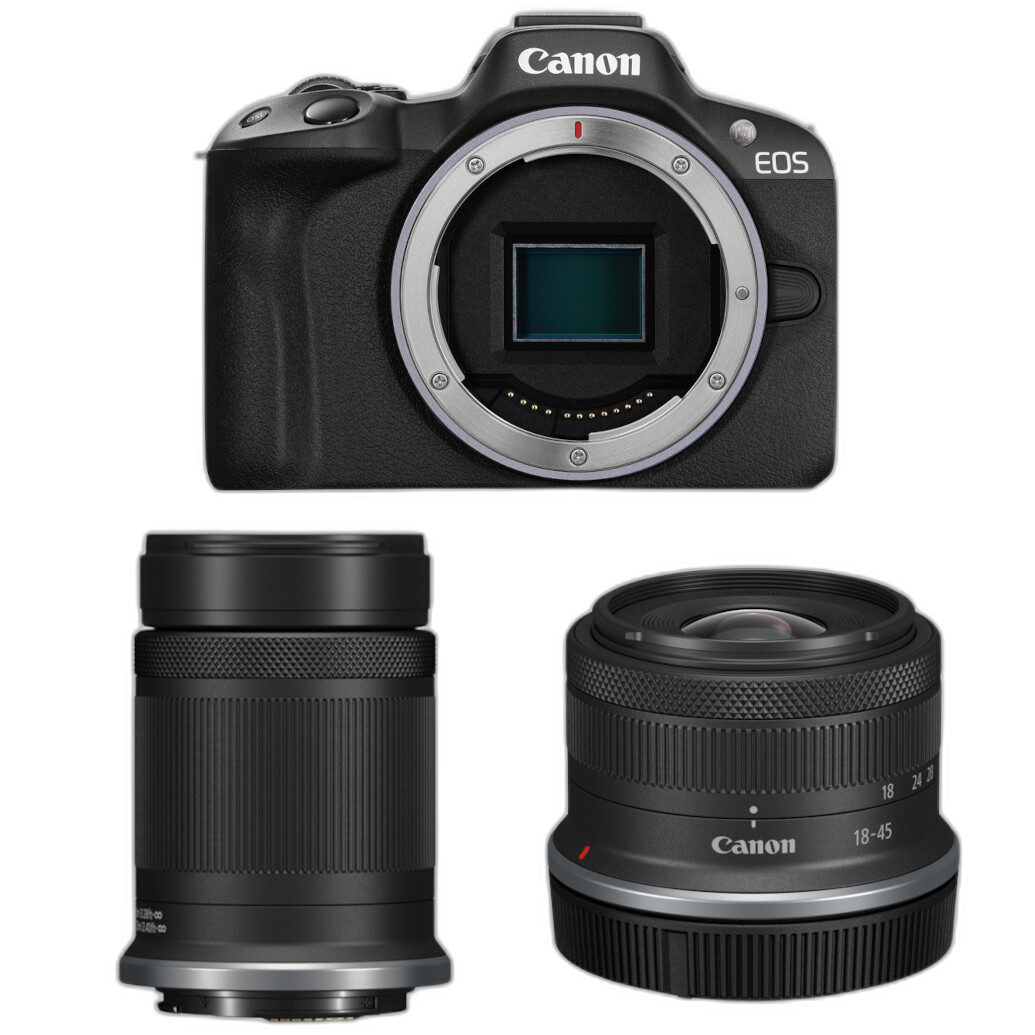
The Canon EOS R50 bundle gives you two lenses, and that matters. The 18-45mm lens is convenient for everyday use, but for bokeh, the real star is the 55-210mm. Longer focal lengths are one of the easiest ways to produce stronger background blur on a budget, even without a wide maximum aperture. If you shoot portraits, pets, kids, or outdoor candids, the telephoto lens gives this kit a meaningful edge in subject isolation.
Sharpness should be viewed in context: compact kit zooms can look very good in normal use, especially with modern APS-C sensors and smart in-camera processing. The two-lens approach is less elegant than a single do-everything zoom, but it gives you more creative range. For buyers who want the strongest practical bokeh without adding a separate prime lens, this is one of the smartest bundles in the group.
Canon EOS R100 Double Lens Zoom Kit: Lowest-Cost Entry Point
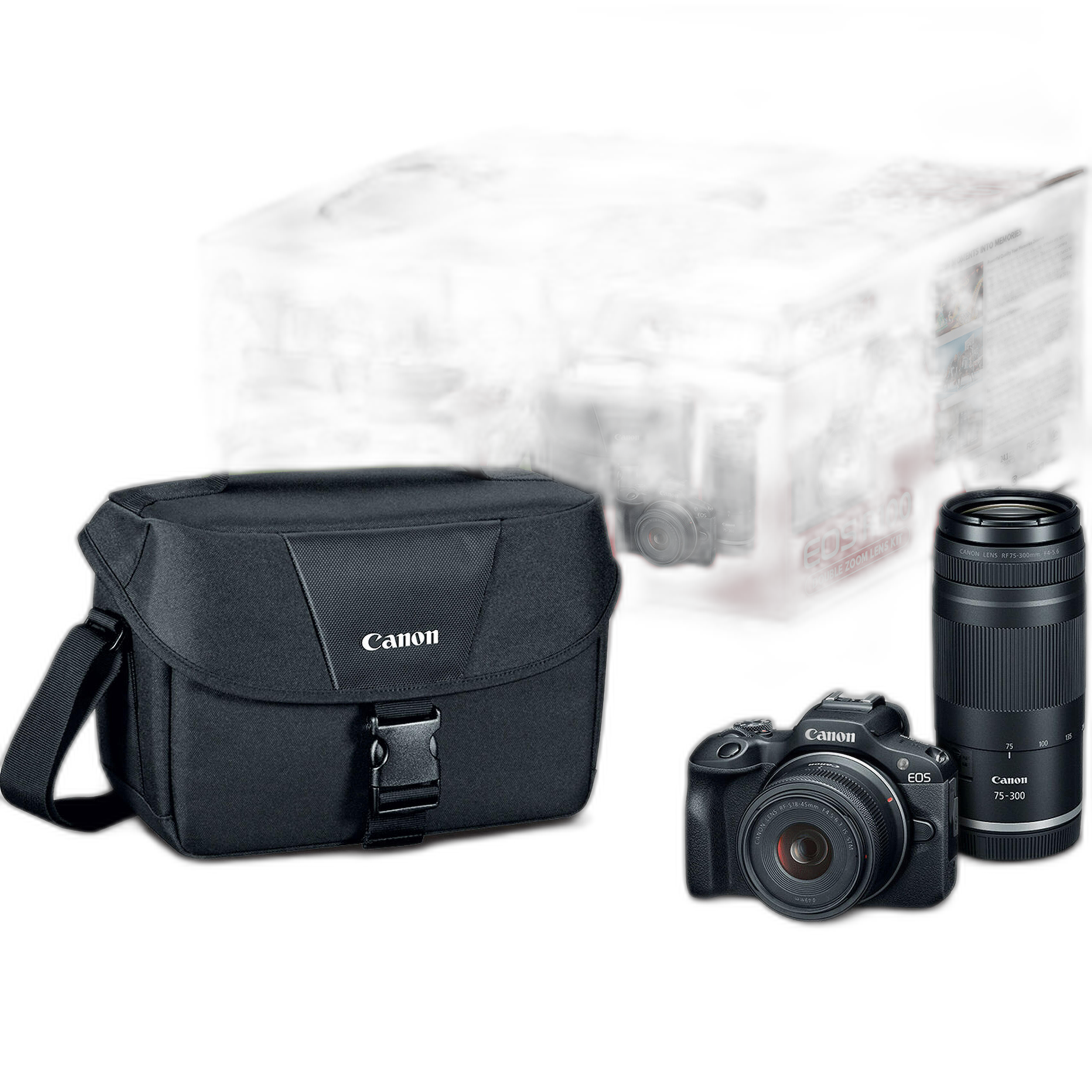
The Canon EOS R100 Double Lens Zoom Kit follows a similar concept to the R50 kit, offering broad focal-length coverage on a tighter budget. For sharpness, expect solid beginner-level results, especially in good light. Like the R50 package, its telephoto lens will be more useful for achieving stronger background separation than the standard zoom.
The tradeoff is that this setup is more about affordability than maximizing optical refinement. If you are deciding purely on lens rendering, it sits behind the strongest Fuji option for crispness and behind the more enthusiast-friendly Canon bundles for overall user experience. Still, for shoppers whose budget is strict, it remains a valid starting point.
Sharpness Winner
If your main goal is the cleanest, most consistently sharp everyday results from a budget APS-C kit zoom, the FUJIFILM X-T30 III with XC13-33mm lens is the strongest pick in this lineup. Its more modest zoom range is an advantage, and it is paired with a camera body that appeals to enthusiasts who care about image quality.
Bokeh Winner
If your priority is background blur from an affordable APS-C kit, the Canon EOS R50 with 18-45mm and 55-210mm lenses has the edge. The telephoto zoom gives you more real-world portrait compression and subject separation than the shorter standard zoom options.
Our Pick
Our Pick: FUJIFILM X-T30 III with XC13-33mm Lens Kit
For the best overall balance of sharpness, compactness, and everyday image quality, the Fujifilm kit comes out on top. It is the better choice for photographers who care most about crisp files and a refined shooting experience. However, if your personal definition of winning includes stronger bokeh for portraits, the Canon EOS R50 two-lens kit is the better value play.
Conclusion
Choosing the best budget APS-C lens kit depends on whether you value optical sharpness or background blur more. The Fujifilm X-T30 III kit is our top recommendation for sharp everyday photography, while the Canon EOS R50 two-lens bundle is the better choice for shoppers chasing stronger bokeh on a budget. If you are ready to compare these kits in more detail, Unique Photo is a great place to explore current availability, pricing, and camera bundles for every type of photographer.