Photo contests always spark the same debate: do judges reward bold originality, or do they lean toward flawless technique? In practice, most winning images land somewhere in the middle. Judges often respond first to impact, then look more closely at execution, intent, and how well the image fits the contest brief. If you're preparing entries, it helps to think like a judge while still staying true to your style. These tips break down common criteria photographers discuss after contests, along with practical ways to improve your next submission.
1. Start With the Contest Brief Before You Pick Your Best Image
Read the theme like a judge would
Many strong photos lose simply because they do not clearly fit the category or theme. Judges usually review hundreds or thousands of entries, so relevance matters fast. Before submitting, ask: does the image answer the prompt in a way that is immediate and memorable?
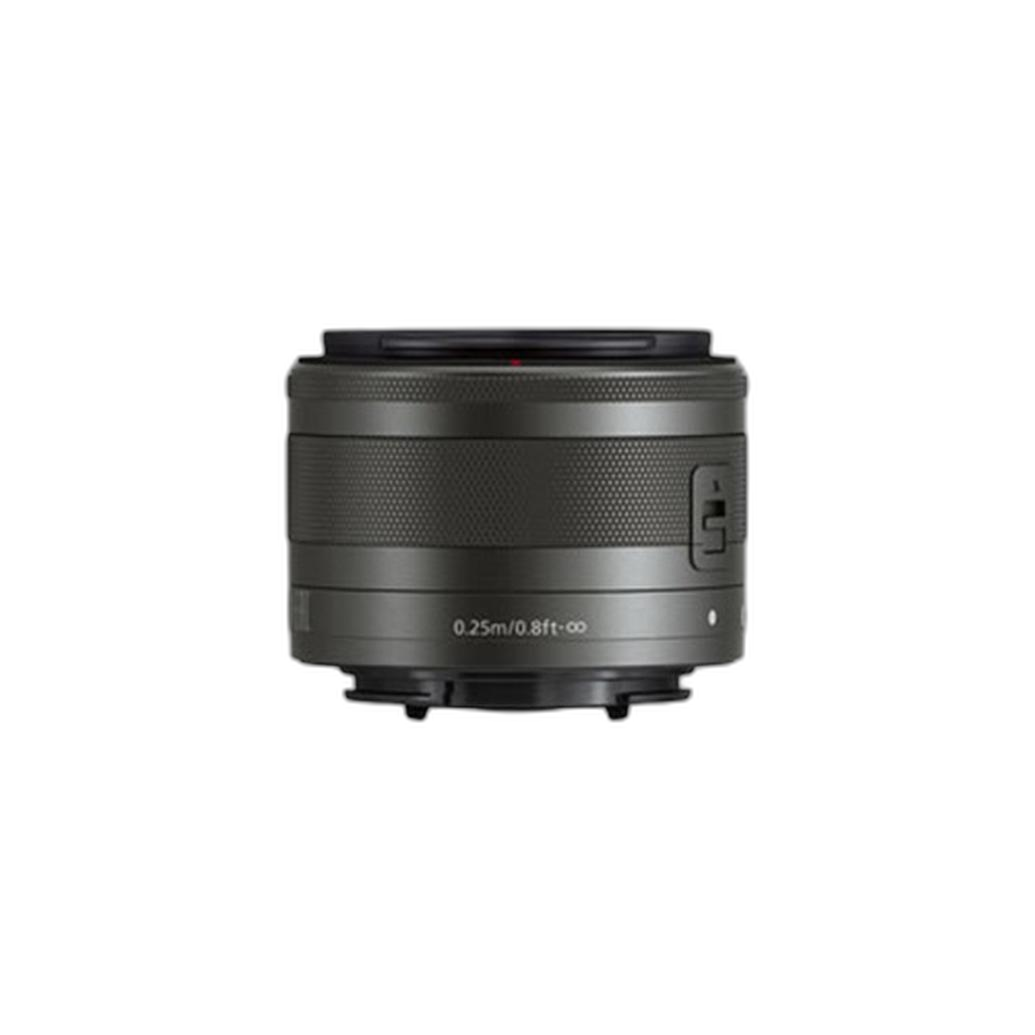
A technically beautiful landscape may not advance in a storytelling category if it lacks a clear narrative. Likewise, a raw street image with emotion can do very well if it fits the assignment perfectly. When testing ideas for broad themes, a flexible lens like the Used Canon EF-M 15-45mm f/3.5-6.3 IS STM - Good can help you explore multiple framings quickly, from environmental context to tighter compositions.
2. Originality Gets Attention, but Clarity Keeps You in the Running
Be distinctive without becoming confusing
Photographers often say judges want something they have not seen before, and that is partly true. Originality helps an entry stand out in a crowded field. But originality works best when the idea is still readable. If viewers spend too long trying to decode the frame, the emotional hit may be lost.
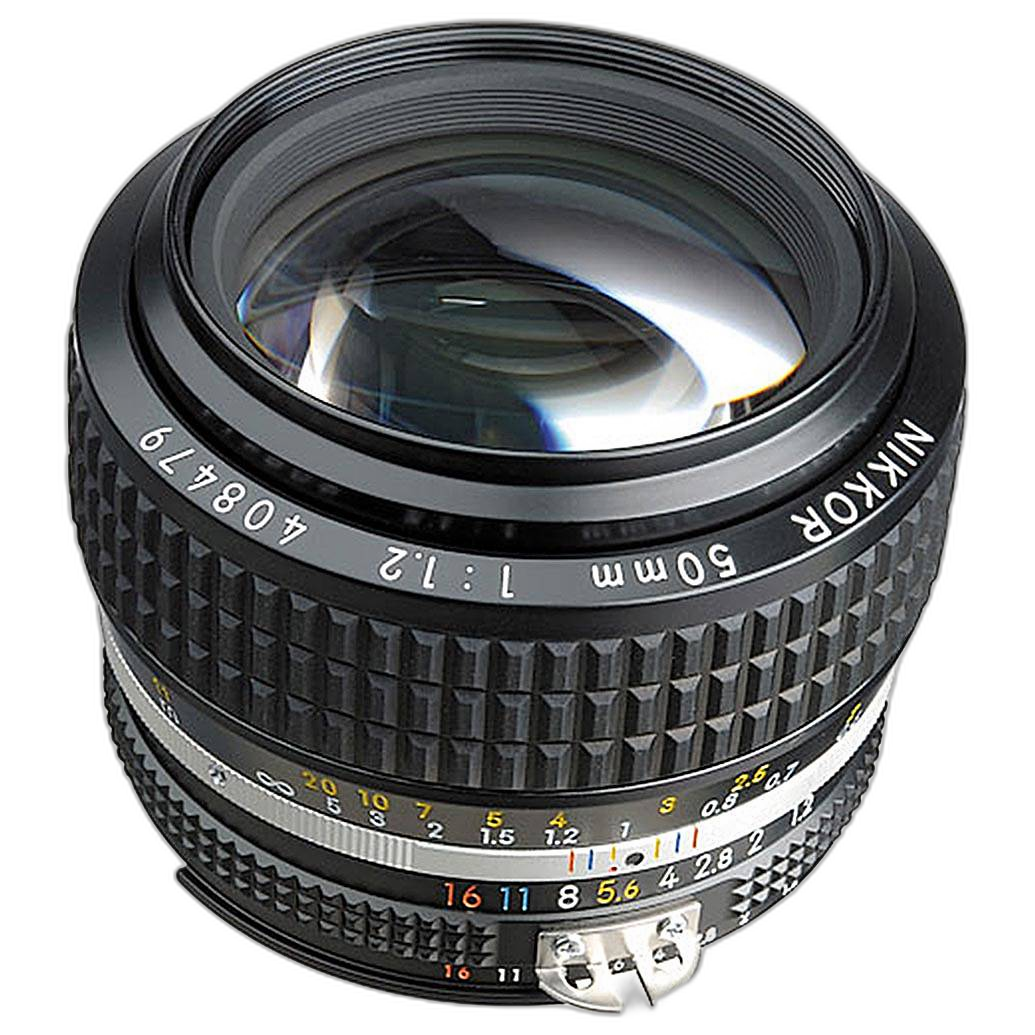
Think about what makes your image yours: unusual light, timing, perspective, subject access, or a personal visual voice. A classic prime such as the Used Nikon 50mm f/1.2 Ai - Good can encourage a more intentional approach to composition and depth, helping you make familiar subjects feel more personal instead of generic.
3. Technical Skill Still Matters More Than People Sometimes Admit
Judges notice focus, exposure, print quality, and editing choices
Even when originality drives the first reaction, technical problems can knock out an otherwise great image. Contest judges regularly evaluate sharpness where it matters, highlight control, shadow detail, color consistency, retouching restraint, and whether post-processing supports the image instead of overpowering it.
- Check for distractions at the edges of the frame
- Make sure skin tones and color balance feel intentional
- Avoid oversharpening and heavy-handed HDR effects
- Confirm that cropping strengthens, rather than rescues, the image
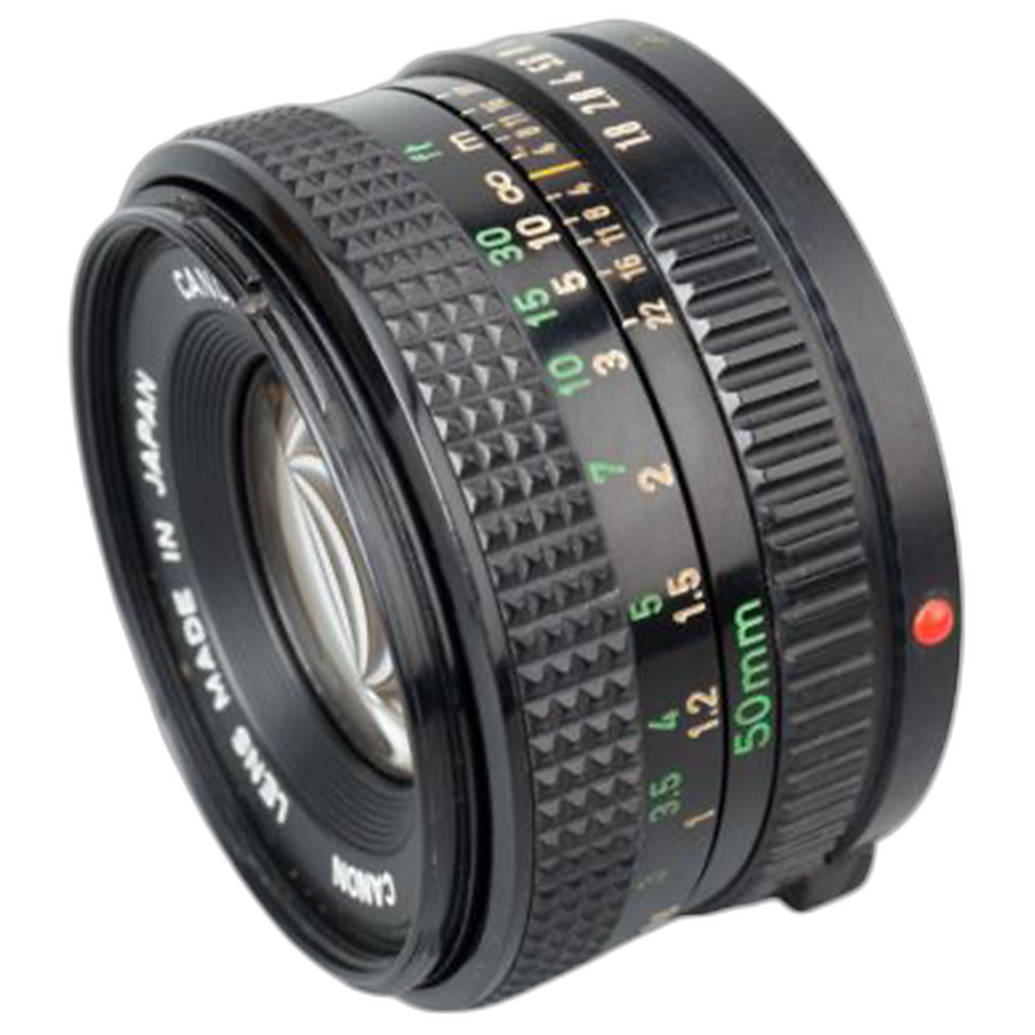
If you enjoy working with a simple, proven optic, the Used Canon FD 50mm f/1.8 Lens - Good is a reminder that strong contest images do not require exotic gear. Clean composition and disciplined exposure often matter more than complexity.
4. Emotional Impact Often Beats Perfection
Give judges a reason to remember your frame
Many past entrants say the images that place well are the ones people keep thinking about after the first pass. That usually comes down to emotion: tension, surprise, tenderness, humor, mystery, or human connection. A slightly imperfect image with real feeling can outperform a sterile one that is technically flawless.
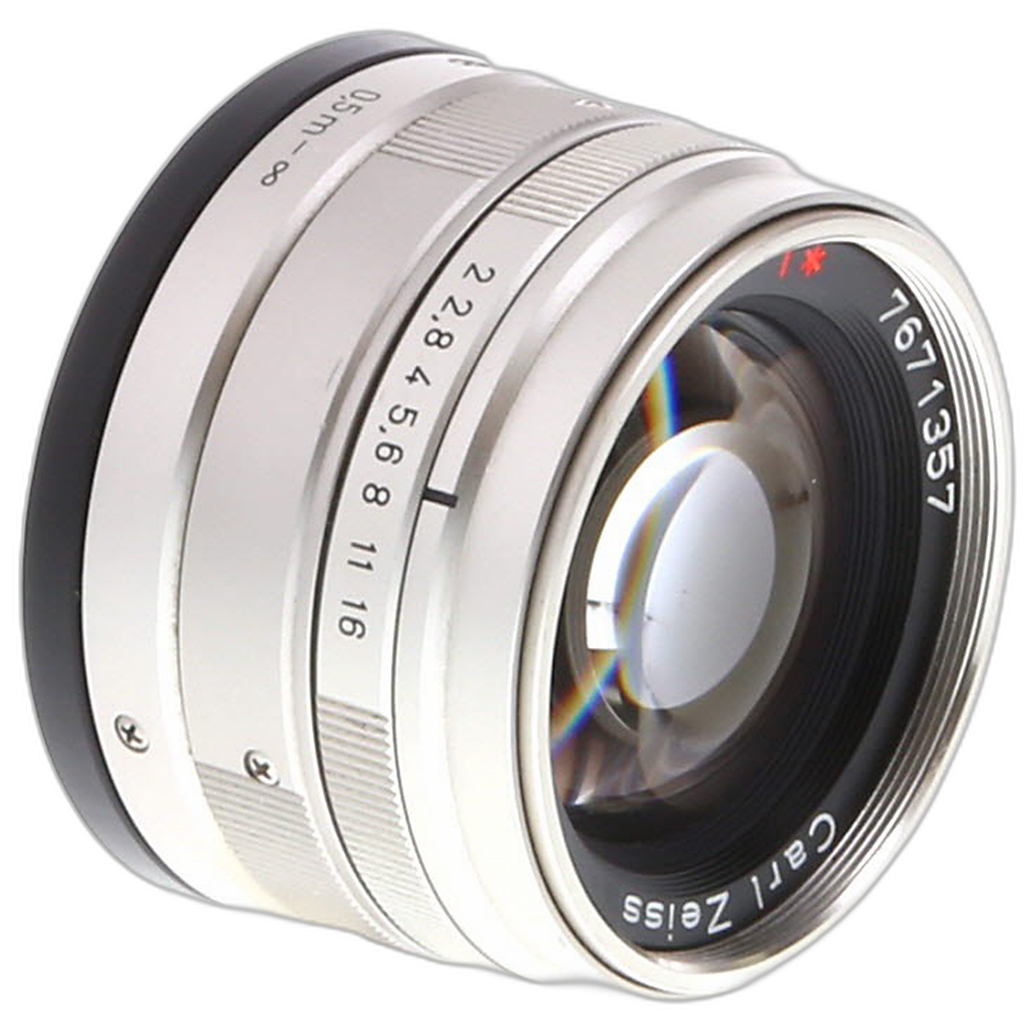
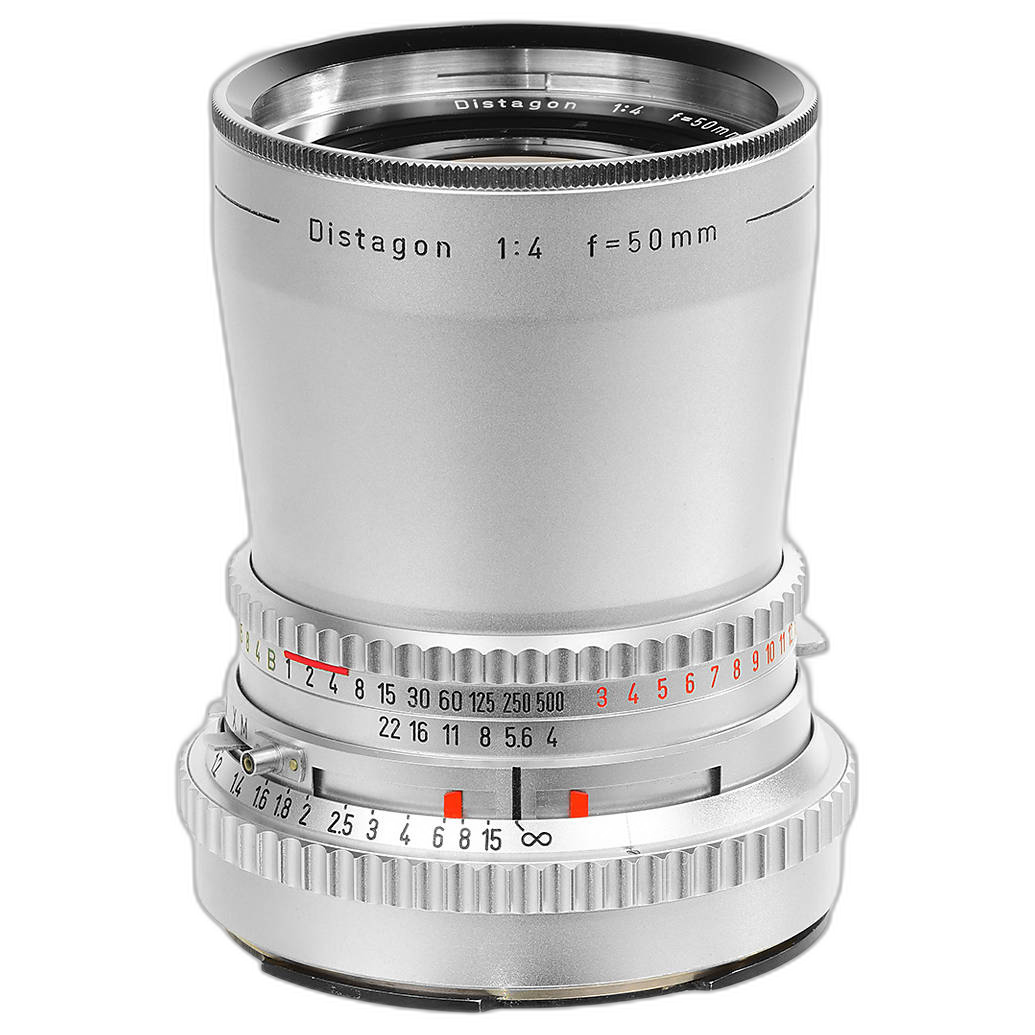
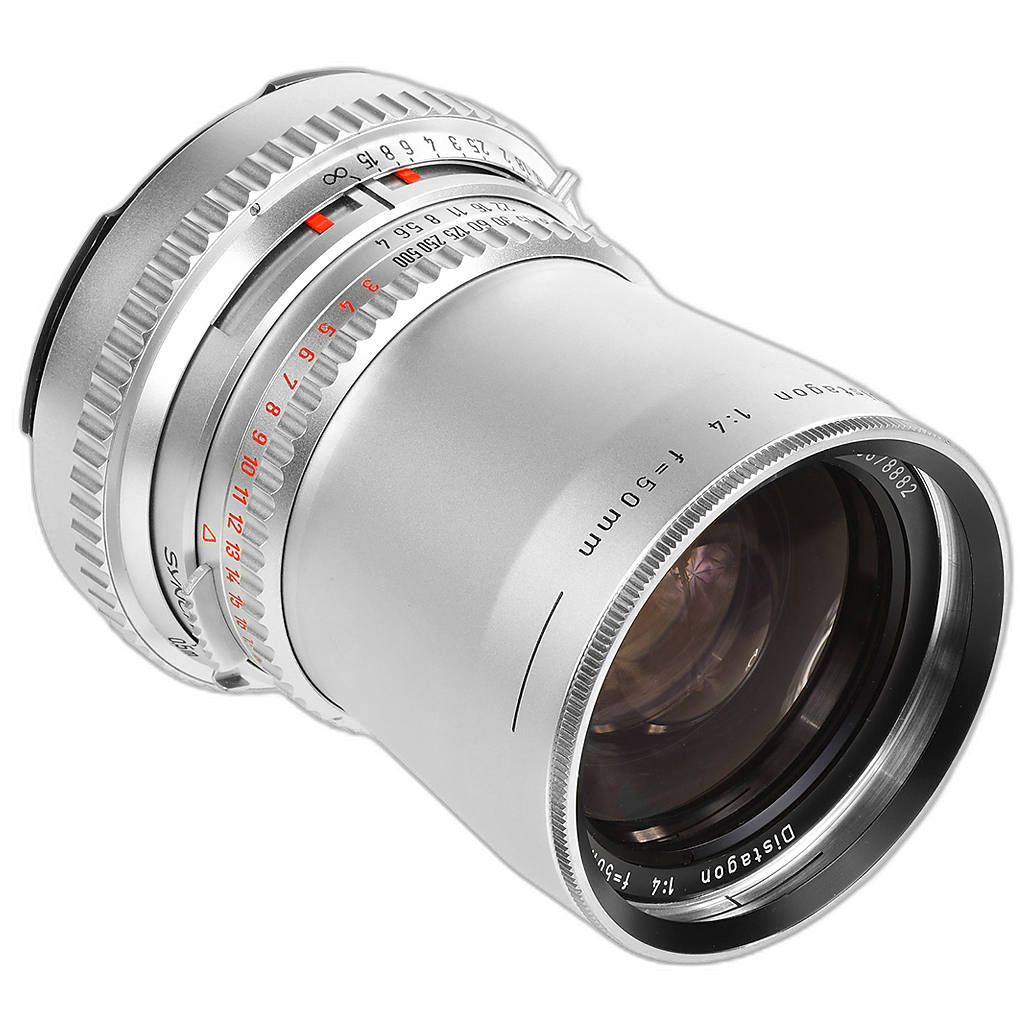
Wide-angle storytelling can help when emotion depends on context. The Used Hasselblad 50MM F/4 CF T* - Excellent, for example, suits photographers who want to include environment as part of the subject's story, which can be especially effective in editorial, documentary, and fine art contest categories.
5. Sequencing and Selecting Are Skills of Their Own
Do not submit the image you are emotionally attached to without review
One of the biggest lessons photographers share after entering contests is that self-editing is hard. The frame you worked hardest for is not always the strongest one. Judges are not evaluating your effort; they are evaluating the final image on screen or in print.
- Shortlist 10 images instead of starting with 1
- Step away for a day before narrowing them down
- Ask peers what they notice first in each frame
- Choose the image with the clearest visual priority
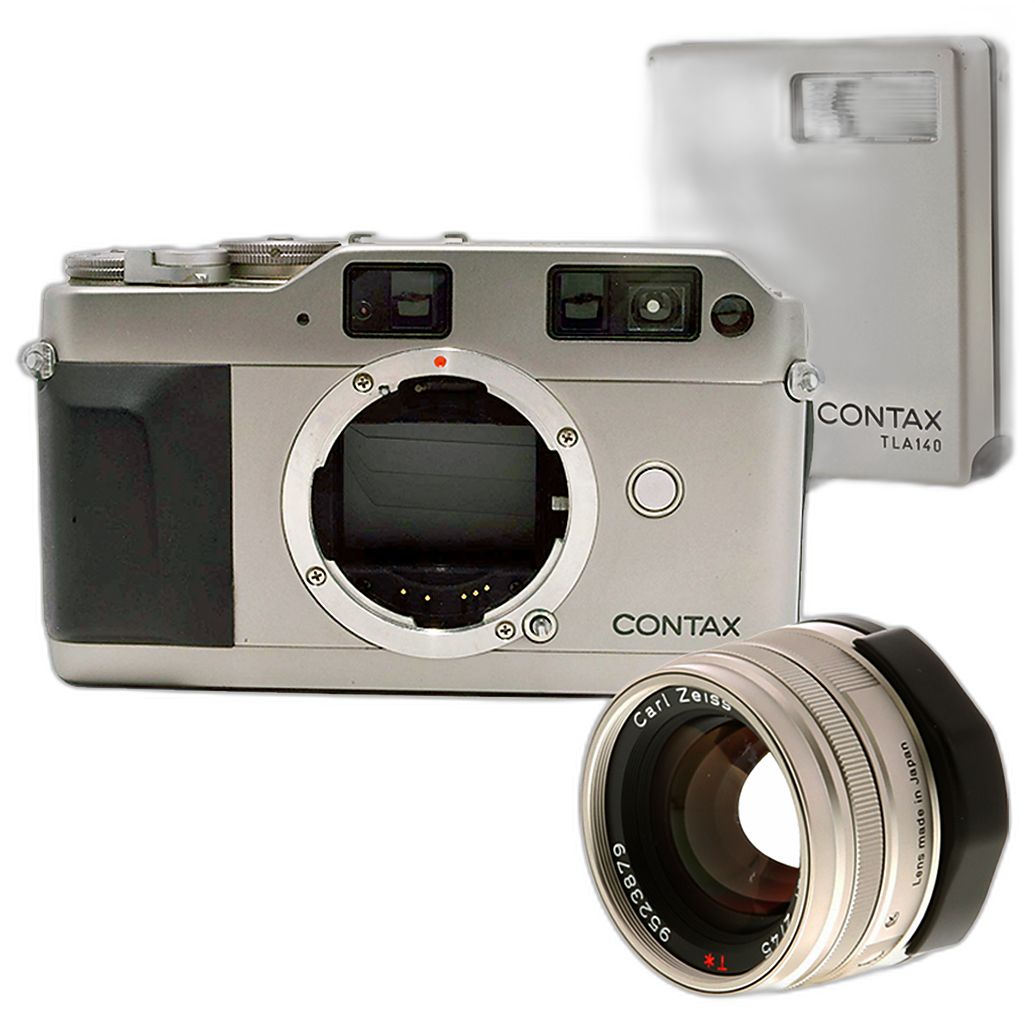
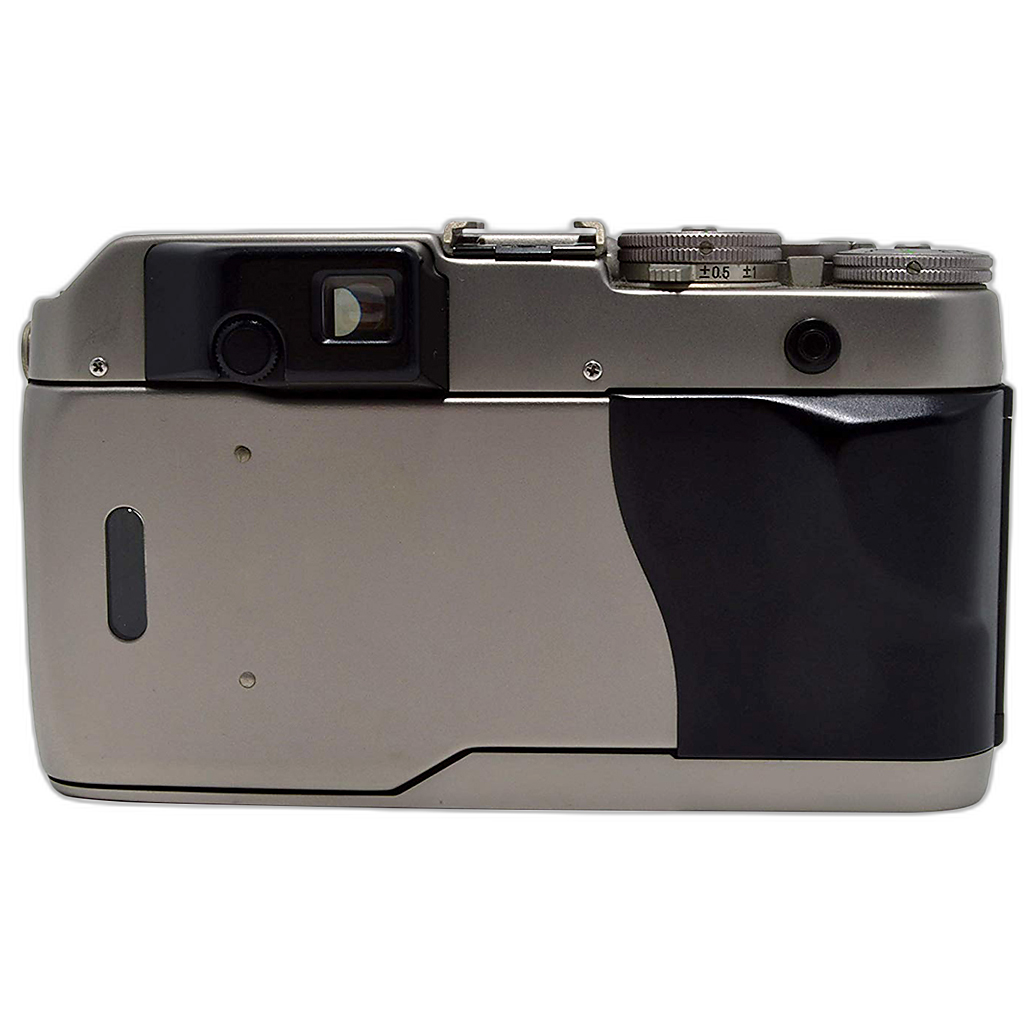
Rangefinder-style shooting with a camera like the Used Contax G1 w/ 45mm f/2 and TLA140 Flash - Good can produce contest-worthy work with a strong, direct feel. Its classic 45mm perspective is especially appealing when you want images that feel natural but still deliberate.
6. Presentation Can Influence How Your Image Is Perceived
Crop, border, file prep, and print quality all matter
Judges may not consciously score every presentation detail, but they absolutely feel the difference between an image that is polished and one that looks rushed. If the contest involves printing, paper choice and tonal control can change how seriously the work is taken. For digital submission, file sizing, sharpening for output, and consistent color management are essential.
Photographers exploring different visual languages sometimes turn to film gear for distinctive rendering. The Used Contax G1 w/ 45mm f/2 and TLA140 Flash - Good is also a nice example of how a film workflow can slow the process down and encourage more careful, contest-ready editing afterward.
7. Judges Often Reward Intentional Choices More Than Expensive Gear
Use the tool that supports your idea
Contest discussions often drift toward equipment, but judges usually care more about whether the tool served the concept. A fast normal lens can isolate a subject beautifully, while a compact zoom may be better for responsive travel or documentary work. What matters is that your choices feel purposeful.
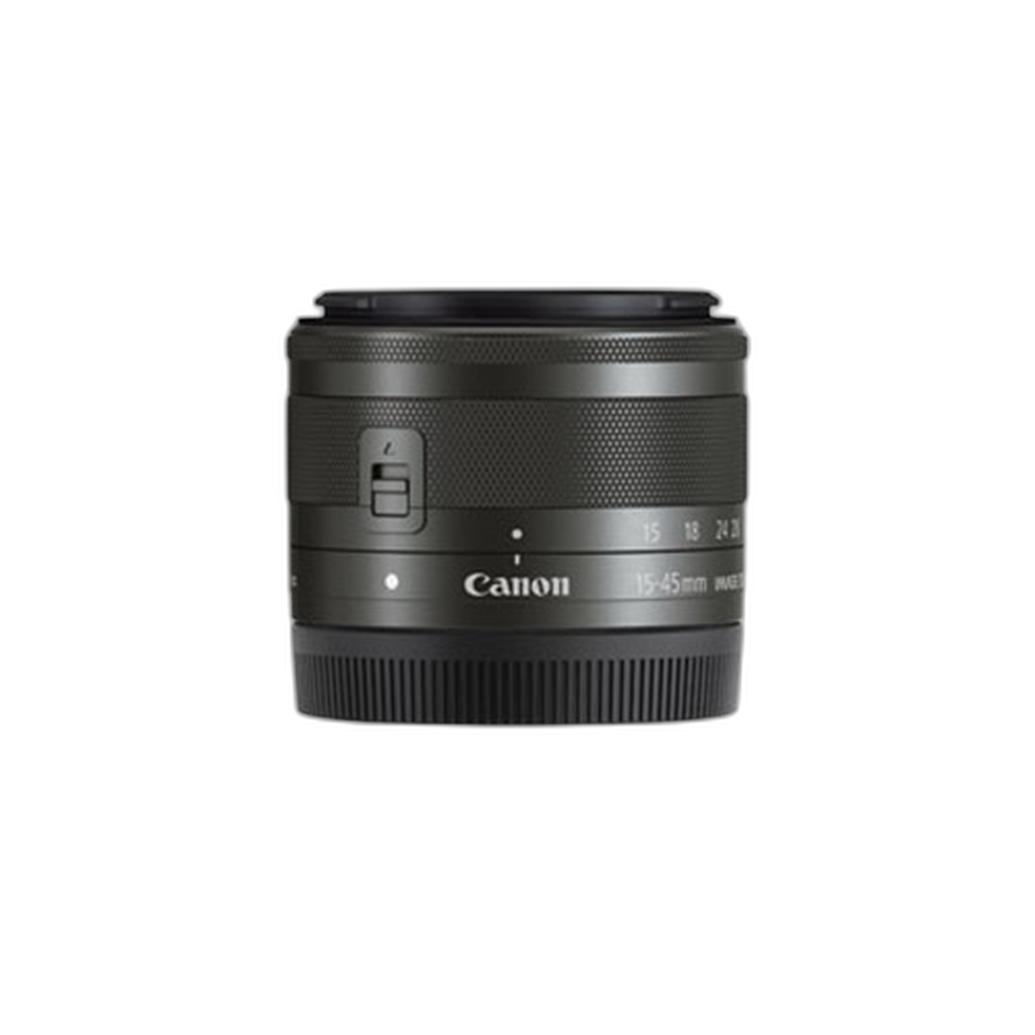
For photographers building a contest portfolio on a budget, used gear can be a smart route. A lens like the Used Canon EF-M 15-45mm f/3.5-6.3 IS STM - Good offers practical versatility, while the Used Canon FD 50mm f/1.8 Lens - Good can push you toward stronger discipline and cleaner visual storytelling.
8. The Best Entries Usually Balance Vision and Execution
Stop treating originality and technical skill like opposites
The most useful takeaway from photographers who have entered multiple contests is this: originality and technical skill are not competing values. Judges may lean one way or the other depending on the contest, but the strongest submissions tend to combine a fresh point of view with enough craftsmanship to make that vision land cleanly.
If your image is original but sloppily processed, it may not survive. If it is technically perfect but visually predictable, it may be forgotten. Aim for both. Build your entry around a clear idea, then refine the details until nothing distracts from it.
Conclusion
When entering photography contests, think beyond the old originality-versus-technique argument. Judges often respond to relevance, impact, intent, and execution all at once. The good news is that you do not need to chase trends or overcomplicate your process. Submit images with a clear point of view, strong editing, and careful presentation. If you're refining your kit for future entries, exploring used cameras and lenses at Unique Photo is a great way to find tools that match your style without stretching your budget.