If you are an experienced filmmaker, advanced hobbyist, or creator ready to move beyond spec-sheet marketing, choosing between cinema cameras, DSLRs, and mirrorless systems is really about how you shoot. Image quality matters, but so do ergonomics, audio, monitoring, rigging, lens flexibility, recording formats, and the time you spend in post. This guide breaks down the technical pros and cons of each camera category for filmmaking, then highlights a few useful support accessories that can improve your setup and workflow.
While the products available here are not full cinema camera bodies, they are relevant tools for building a more production-ready rig. For filmmakers shopping at Unique Photo, this guide is designed to help you think practically about the system that best fits your productions, budget, and long-term workflow.
Quick Answer: Which Camera Type Is Best?
Cinema cameras are best for filmmakers who prioritize professional codecs, built-in ND filters, audio connectivity, monitoring tools, and set-ready ergonomics.
Mirrorless cameras offer the best balance of image quality, autofocus, lens adaptability, compact size, and cost for many owner-operators and hybrid creators.
DSLRs still have a place for budget-conscious shooters and photographers who also shoot video, but in 2026 they are generally less compelling for dedicated filmmaking than modern mirrorless systems.
Cinema vs DSLR vs Mirrorless: What Really Changes in Practice?
Image Quality and Recording Formats
Cinema cameras are designed around sustained video production. That usually means higher bitrate codecs, better heat management, more recording options, and stronger internal video tools. Depending on the model, you may get RAW or robust 10-bit and 12-bit workflows, dual native ISO, internal ND filters, and better highlight roll-off.
Mirrorless cameras have closed the gap significantly. Many now offer excellent oversampled 4K, high frame rates, log profiles, 10-bit internal recording, and impressive dynamic range for the price. For many productions, the real-world image quality difference between a modern mirrorless body and a lower-end cinema camera is smaller than it used to be.
DSLRs can still produce pleasing footage, especially in controlled light, but they are often limited by older codecs, weaker video assist tools, slower live-view autofocus, and less efficient thermal or recording performance compared to newer mirrorless options.
Ergonomics and On-Set Usability
This is where cinema cameras still justify their premium. They are built for video-first operation, with easier access to inputs, outputs, menus, mounting points, timecode, media handling, and balanced form factors for professional accessories.
Mirrorless bodies are compact, but that compactness can become a drawback once you add a monitor, microphone, SSD, battery solution, matte box, or follow focus. The camera may still be excellent, but it often needs a cage, plate, and rigging ecosystem to become truly production-friendly.
DSLRs tend to be the least video-optimized ergonomically. Optical viewfinder design, older menu systems, and less advanced video-centric controls make them workable but usually not ideal for demanding filmmaking.
Lens Ecosystem and Adaptability
Mirrorless systems are especially strong here. Short flange distances make adapting many cinema and vintage lenses easier, giving filmmakers a wide range of creative and budget-friendly lens options. Cinema cameras vary: some are highly flexible, while others are more specialized depending on mount and intended production use.
DSLR lens ecosystems remain broad, but future-facing innovation is increasingly concentrated in mirrorless platforms.
Workflow and Post-Production
If you shoot long-form projects, client work, documentaries, or narrative productions with color grading in mind, codec quality and media workflow become critical. Cinema cameras usually simplify professional post workflows with more edit-friendly or grade-friendly recording options.
Mirrorless workflows can be excellent, but some compressed formats are more demanding on editing systems. That is often a fair tradeoff for lower cost and smaller body size. DSLR workflows vary, but they are less likely to offer the same depth of modern recording options.
Cost and Value
Cinema cameras generally cost more not just at purchase, but across the full system: media, batteries, support gear, monitoring, rigging, and lenses. Mirrorless systems often deliver the best value-per-dollar for serious enthusiasts and indie filmmakers. DSLRs can still be affordable, especially used, but their value proposition is weaker if filmmaking is the main goal.
Comparison Table
| System | Strengths | Drawbacks | Best For |
|---|---|---|---|
| Cinema Camera | Pro codecs, audio inputs, ND filters, monitoring tools, rig-friendly design | Higher cost, larger systems, more accessories and power demands | Narrative, commercial, documentary, crew-based shoots |
| Mirrorless | Excellent image quality, compact size, strong autofocus, adaptable lens options, strong value | Often needs rigging for best ergonomics, battery life can be limited | Owner-operators, indie filmmakers, hybrids, travel productions |
| DSLR | Affordable entry point, familiar for photographers, broad legacy lens support | Older video features, weaker AF/live-view performance, less video-centric design | Budget shooters who already own DSLR gear |
Accessories That Help Bridge the Gap
One of the biggest lessons filmmakers learn over time is that a camera body alone does not determine how professional a system feels. Support accessories can dramatically improve balance, mounting flexibility, and day-to-day usability, especially for mirrorless builds trying to approach cinema-style handling.
Tilta 10 Lightweight Dovetail Plate (Black)
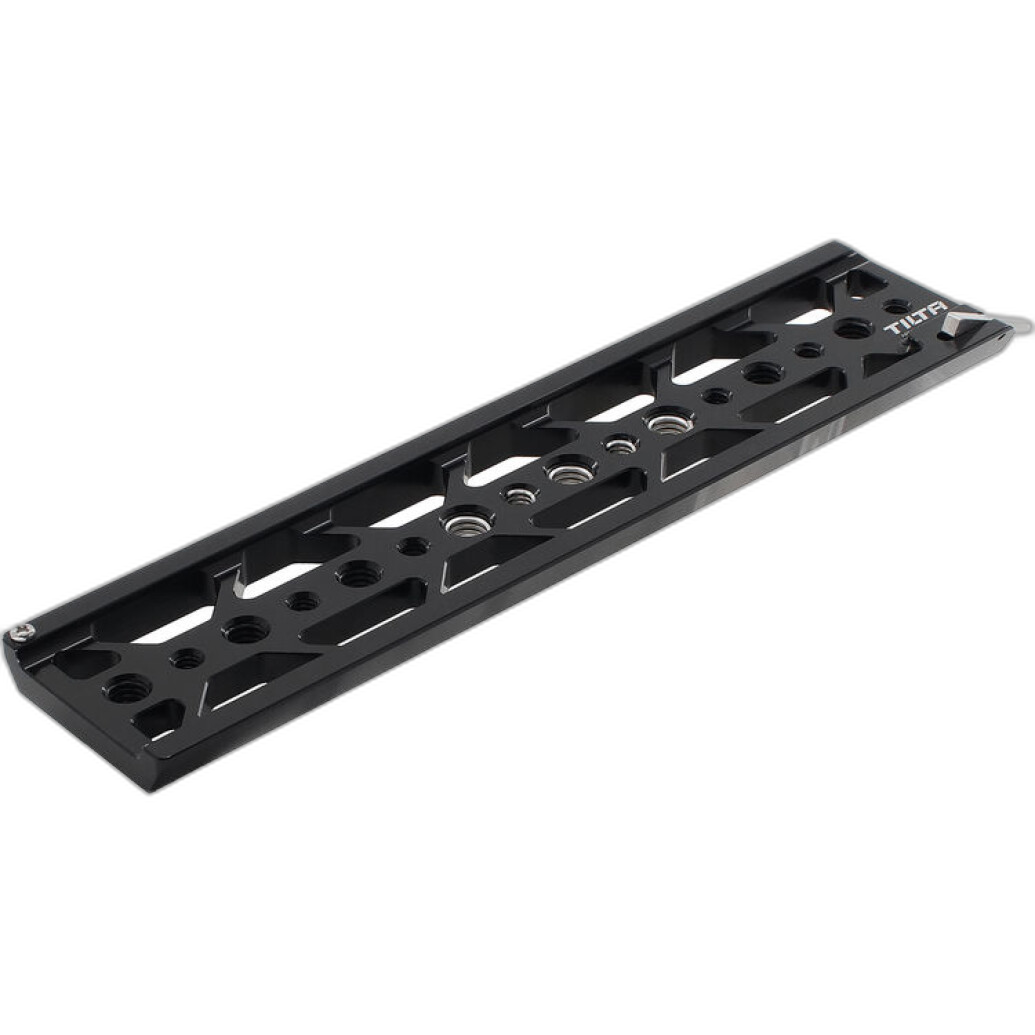
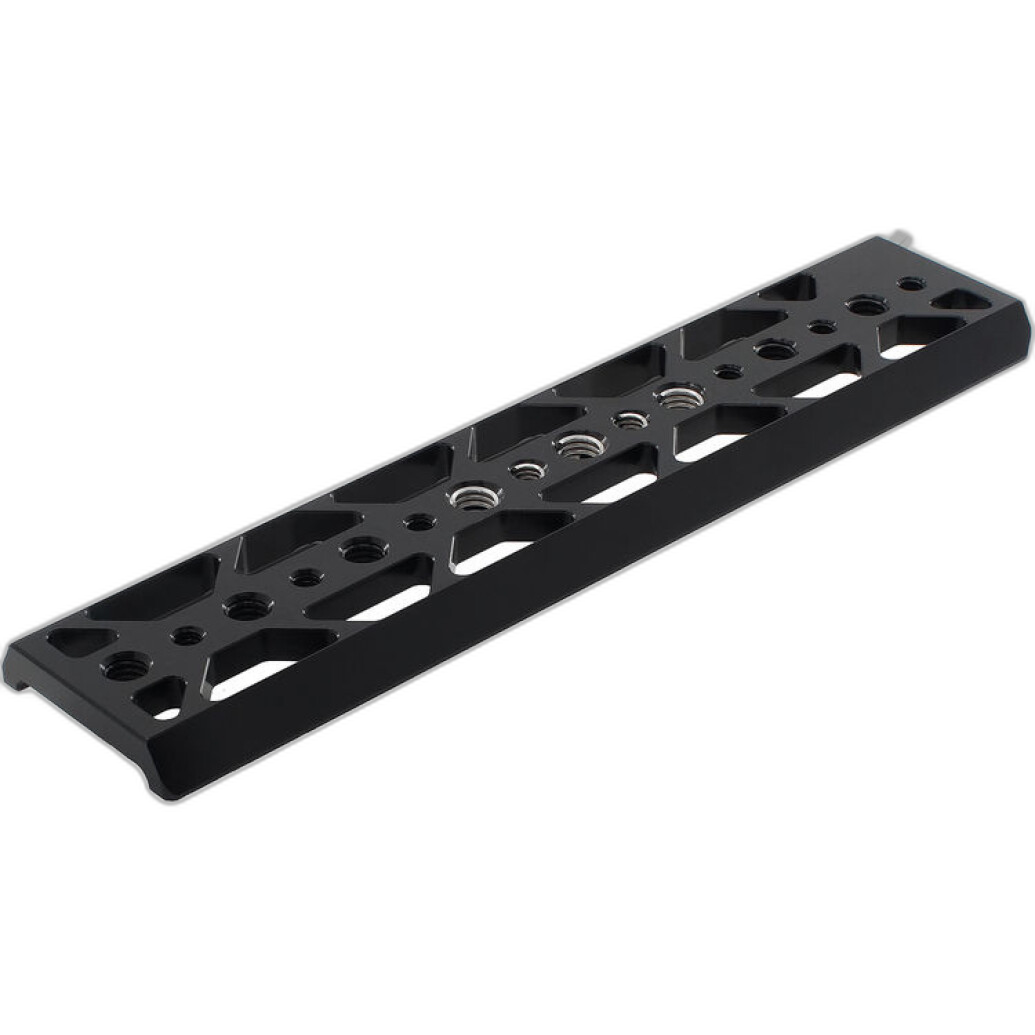
The Tilta 10 Lightweight Dovetail Plate is a smart addition for filmmakers building out a more stable and modular camera rig. If you are shooting on a mirrorless camera and want better fore-aft balancing on a tripod, shoulder setup, or baseplate configuration, a dovetail system gives you a much more cinema-oriented approach to rigging.
Why it matters: one of the biggest differences between cinema cameras and smaller stills-style bodies is how easily they integrate into professional support systems. A dovetail plate helps close that ergonomic gap.
Best for: mirrorless filmmakers adding rails, follow focus systems, external batteries, or shoulder accessories.
Manfrotto 023 Counter Balance Weight 10 lbs
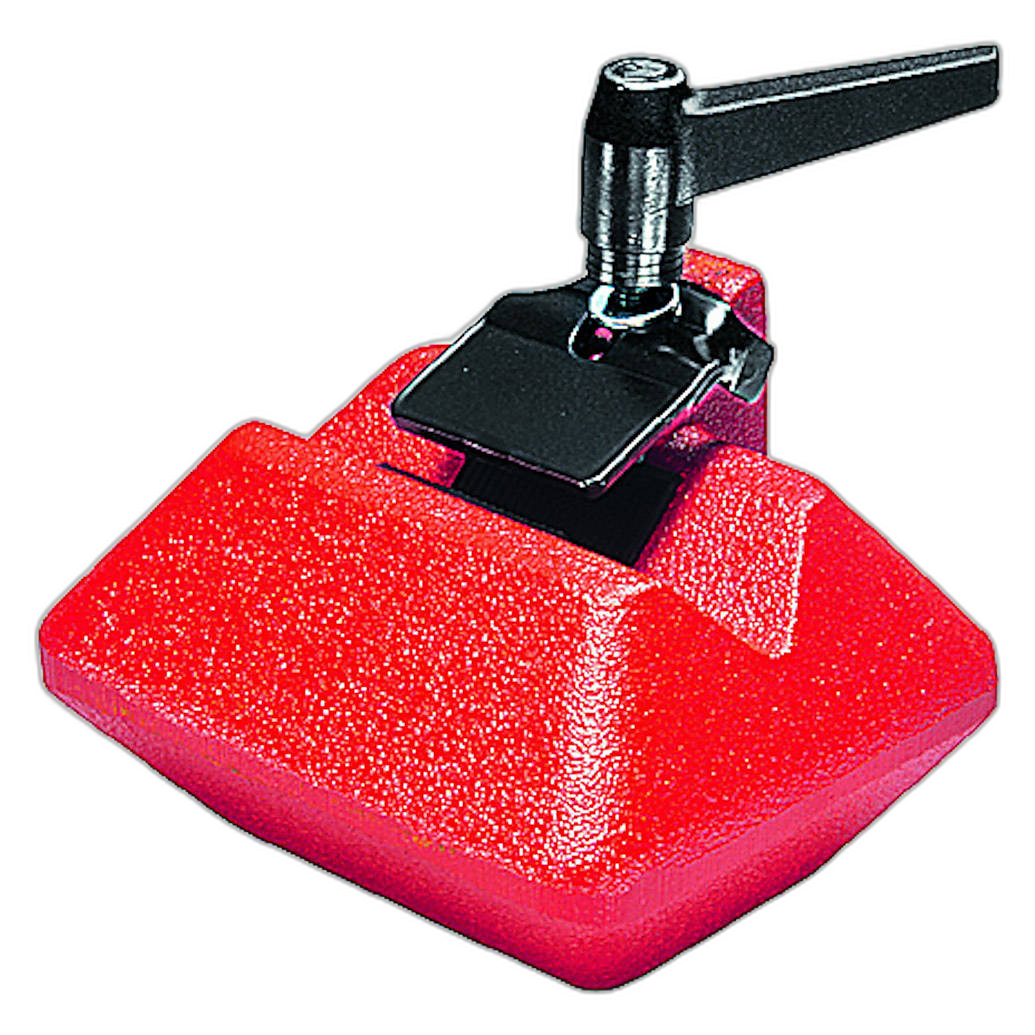
The Manfrotto 023 Counter Balance Weight is not glamorous, but it can be extremely useful in studio and grip-heavy environments. When your filmmaking setup includes booms, lights, modifiers, or offset support systems, safe counterbalancing becomes essential.
Why it matters: as productions scale up, workflow and safety matter as much as the camera body itself. Accessory choices like this are part of what separates a casual kit from a more dependable production setup.
Best for: filmmakers working with stands, booms, or more complex support configurations in studio or controlled-location environments.
Should You Choose Cinema, DSLR, or Mirrorless?
Choose a cinema camera if you regularly work on dedicated video productions, need dependable professional I/O, record long takes, use advanced monitoring tools, or collaborate with crews that expect cinema-style workflows.
Choose mirrorless if you want the strongest balance of quality, portability, autofocus, lens flexibility, and budget. For many filmmakers, this is the most practical choice, especially when paired with proper rigging accessories.
Choose DSLR if you already own DSLR lenses and bodies, your budget is tight, and video is important but not your only priority. For a fresh filmmaking investment, though, mirrorless usually makes more sense.
Final Recommendation
For most filmmakers comparing cinema, DSLR, and mirrorless systems today, mirrorless is the best overall buying decision unless your productions clearly demand the workflow and ergonomics of a true cinema camera. Cinema bodies remain the top choice for set-ready operation and professional video features, but mirrorless cameras often deliver the better value and enough image quality for serious work.
If you are building or refining your filmmaking setup, accessories like the Tilta 10 Lightweight Dovetail Plate can make a major difference in how polished and usable your rig feels in the real world. And for more advanced support needs, grip tools like the Manfrotto 023 Counter Balance Weight help create a safer, more production-ready environment.
For filmmakers ready to upgrade their camera system or rigging workflow, shop with Unique Photo to find the gear and support that match your style of production.