If you're building an indie filmmaking kit, one of the first big decisions is choosing the right camera platform. Should you go with a dedicated cinema camera, a traditional DSLR, or a modern mirrorless body? The answer depends on how you shoot, how small your crew is, how much you need from autofocus, and how far your budget needs to stretch. This guide is for indie filmmakers, content creators, documentary shooters, and hybrid photo/video users who want practical advice on what each camera category does best.
For most independent productions today, mirrorless cameras offer the strongest balance of image quality, portability, autofocus, and value. Cinema cameras still make the most sense when video is your only priority and you need production-focused features like external power options, rig-friendly design, and a workflow built around serious grading. DSLRs, while still capable in some hands, have largely been overtaken by mirrorless systems for filmmaking thanks to better video tools, faster subject tracking, and more compact designs.
Quick Answer: Which Camera Type Is Best for Indie Filmmaking?
Mirrorless cameras are the best fit for most indie filmmakers because they blend high-end video performance with smaller bodies and strong lens ecosystems. Cinema cameras are ideal for filmmakers who prioritize codecs, monitoring tools, and production workflows above all else. DSLRs can still work on a tight budget, but for new buyers, mirrorless is usually the smarter long-term investment.
Cinema Camera vs DSLR vs Mirrorless: What Really Matters?
| Camera Type | Best For | Strengths | Tradeoffs |
|---|---|---|---|
| Cinema Camera | Narrative filmmaking, controlled sets, serious grading workflows | Video-first design, professional codecs, power and rigging flexibility | Less convenient for stills, often larger setups, can require more accessories |
| DSLR | Budget shooters using older systems | Good lens availability, familiar ergonomics | Older video features, slower live-view AF, bulkier than mirrorless |
| Mirrorless | Most indie filmmakers, solo creators, hybrid shooters | Strong autofocus, compact bodies, great video features, adaptable lens options | Battery life can be shorter, menus and overheating vary by model |
Why Cinema Cameras Appeal to Indie Filmmakers
Cinema cameras are built around filmmaking first. That usually means cleaner video ergonomics, easier external monitoring, better codec options, more robust recording formats, and more practical power solutions for long shoots. If your work involves short films, interviews, music videos, or commercial production where you rig out your camera and light your scenes carefully, a cinema body can make your workflow more efficient.
Even if you choose a cinema camera, accessories matter. Reliable power is one of the first upgrades indie filmmakers make, especially when shooting extended takes or building out a cage-based setup.
Blackmagic Design Power Supply for Pocket Cinema Camera
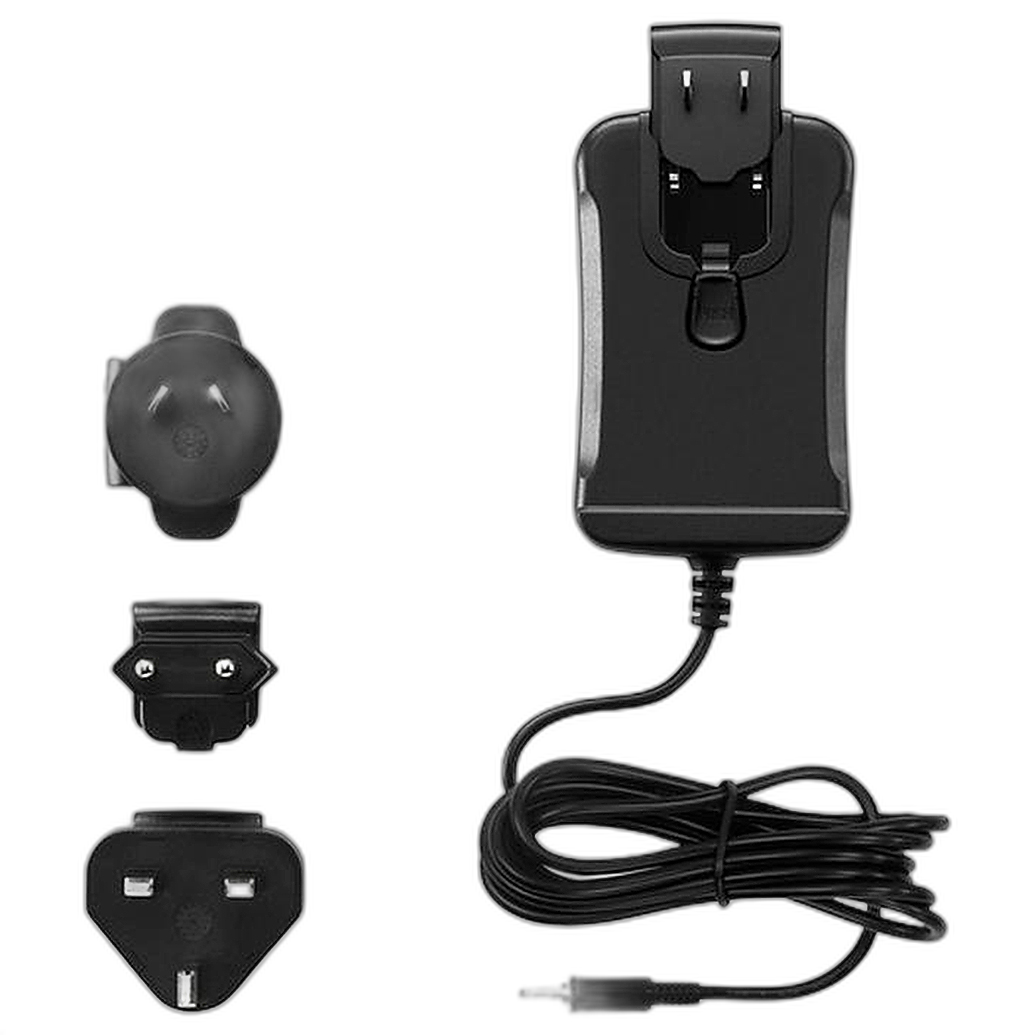
The Blackmagic Design Power Supply for Pocket Cinema Camera is not a camera body itself, but it highlights one of the biggest advantages of the cinema-camera workflow: powering your rig for production rather than relying entirely on small internal batteries. For indie filmmakers using a Pocket Cinema Camera setup, dependable power can be the difference between a smooth interview day and constant interruptions.
Why it fits this guide: Cinema cameras shine when you build around them. Accessories like this Blackmagic power supply support longer shooting sessions and a more production-ready setup.
Best for: Indie filmmakers who are already working in a Blackmagic cinema ecosystem and want more reliable operating time on set.
Why Mirrorless Cameras Dominate Indie Filmmaking Today
Mirrorless cameras have become the default recommendation for many filmmakers because they do so much well in one package. They are small enough for travel, gimbal work, and discreet documentary shooting, yet advanced enough to deliver excellent video quality, fast autofocus, and strong low-light performance. They are also ideal for creator-operators who need to switch between still photography and video.
For indie projects where crew size is limited, mirrorless cameras help you stay nimble. You can shoot handheld one day, mount to a gimbal the next, and use compact primes or zooms depending on the scene.
Sony a7R VI Mirrorless Camera
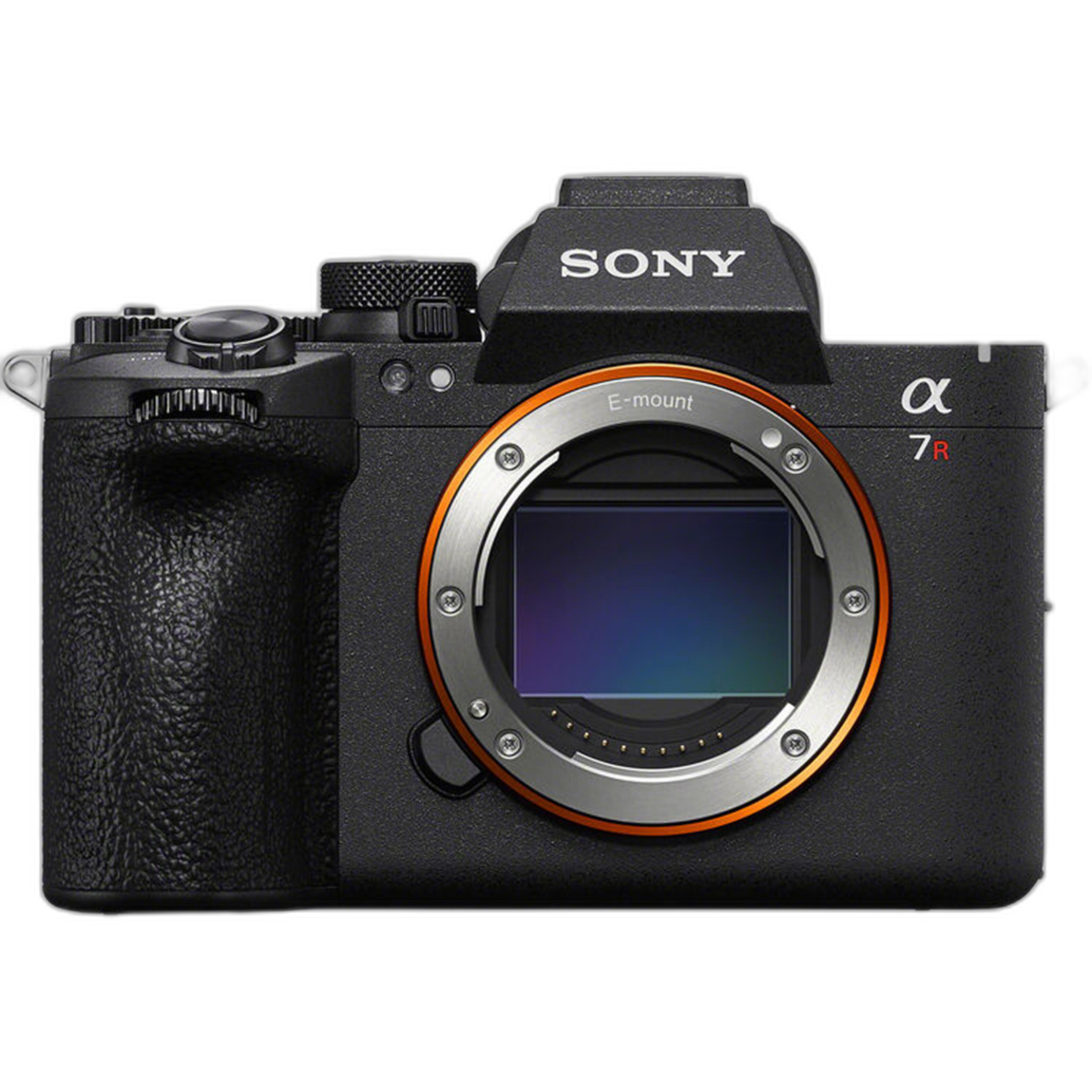
The Sony a7R VI Mirrorless Camera is a compelling option for indie filmmakers who want premium image quality in a full-frame mirrorless body. Sony's mirrorless ecosystem is especially attractive because it offers a huge range of lenses, accessories, and support tools for solo filmmakers and small crews.
Why it stands out: Full-frame coverage, strong hybrid potential, portability, and access to one of the deepest mirrorless lens systems available. For indie filmmakers who want one camera that can handle short films, interviews, branded work, and high-end content creation, this is a strong choice.
Best for: Filmmakers who want a flexible, future-friendly mirrorless system that can scale from solo production to more professional multi-accessory rigs.
OM SYSTEM OM-5 Mirrorless Camera (Silver, Body Only)
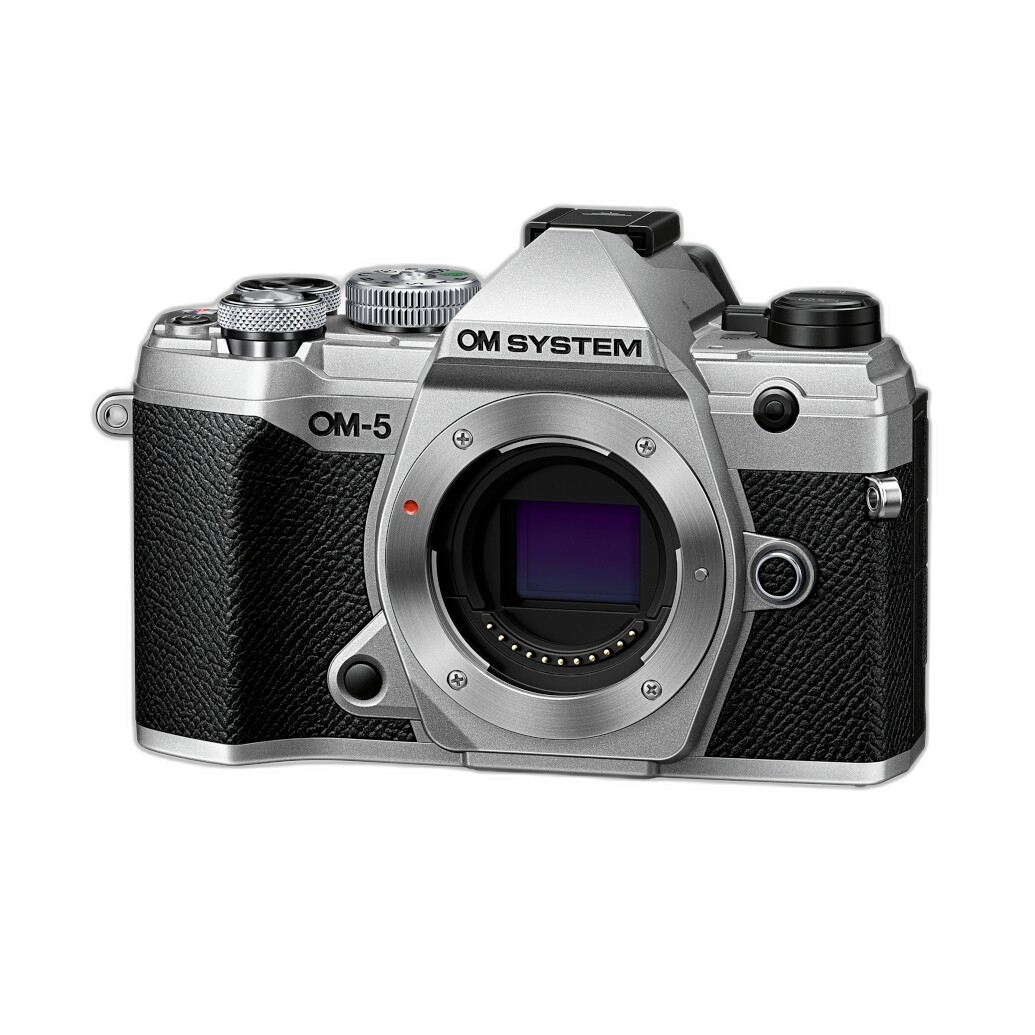
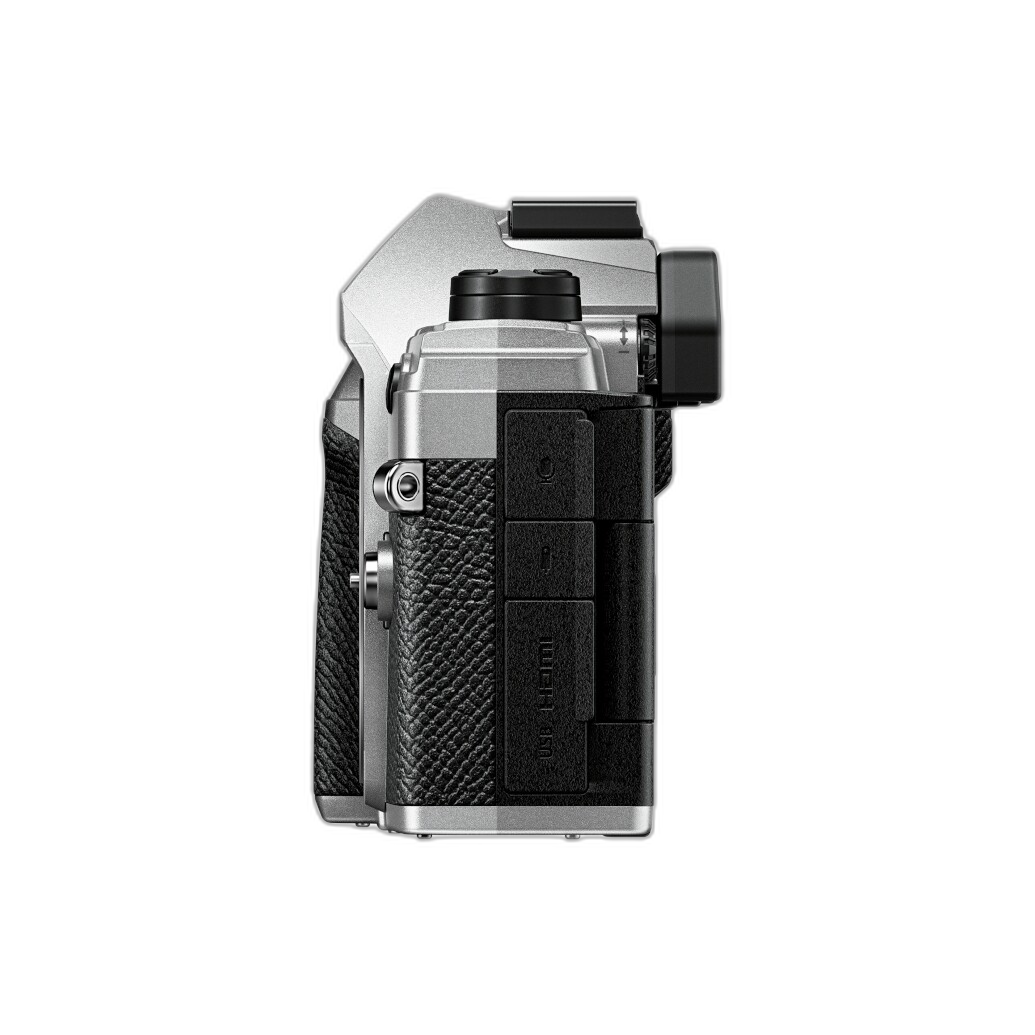
The OM SYSTEM OM-5 is a great reminder that indie filmmaking is not always about the largest sensor. A lighter, travel-friendly mirrorless body can be the better fit for documentary shooters, run-and-gun creators, and filmmakers who prioritize mobility. Compact systems are especially useful when you're filming in tight spaces, hiking to locations, or keeping your setup minimal.
Why it stands out: Small size and portability make it easy to build a lightweight kit. That's a major advantage for indie filmmakers shooting handheld, on compact supports, or while traveling.
Best for: Budget-conscious or mobile filmmakers who want a capable mirrorless platform that is easy to carry all day.
Used Fair Canon EOS R3 Mirrorless Digital Camera (Body Only)

Buying used can be a very smart move in indie filmmaking, where stretching your budget often matters more than buying everything brand new. The Used Canon EOS R3 Mirrorless Digital Camera represents the kind of higher-tier mirrorless body that may become much more accessible when purchased pre-owned.
Why it stands out: Used gear can open the door to more advanced camera bodies without consuming the entire production budget. That leaves more room for lenses, audio, lighting, media, and stabilization.
Best for: Indie filmmakers who want stronger performance but need to keep spending under control by shopping used.
Don’t Forget the Lens System
When comparing camera categories, filmmakers often focus too much on the body and not enough on lenses. In reality, your lens choices will shape the look of your project just as much as the camera. Mirrorless systems in particular are attractive because they offer access to excellent native glass and adaptation options.
Zeiss Batis 18mm f/2.8 AF lens for Sony Full Frame E-Mount Cameras
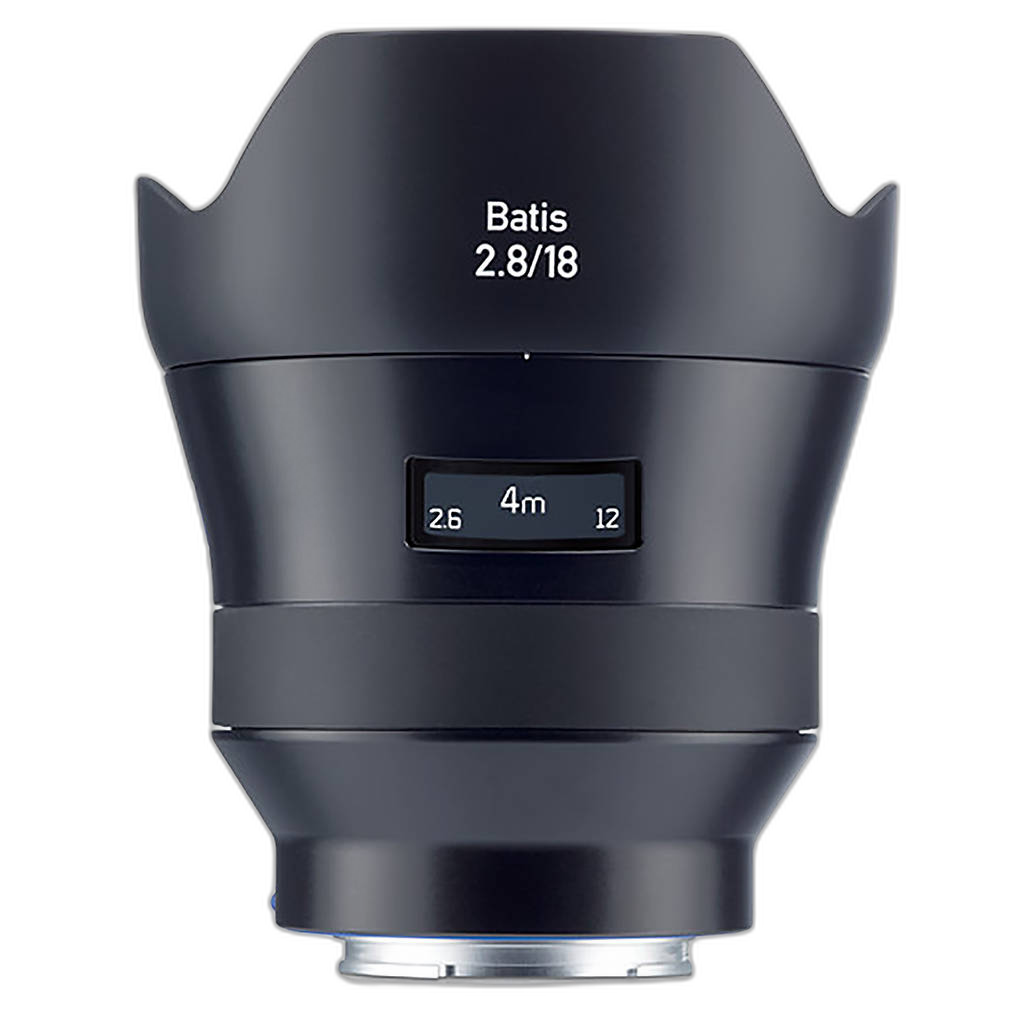
The Zeiss Batis 18mm f/2.8 AF lens for Sony Full Frame E-Mount Cameras is a strong example of why the Sony mirrorless ecosystem is so attractive for indie filmmakers. A wide-angle lens like this can be useful for establishing shots, interiors, gimbal moves, documentary work, and environmental portraits with cinematic context.
Why it fits this guide: Choosing mirrorless often means choosing into a lens ecosystem. Sony E-mount gives indie filmmakers access to premium options like this Zeiss lens for building a more polished visual style.
Best for: Sony shooters who want a high-quality wide-angle lens for storytelling, location work, and dynamic camera movement.
What About DSLRs?
DSLRs played a huge role in indie filmmaking history, and many filmmakers still create excellent work with them. They helped make cinematic shallow depth of field and interchangeable-lens video more accessible to small productions. But for buyers starting fresh today, DSLRs are harder to recommend over mirrorless options.
Why? Mirrorless systems generally offer better autofocus in video, more modern recording features, more compact body designs, and stronger manufacturer development going forward. If you already own DSLR lenses and bodies, it may still make sense to keep using them. But if you're buying into a system specifically for indie filmmaking in 2026, mirrorless is usually the better path.
Which Type Should You Buy Based on Your Filmmaking Style?
| Your Shooting Style | Recommended Camera Type | Why |
|---|---|---|
| Short films with controlled lighting and crew support | Cinema Camera | Video-focused workflow, easier rigging, production-oriented accessories |
| Solo shooting, documentaries, YouTube, branded content | Mirrorless | Compact, flexible, better autofocus, easier hybrid use |
| Existing older photo/video kit on a strict budget | DSLR or Used Mirrorless | Works if you already own gear, but used mirrorless often offers more value now |
| Travel filmmaking and lightweight setups | Mirrorless | Portable and easier to carry on long shoots |
Recommended Gear Paths for Indie Filmmakers
If your goal is to build a practical indie filmmaking kit, here are the smartest directions based on the products in this guide:
- Best overall path for most filmmakers: Start with the Sony a7R VI Mirrorless Camera and build around quality E-mount glass.
- Best lightweight setup: Choose the OM SYSTEM OM-5 if portability and ease of travel are top priorities.
- Best value-minded upgrade path: Consider a used mirrorless body like the Canon EOS R3 to maximize performance per dollar.
- Best cinema-oriented accessory choice: If you're already in the Blackmagic ecosystem, add reliable power support for smoother production days.
Learn Your System Faster
Understanding Your Sony Mirrorless Camera: Intermediate (Sony)
Buying the right camera is only part of the equation. Knowing how to use it efficiently under production pressure is just as important. Unique Photo's Understanding Your Sony Mirrorless Camera: Intermediate class can be especially helpful for filmmakers who want to get more from their Sony setup, improve confidence with settings, and work faster on set.
Best for: Sony users who want to move beyond the basics and get more practical value from their camera investment.
Final Verdict
For most indie filmmakers, mirrorless cameras are the best overall choice. They offer the strongest mix of image quality, modern autofocus, portability, and lens flexibility, making them ideal for small crews and solo productions. Cinema cameras remain the better fit for dedicated filmmaking workflows, especially if you prioritize rigging, codecs, and production accessories. DSLRs are still usable, but they are no longer the best place for most new buyers to invest.
If you want one recommendation to start from, the Sony a7R VI Mirrorless Camera is the standout choice in this guide for indie filmmakers who want versatility and room to grow. If your budget is tighter, exploring used mirrorless gear can be a smart move, and if you're committed to a cinema setup, powering and rigging it properly will matter just as much as the body itself.
Whether you're building your first filmmaking kit or upgrading for your next project, Unique Photo is a great place to compare cameras, lenses, accessories, and even educational resources to help you choose the right system with confidence.