2024 Camera Buying Guide: What to Upgrade From a DSLR to Mirrorless
If you're moving from a DSLR to mirrorless in 2024, the biggest question usually is not whether to switch, but what kind of mirrorless system makes the most sense for your shooting style. For most buyers, the decision comes down to two practical upgrade paths: a compact everyday mirrorless setup built around portability and autofocus convenience, or a more specialized full-frame system that prioritizes image quality, lens performance, and room to grow.
Using the products available here, this guide compares two real-world mirrorless upgrade directions: a travel-friendly carry solution centered on portability, and a premium Sony full-frame expansion path built around the Zeiss Batis 18mm f/2.8 AF lens. We also highlight a few key accessories that can shape your transition from DSLR shooting habits to a more modern mirrorless workflow.
Side-by-Side Upgrade Comparison
| Category | Portable Mirrorless Upgrade Path | Full-Frame Sony Mirrorless Upgrade Path |
|---|---|---|
| Best For | Travel, daily carry, lightweight shooting kits | Landscape, architecture, interiors, advanced enthusiasts and pros |
| Main Product Focus | Nomatic Luma Camera Pack 18L | Zeiss Batis 18mm f/2.8 AF for Sony Full-Frame E-Mount |
| System Advantage | Smaller footprint and easier transition away from heavy DSLR bags | High-end lens ecosystem and strong full-frame image potential |
| Portability | Excellent | Moderate, depends on body and lens kit |
| Image Quality Potential | Depends on camera body chosen | Very high with modern Sony full-frame bodies |
| Lens Specialization | Flexible general-purpose carry approach | Ultra-wide premium prime perspective |
| Upgrade Cost | Usually easier to phase in gradually | Higher investment but stronger long-term system growth |
| Who Should Choose It | DSLR users tired of carrying large kits | DSLR users seeking a serious image-quality-first mirrorless move |
What Actually Changes When You Leave DSLR Behind?
Switching from DSLR to mirrorless usually changes three things immediately: weight, autofocus behavior, and how you compose images. Mirrorless bodies are often smaller, eye-detection autofocus is usually much smarter than older DSLR systems, and electronic viewfinders let you preview exposure and color before you press the shutter.
That means your ideal upgrade should match why you're switching. If your DSLR feels too bulky, your best upgrade may be a smaller kit with smarter packing and easier daily carry. If your DSLR still feels good ergonomically but you want better autofocus and more advanced lens options, a full-frame mirrorless system may be the better leap.
1. Portability and Everyday Use
One of the strongest reasons photographers leave DSLR systems is simple fatigue. DSLR bodies plus fast zooms can become a burden for travel, street photography, and casual family shooting. If that sounds familiar, your smartest upgrade may begin with how you carry your gear.
The Nomatic Luma Camera Pack 18L represents the kind of accessory that supports a mirrorless-first mindset. Mirrorless systems are at their best when they encourage you to bring the camera more often, and a compact, camera-focused pack helps make that happen.
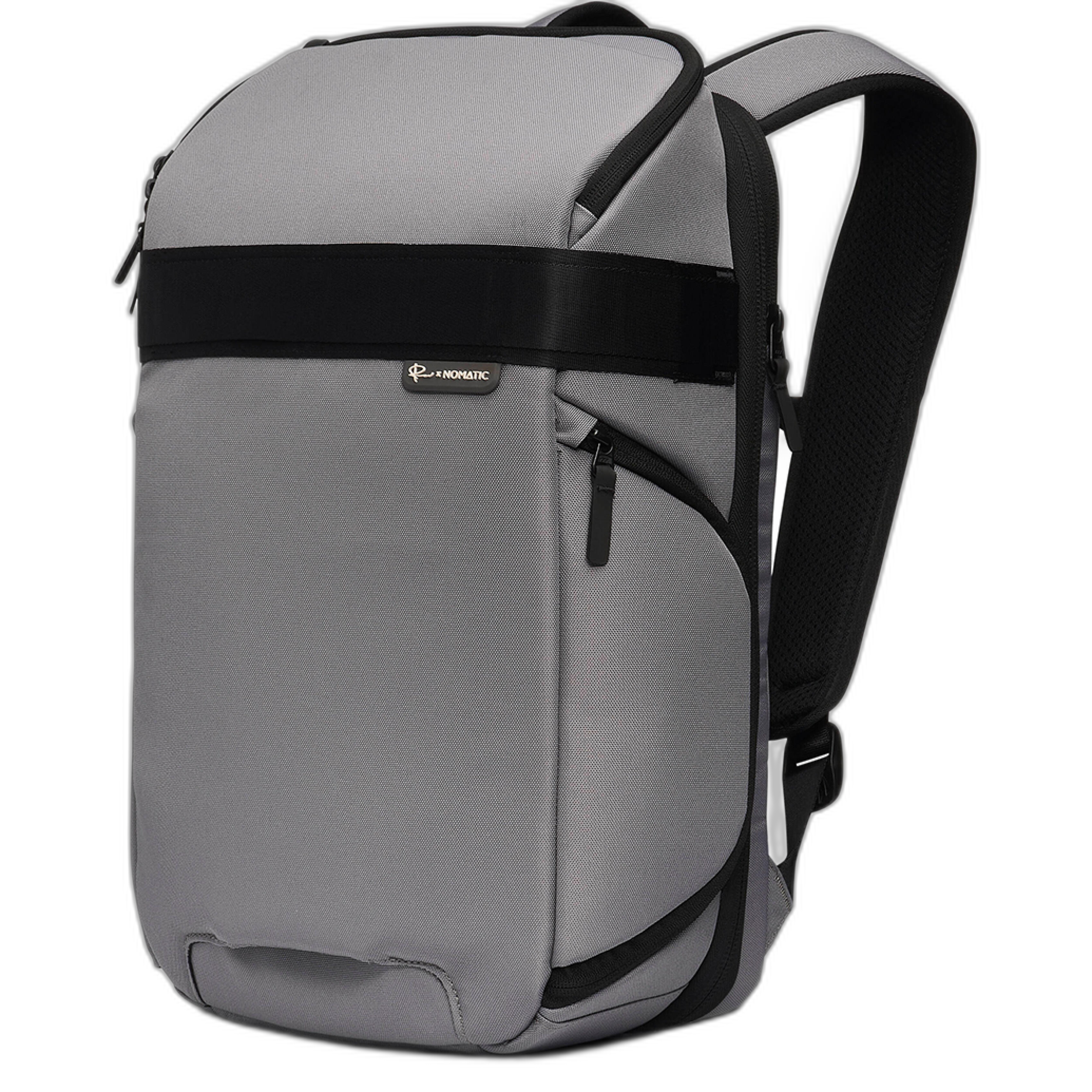
Compared to traditional DSLR shoulder bags or oversized backpacks, an 18L pack is a better fit for a small mirrorless body, a couple of lenses, batteries, and daily essentials. For users downsizing from a DSLR kit, this is often part of the upgrade equation that gets overlooked: mirrorless is not just about the camera body, but about creating a lighter overall shooting setup.
2. Lens Ecosystem and Long-Term Value
If your goal is to make a meaningful, future-proof upgrade, lens selection matters even more than the body. Camera bodies change quickly; great lenses stay in your kit for years.
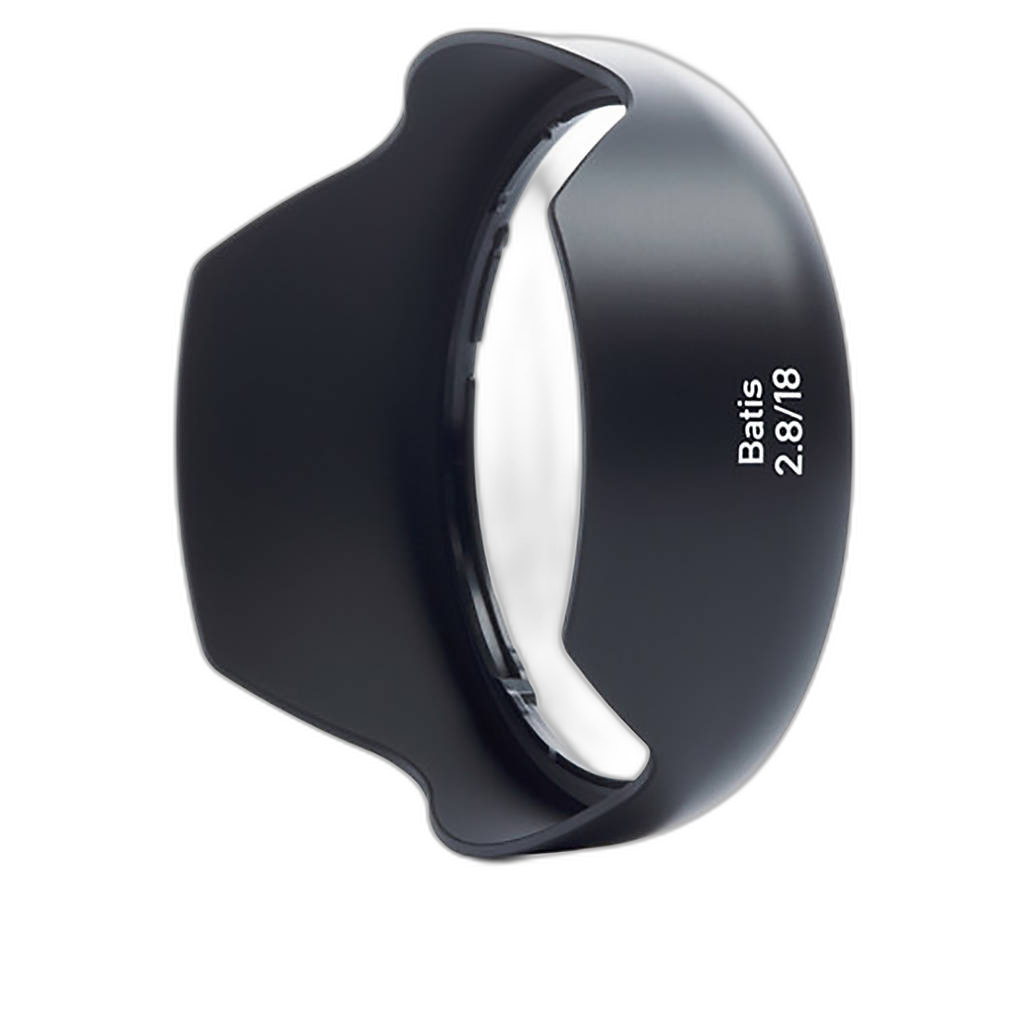
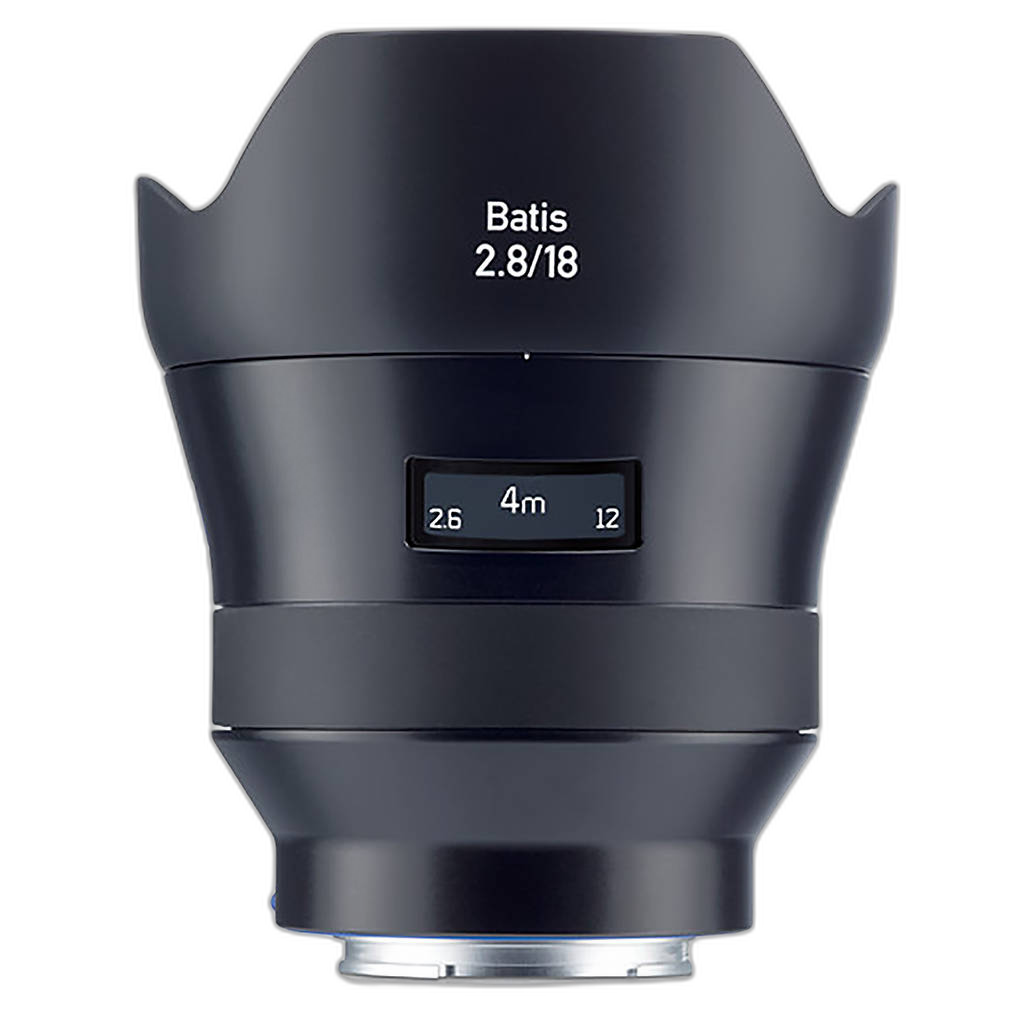
The Zeiss Batis 18mm f/2.8 AF for Sony Full-Frame E-Mount points to one of the strongest mirrorless upgrade routes in 2024: Sony full-frame. Sony's E-mount ecosystem offers broad body selection, strong autofocus performance, and access to premium native lenses from Sony, Zeiss, and third-party makers.
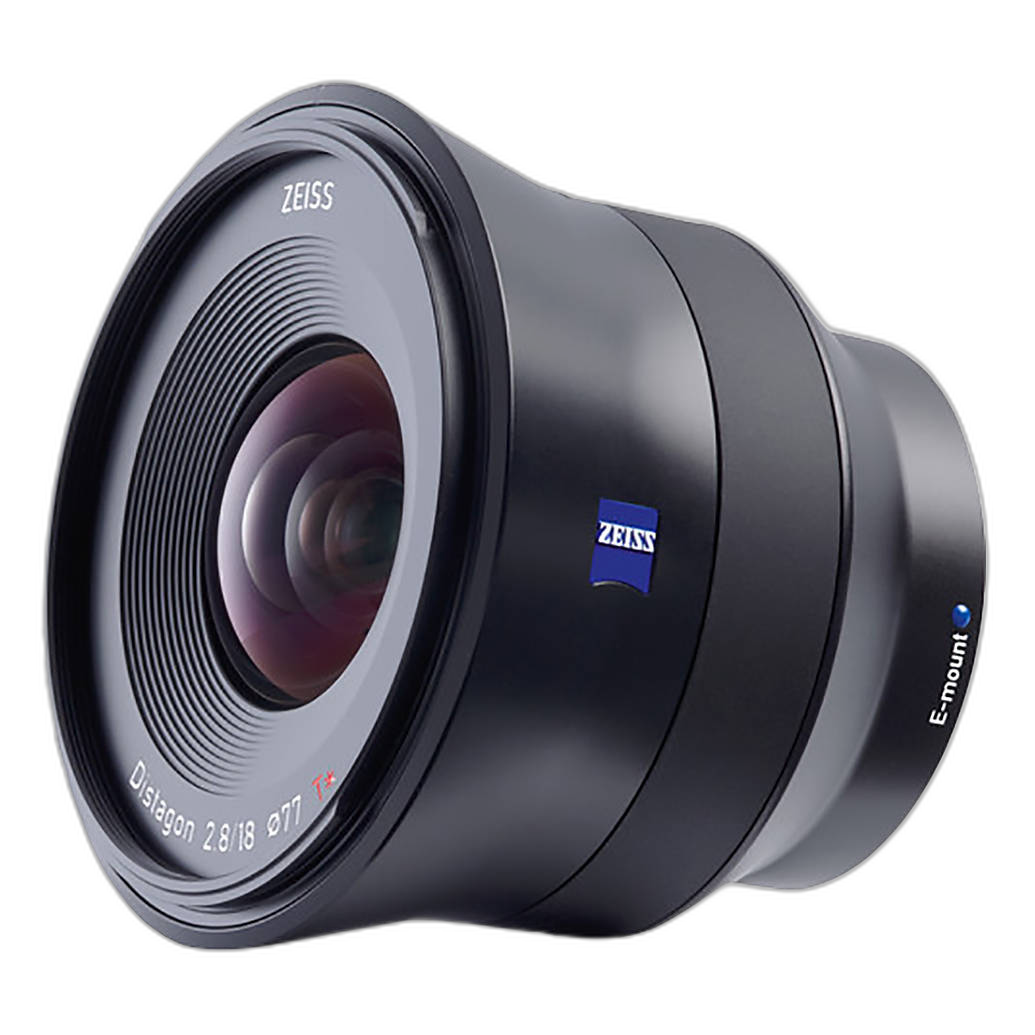
An 18mm full-frame prime is especially compelling for DSLR upgraders who shoot landscapes, architecture, travel scenes, environmental portraits, or interior spaces. It gives you a dramatic field of view without moving into extreme fisheye territory, and the Zeiss Batis line is known for combining premium optics with autofocus convenience in a mirrorless-native design.
For buyers trying to decide whether mirrorless is worth the cost, this is the strongest argument in favor of upgrading: modern mirrorless systems give you access to compact, high-performing lenses that take full advantage of current autofocus and sensor technology.
3. Autofocus and Shooting Experience
Many DSLR users upgrade because they want more reliable subject tracking, face detection, and eye AF. While the products listed here do not include a mirrorless body directly, the Sony E-mount path suggested by the Zeiss lens is highly relevant because Sony remains one of the benchmark systems for autofocus performance.
If your DSLR struggles with live view AF, moving subjects, or off-center compositions, a mirrorless body paired with native AF glass can be a substantial quality-of-life improvement. The shooting experience becomes faster, more intuitive, and often more confidence-inspiring, especially for hybrid shooters who capture both stills and video.
4. Video and Hybrid Shooting Considerations
Another reason photographers leave DSLR behind is video. Mirrorless cameras generally offer stronger autofocus in video, better monitoring tools, and more modern codec and frame rate options. Even though this guide is centered on upgrade direction rather than a specific body-to-body comparison, the accessories here reinforce that modern camera ownership often includes hybrid use.
For example, the Blackmagic Design Power Supply for Pocket Cinema Camera reflects the reality that many users graduating from DSLR workflows are also considering more video-capable systems and support gear.
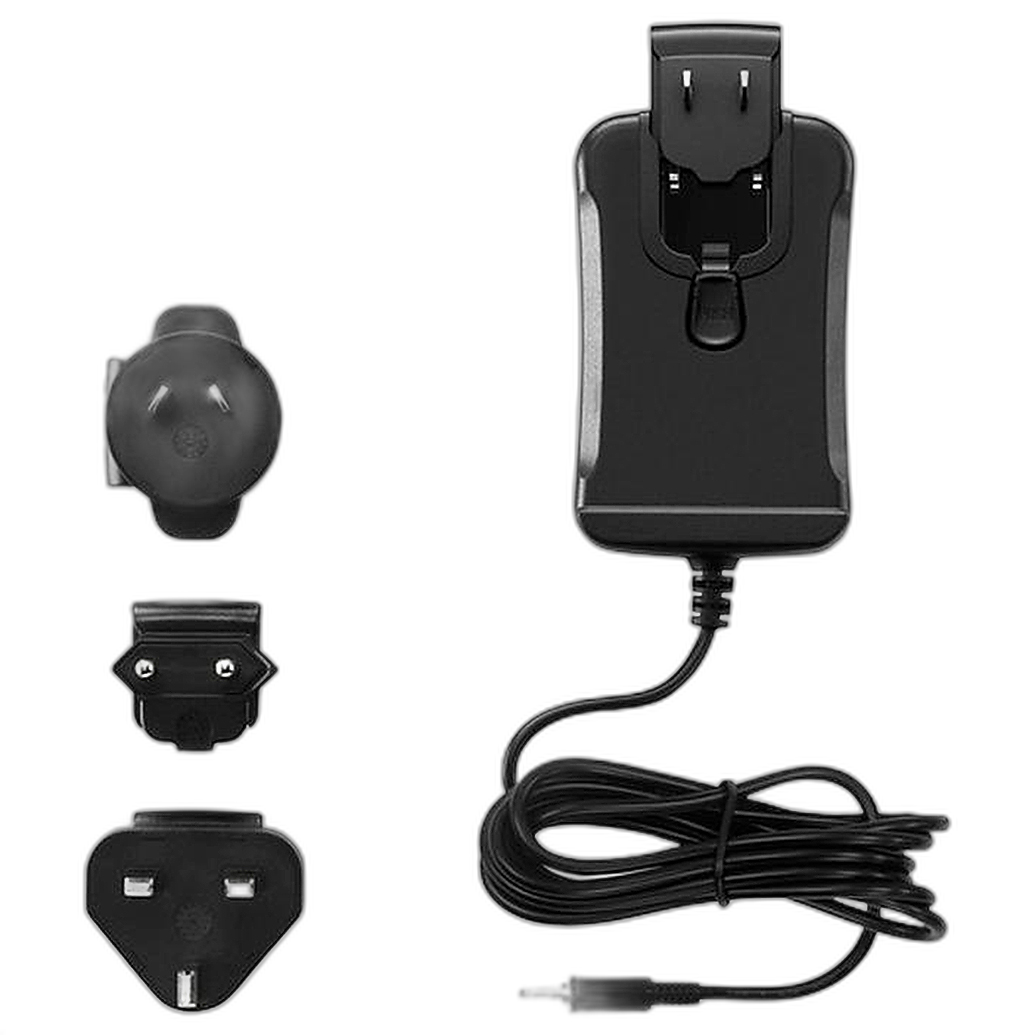
If video is a major priority, mirrorless is almost always the better platform in 2024. The key is to choose a system that supports both your still photography needs and your long-term video goals.
5. Protection, Support, and System Investment
Upgrading from DSLR to mirrorless can be a significant investment, especially when you're moving into a premium ecosystem. That is why warranties and system support matter more than many buyers expect. The availability of options like a RED Extended Warranty and a Nikon Care warranty in the broader camera market is a reminder that modern camera purchases should be viewed as long-term system decisions, not one-off transactions.

If you're replacing a DSLR setup you have used for years, think beyond the body. Consider service support, lens roadmap, carry options, and how likely the system is to grow with you over the next three to five years.
Our Pick
Best overall DSLR-to-mirrorless upgrade path in this comparison: the Sony full-frame route anchored by the Zeiss Batis 18mm f/2.8 AF lens.
Why? Because most DSLR users upgrading in 2024 are looking for more than just a smaller camera. They want better autofocus, stronger image quality, modern ergonomics, and a lens ecosystem that will hold value over time. The Sony full-frame path checks those boxes and gives serious photographers room to expand into portraits, travel, landscape, and hybrid content creation.
If your top priority is reducing bulk and actually carrying your camera more often, the Nomatic Luma Camera Pack 18L is an excellent supporting choice. But for the core question of what to upgrade to, the premium full-frame mirrorless ecosystem is the more complete answer.
Final Thoughts
The best DSLR-to-mirrorless upgrade in 2024 depends on whether you value portability first or long-term system performance first. If you are tired of carrying a heavy DSLR kit, start by building a lighter, more intentional mirrorless setup. If you want the biggest leap in autofocus, lens quality, and creative flexibility, a Sony full-frame path with premium native glass is the stronger move.
Whether you're refining your first mirrorless kit or planning a more ambitious system upgrade, Unique Photo is a great place to explore camera accessories, lenses, support gear, and the practical add-ons that make a new setup work in the real world.