Shopping for Sony glass today often means balancing two very different kinds of advice: user recommendations from real photographers and tools like the Sony Lens Compare Beta that promise side-by-side specs and data. If you are trying to decide which source deserves more weight, the short answer is this: trust both, but for different reasons.
At Unique Photo, we regularly see shoppers compare focal lengths, apertures, stabilization, and size on paper, then turn around and ask what a lens actually feels like in the field. That is exactly where this conversation matters. A comparison tool can help narrow your options, but real-world user feedback often tells you whether a lens truly fits your style of shooting.
In this guide, we will break down when to trust Sony Lens Compare Beta, when to rely on user reviews, and how to combine both so you can make a smarter buying decision.
Sony Lens Compare Beta vs User Recommendations: What Is the Difference?
The Sony Lens Compare Beta is designed to give you structured information. It typically helps you compare measurable factors such as focal length, maximum aperture, weight, dimensions, minimum focus distance, and sometimes feature differences between lenses. This is useful because it creates a fast, clean way to evaluate options without digging through multiple product pages.
User recommendations, on the other hand, are usually based on personal experience. These may come from review sections, forums, YouTube creators, photography communities, or the knowledgeable team at Unique Photo talking with customers who have used the gear in real shooting situations.
Both sources answer different questions:
- Comparison tools answer: What are the technical differences?
- User recommendations answer: How do those differences matter in actual use?
For example, one lens may be lighter on paper, but users may report that another lens balances better on a full-frame Sony body. A lens may have excellent specs, but photographers may mention focus breathing, flare behavior, or handling quirks that are not obvious in a basic comparison chart.
When You Should Trust Sony Lens Compare Beta
If you are at the beginning of the buying process, the Sony Lens Compare Beta can be extremely helpful. It is especially strong when you need to narrow a broad set of options into two or three realistic candidates.
You should trust the comparison tool most when you need clarity on:
- Focal length differences for framing and versatility
- Maximum aperture for low-light use and depth of field
- Lens size and weight for travel, events, or handheld shooting
- Feature set such as optical stabilization or close-focus ability
- System fit within your Sony full-frame or APS-C kit
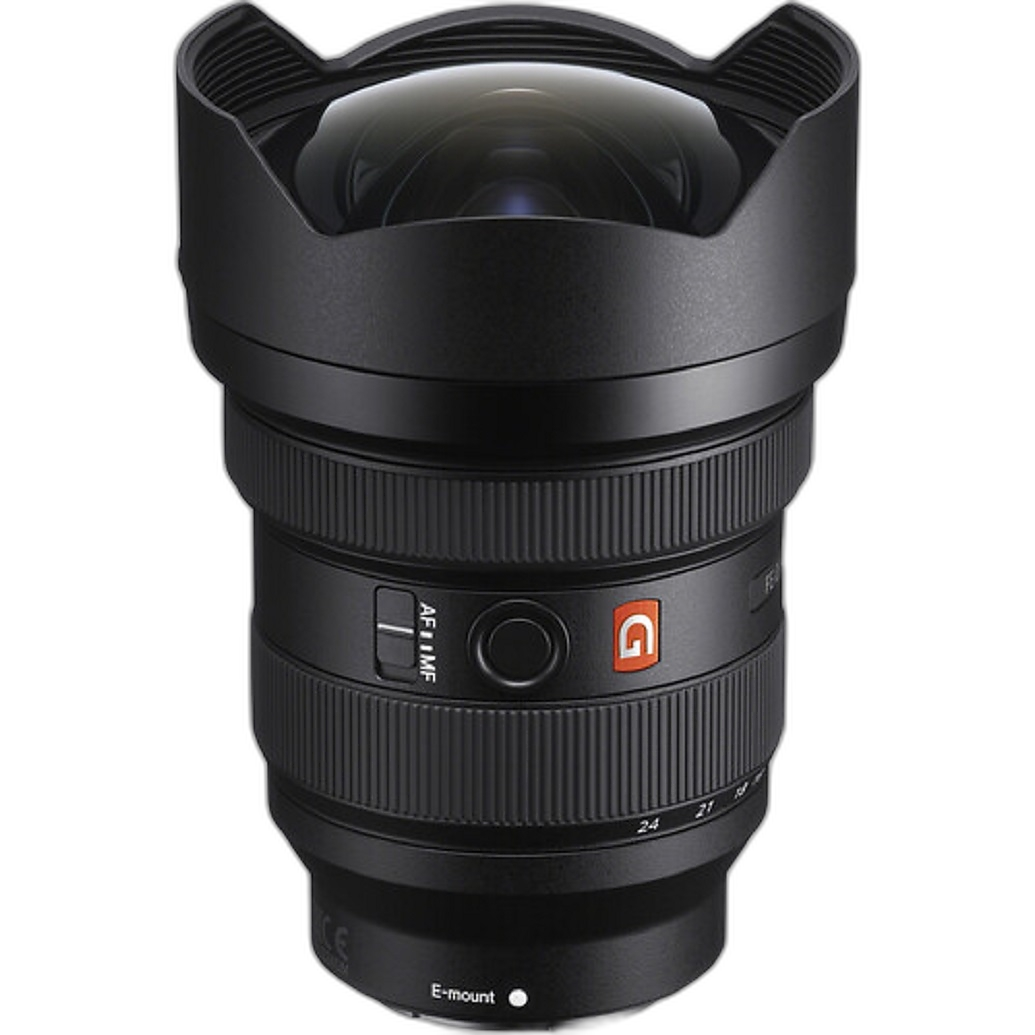
Let us say you are deciding between an ultra-wide lens and a standard zoom. The specs alone can tell you a lot. A lens like the Sony FE 12-24mm f/2.8 GM Lens is clearly built for photographers who need dramatic wide-angle coverage and a bright aperture for landscapes, interiors, architecture, and creative video work.
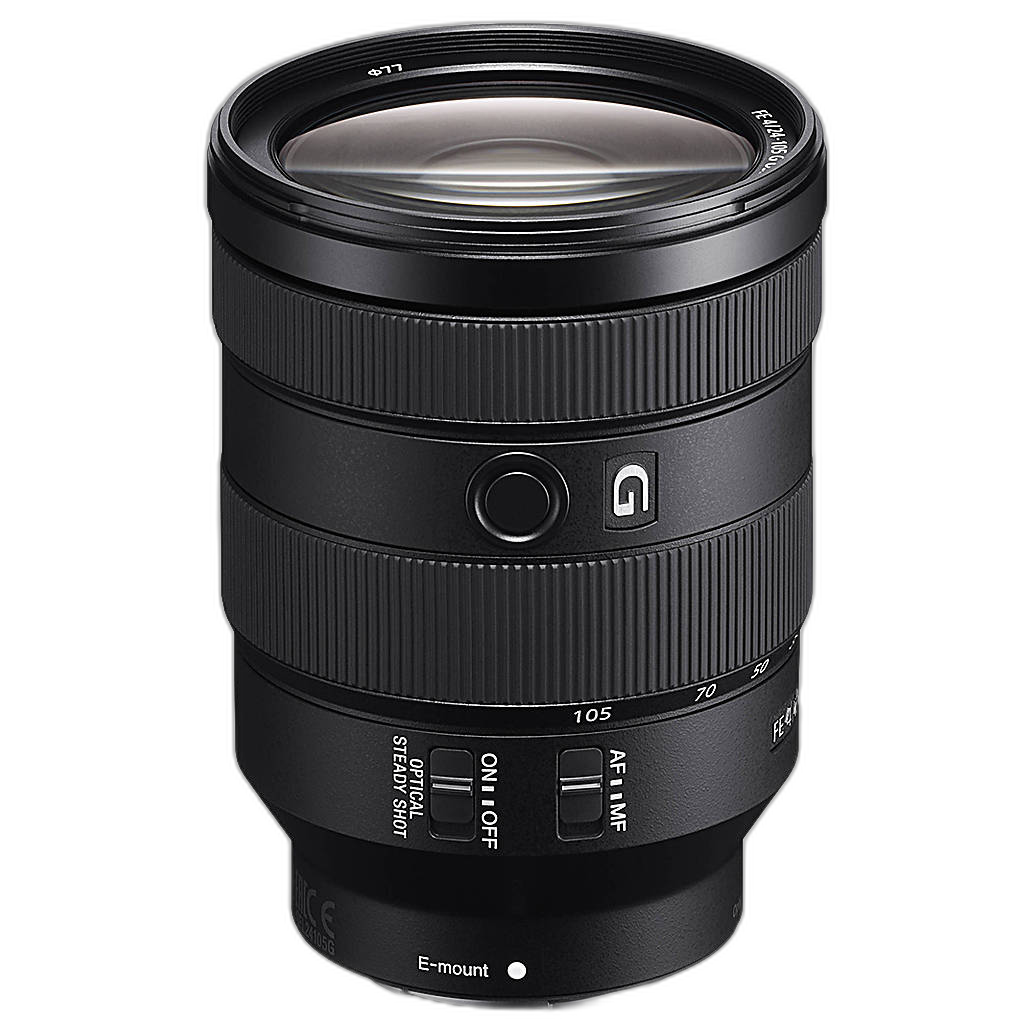
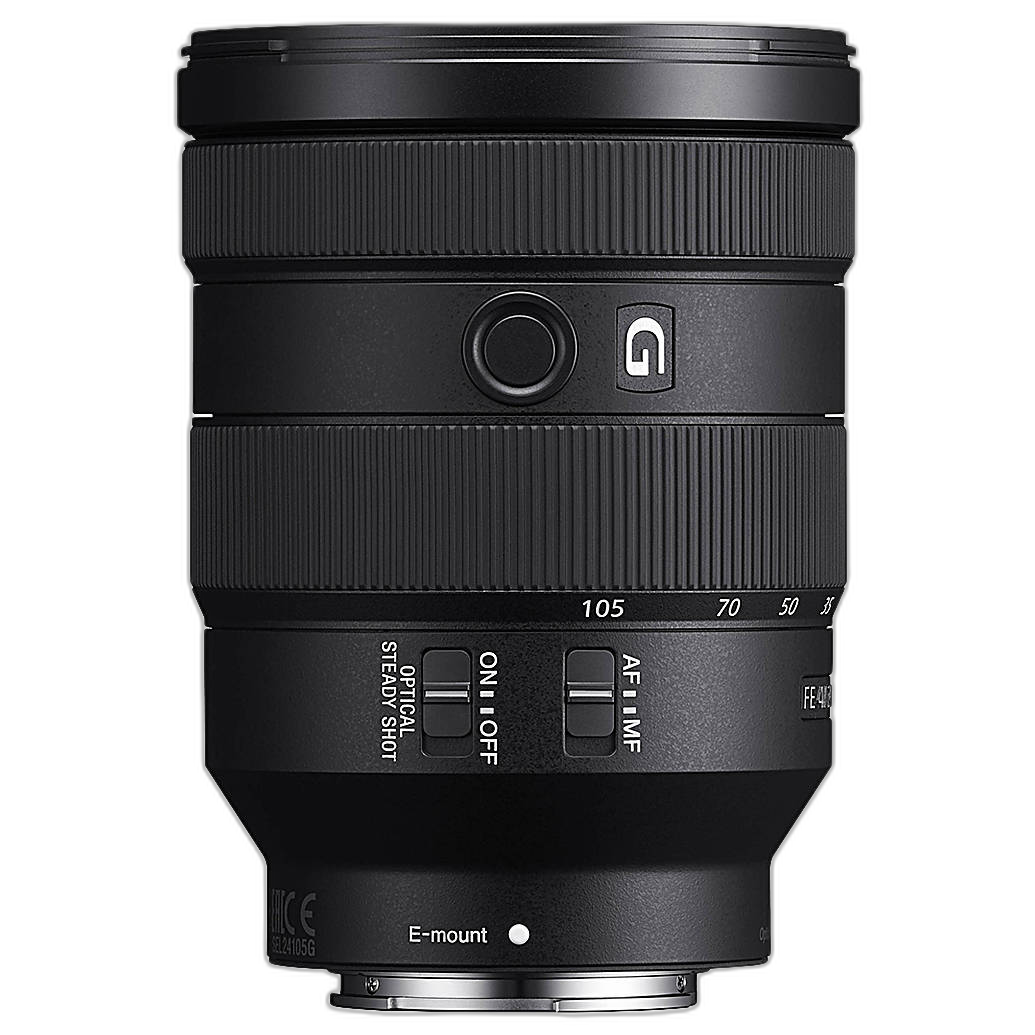
Meanwhile, a lens like the Sony FE 24-105mm f/4 G OSS Lens is a much more general-purpose option that appeals to travel shooters, event photographers, and hybrid creators who want one lens to cover wide to short telephoto ranges. A comparison tool makes those differences immediately obvious.
In other words, trust Sony Lens Compare Beta for objective filtering. It is excellent for removing options that do not meet your basic requirements.
When User Recommendations Matter More Than Specs
Once you have narrowed your list, user recommendations often become more valuable than the raw data. That is because buying a lens is not just about specifications. It is about how the lens performs for the type of images or video you actually want to create.
User recommendations matter more when you want insight into:
- Autofocus behavior in real situations
- Sharpness across the frame outside lab-style summaries
- Bokeh character and rendering style
- Flare resistance in harsh light
- Weather-resistance confidence during travel or outdoor use
- Ergonomics and balance on your specific Sony camera body
- Long-term ownership satisfaction
For instance, a comparison chart may tell you that a lens is heavier, but users may say it still feels great in hand because the zoom ring is smooth and the balance is excellent. Another lens may look ideal on paper, yet real owners might point out that they rarely use one end of the zoom range, making it less practical than expected.
This is where shopping with a retailer like Unique Photo can make a difference. Product research is stronger when it includes both specs and feedback from photographers who actually shoot portraits, weddings, landscapes, sports, street, and video.
What Sony Lens Compare Beta Cannot Tell You
No matter how helpful a comparison tool is, it has limits. It cannot fully express the shooting experience. This matters more than many buyers realize.
Here are a few things that lens comparison tools usually cannot communicate well:
- How inspiring a lens feels to use
- Whether the zoom range fits your habits
- How quickly you trust the autofocus for paid work
- Whether the lens draws images in a way you personally like
- How the lens performs in your specific lighting conditions
- How often you are actually willing to carry it
For example, many photographers love a high-performance lens in theory, but if it is too large for daily carry, it may stay home. Conversely, a lens with slightly less impressive numbers may become a favorite because it is easy to bring everywhere.
That is why user recommendations can be so influential. They reveal usage patterns, frustrations, and unexpected strengths. In many cases, the “best” lens is not the one with the best isolated spec. It is the one that best matches your real workflow.
How to Evaluate User Recommendations Without Getting Misled
Not all user advice is equally useful. Some opinions are based on extensive experience, while others come from a very narrow use case. To decide what to trust, you need to filter recommendations carefully.
Here is a practical way to judge user feedback:
- Look for repeated themes. If many users mention the same strength or weakness, it is more likely to be meaningful.
- Match the reviewer to your use case. A wedding photographer and a landscape photographer may judge the same lens very differently.
- Watch for body-specific context. Performance may feel different on compact bodies versus larger pro-oriented Sony cameras.
- Separate preference from flaw. Some comments are personal taste, not objective problems.
- Prioritize long-term reviews. First impressions are useful, but ownership over time is even more valuable.
At Unique Photo, one of the smartest ways to shop is to combine this outside feedback with retailer expertise. That means you are not relying on hype alone or on technical sheets alone.
Best Way to Compare Sony Lenses: Use Data First, Then Real Feedback
If you are asking, “What should I trust when comparing Sony lenses?” the best answer is a simple two-step method.
Step 1: Use Sony Lens Compare Beta to shortlist lenses.
Start with focal length, aperture, stabilization, weight, and budget. This gets you into the right category fast.
Step 2: Use user recommendations to validate your shortlist.
Then read or watch feedback from photographers who shoot the same subjects you do. This tells you how the lens behaves outside the spec sheet.
For example:
- If you shoot architecture, interiors, and expansive landscapes, a lens like the Sony FE 12-24mm f/2.8 GM Lens may stand out immediately in a comparison tool. User feedback can then confirm whether its handling, image quality, and wide-angle performance support your goals.
- If you want a do-it-all travel and everyday Sony lens, the Sony FE 24-105mm f/4 G OSS Lens may rise to the top thanks to its flexible range. User recommendations can help you decide if that versatility outweighs the appeal of a faster but more limited focal range.
This approach saves time and usually leads to better choices than trusting either source alone.
Are User Recommendations More Reliable Than Sony’s Own Comparison Tools?
Not necessarily more reliable—just reliable in a different way.
Sony’s comparison tools are generally more reliable for factual information like lens dimensions, stated aperture range, official features, and lineup positioning. That makes them strong for objective comparisons.
User recommendations are often more reliable for practical insight, especially around usability, consistency, and whether a lens delivers for a specific genre. However, they can also be subjective, emotional, or influenced by expectations.
The most reliable buying process is a blend of:
- Official specifications
- Independent user experiences
- Trusted retailer guidance
- Your own budget and shooting priorities
That blend is usually more useful than trying to find a single source of truth.
How Unique Photo Helps You Make the Right Sony Lens Decision
Unique Photo is a great place to research Sony lenses because the buying process does not have to stop at a side-by-side spec view. You can also look at product details, consider intended use, compare lens categories, and explore gear that suits your experience level and creative needs.
If you are building out a Sony full-frame setup, lenses like the Sony FE 12-24mm f/2.8 GM and the Sony FE 24-105mm f/4 G OSS represent two very different but highly practical choices. One prioritizes premium ultra-wide coverage and speed. The other emphasizes flexibility for all-around shooting. A comparison tool helps define that difference; real-world recommendations help you decide which one belongs in your bag.
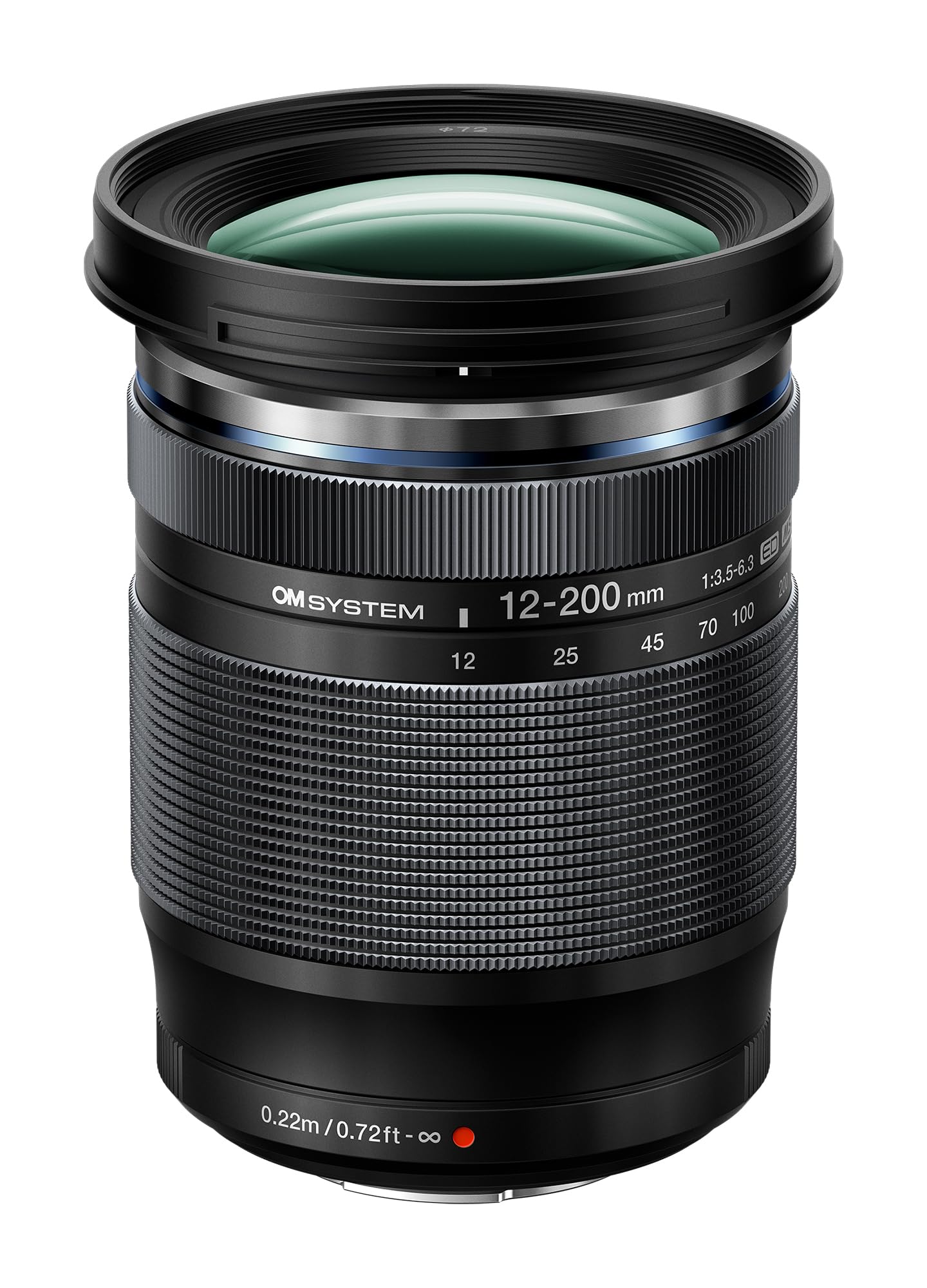
And even beyond Sony, the same rule applies across camera gear categories. Whether someone is considering a superzoom like the OM SYSTEM M.Zuiko Digital ED 12-200mm f/3.5-6.3 Lens for convenience or browsing used lens options at Unique Photo for a budget-friendly setup, smart gear decisions usually come from combining technical facts with honest usage insight.
Final Verdict: What Should You Trust?
If you are choosing between User Recommendations vs Sony Lens Compare Beta, do not treat it like an either-or decision.
Trust Sony Lens Compare Beta when you need objective, fast, technical clarity.
Trust user recommendations when you need practical, field-tested insight.
Trust both most of all when you want to make the best lens purchase for your specific shooting style.
The smartest shoppers at Unique Photo usually start with the specs, then confirm the choice with real feedback. That process helps cut through marketing language, avoid mismatched purchases, and build a kit that actually gets used.
For your next step, consider exploring internal resources such as Sony lens category pages, Sony full-frame lens collections, lens comparison guides, and educational content on choosing the best lens for travel, landscape, portraits, or video. If you are browsing Unique Photo, helpful internal links to Sony lenses, mirrorless lenses, Sony full-frame gear, and used lenses can keep your research moving in the right direction.