
Moving from a crop-sensor camera to full frame is one of the most common upgrade questions photographers ask, and for good reason. Full frame promises better low-light performance, wider true focal lengths, shallower depth of field, and a more premium shooting experience. But it also comes with higher costs, larger files, and a lens ecosystem that can quickly make the jump more expensive than expected. In practical terms, whether full frame is worth it depends less on hype and more on what you shoot, how you shoot, and whether your lenses can truly take advantage of the larger sensor.
For Sony users considering that step, the Zeiss Batis 18mm f/2.8 AF lens for Sony Full Frame E-Mount Cameras is an excellent example of the kind of lens that shows what full frame can do well. It is a premium ultra-wide option designed specifically for Sony full-frame E-mount bodies, and it highlights several of the biggest benefits of upgrading: expansive field of view, strong edge-to-edge image quality, modern autofocus, and a compact form factor relative to what many photographers expect from high-end wide glass.
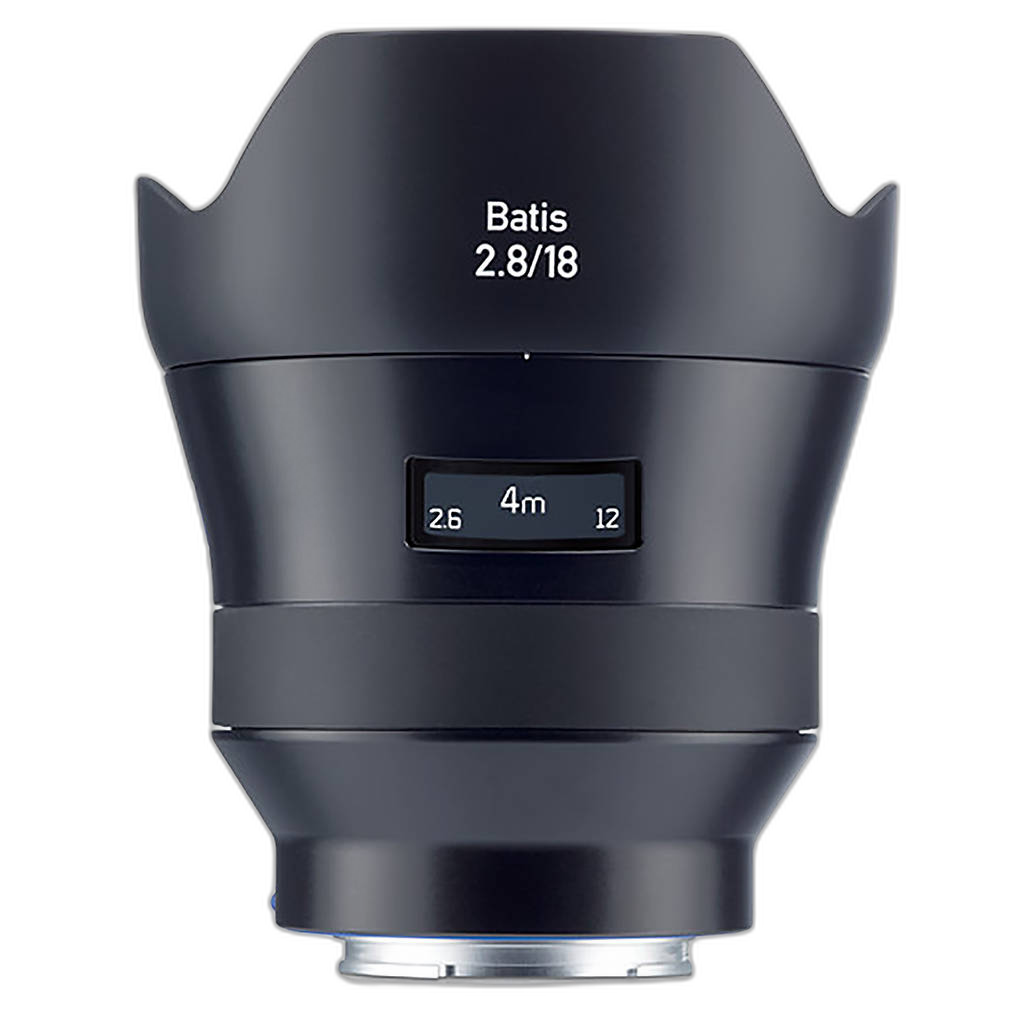
If your current crop setup feels limiting for landscapes, architecture, interiors, travel, or environmental portraiture, a full-frame body paired with a lens like the Batis 18mm f/2.8 makes a compelling case. At the same time, not every photographer needs to upgrade. Wildlife, sports, and budget-conscious enthusiasts may find that crop still offers better value. This review takes a real-world look at the upgrade question through the lens of one standout full-frame optic.
Why Full Frame Starts Making Sense
The biggest immediate difference when moving from APS-C to full frame is field of view. A lens like an 18mm on full frame delivers a truly expansive wide-angle perspective. On a crop body, that same focal length behaves much closer to a moderate wide view, losing some of the dramatic spatial impact many photographers want for landscapes and interior work. If your style depends on width, full frame matters.
Low-light performance is another meaningful advantage. Full-frame sensors generally provide cleaner high ISO files, more tonal flexibility, and better dynamic range under demanding lighting. This does not make crop cameras bad in low light, but it can make full frame noticeably more forgiving, especially for event work, handheld night scenes, or mixed-light shooting.
Then there is subject separation. While wide-angle lenses are not usually the first place photographers look for shallow depth of field, full frame still allows more control over background rendering compared with crop. That can be useful for environmental portraits, documentary work, and editorial compositions where context matters but distracting backgrounds still need taming.
Product Review: Zeiss Batis 18mm f/2.8 for Sony Full-Frame E-Mount
The Zeiss Batis 18mm f/2.8 occupies an appealing position in the market. It is not an entry-level wide-angle lens, nor is it an oversized specialty optic intended only for niche shooters. Instead, it strikes a balance between premium optical ambition and practical everyday usability. For photographers stepping into Sony full frame, it feels like the kind of lens that justifies the format upgrade rather than merely accompanying it.
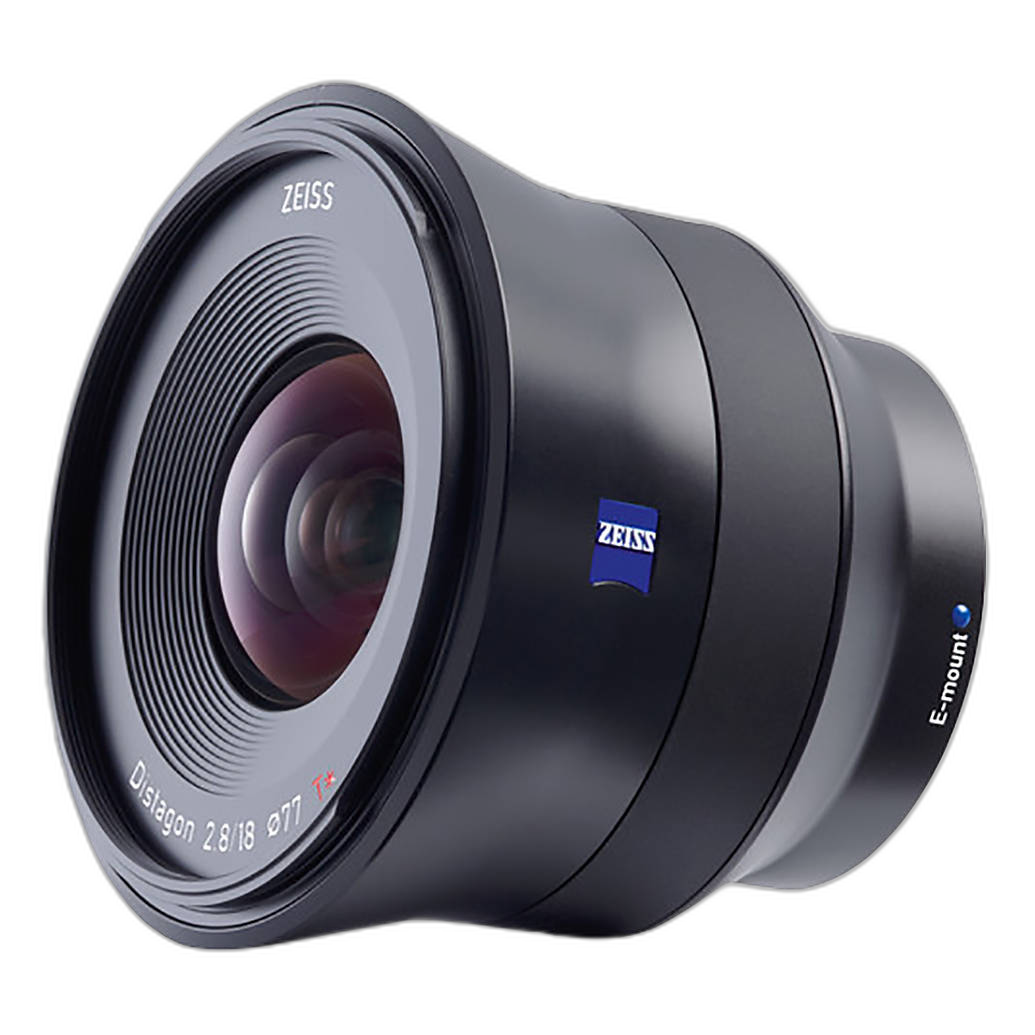
Build quality is in line with what buyers expect from Zeiss: sleek, modern, and confidence-inspiring without feeling unnecessarily bulky. The Batis line has long been known for blending refined industrial design with strong optical performance, and this lens continues that reputation. Mounted on a Sony full-frame mirrorless body, it creates a kit that is capable enough for professional work yet still portable enough for travel and location shooting.
True Ultra-Wide Coverage on Full Frame
This is where the full-frame conversation becomes very real. An 18mm focal length on full frame is dramatically wide without immediately entering novelty territory. It is excellent for landscapes, architecture, real estate, city scenes, astrophotography, and travel imagery where context and scale are central to the composition.
For photographers upgrading from crop, this lens often feels revelatory. The wider perspective opens compositional possibilities that were simply harder to achieve before. You can work in tighter spaces, emphasize foregrounds more effectively, and create immersive images with strong depth cues. If one of your reasons for wanting full frame is “I want my wides to actually look wide,” the Batis 18mm is a convincing answer.
Sharpness That Rewards Higher-End Sensors
A full-frame upgrade only pays off if the lens in front of the sensor can deliver. The Batis 18mm is well suited for modern high-resolution Sony bodies thanks to its strong sharpness and overall image rendering. It is the type of lens that makes detailed landscape files, architectural lines, and textured environmental scenes look rich and refined.
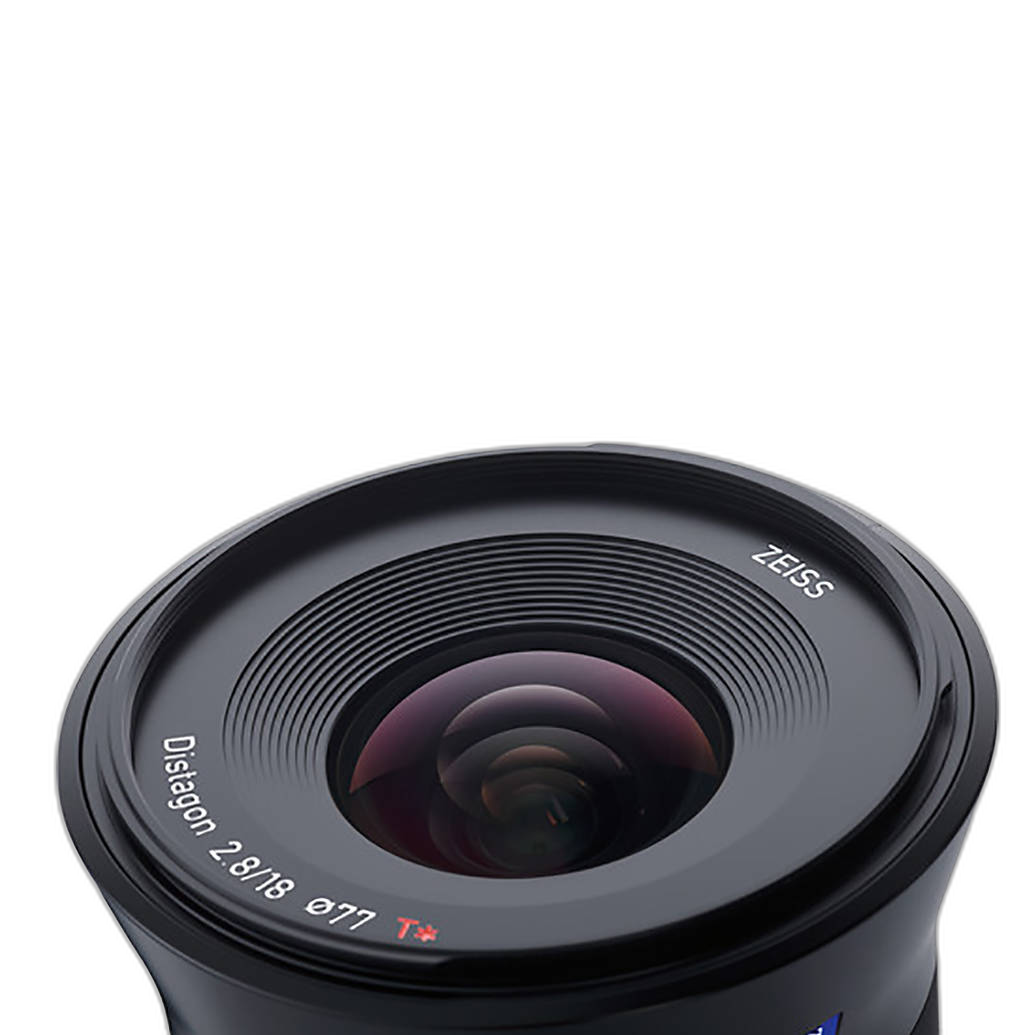
Wide-angle users care not just about center sharpness but about performance across the frame. That is especially true when shooting buildings, interiors, or stitched panoramas. The Zeiss branding here is not just about prestige; it reflects the expectation of disciplined optical design, and in practical use this lens is built to satisfy shooters who notice detail from edge to edge.
Autofocus and Everyday Usability
One of the advantages of stepping into a modern full-frame mirrorless system is that performance is not limited to image quality alone. Autofocus matters, even on ultra-wide lenses. The Batis 18mm features autofocus that suits travel, event coverage, environmental portraiture, and spontaneous documentary shooting better than many photographers might expect from a premium wide prime.
This practicality matters because full frame should not feel like a studio-only upgrade. A lens like this helps make the case that full frame can be both aspirational and usable. It invites you to carry it, trust it, and shoot with it regularly rather than reserving it only for special outings.
Size Advantage Compared With Traditional Full-Frame Wide Glass
One argument against full frame has always been system size. While that concern is still valid in some setups, lenses like the Batis 18mm show how mirrorless has narrowed the gap. It is a serious optic, but it does not feel unreasonably large for the performance category. That makes it attractive for photographers who want the benefits of full frame without building an oversized kit.
For travel and landscape shooters especially, that balance is important. If your upgrade path leads to a bag that is too heavy to carry, the theoretical image quality gain may not translate into more successful shooting. The Batis 18mm is a reminder that premium full-frame gear can still be realistically portable.
Who Should Upgrade From Crop Sensor to Full Frame?
Full frame is most worth it for photographers who routinely hit the limits of crop. If you shoot landscapes and want broader perspectives, work in low light and need cleaner files, or create client work where dynamic range and overall polish matter, the upgrade can be meaningful. Pairing a full-frame body with a lens like the Zeiss Batis 18mm makes the benefits obvious.
It is also a smart move for architecture, interiors, and real estate specialists. Wide-angle coverage is central to those genres, and full frame gives lenses room to perform as intended. In that context, the Batis 18mm is not just a luxury purchase; it is a tool that helps unlock a more effective visual result.
Travel photographers may also appreciate the move, particularly if they want one body and a few high-quality lenses that cover a broad range of scenes. Full frame can improve flexibility in mixed lighting and preserve more image quality when files need editing latitude.
Who Might Be Better Off Staying With Crop?
Not everyone benefits equally from the jump. If you mainly shoot wildlife or sports, crop can still be a very efficient format because of the tighter apparent field of view and lower total system cost. If your lenses are all designed for APS-C, switching to full frame may require rebuilding your kit sooner than expected.
Budget is another major factor. The body upgrade is only part of the expense. To really experience full frame at its best, you need lenses that are designed to match it. Premium optics like the Batis 18mm are excellent, but they are also part of what makes the transition a serious investment.
If your current crop setup already meets your needs and your bottleneck is technique rather than hardware, you may be better served by improving lenses, lighting, support gear, or post-processing skills before moving formats.
Pros and Cons
Pros
- Delivers a genuinely wide 18mm field of view on full-frame Sony cameras
- Premium Zeiss optics with strong sharpness and refined rendering
- Autofocus adds versatility for travel, events, and documentary use
- Compact relative to many high-end full-frame ultra-wide lenses
- Excellent fit for landscape, architecture, interiors, and environmental work
- Clearly demonstrates one of the major advantages of upgrading from crop sensor
Cons
- Premium pricing makes it best suited to serious enthusiasts and professionals
- To realize its value, you really need a full-frame Sony body
- Ultra-wide focal length is specialized compared with a standard zoom
- Not the most budget-friendly starting point for photographers just entering full frame
Verdict: Is Upgrading to Full Frame Worth It?
Yes, if your photography benefits directly from wider views, stronger low-light performance, and a higher ceiling for image quality. No, if you are upgrading mainly because of marketing pressure or assuming full frame automatically makes every image better. The format matters most when your shooting style actually demands what it offers.
The Zeiss Batis 18mm f/2.8 is a strong example of why many photographers do make the leap. It showcases the wide-angle freedom, image quality, and premium shooting experience that full frame can provide, especially on Sony E-mount. For the right user, this is the kind of lens that turns the upgrade from a spec-sheet decision into a visible, practical improvement.
If you are ready to build a serious Sony full-frame kit and want a premium ultra-wide prime that justifies the move, the Zeiss Batis 18mm f/2.8 is easy to recommend. You can find it at Unique Photo, a trusted destination for cameras, lenses, and expert guidance when planning your next upgrade.