Tamron vs. Sigma Third-Party Lenses: What Real Photographers Notice First
For photographers shopping beyond first-party glass, the Tamron vs. Sigma conversation comes up constantly. Both brands have built strong reputations for delivering serious optical performance, modern autofocus, and compelling value compared with many OEM options. At Unique Photo, we regularly see photographers weighing these two brands not just by spec sheets, but by real-world shooting experience: how a lens balances on the camera, how confidently it locks focus, how sharp it looks wide open, and whether it feels dependable on paid jobs or long travel days.
In practical use, Tamron and Sigma often appeal to slightly different priorities. Tamron lenses are frequently praised for lightweight designs, travel-friendly zoom ranges, and strong performance for hybrid shooters who need versatility. Sigma lenses are often celebrated for impressive rendering, standout sharpness, and a product lineup that includes everything from classic still lenses to cine-oriented tools. Neither brand is universally "better" for every photographer. The better choice usually depends on your camera system, subject matter, and shooting style.
If you are deciding between Tamron and Sigma, the real-world differences below will help you understand where each brand tends to shine.
Autofocus Performance in Real-World Shooting
One of the biggest search questions photographers ask is: Is Tamron or Sigma better for autofocus? In day-to-day use, both brands have made major advances, especially on mirrorless systems. The experience today is far better than the early days of third-party lens skepticism.
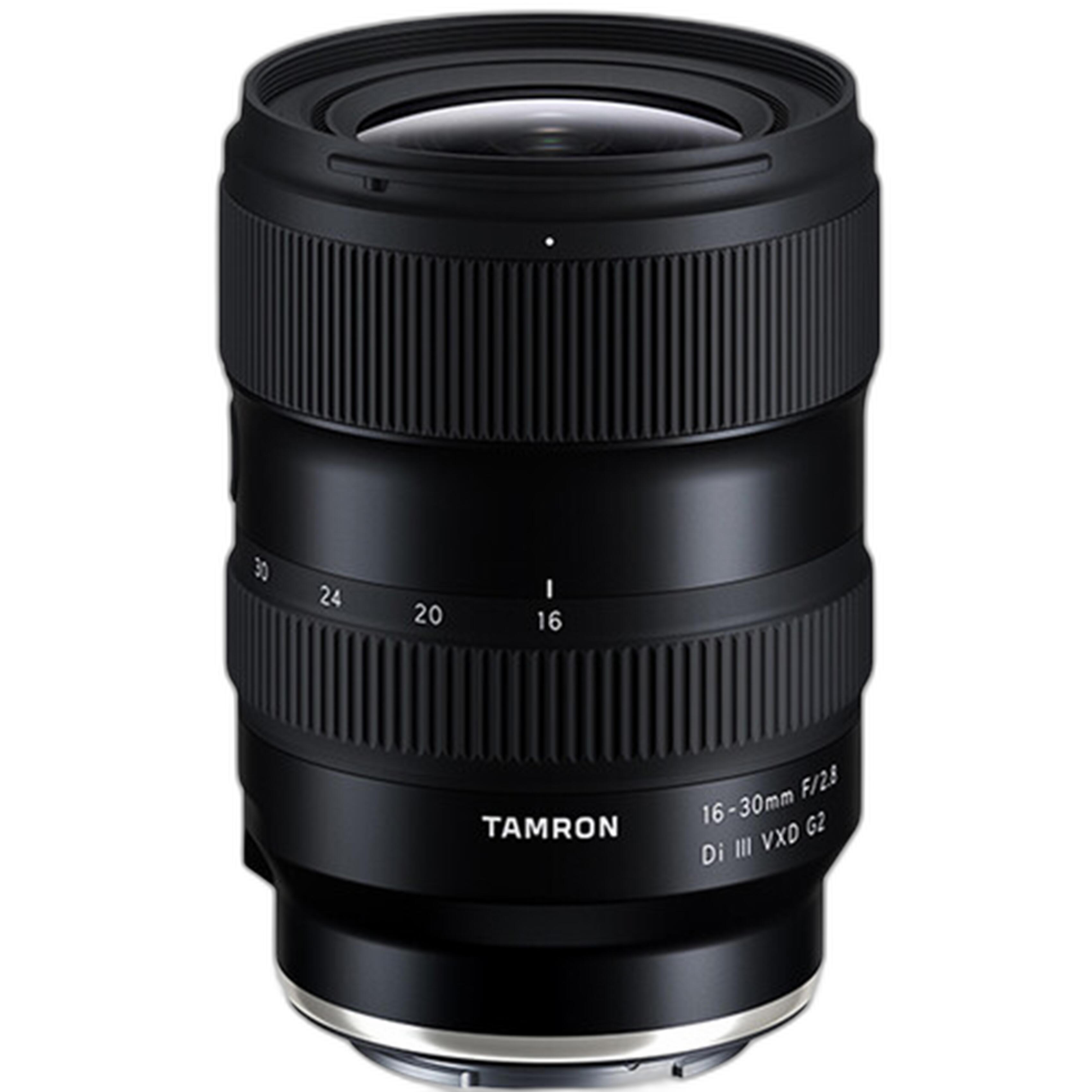
Tamron lenses often earn praise for quick, quiet focusing that works well for weddings, events, travel, and casual video. A lens like the Tamron 16-30mm F/2.8 Di III VXD G2 Lens for Sony E is the kind of ultra-wide zoom many creators want when they need reliable AF for landscapes, interiors, gimbal work, and environmental portraiture. Tamron's recent VXD-equipped designs are especially well regarded for speed and smoothness.
Sigma autofocus experiences can vary by lens generation and mount, but many modern Sigma lenses are highly competitive. Sigma has also built a reputation for producing lenses that photographers trust for crisp subject rendering, even when shooting fast apertures. In still photography, many users describe Sigma AF as confident and satisfying, especially when paired with newer camera bodies and native mirrorless options.
For action, weddings, and unpredictable subjects, real-world results matter more than marketing. If possible, testing your preferred focal length on your own camera body is the smartest move. Unique Photo is a great place to compare current options and used lenses if you want to evaluate performance at different price points.
Sharpness, Contrast, and Rendering: How Images Actually Look
Another common search intent is Tamron vs. Sigma image quality. In real use, both brands are capable of professional-level files, but photographers often describe their strengths a bit differently.
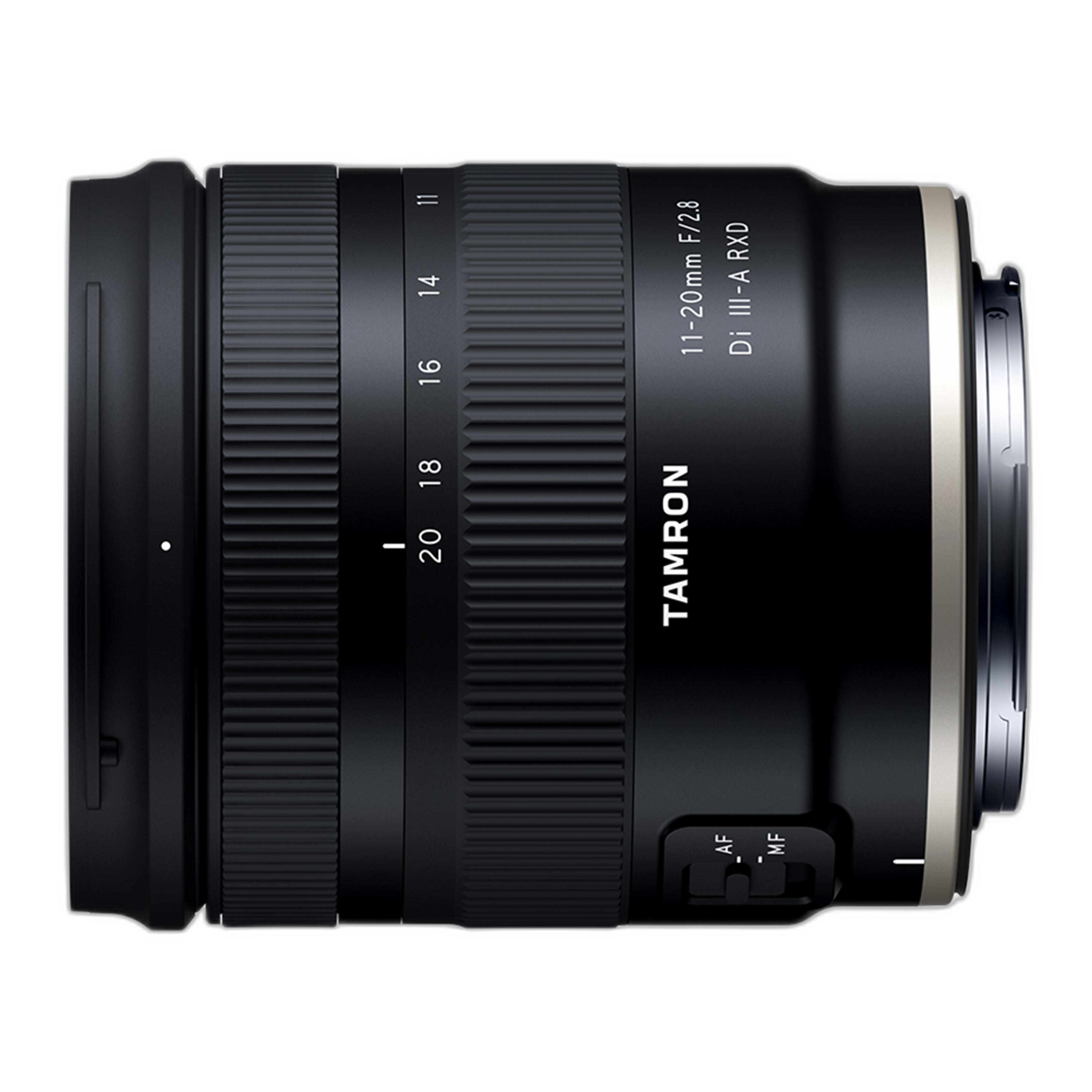
Tamron lenses are often appreciated for delivering strong sharpness with highly usable performance across the frame, especially in compact zooms. They are popular among photographers who want practical image quality without carrying oversized gear. For example, the Used Good Tamron 11-20mm F2.8 Di III-A RXD for Canon RF Mount represents the kind of fast ultra-wide zoom APS-C shooters often look for when they want flexibility for landscapes, travel, architecture, and vlogging.
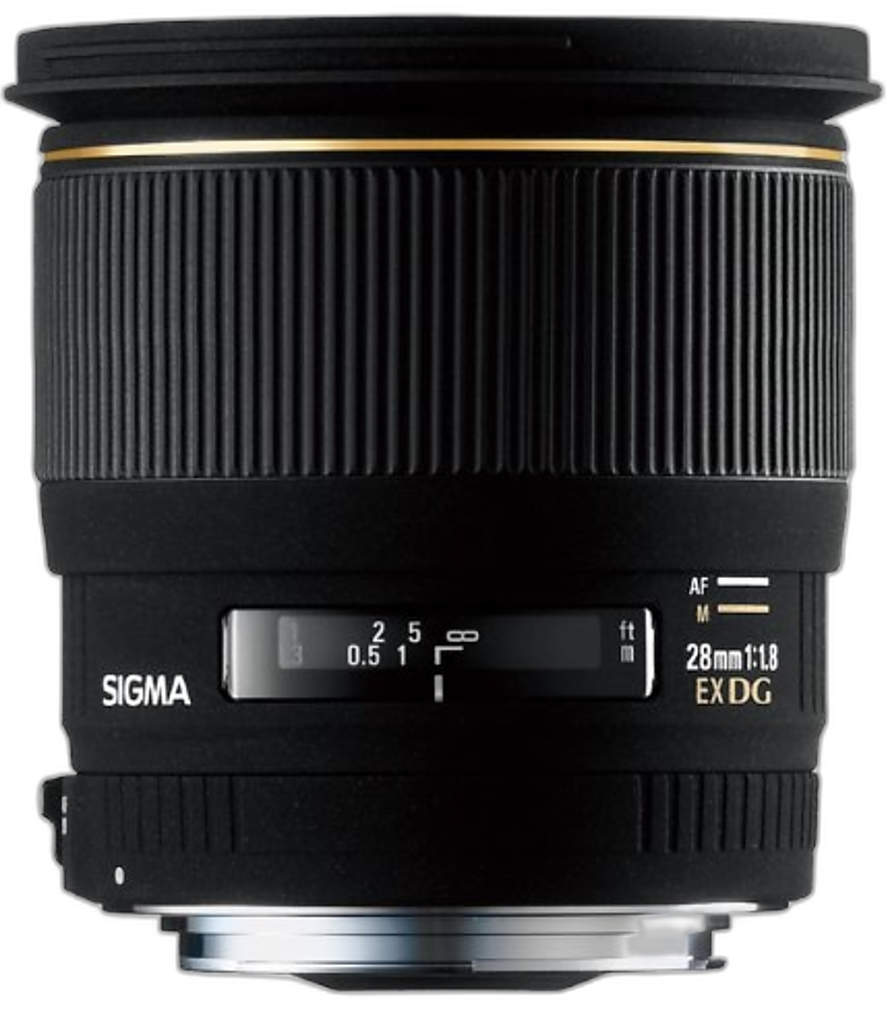
Sigma, meanwhile, is frequently associated with especially punchy rendering and strong center-to-edge detail in many of its standout lenses. Even older Sigma lenses still have appeal. The Used Sigma 28mm f/1.8 EX DG for Canon EF, for example, reflects Sigma's long-standing place in the third-party market, where photographers could access unique focal lengths and fast apertures without stepping into first-party pricing.
When photographers compare files side by side, the differences often come down to lens-specific characteristics rather than brand-wide rules. Sigma may win over shooters who prioritize a particular rendering style or maximum sharpness in select primes and specialty lenses. Tamron often wins over those who want excellent results in a lighter, more travel-oriented package.
Size, Weight, and Everyday Carry Comfort
Real-world experience is not just about image quality. It is also about whether you actually want to bring the lens with you. This is one area where Tamron has developed a strong following. Many Tamron zooms are chosen because they keep kits lighter and easier to manage for long shooting days.
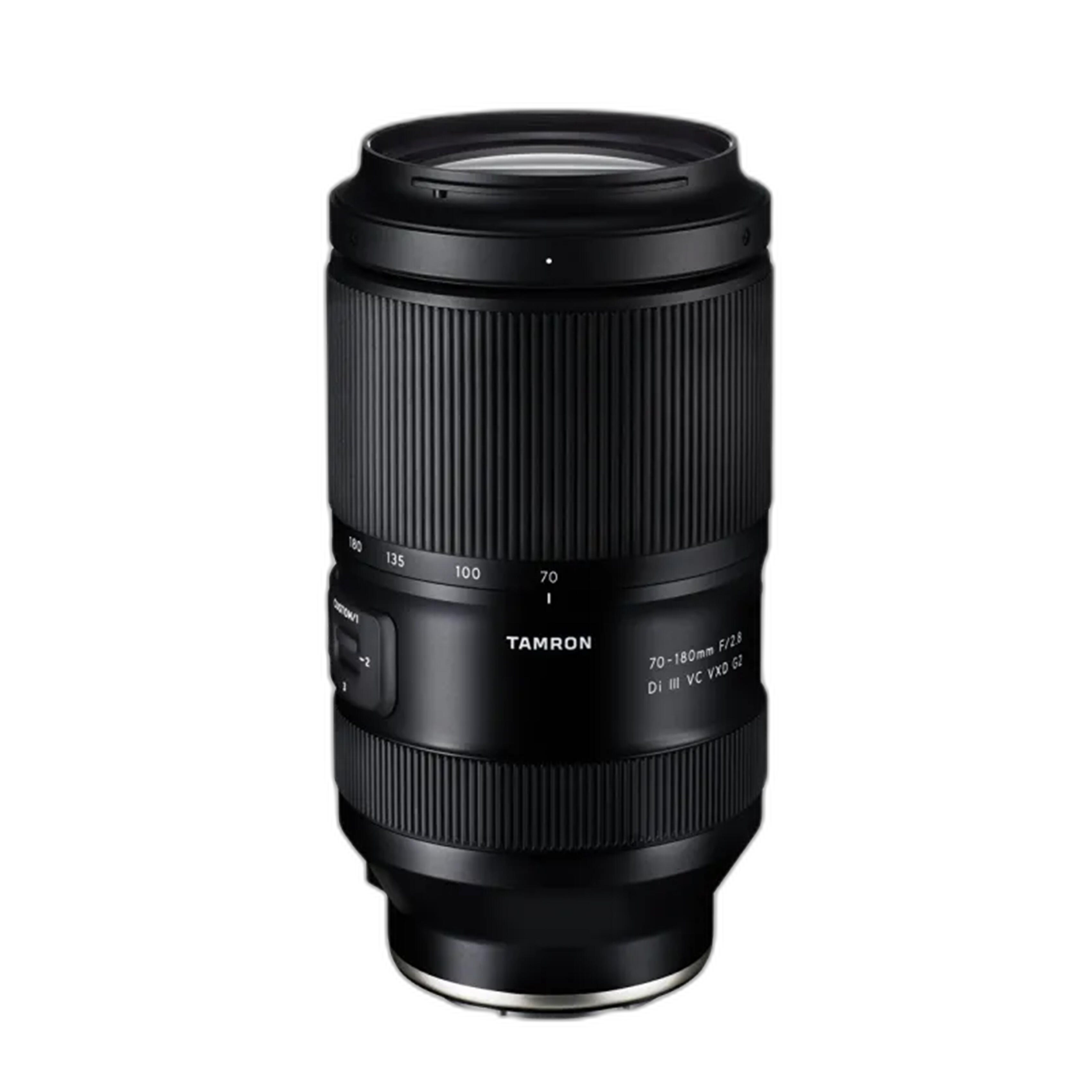
Travel photographers, event shooters, and outdoor creators often say that a lens can be optically amazing, but if it is too heavy, it gets left at home. Tamron has done well by offering bright-aperture zooms that remain relatively portable. The Tamron 70-180mm F/2.8Di III VC VXD G2 for Nikon Z Mount is a good example of a telephoto zoom category where users often want high performance without the burden of a much larger lens.
Sigma, by contrast, often accepts a bit more size and weight in pursuit of optical ambition. Many photographers are perfectly happy with that tradeoff, especially for portrait, commercial, studio, or cine use. If you value a more substantial feel and are willing to carry extra weight for certain performance benefits, Sigma can be extremely rewarding.
At Unique Photo, many photographers comparing these brands end up deciding based on handling just as much as lab-tested sharpness. The best lens on paper is not always the best lens in a real camera bag.
Best Uses for Tamron Lenses in Everyday Photography
If your search is really asking Who should buy Tamron lenses?, the answer often includes photographers who need versatility, mobility, and modern autofocus in one package. Tamron lenses are especially popular for:
- Travel photography
- Landscape work
- Hybrid photo and video shooting
- Events and weddings
- Outdoor and wildlife setups where lower carry weight matters
A strong example is the Used Tamron A057 150-500mm F/5-6.7 Di III VC VXD Lens (Nikon Z), a type of lens that appeals to wildlife and outdoor shooters who want meaningful reach without jumping to much larger super-telephoto solutions. In actual field use, lenses like this often matter more for portability and usability than for pure spec-sheet bragging rights.
Tamron also tends to appeal to photographers building a practical full kit around zooms. If you want coverage from ultra-wide through telephoto while keeping your system manageable, Tamron often deserves a close look.
Best Uses for Sigma Lenses in Everyday Photography and Video
Sigma often stands out when photographers want a lens with a specific look, a fast aperture, or a more specialized application. That could mean portrait photographers seeking strong subject separation, commercial shooters prioritizing crisp detail, or filmmakers looking at Sigma's cine ecosystem.
The Sigma 18-35mm T2 Fully Luminous High-Speed Zoom Lens (Canon EF) is a perfect example of Sigma's reach beyond ordinary still-lens comparisons. Sigma has a strong presence in cinema and video production, and many creators value the brand for tools that support more advanced production workflows.
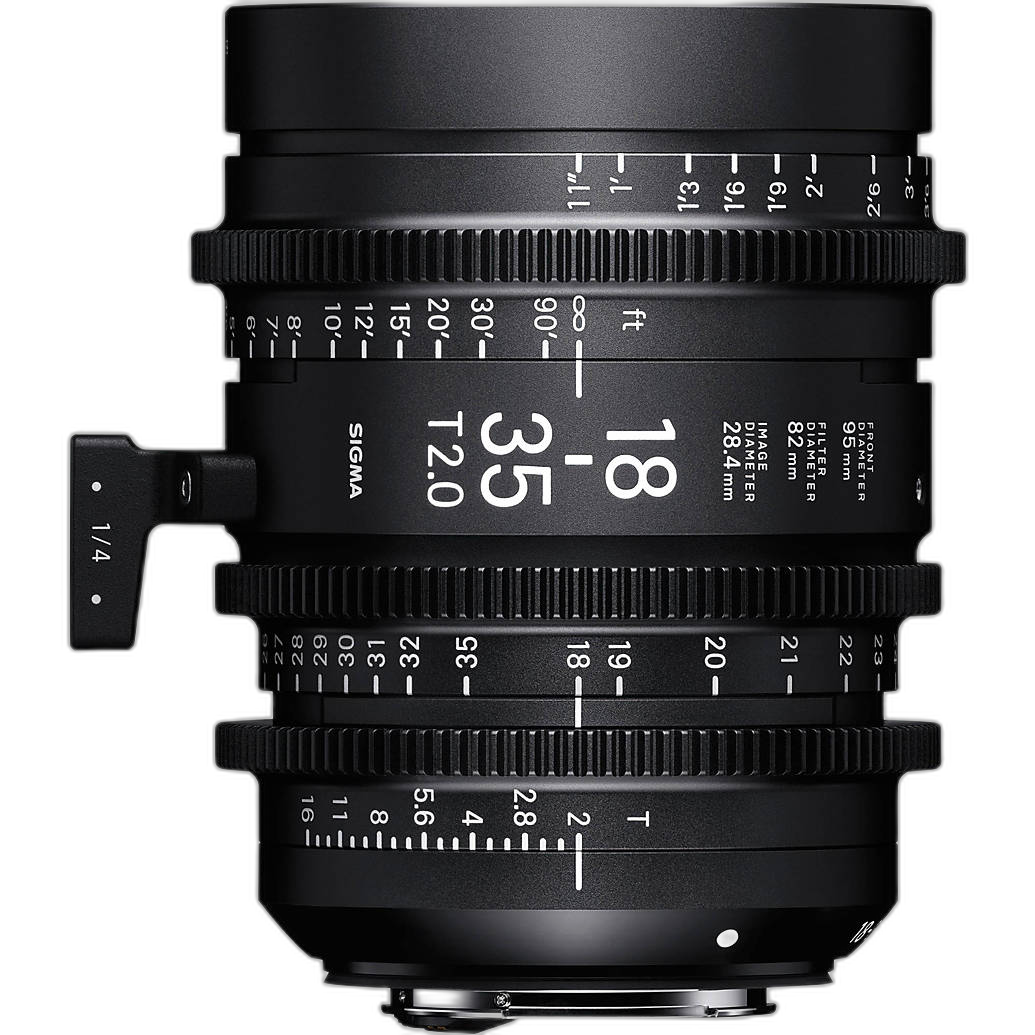
For stills photographers, Sigma also remains appealing because of its long history of making lenses that feel distinctive rather than generic. If your lens choice is driven by creative rendering as much as convenience, Sigma often belongs on the shortlist.
Tamron vs. Sigma for Mirrorless Systems
One of the biggest real-world changes in recent years is how well third-party lenses now integrate with mirrorless systems. Searches like best third-party lenses for Sony, Nikon Z, Canon RF, and Fujifilm often lead photographers directly to Tamron and Sigma.
Tamron has been especially visible in mirrorless zoom development, with compact, practical options that fit the needs of creators who want to move fast. The Tamron 16-30mm F/2.8 Di III VXD G2 Lens for Sony E is a strong example for Sony users who want a modern wide-angle option with pro-level utility. Likewise, the Tamron 11-20mm F2.8 Di III-A RXD shows how Tamron addresses APS-C users who do not want to compromise on speed.
Sigma has also become a major mirrorless player, though photographers often evaluate its lenses more selectively based on their exact priorities. In mirrorless systems, the decision tends to come down to which focal lengths are available for your mount, how much weight you want to carry, and whether your priority is portability, speed, or a specific rendering signature.
Is Tamron or Sigma Better for Value?
Many photographers searching this topic are really asking about value. Not just low price, but how much lens they get for the money. In that respect, both brands are excellent, and that is one reason third-party lenses remain so popular at Unique Photo.
Tamron often delivers value through practical feature sets: fast zooms, strong autofocus, manageable size, and pricing that can be attractive compared with many first-party alternatives. Sigma often delivers value through premium-feeling optics, distinctive lens choices, and access to specialty products that might otherwise be far more expensive.
Used gear expands the equation even further. A lens like the Used Sigma 28mm f/1.8 EX DG for Canon EF may appeal to photographers who want an affordable wide-to-normal prime with character. A used option such as the Used Good Tamron 11-20mm F2.8 Di III-A RXD for Canon RF Mount can be a great fit for budget-conscious shooters who still want a fast modern zoom. Shopping used at Unique Photo is often one of the smartest ways to stretch a lens budget.
Build Quality, Reliability, and Long-Term Ownership
Both Tamron and Sigma have improved substantially over the years in build quality and consistency. Real-world owners today generally expect dependable performance from current-generation lenses, especially in established product lines.
Tamron users often mention confidence in weather-resistant, field-friendly designs that support active shooting. Sigma users often appreciate a more premium-feeling construction in many lenses, along with a sense of solidity that suits studio, portrait, and production environments.
Accessories can also play a role in day-to-day ownership. For example, Sigma users looking to manage reflections and boost landscape contrast may pair their setup with accessories like the Sigma AFI9D0 86mm WR Circular Polarizer Filter, depending on lens compatibility. These practical additions can shape the overall ownership experience just as much as the lens itself.
Real-World Verdict: Which Brand Should You Choose?
If your priority is portability, zoom versatility, and a well-rounded lens kit for travel, events, landscapes, and hybrid content creation, Tamron is often the more practical real-world choice. If your priority is distinctive optical character, premium-feeling output, specialty focal lengths, or cinema-oriented options, Sigma often has the edge for your needs.
The truth is that photographers rarely stay loyal to just one third-party brand forever. Many eventually mix Tamron and Sigma in the same kit, choosing each lens based on purpose rather than brand identity. That is usually the smartest approach.
At Unique Photo, the best way to shop Tamron vs. Sigma is to compare by mount, focal length, subject matter, and handling preferences. A travel shooter may prefer Tamron for everyday carry, while a portrait or video specialist may lean Sigma for a certain look or production workflow. Neither choice is wrong when it matches the work you actually do.

Conclusion: Find the Right Third-Party Lens at Unique Photo
Real-world experiences with Tamron vs. Sigma third-party lenses show that both brands offer excellent alternatives to first-party glass. Tamron often wins on practicality, compactness, and all-purpose usability. Sigma often wins on optical personality, specialty options, and strong appeal for creators who want a distinctive image style.
If you are still deciding, Unique Photo is a great place to explore both new and used lens options, compare current mirrorless systems, and build a kit around how you actually shoot. For internal linking opportunities, consider pointing readers to pages such as Used Equipment, Camera Lenses, Used Lenses, Tamron Lenses, and Sigma Lenses. You can also direct readers to Unique Photo classes and events for more hands-on learning and community insight.