Upgrading From APS-C to Full Frame: Is It Worth It?
Jumping from APS-C to full frame can unlock wider fields of view, cleaner high-ISO files, and creamier background separation—but it isn’t automatically the right move for every photographer or filmmaker. Use the tips below to decide if a full-frame upgrade fits your shooting style, lens kit, and budget, and to make the transition smoothly if you choose to switch.
Quick Tips to Decide
Identify the real benefits you’ll use
Full frame typically offers better low-light performance, higher dynamic range, and shallower depth of field at equivalent framing. If you shoot events, night scenes, or portraits in available light, those gains can be meaningful. If most of your work is in bright daylight or you value extra “reach,” APS-C may still be ideal.
Audit your lens lineup for coverage and mount
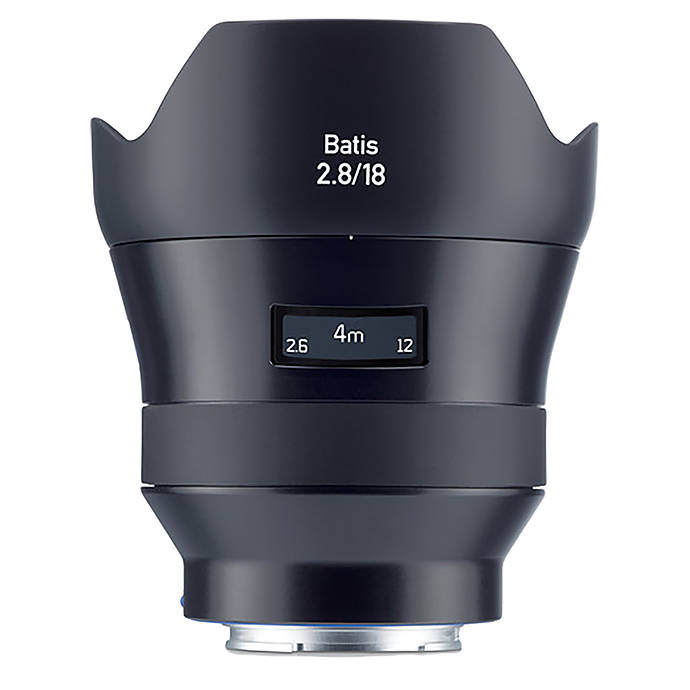
Many APS-C lenses won’t cover a full-frame sensor without heavy vignetting. Confirm whether your favorites are full-frame compatible and plan for at least one native FF lens to start. For Sony E-mount shooters stepping up, an ultra-wide like the Zeiss Batis 18mm f/2.8 pairs beautifully with a full-frame body for landscapes, interiors, and astro.
Match the sensor to your subjects
Sports and wildlife shooters often prefer APS-C for the tighter framing with the same lens. Portrait, wedding, landscape, real estate, and night sky shooters tend to benefit most from full frame’s dynamic range, noise performance, and wider perspectives.
Know how your current glass behaves on full frame
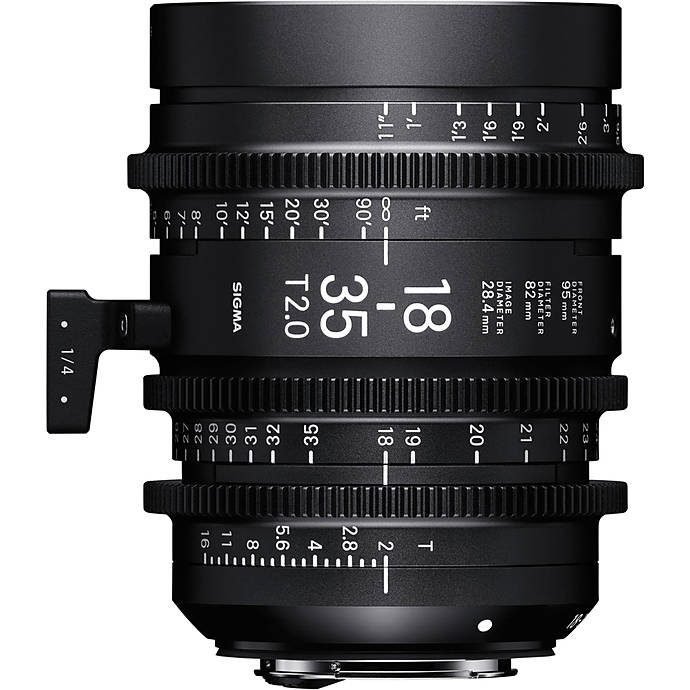
Cinema and video folks: many Super35/APS-C cine zooms won’t fully illuminate a full-frame sensor. The Sigma 18–35mm T2 (Canon EF) is a phenomenal Super35 workhorse—on a full-frame body it will generally require crop mode to avoid vignetting. That’s a perfectly valid workflow if you want one camera that can switch between full-frame and Super35 looks.
Budget for the system, not just the body
Full-frame lenses are often larger and pricier. Factor in accessories, support, and any additional storage or computing power for larger files. A well-planned two-lens kit you’ll actually carry beats a body-only upgrade every time.
Test what you can see in print
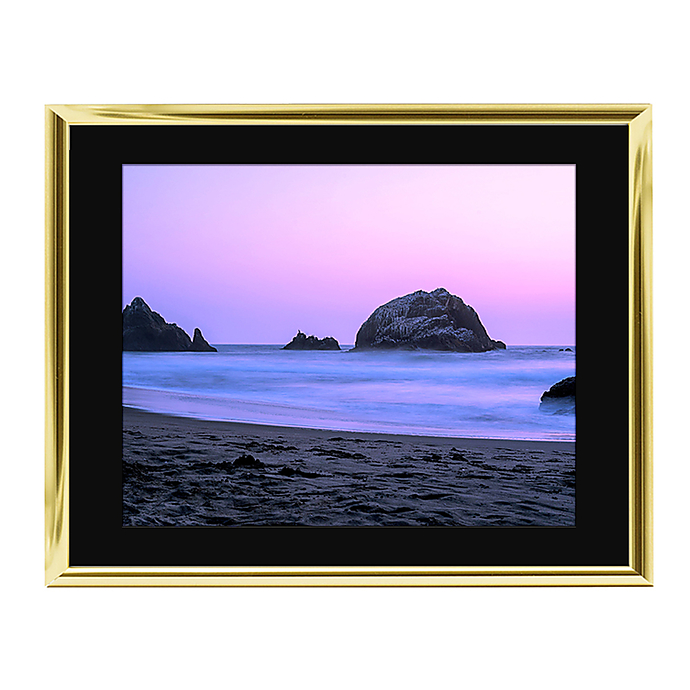
If your goal is bigger, cleaner prints, run a comparison: make the same shot with APS-C and full frame, then print at the largest size you typically display. Seeing detail, noise, and tonal transitions on paper is the most honest way to judge the upgrade’s impact. When you’re ready to show off, a tasteful framed print elevates your work.
Consider video needs: Super35 vs full-frame look
Super35 remains a staple for cinema; many FF hybrid cameras offer excellent crop modes so you can keep using S35 lenses and switch to full-frame primes when you want more shallow depth of field or wider views. Think about stabilization too—heavier FF rigs may need beefier support.
Weigh the size and weight trade-offs
Full-frame bodies and lenses tend to be bigger. If you travel light or hike long distances, make sure the kit you envision is one you’ll actually bring. Sometimes the best upgrade is better APS-C glass and support rather than a sensor change.
Try before you buy
Handle bodies, mount lenses, and shoot real-world tests. A quick session can reveal viewfinder feel, autofocus behavior, and balance with your favorite glass. Unique Photo’s team can help you compare options and find a path that fits your work and budget.
Archive and present your results
If you do move to full frame, celebrate by preserving your best work. A quality album keeps projects organized and tangible—perfect for client meetings or personal milestones.
Bottom line
Upgrading to full frame is worth it when the benefits—cleaner high-ISO files, broader dynamic range, and wider or shallower looks—directly serve your subjects and style. If they do, plan your lens strategy first, print test comparisons, and build a kit you’ll carry everywhere. If not, investing in better APS-C glass or lighting may deliver bigger gains right now. Need help deciding? Visit Unique Photo for hands-on demos, expert guidance, and lab services to bring your images to life.