Prime vs. Zoom Lenses for Travel Photography — What Should I Buy?
Planning a big trip and debating between a prime lens or a zoom? The right choice depends on how you like to shoot, where you’re going, and how much gear you want to carry. Here’s a practical, field-tested guide to help you pick the best travel lens setup and come home with images you love.
1) Know the core difference: versatility vs. speed
- Prime lenses have a single focal length (like 35mm or 50mm). They’re often smaller, lighter, sharper, and offer wider apertures for low light and subject separation.
- Zoom lenses cover a range (like 24–70mm or 70–200mm). They’re more versatile, letting you reframe quickly without changing lenses—great for fast-paced travel days.
2) Prioritize weight and packability
If you’ll be walking all day or hopping between cities, every ounce counts. A compact prime can make your camera feel featherlight. On the other hand, one travel zoom can replace two or three primes and save time swapping lenses.
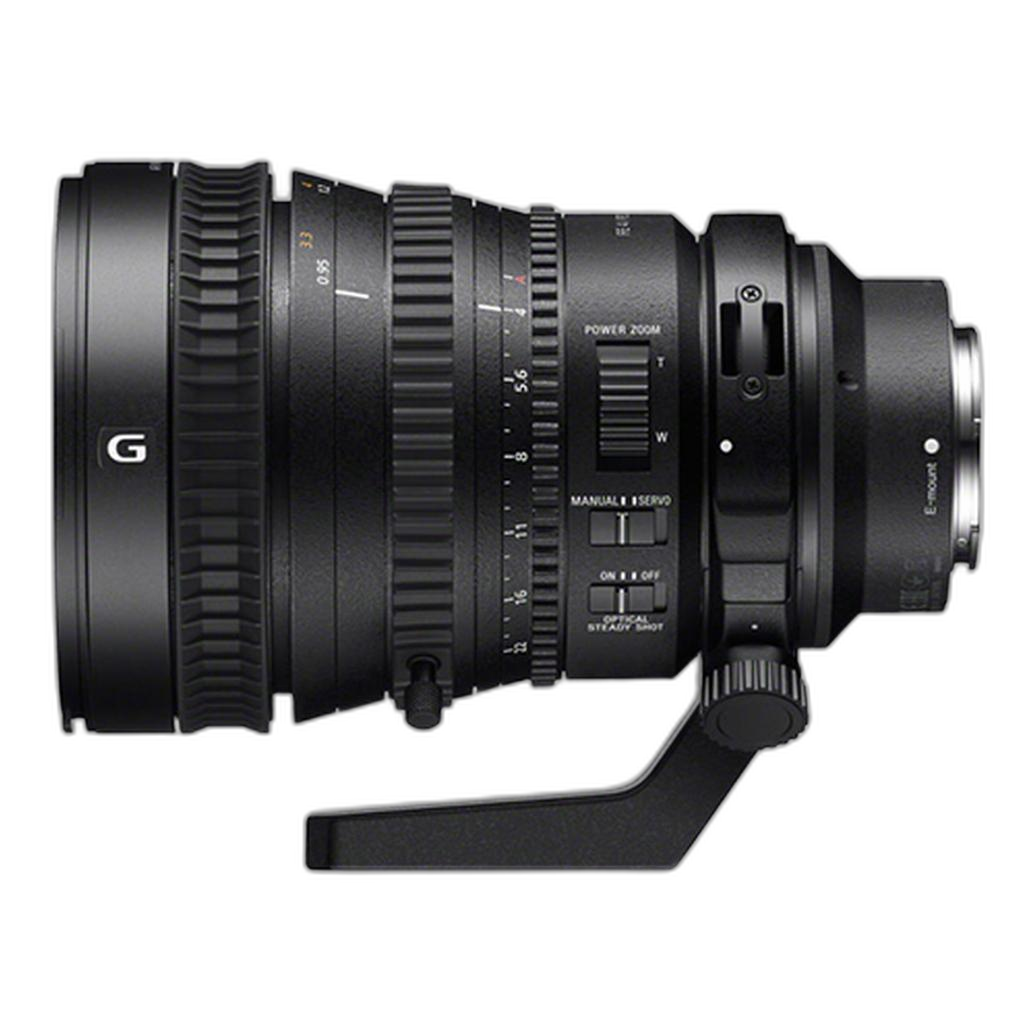
If you shoot Sony and plan to capture both stills and video, a power zoom can be especially useful. For example, the Used Sony FE PZ 28-135mm f/4 G OSS is a cinema-oriented zoom with smooth, controlled zooming and OSS for steadier handheld footage—though do note it’s larger than a typical walk-around lens, so pack accordingly.

3) Consider low-light and background blur
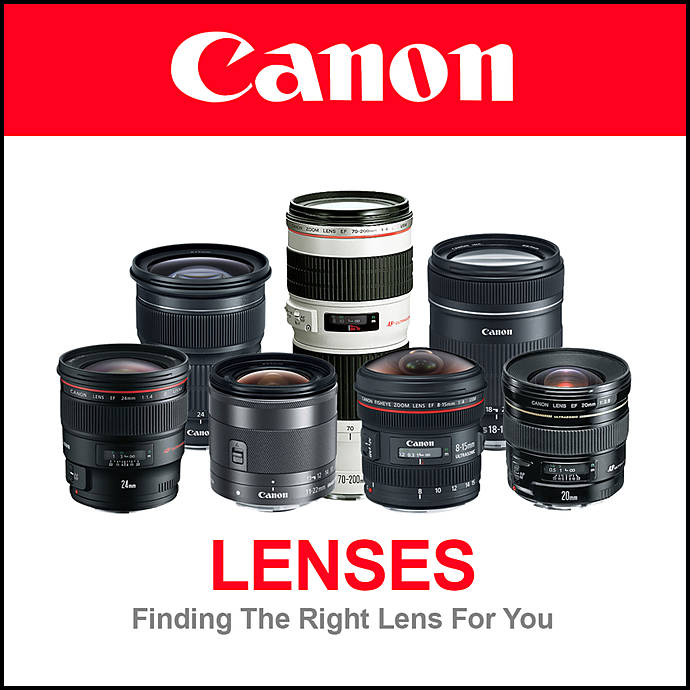
Travel often means dim interiors, blue-hour streets, and night markets. Fast primes (wider maximum apertures) shine here—letting in more light and creating creamy background blur for portraits and food shots. If you’re unsure which focal length fits your style, consider a guided learning session to help you try before you buy. Unique Photo’s Canon Lenses: Finding the Right Lens for You class is a great way to clarify your needs across primes and zooms.
4) Decide how you like to compose
Primes can make you move your feet, often leading to stronger compositions and storytelling. If you enjoy a slower, more deliberate approach, a 35mm or 50mm prime can be a perfect travel companion. Want to practice this skill in a scenic setting? Unique Photo’s Macro and Landscape Photography at Duke Farms with Michael Downey offers hands-on field time—excellent for honing composition whether you’re shooting a tight prime or a flexible zoom.
5) If video is part of your trip, plan for controlled zooming and audio
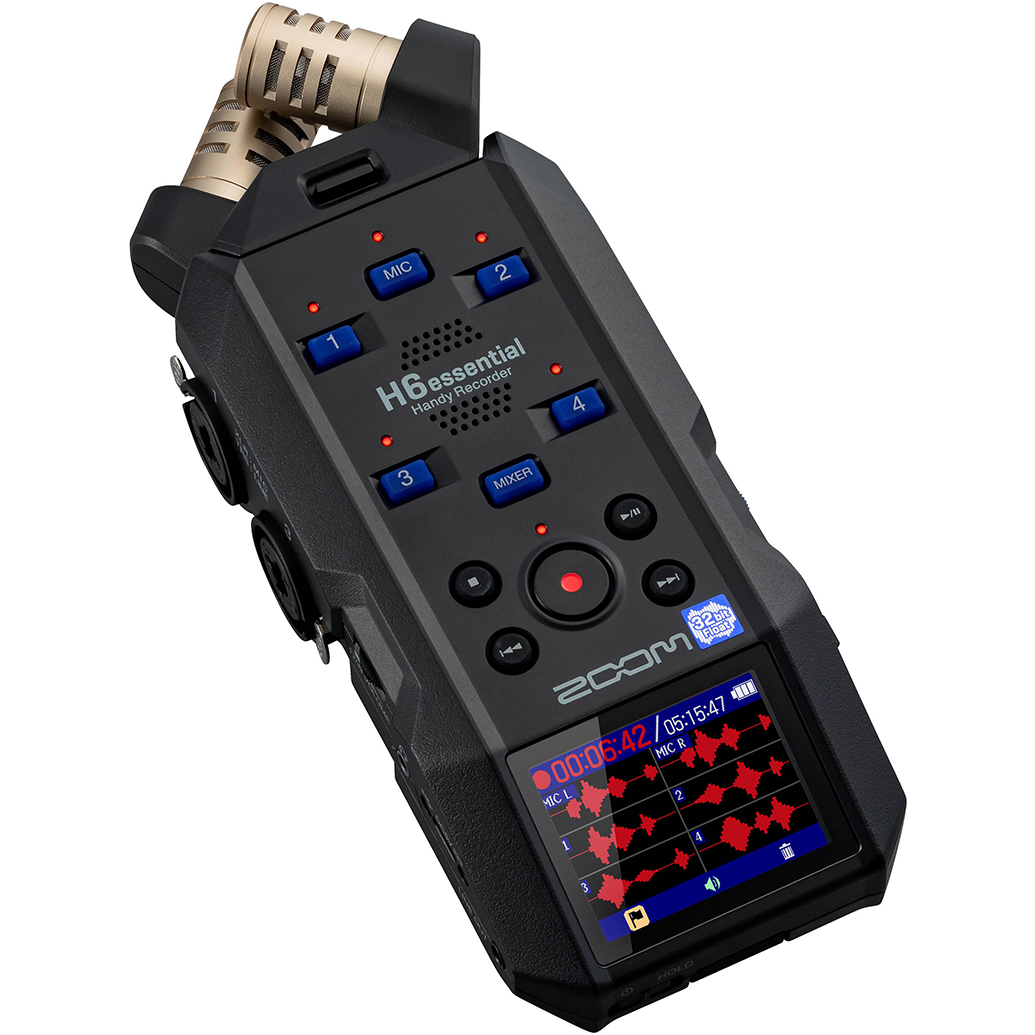
For travel vlogs and documentary-style clips, power zooms are helpful for smooth focal transitions. Stabilization and a constant aperture (like f/4) also keep exposure consistent while zooming. Don’t forget sound: clean audio elevates your travel story. A compact recorder like the Zoom H6Essential Series 6-Track 32-Bit Float Handheld Recorder can capture ambient soundscapes or interviews without fuss.
6) Factor in your budget and used options
Prime lenses often deliver excellent image quality at lower costs, especially nifty fifties (50mm). Zooms can be more expensive, but a single lens might replace several focal lengths. Don’t overlook used gear—smart pre-owned picks can stretch your budget further for travel. Even compact point-and-shoots like the Used Konica Big Mini Zoom TR BM-610Z can be fun, minimalist alternatives for casual travel shooting.
7) Edit for maximum impact
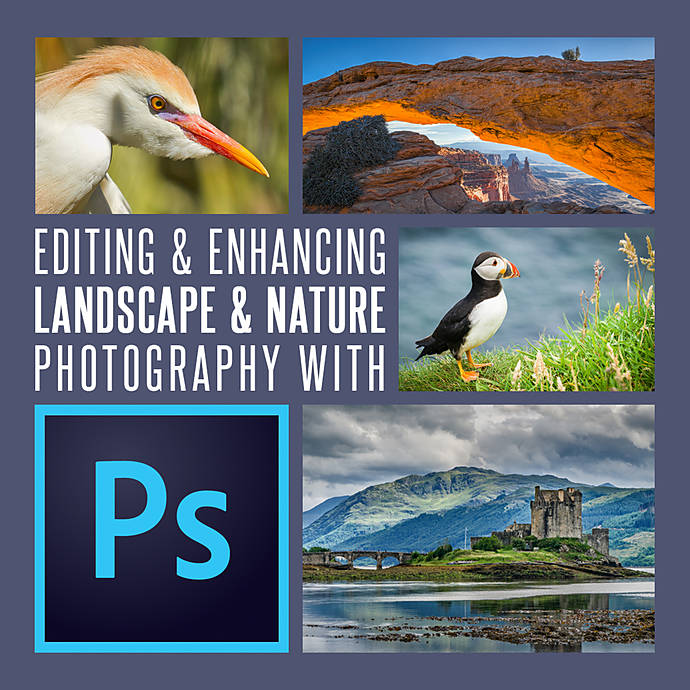
Whether you shoot prime or zoom, thoughtful editing pulls the best from your files—especially in challenging travel light. If you want to polish landscapes, cityscapes, and nature shots from your trip, check out Editing and Enhancing Landscape and Nature Photography with Photoshop at Unique Photo.
8) Match lenses to your specific camera body
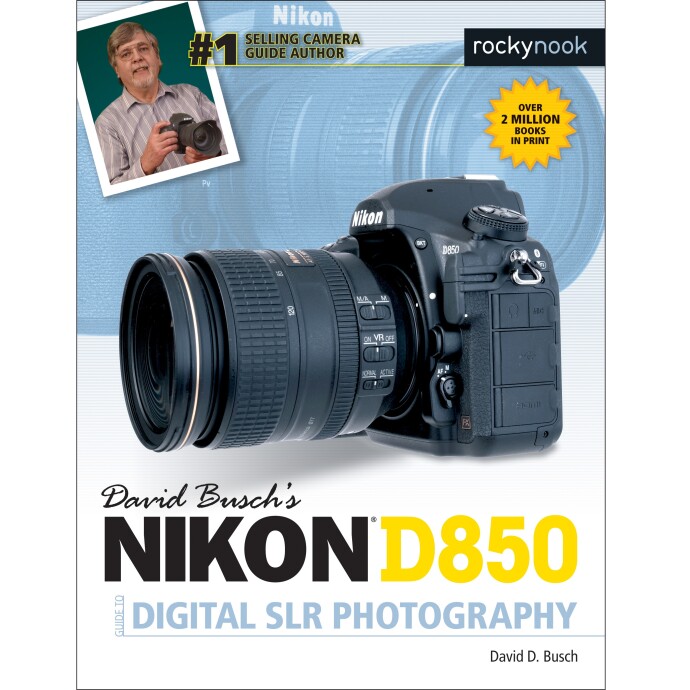
Handling, autofocus performance, and balance differ across camera systems. If you’re using a DSLR like the Nikon D850, brush up on best practices and lens pairings before you go. The Nikon D850 Guide to Digital SLR Photography by David Busch is a solid companion for learning the camera’s strengths with primes and zooms.
9) Build a smart travel kit
- One-lens simplicity: a versatile zoom (e.g., 24–105mm equivalent) for all-around travel, museums, and street scenes.
- Two-lens flexibility: a wide prime (24–35mm) for cityscapes + a portrait prime (50–85mm) for people and details.
- Hybrid stills/video: a stabilized zoom with smooth, quiet focusing + compact audio recorder for sound.
- Ultralight days: a single 35mm or 50mm prime to keep your bag featherlight and your mind focused on composition.
Test your choices at home, walk a few miles with your bag, and see what truly feels right before you travel.
Final take
Choose a prime if you value low light performance, subject separation, and a lighter bag. Opt for a zoom if you want maximum versatility and fewer lens changes. Many travelers pack both: a compact prime for evenings and a zoom for daytime exploring. If you’d like hands-on help, classes, books, and staff at Unique Photo are here to guide you—so you can hit the road confident and ready to create.