Ultra-Wide Landscape Photography FAQ: Settings, Distortion, Filters & Lens Picks
Ultra-wide lenses can turn an ordinary landscape into an immersive scene with sweeping skies, dramatic foregrounds, and a strong sense of depth. They also come with a learning curve, so the best results usually come from pairing the right technique with the right lens for your camera system.
At Unique Photo, we help photographers choose ultra-wide gear that fits both their creative goals and budget. Below, we answer some of the most common questions about camera settings, distortion control, and lens selection for landscape photography.
What camera settings work best for maximum depth of field in landscape photography?
For most landscape work with an ultra-wide lens, a great starting point is aperture priority or manual mode, with your aperture set around f/8 to f/11. That range often provides an excellent balance of depth of field and sharpness. While it may be tempting to stop down all the way to f/16 or f/22, many lenses begin to lose fine detail due to diffraction at very small apertures.
Keep your ISO as low as possible, typically ISO 100, to preserve image quality. Then let shutter speed fall where it needs to, especially if you are working from a tripod. If your scene includes moving grass, water, or clouds, you can decide whether you want to freeze that motion or let it blur for a more artistic look.
Focus placement matters just as much as aperture. With ultra-wide lenses, focusing slightly into the scene rather than on the distant horizon often keeps both the foreground and background acceptably sharp. Many photographers use live view magnification or focus peaking to fine-tune focus on a key foreground element.
Should I always use the widest focal length for landscapes?
Not necessarily. One of the biggest misconceptions about ultra-wide landscape photography is that wider is always better. Extremely wide focal lengths can make distant mountains, trees, or buildings look smaller than they felt in person. If the scene does not have a strong foreground subject, a very wide composition can end up feeling empty.
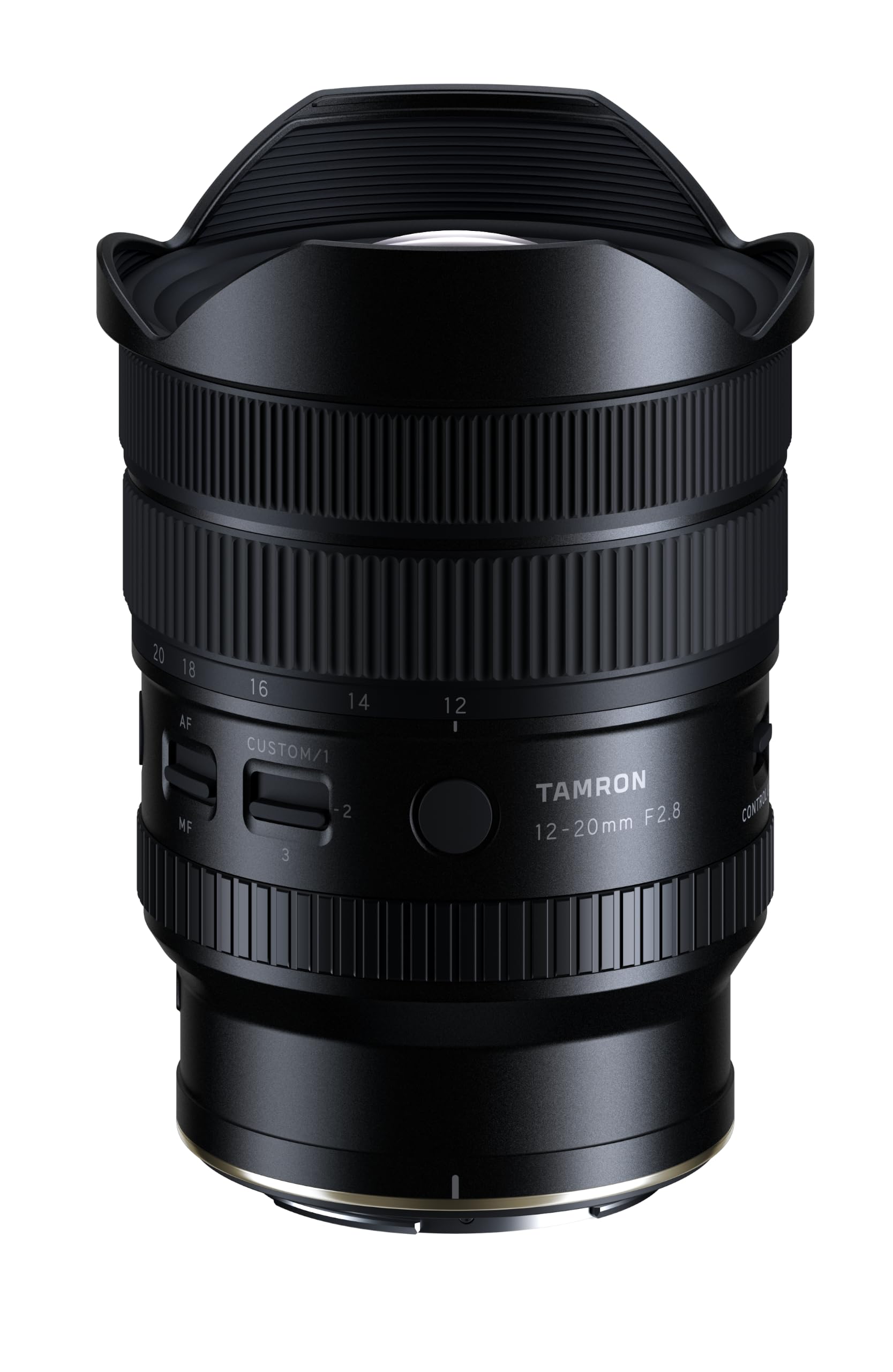
That is why zoom options can be so useful for landscape beginners. A lens like the Tamron 12-20mm f/2.8 Lens for Nikon Z gives you room to experiment between dramatic ultra-wide framing and slightly tighter compositions that may feel more natural in some locations.
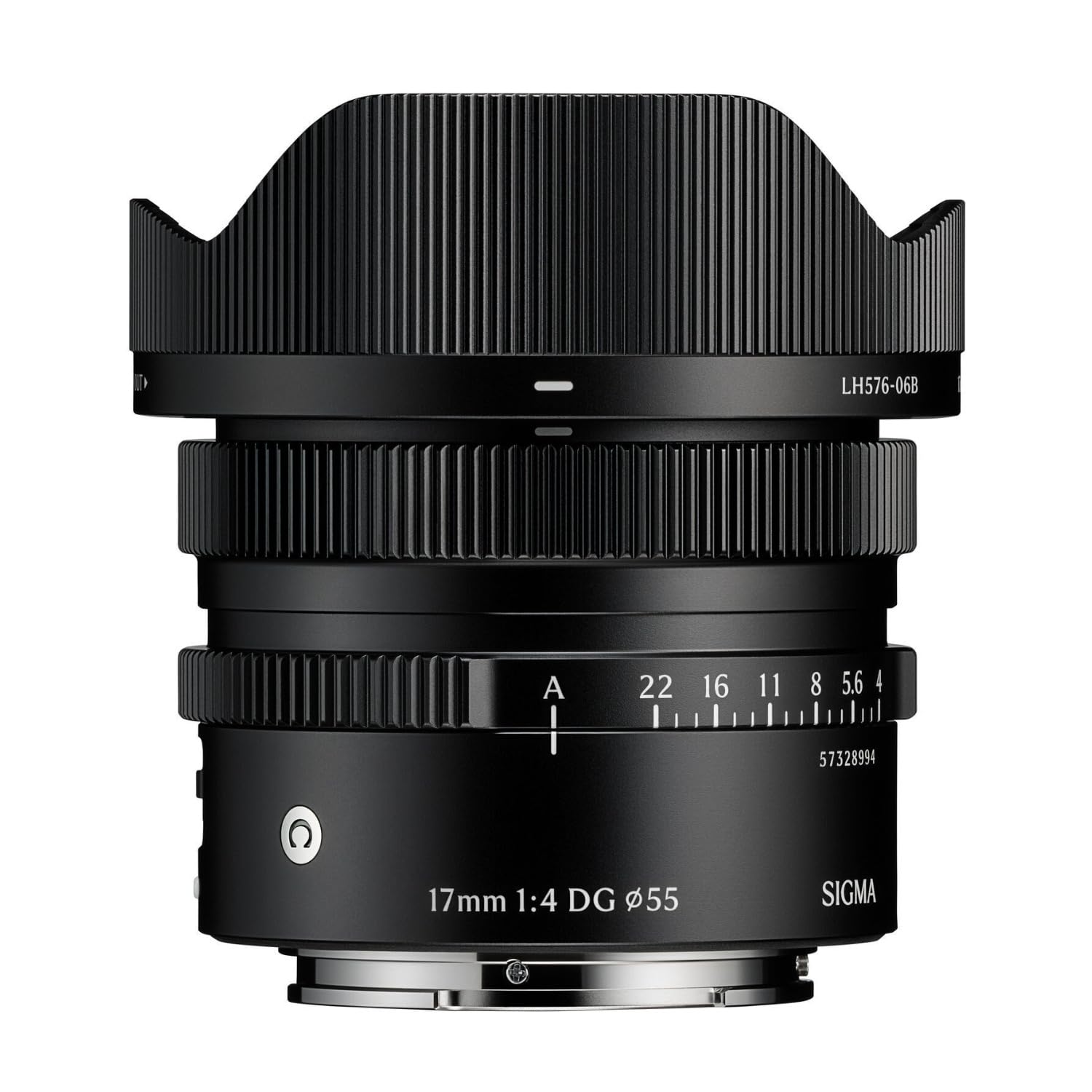
If you prefer a compact prime, focal lengths like 17mm, 18mm, or 20mm are often easier to compose with while still delivering a broad field of view. The Sigma 17mm F4 DG Contemporary Lens is a strong example of a landscape-friendly focal length that stays portable for hiking and travel.
What are some affordable ultra-wide lens options for beginners?
Beginners usually benefit most from lenses that balance price, sharpness, and ease of use. Affordable does not have to mean limited, especially if your main goal is landscapes rather than fast-paced action or low-light event work.
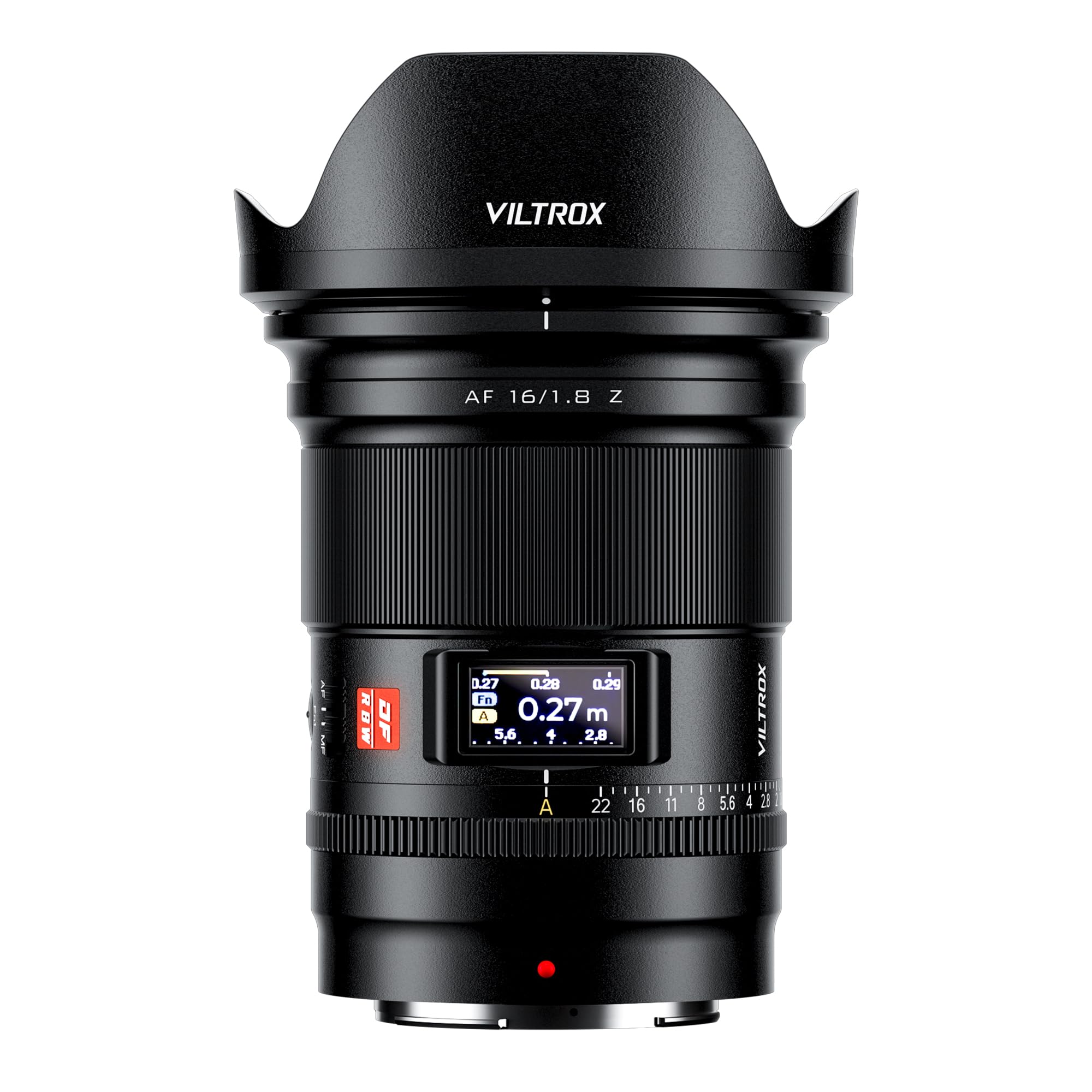
For Nikon Z shooters, the Viltrox AF 16mm 1.8 Z is an appealing choice if you want a fast ultra-wide prime with autofocus and a dramatic field of view. It is wide enough for expansive vistas and foreground-heavy compositions, while the bright aperture can also be useful for nightscapes and astrophotography.
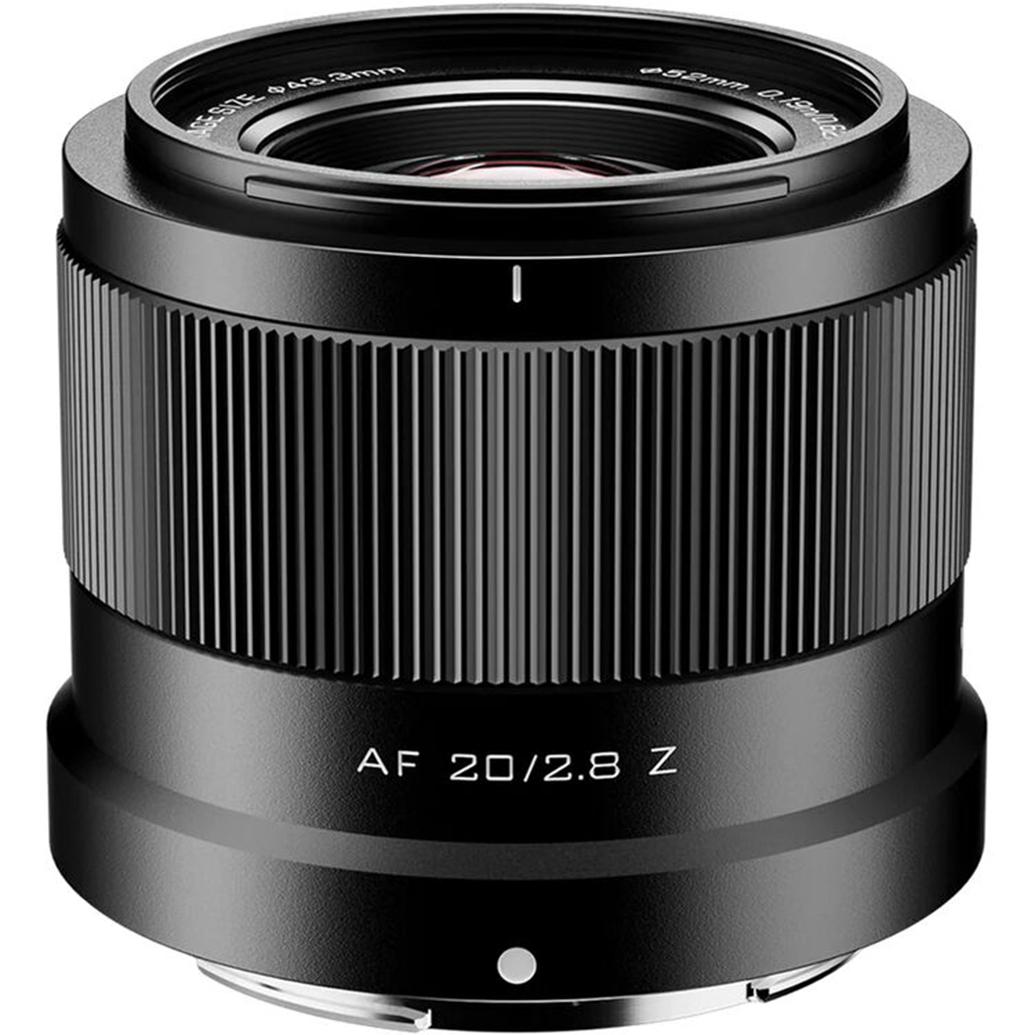
Another budget-friendly Nikon Z option is the Viltrox AF 20mm 2.8 Z. While it is not as wide as a 16mm lens, 20mm is a very practical focal length for photographers who want a more versatile lens that can handle landscapes, travel, and environmental scenes.
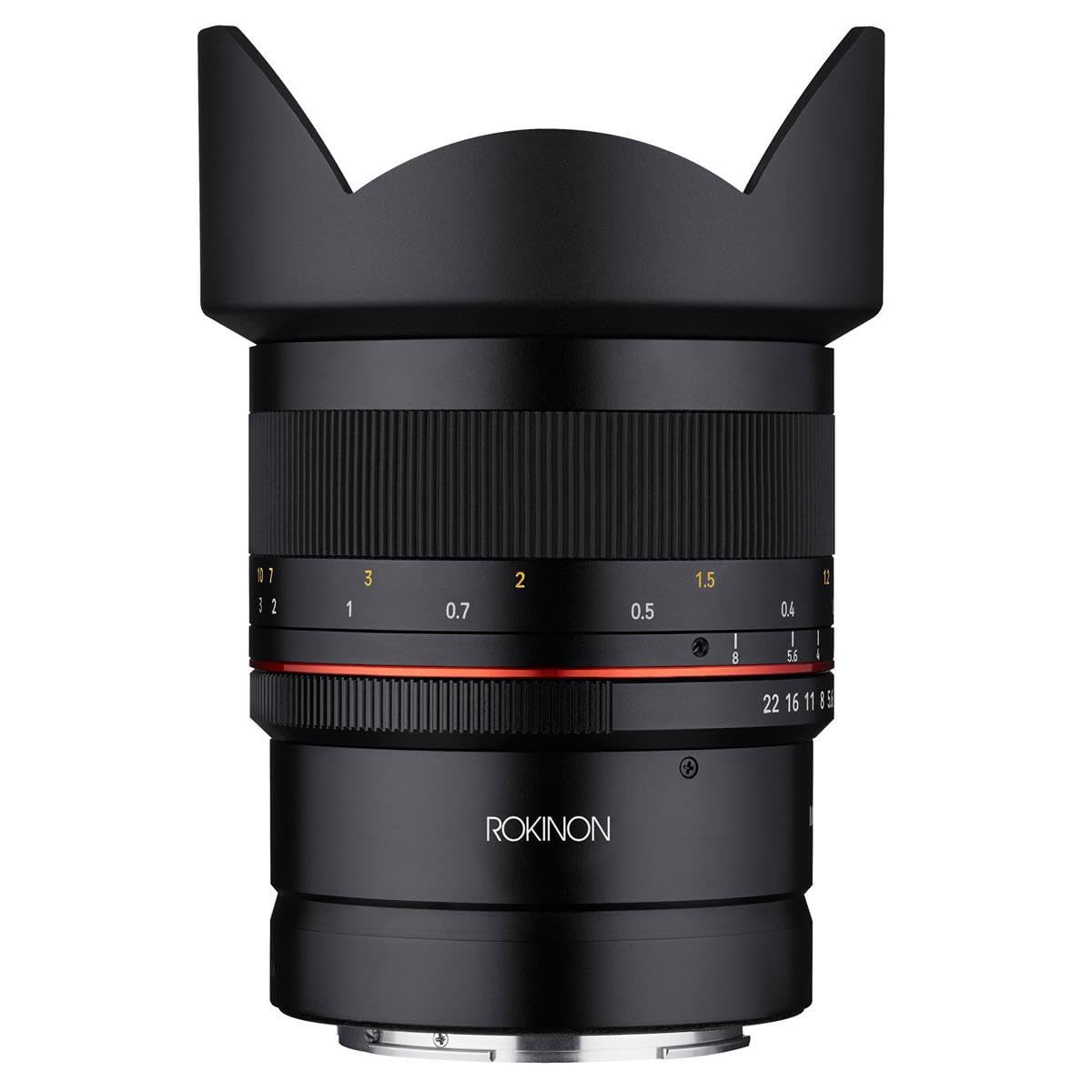
If you want to stretch your budget even further, buying used can be smart. The Used Rokinon 14mm f/2.8 Lens for Nikon Z - Good is a cost-conscious route into ultra-wide photography and can be especially attractive for photographers who are comfortable working more deliberately in the field.
How do I avoid distortion when using ultra-wide lenses for landscapes?
Some distortion is part of the ultra-wide look, but the most distracting problems usually come from camera position, not just the lens itself. If you tilt the camera upward or downward, vertical lines can start to lean, and objects near the frame edges may stretch noticeably. Keeping the camera as level as possible is one of the simplest ways to maintain a more natural-looking image.
It also helps to be careful about what you place near the corners of the frame. Rocks, trees, and people can become exaggerated if they are too close to the edge. If you want a cleaner composition, step back slightly or reframe so important subjects stay closer to the center.
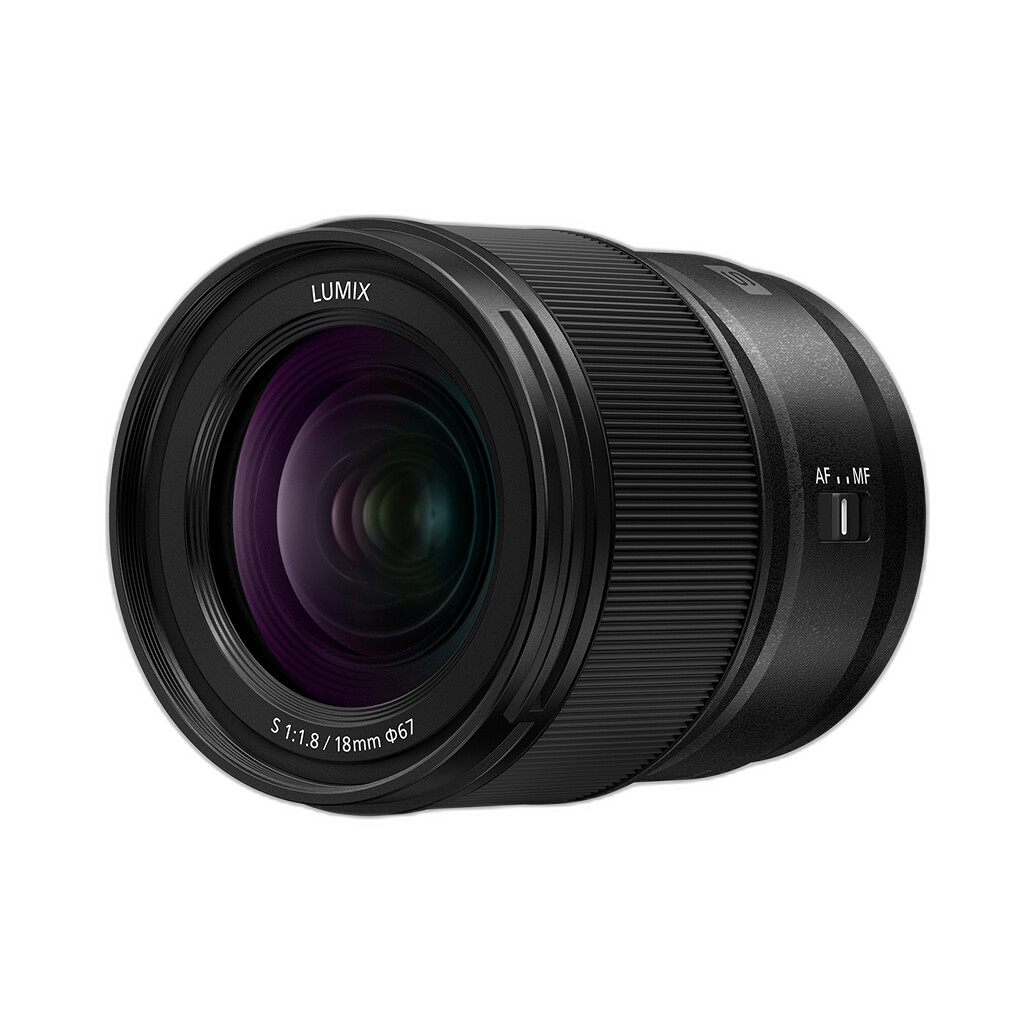
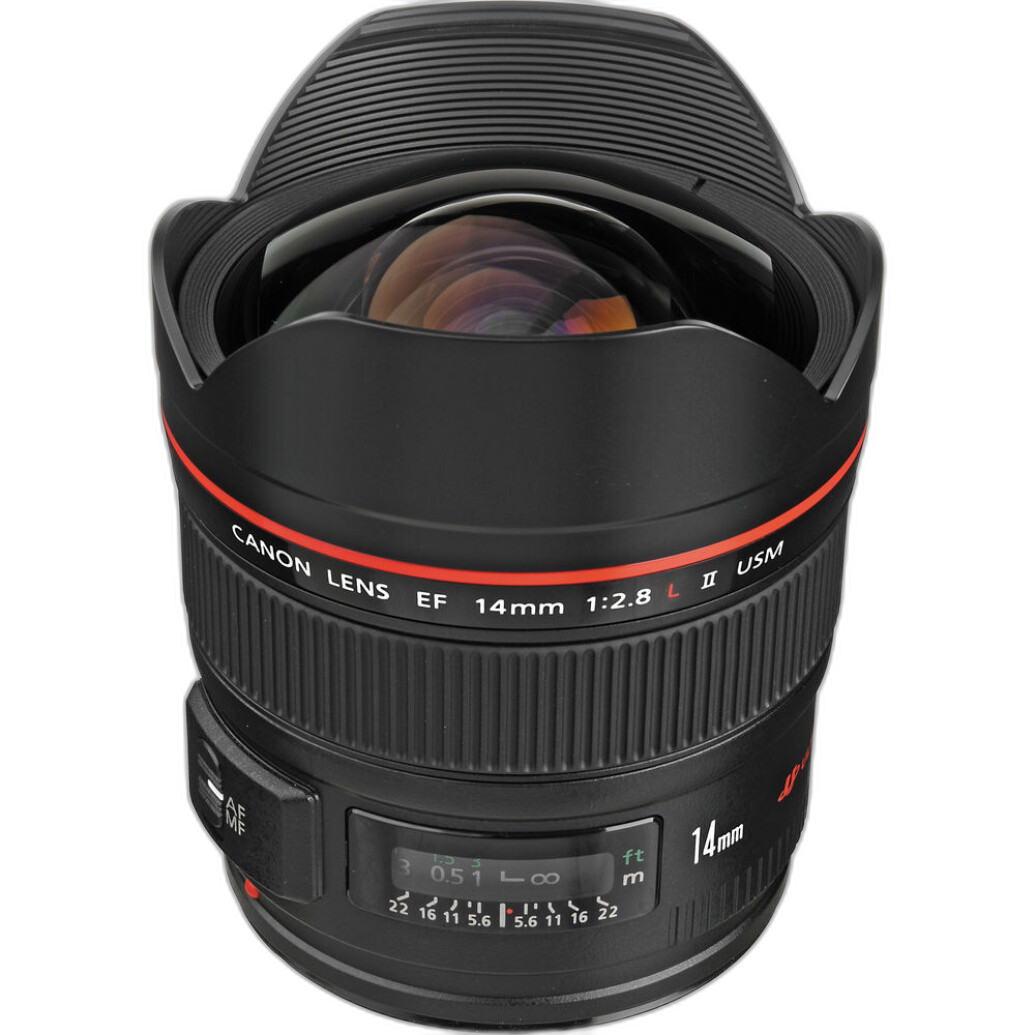
Modern lens profiles in editing software can correct barrel distortion and vignetting very effectively, but it is still best to get composition right in camera. Premium lenses such as the Panasonic Lumix S 18mm f/1.8 and Canon EF 14mm f/2.8L II USM are designed to deliver strong optical performance for photographers who care about edge-to-edge quality in landscapes.
Do polarizer filters work well on ultra-wide lenses?
They can, but they require a little extra care. A circular polarizer is useful for reducing glare on wet leaves, rocks, and water, and it can improve color saturation in foliage and skies. However, with very wide lenses, the sky may polarize unevenly because different parts of the frame are capturing light at different angles to the sun.
That means you may see one part of the sky appear much darker than another, especially around midday. For that reason, many landscape photographers use polarizers selectively on ultra-wide lenses rather than leaving them on full-time. They are often most helpful when controlling reflections, not necessarily when trying to darken a blue sky dramatically.
If you use one, rotate it carefully and watch the entire frame, not just the center. On extremely wide lenses, subtle adjustment usually looks more natural than maximum polarization.
Are fast apertures like f/1.8 or f/2.8 important for landscape photography?
In daylight landscape photography, you will often be shooting stopped down, so a fast maximum aperture is not always essential. That said, there are real benefits to lenses with brighter apertures. They make composition easier in dim light, support astrophotography, and give you more flexibility if you also shoot interiors, travel, or environmental portraits.
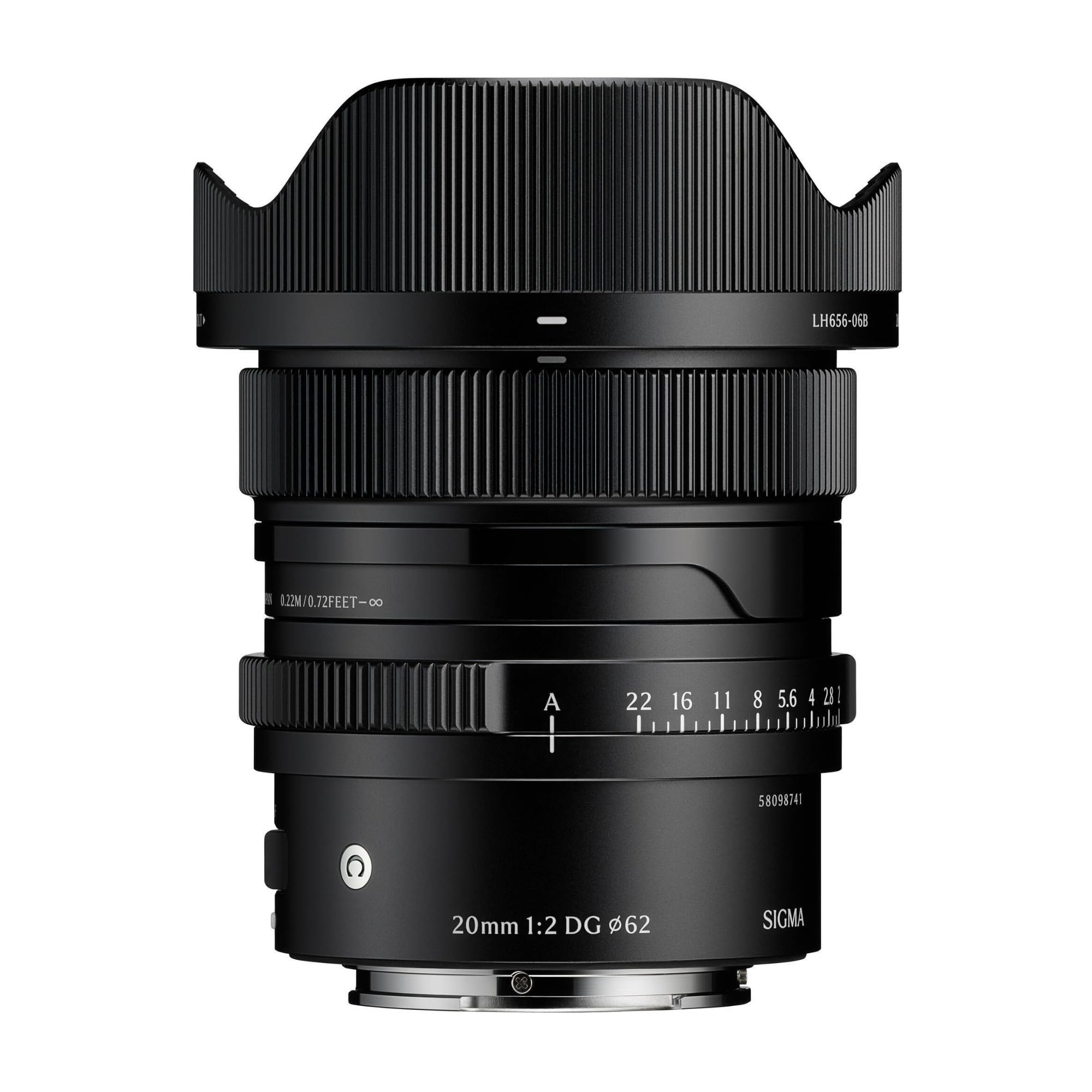
The Panasonic Lumix S 18mm f/1.8 is a strong option for L-Mount photographers who want a lightweight ultra-wide prime that can transition from landscapes to low-light creative work. Likewise, the Sigma 20mm F2 DG Contemporary Lens offers a compact, bright design for photographers who want an ultra-wide lens that is still easy to carry all day.
If your main use is traditional tripod-based landscape photography, a slower lens can still be an excellent choice. What matters most is optical quality, composition, and how well the focal length fits the way you see a scene.
What composition tips help ultra-wide landscapes look more dramatic?
Ultra-wide lenses shine when you include a strong foreground subject. A textured rock, patch of wildflowers, driftwood, or a leading trail can anchor the frame and pull the viewer into the scene. Without that foreground interest, a wide image may feel spacious but not especially compelling.
Try getting physically closer to your foreground than feels comfortable at first. Ultra-wide lenses exaggerate the sense of depth, so nearby elements can become powerful visual anchors. At the same time, be mindful of clutter around the frame edges, because the wider view makes it easy to accidentally include distracting branches, footprints, or bright objects.
Weather and light are also key. Side light, early morning glow, and stormy skies tend to add texture and dimension that pair beautifully with wide perspectives.
Which ultra-wide lens is right for my camera system and style?
The right choice depends on your mount, your budget, and whether you prefer a zoom or a prime. If you want framing flexibility, the Tamron 12-20mm f/2.8 Lens for Nikon Z is a practical landscape tool for Nikon Z users. If you want an affordable prime, the Viltrox AF 16mm 1.8 Z or Viltrox AF 20mm 2.8 Z can be great entry points depending on how wide you want to go.
L-Mount photographers looking for a refined prime should consider the Panasonic Lumix S 18mm f/1.8. Canon DSLR shooters who want a classic ultra-wide field of view can look to the Canon EF 14mm f/2.8L II USM. And for photographers who value compact size, the Sigma 17mm F4 DG Contemporary and Sigma 20mm F2 DG Contemporary are both attractive options for travel-friendly landscape kits.
If budget is the deciding factor, a used lens such as the Used Rokinon 14mm f/2.8 Lens for Nikon Z - Good can be a very sensible way to start experimenting with ultra-wide composition before investing in a newer premium model.
Ultra-wide landscape photography is one of the most rewarding ways to capture scale, atmosphere, and perspective. If you are ready to add a new lens to your kit, explore ultra-wide options at Unique Photo and find the focal length that matches your style, your system, and the places you love to photograph.