If you’re building out your camera kit and trying to decide where your money should go first, the tripod-versus-gimbal debate comes up fast. Both tools solve stability problems, but they do it in very different ways. A tripod gives you locked-off precision, repeatable framing, and a rock-solid base for photography and video. A gimbal gives you motion, smoother walking shots, and a more cinematic feel when the camera needs to move with your subject.
The right first investment depends less on what looks more exciting and more on how you actually shoot. Below are a few practical tips to help you decide where to start.
1. Start with a tripod if you shoot more stills than motion
Why a tripod usually comes first for photographers
If your work is mostly portraits, landscapes, architecture, long exposures, product photography, or studio content, a tripod is often the smarter first purchase. It improves sharpness, helps with composition, and opens up techniques that handheld shooting simply can’t match. Even many hybrid shooters find that a tripod gets used more often day to day because it supports both photo and video work.
A solid used option can also stretch your budget further. For example, a Used GITZO GT3540 Carbon Fiber Tripod - Fair can make a lot of sense for creators who want dependable support without jumping straight into a brand-new stabilization system.
- Choose a tripod first if you often work with static subjects.
- It’s especially useful for low-light shooting and precise framing.
- It also gives you a stable platform for interviews, tutorials, and overhead setups.
2. Choose a gimbal first if your style depends on movement
When camera motion is part of the story
If you mostly shoot video and want to follow people, move through spaces, or create polished walkthrough footage, a gimbal may be the better first investment. It’s especially worthwhile for weddings, events, real estate, travel films, and solo filmmaking where smooth motion adds production value right away.
For many creators, something like the DJI RS 4 Gimbal Stabilizer is a strong entry into more advanced stabilized shooting, while the DJI RS 4 Pro Combo fits shooters building a more robust production setup.
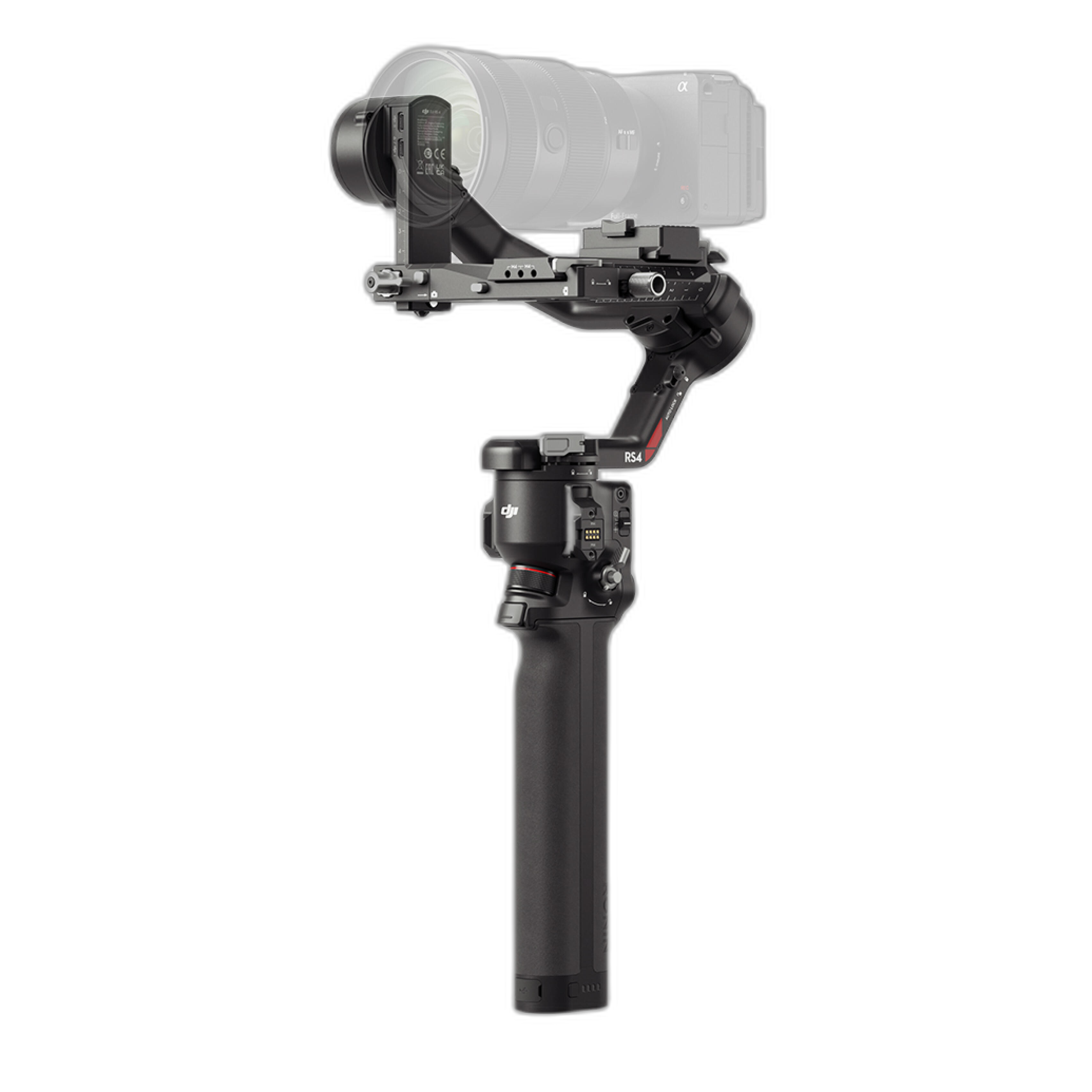
The key question is simple: do your shots need to move? If yes, a gimbal may impact your work more immediately than a tripod.
3. Be honest about your camera size and shooting endurance
The best stabilization tool is the one you’ll actually carry
One reason some buyers regret starting with a gimbal is that they underestimate setup time, balancing, and fatigue. Larger gimbals are powerful, but they’re not always ideal for casual creators or lightweight mirrorless users who want something fast and portable.
If compactness matters, the DJI RS 4 Mini or DJI RS 4 Mini Combo may be a more realistic fit for everyday use. Likewise, the Zhiyun CRANE M3S Handheld Gimbal Stabilizer Combo is appealing for smaller camera builds and creators who want smoother footage without carrying a heavier rig all day.
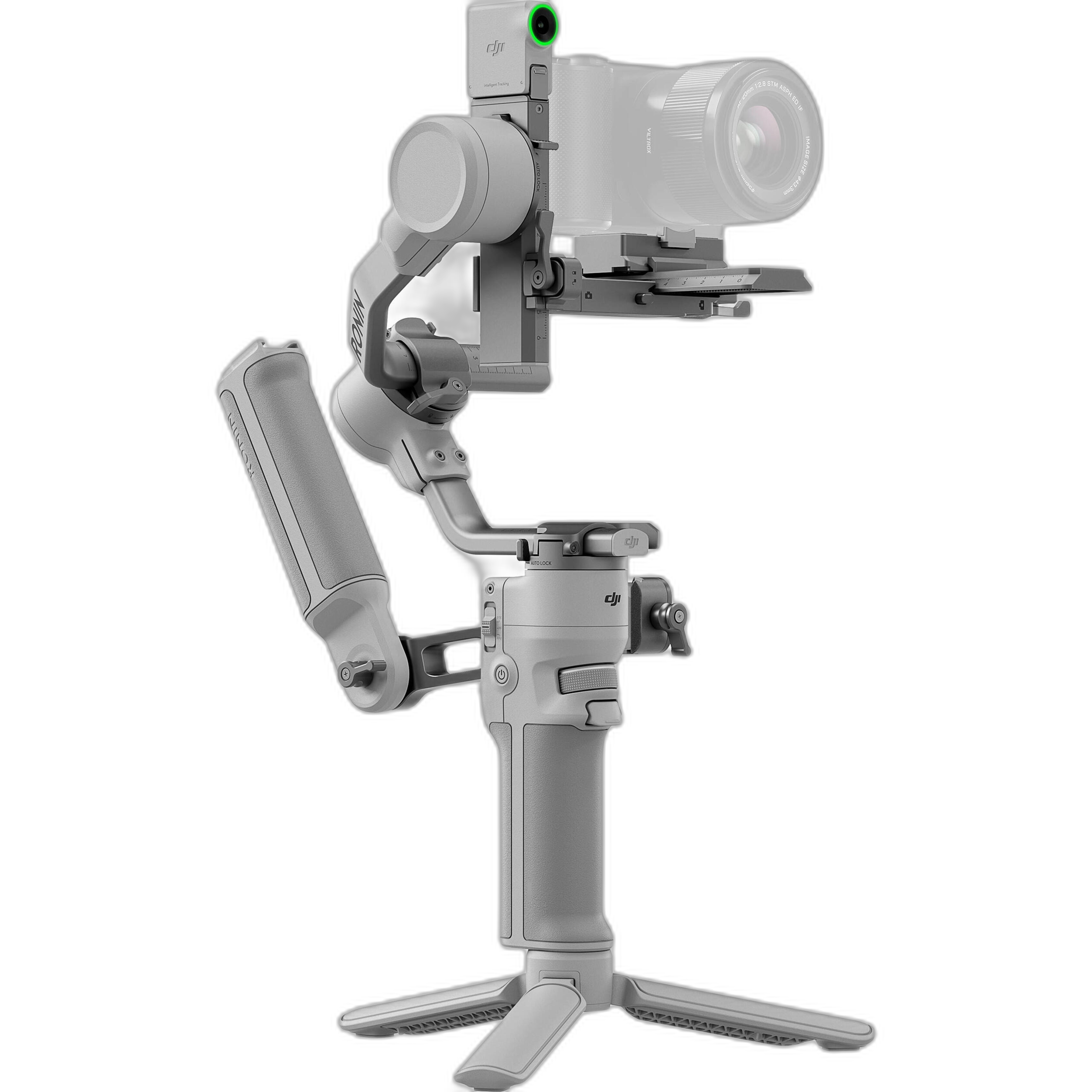
- Smaller camera setup: consider a compact gimbal.
- Heavier lenses or cinema accessories: step up to a more capable stabilizer.
- If you hate extra setup, a tripod may still be the more practical first purchase.
4. Think about your most common shooting scenarios
Match the tool to the job, not the trend
Before buying anything, list the kinds of projects you shoot most often. This usually makes the answer obvious.
- Interviews, talking-head videos, livestreams: tripod first.
- Real estate walkthroughs, wedding entrances, travel B-roll: gimbal first.
- Landscape photography, astrophotography, long exposures: tripod first.
- Dynamic brand videos, music videos, event coverage: gimbal first.
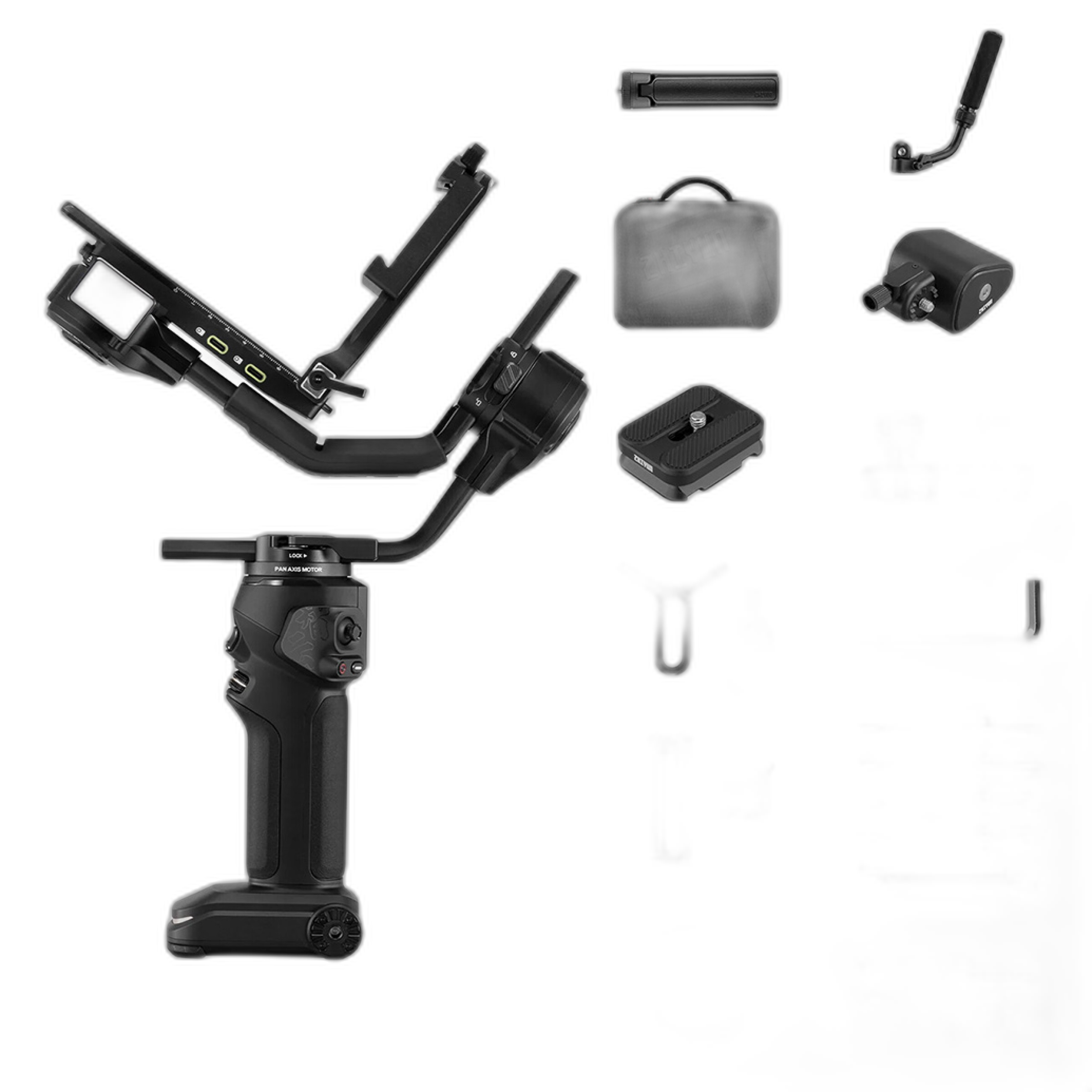
If your work lands in the cinematic video category, a more feature-rich option like the Zhiyun CRANE 4 3-Axis Handheld Gimbal Stabilizer Combo Kit or the DJI RS 4 Pro Combo could be worth considering as your first major stabilization purchase.
5. Budget buyers should consider used gear strategically
Get the biggest improvement for the least money
If budget is tight, the smartest first investment is usually the tool that solves your most frequent problem. For many people, that’s still a tripod. But if your business depends on moving shots, exploring used gear can be a practical way in. A Used DJI Ronin 1 Gimbal - Good Condition may appeal to creators who want to experiment with stabilized motion before committing to a newer system.
Used gear works best when you know exactly how you’ll use it. If you’re still figuring out your style, a tripod is often the safer bet because it has such a broad range of uses.
6. Hybrid shooters should prioritize versatility
What helps you create more kinds of content right now?
If you split your time evenly between photo and video, ask which purchase gives you the widest immediate benefit. A tripod usually wins on versatility because it supports self-portraits, group shots, product work, time-lapses, remote triggering, and static video. A gimbal is more specialized, but its value jumps dramatically if your clients expect polished motion.
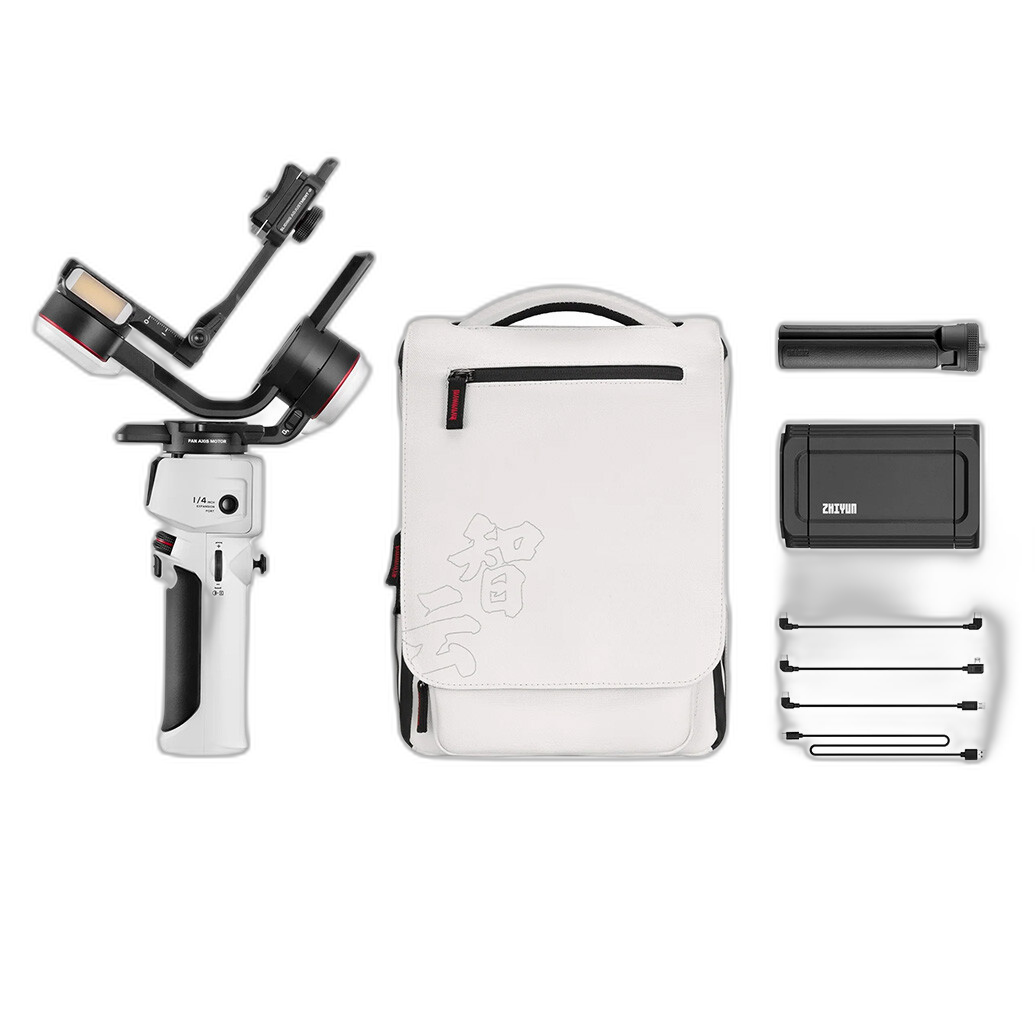
For creators leaning more heavily into video, the DJI RS 4 line offers options ranging from lighter kits to pro-ready builds, while Zhiyun choices like the CRANE M3S and CRANE 4 help cover everything from compact mirrorless setups to more ambitious productions.
7. The simplest rule: buy for the shots you miss most often
Let your frustrations guide your first purchase
If you keep missing smooth movement, buy a gimbal. If you keep struggling with camera shake, composition consistency, long exposures, or fixed interview shots, buy a tripod. Your first support tool should remove the obstacle that shows up in your workflow every week.
There’s no universal winner between tripods and gimbals. There’s only the right first choice for your shooting style, camera setup, and budget.
Conclusion
For most photographers and many hybrid creators, a tripod is still the smartest first investment. For video-first shooters chasing motion and production value, a gimbal can transform your footage right away. Start with the tool that solves your most common problem, and build from there. If you’re ready to compare stabilization options, Unique Photo is a great place to explore gimbals, support gear, and used equipment that fits the way you shoot.