Travel Photographers’ Tips for Choosing a Camera That Balances Portability, Durability, and Image Quality
Ask a dozen travel and landscape photographers what makes a camera “right,” and you’ll hear the same chorus: carry it all day, trust it in rough weather, and love the files when you get home. The best kit balances portability, durability, and image quality—without turning your shoulder into a stress test. Here’s how experienced shooters make smart choices before the trip, not after.
Field-Tested Tips
1) Think in systems, not just bodies
It’s not the camera alone that weighs you down—it’s the lenses, batteries, chargers, filters, and the bag that moves it all. Start by setting a realistic weight budget for your complete kit, then choose a camera and two-lens setup that fits inside it.
- Set a target carry weight for your daypack (for many, 8–12 lb is a sweet spot).
- Favor a small, sharp prime plus a general-purpose zoom or a two-prime combo for landscapes.
- Account for chargers and power; these add up fast.
2) Prioritize durability—and back it up with support
Weather sealing, a tough chassis, and reliable shutters matter when you’re crossing passes or shooting sea spray. Pros also plan for the “what ifs” with the right coverage and service options. If you shoot on rugged assignments, extended protection can keep you moving if the unexpected happens.
For instance, cine/hybrid shooters running a RED KOMODO-X often add coverage like the RED Extended Warranty to keep mission-critical bodies working through a long travel season.
On the stills side, brand-backed plans like Nikon Care can offer peace of mind for everyday travel wear and tear. Consider your destination’s climate, how often you shoot in rain or dust, and how fast you’d need service mid-trip.
3) Choose smart glass for landscapes
For open vistas and cityscapes, a compact wide-angle prime gives you crisp corners and low distortion without the bulk. Lightweight lenses also reduce fatigue on long hikes and help keep your camera setup nimble on windy summits.
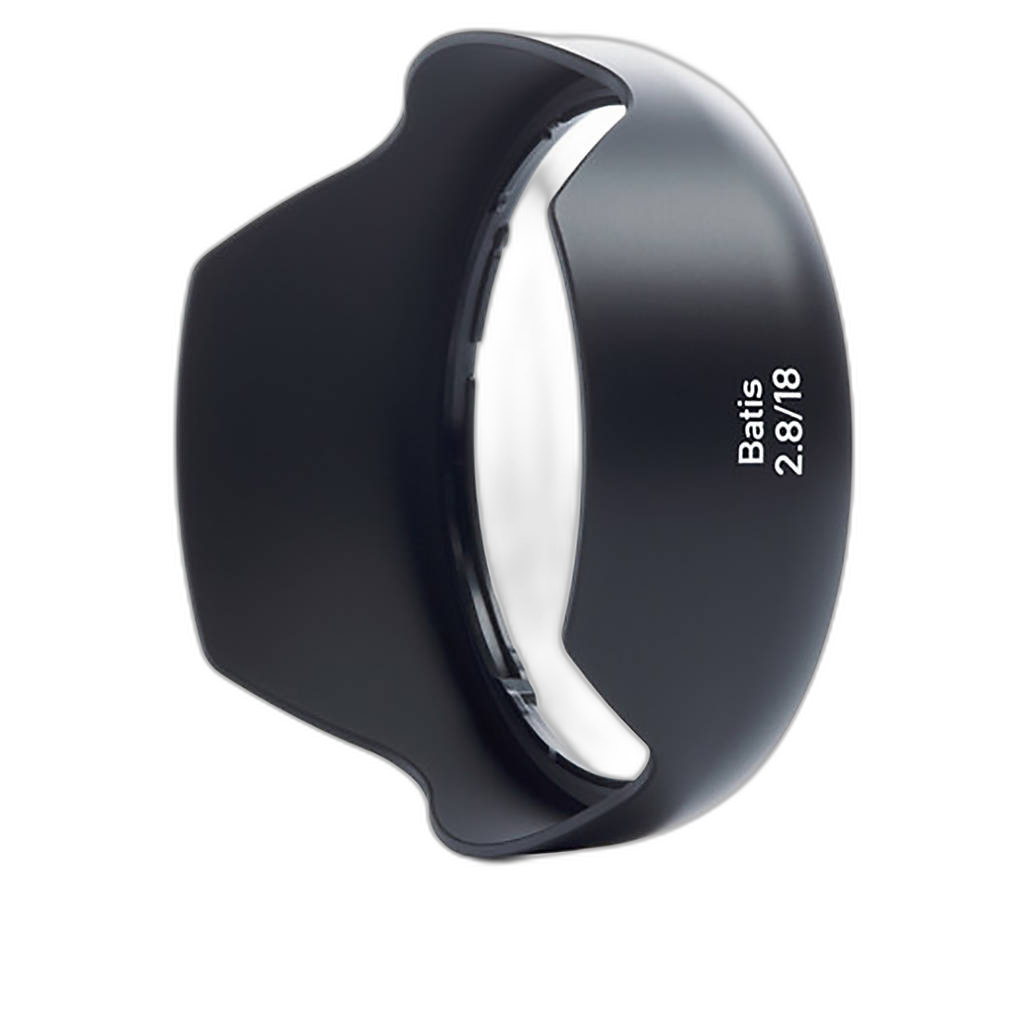
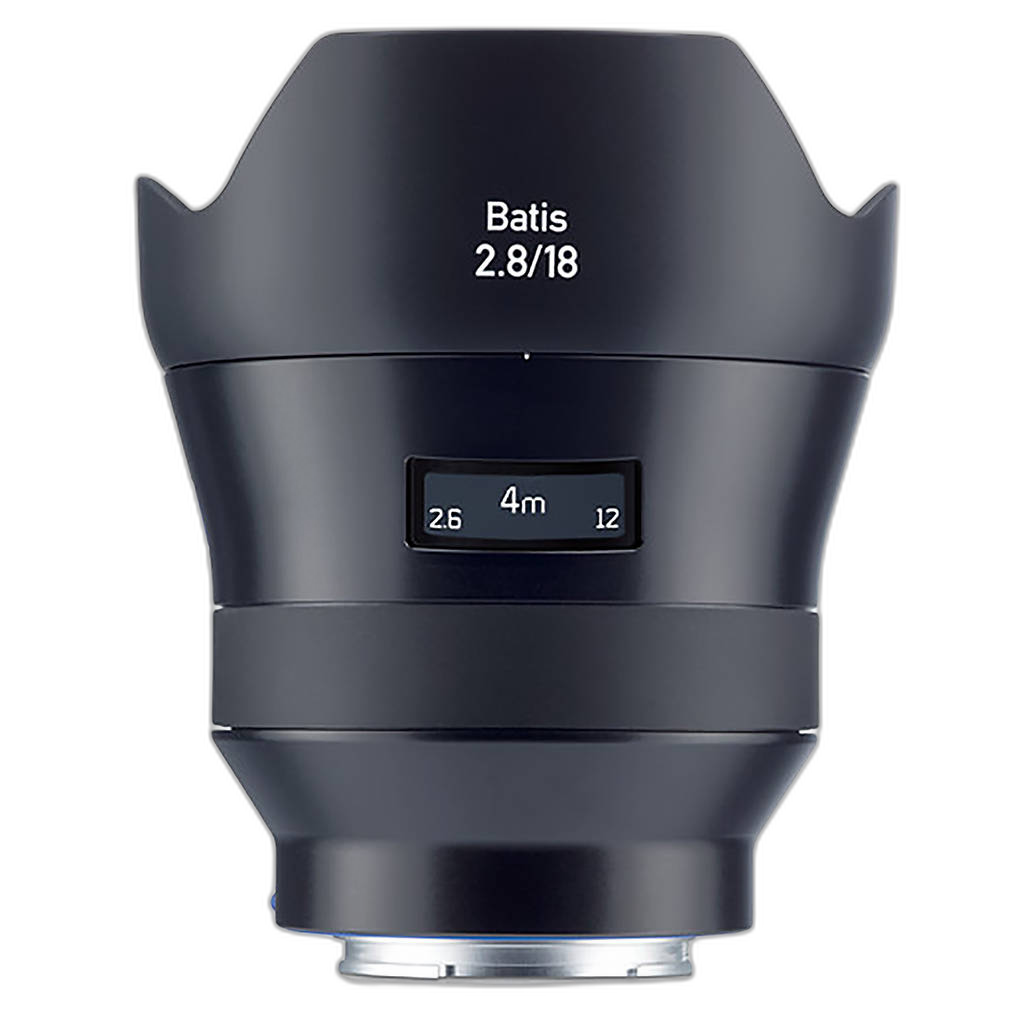
Many Sony full-frame shooters love a compact ultra-wide prime; for example, the Zeiss Batis 18mm f/2.8 blends travel-friendly size with excellent edge-to-edge sharpness and fast autofocus—ideal for twilight landscapes and tight interiors where you can’t step back.
- Tip: If you hike before sunrise, favor lenses with minimal focus breathing and weather resistance.
- Carry one ultra-wide and one normal/short-tele; you’ll cover 90% of landscape scenes with less weight.
4) Make your camera effortless to carry
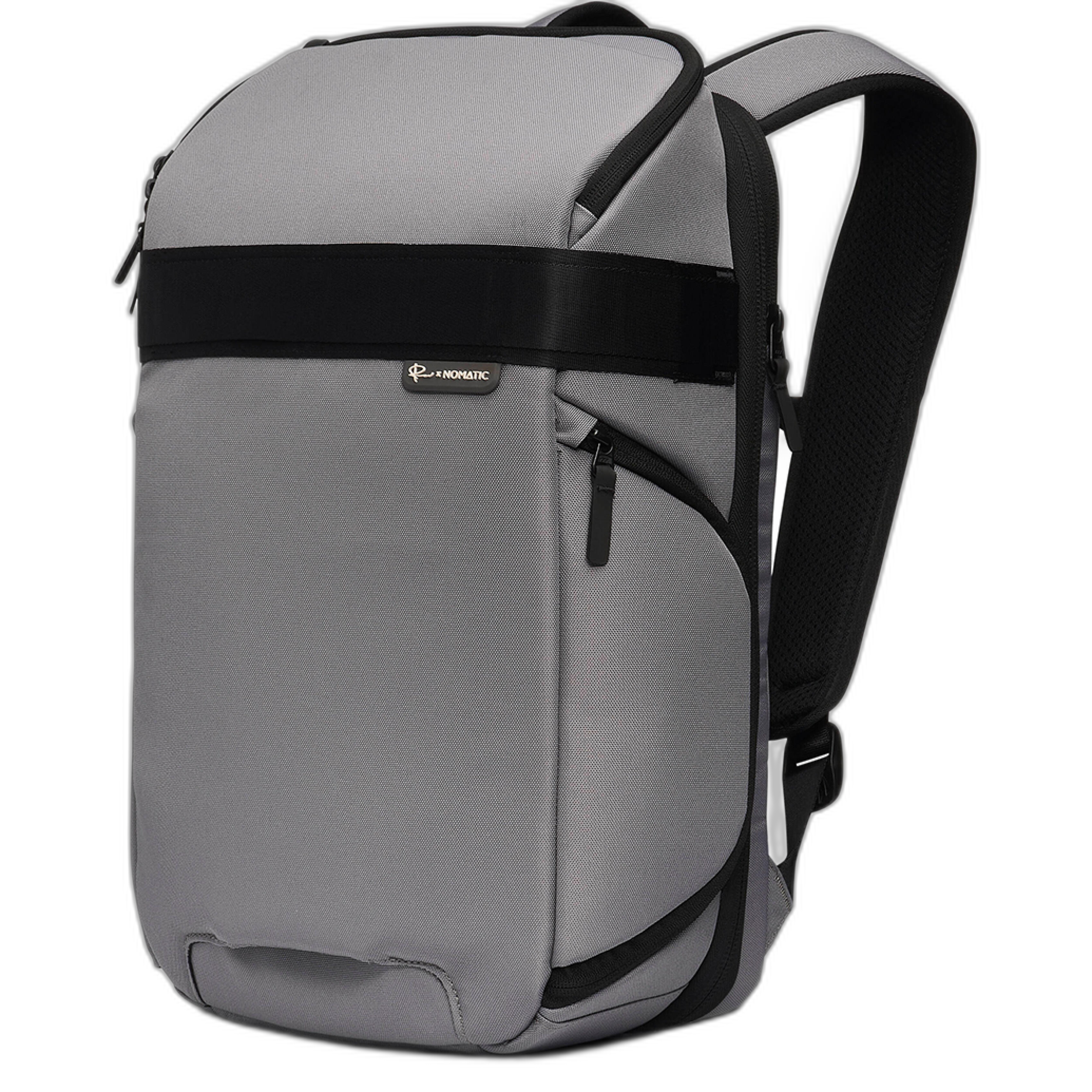
Travel photographers favor bags that disappear on your back and keep gear organized. A streamlined, 18L daypack is often the sweet spot for a body, 2–3 lenses, layers, snacks, and a bottle. The Nomatic Luma Camera Pack 18L packs camera-ready structure into a nimble silhouette that’s easy to stow in overhead bins or under seats, with quick access when you round a bend and the light is perfect.
Pair your bag with a comfortable, low-profile strap. The PGYTECH Camera Strap Slim (Vintage-Olive Green) adds fast-adjust comfort so your camera stays ready without digging into your shoulder during long walks.
5) Power you can trust on the road
Cold mornings and long exposures drain batteries. Build redundancy: two to three batteries for stills, more for hybrid/video, and reliable AC power for overnight charging. If you shoot Blackmagic Pocket Cinema Camera on the road, a dedicated power solution like the Blackmagic Design Power Supply for Pocket Cinema Camera helps keep your rig topped up between locations and back at the hotel.
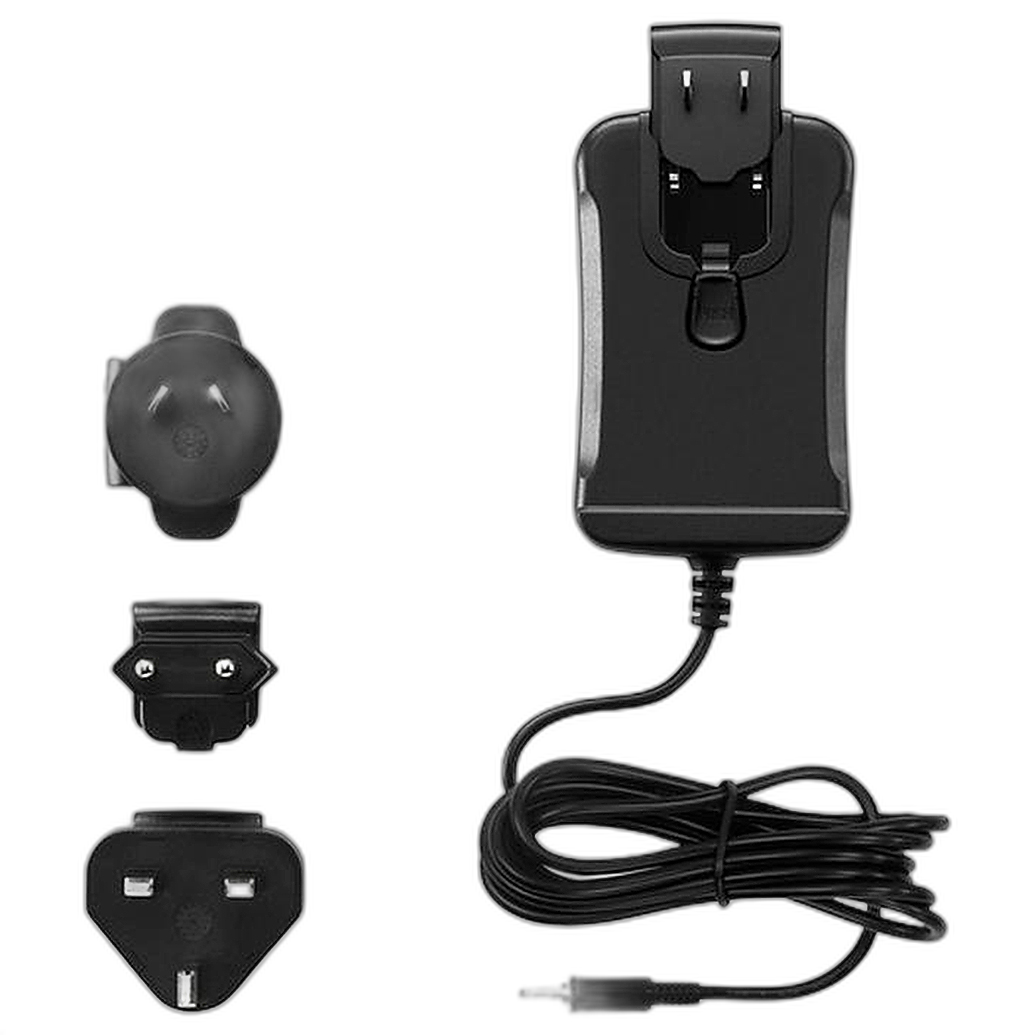
- Pack chargers that are compact and work worldwide with plug adapters.
- Stagger charging each night to avoid a single point of failure.
6) Consider a simple film companion
Many travelers carry a compact film camera for a slower, intentional pace. A classic like a Used Polaroid SX-70 Alpha 1 (in Good condition) can turn road moments into tangible keepsakes. If you explore vintage gear, read condition notes carefully: “As-Is” items—like a Used Ermanox Ernemann noted as needing a shutter replacement—may be perfect for collectors but require service before a trip. Matching the tool to your travel timeline is part of durability.
7) Test-drive before you fly
Do a 48-hour shakedown hike with your full kit. Walk the miles, shoot sunrise to night, and note what you didn’t use. Practice swapping lenses with gloves, managing condensation, and cleaning your kit. If something feels fiddly at home, it’ll be worse at 12,000 feet.
- Can you access the camera without removing the bag?
- Is the strap comfortable for hours?
- Are the files meeting your print and edit needs?
Conclusion
The right travel camera isn’t the lightest or the toughest or the sharpest—it’s the best balance for how and where you shoot. Build a system around your weight budget, pack for the weather, choose lenses that fit your style, and support your gear with smart bags, power, and protection. If you want hands-on advice, visit or chat with the team at Unique Photo—we love helping travelers fine-tune a kit they’ll actually carry.