Intro: Using Sony Lens Compare Beta to Choose a Travel Lens
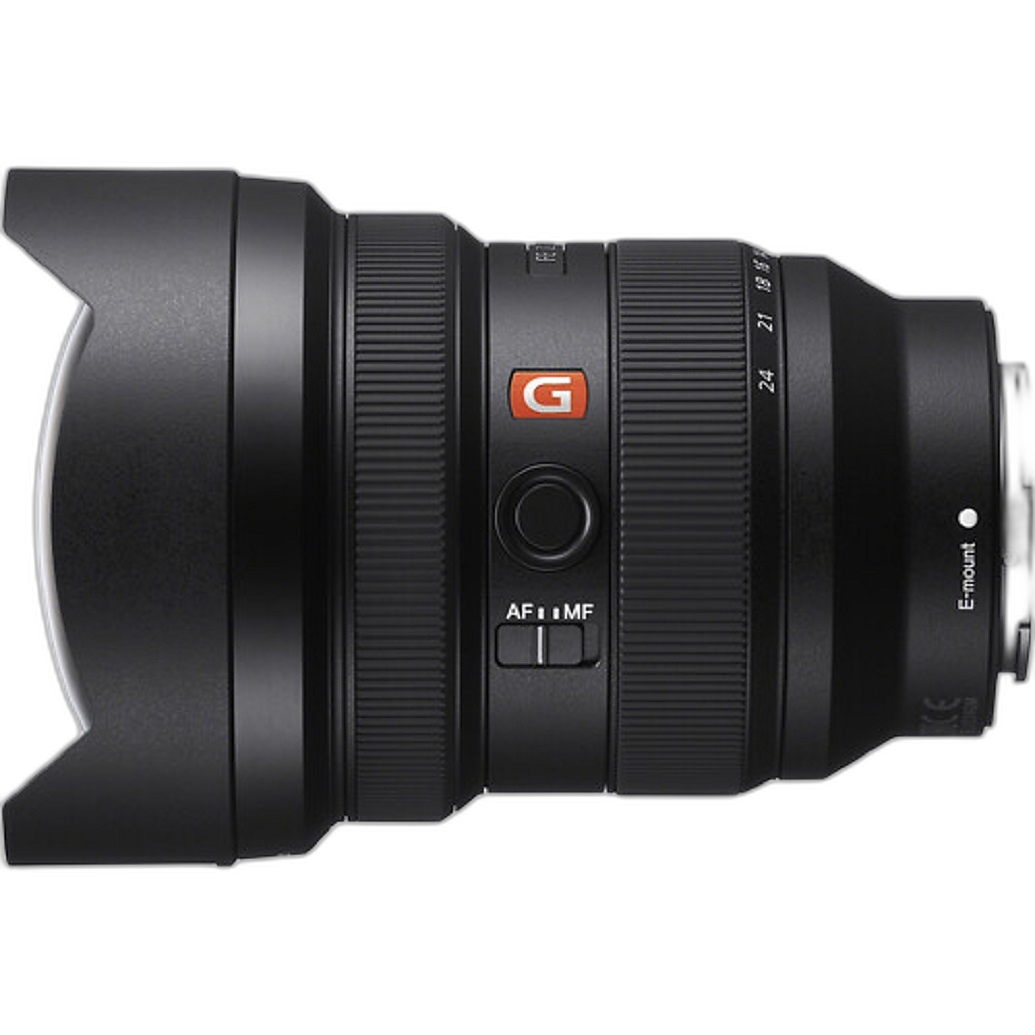
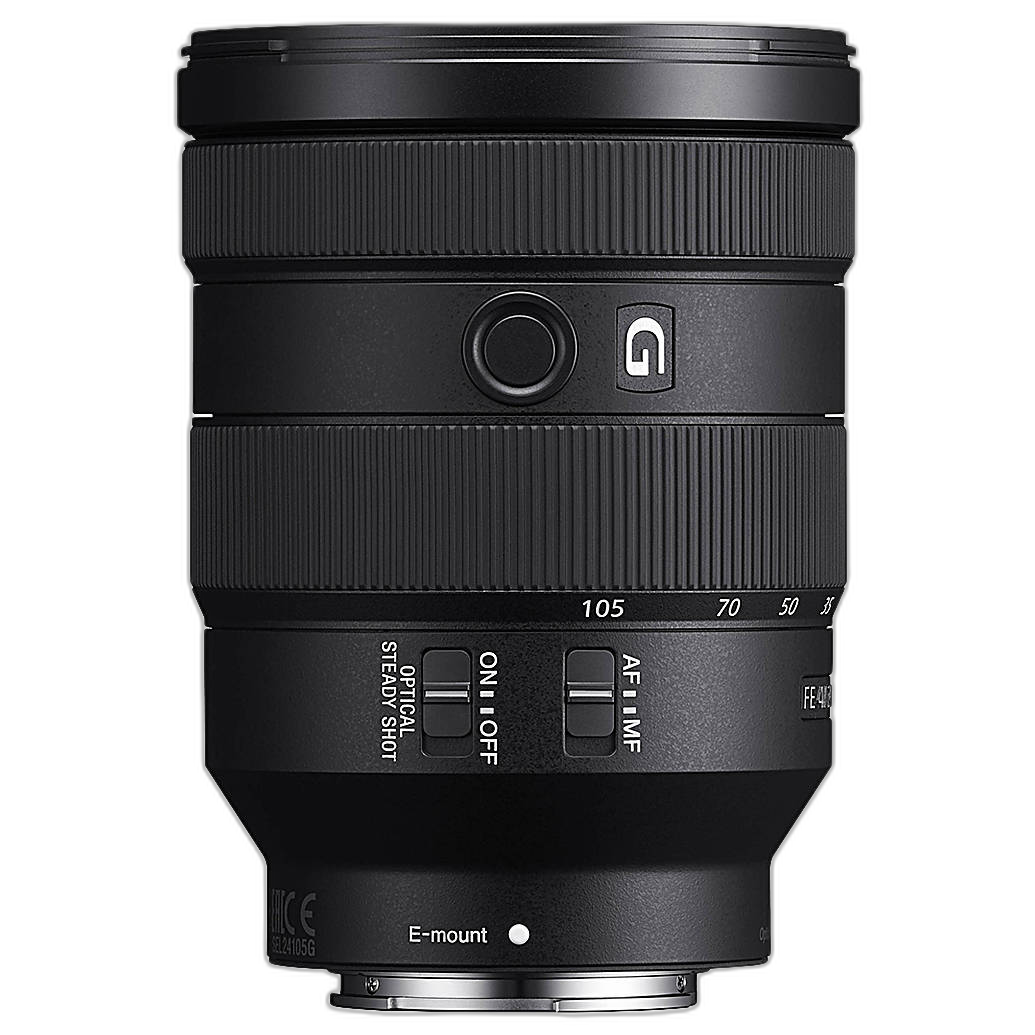
Planning a trip and stuck between lenses? Sony’s Lens Compare (Beta) makes it easy to visualize real-world tradeoffs—size, weight, field of view, close focus, stabilization, and MTF—so you can pick the best glass for your itinerary. To show you exactly how to use it, we’ll run a head-to-head comparison of two travel-worthy full-frame Sony E-mount zooms: the ultra-wide Sony FE 12–24mm f/2.8 GM and the all-purpose Sony FE 24–105mm f/4 G OSS. We’ll pair practical tool tips with on-the-road advice so your choice is confident and carry-on friendly.
Quick Specs at a Glance
| Specification | Sony FE 12–24mm f/2.8 GM | Sony FE 24–105mm f/4 G OSS |
|---|---|---|
| Focal length range | 12–24mm ultra‑wide | 24–105mm standard-to-tele |
| Max aperture | f/2.8 (constant) | f/4 (constant) |
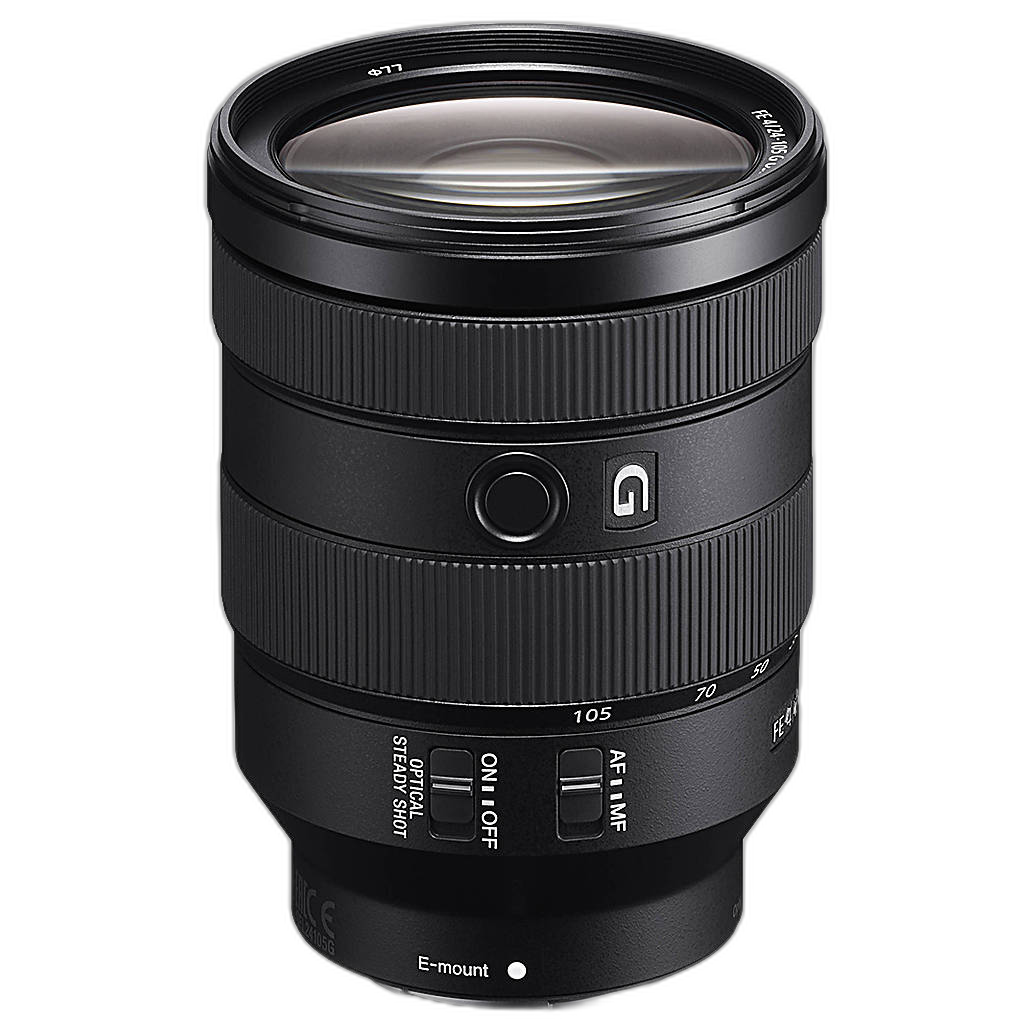
| Optical stabilization | No | Yes (OSS) |
| Weight | ~847 g | ~663 g |
| Size (DxL) | ~97.6 x 137 mm | ~83.4 x 113.3 mm |
| Filter compatibility | No front threads; rear gel slot | 77mm front filter |
| Minimum focus distance | ~0.28 m | ~0.38 m |
| Max magnification | ~0.14× | ~0.31× |
| Weather sealing | Yes | Yes |
| Best for | Landscapes, interiors, architecture, astro | One-lens travel, street, portraits, details |
How to Use Sony Lens Compare Beta (Step-by-Step)
- Select your camera body to see accurate weight/balance and stabilization impact.
- Add both lenses to compare: FE 12–24mm f/2.8 GM and FE 24–105mm f/4 G OSS.
- Toggle the field-of-view preview to visualize framing at 12, 24, 50, 105mm.
- Check size & weight side-by-side to gauge carry comfort and balance.
- Review stabilization: OSS on the 24–105mm helps for hand-held stills/video.
- Open the MTF charts to compare wide-open edge performance for landscapes/architecture.
- Look at close-focus and magnification for food, details, and small subjects.
- Inspect vignetting/distortion profiles (and correction options) at key focal lengths.
- Preview bokeh examples at portrait distances (the 24–105mm at 70–105mm vs 12–24mm near-min focus).
- Decide based on your trip: shooting style, light levels, and how many lenses you want to carry.
Category-by-Category Analysis
Portability & Packing
The FE 24–105mm f/4 G OSS is the lighter, shorter package and takes standard 77mm filters—great for a minimal kit. The FE 12–24mm f/2.8 GM is larger and uses a bulbous front element (no standard filters), which can complicate travel filter kits.
Versatility & Range
With 24–105mm coverage, the G OSS spans street, portraits, landscapes, and tight details without swapping lenses. The 12–24mm GM specializes in sweeping perspectives and tight interiors; pair it with a fast 50 or 70–200mm if you need reach.
Low Light & Night Scenes
At the same focal length, f/2.8 gives the GM an edge for night cityscapes and astro. However, the 24–105mm fights back with OSS for slower hand-held shutter speeds, especially helpful at the long end for twilight scenes.
Stabilization & Handheld Video
The 24–105mm’s OSS stabilizes both stills and video, complementing IBIS for steadier handheld clips and smoother pans. The 12–24mm lacks OSS, but its ultra-wide angle naturally minimizes shake; still, gimbal or IBIS helps for video.
Close Focus & Details
The 24–105mm achieves ~0.31× magnification—handy for food, textures, and small souvenirs. The 12–24mm’s ~0.14× magnification is more about dramatic foregrounds than true detail work.
Image Quality & Distortion Control
Both are optically excellent with modern correction profiles. The GM delivers standout edge-to-edge sharpness stopped down—a win for architecture and sweeping landscapes. The 24–105mm is impressively consistent through much of its range, with a practical rendering that suits everyday travel photography.
Bokeh & Subject Isolation
For subject separation, the 24–105mm at 70–105mm naturally renders softer backgrounds, despite f/4. The 12–24mm can blur backgrounds at near-minimum focus, but subject isolation is not its primary strength.
Video Features & Handling
Both offer fast, quiet AF and well-damped controls. The 24–105mm’s OSS and broader range make it a strong single-lens video solution. The 12–24mm shines for dynamic establishing shots, interiors, and gimbal work.
Value for Travel
If you want one lens to do almost everything, the 24–105mm f/4 G OSS maximizes flexibility and minimizes kit weight. Choose the 12–24mm f/2.8 GM if your itinerary is dominated by landscapes, interiors, architecture, or night skies—and you’re comfortable adding a second lens for reach.
Real-World Scenarios
- City Break: 24–105mm covers street, food, museums, and portraits without swaps.
- Road Trip – National Parks: 12–24mm for sweeping vistas and interiors; add a lightweight tele for wildlife and details.
- Historic Architecture: 12–24mm reduces backing up in tight spaces; stop down for crisp edges.
- Low-Light Evenings: GM’s f/2.8 helps keep ISO down; the 24–105mm’s OSS helps hand-held if you can accept slower shutter speeds.
Our Pick
Best All-Around Travel Lens: Sony FE 24–105mm f/4 G OSS
It’s lighter, stabilized, filter-friendly, and spans wide to short-tele for a true one-lens travel solution. For most trips—and especially for video or hand-held shooting—the 24–105mm is the practical winner.
Specialist’s Choice: If your travels prioritize ultra-wide scenes, tight interiors, or astro, the Sony FE 12–24mm f/2.8 GM delivers spectacular results—just plan for an additional lens to cover normal-to-tele ranges.
Final Tips and Conclusion
Use Sony’s Lens Compare (Beta) to validate your decision: preview framing at your favorite focal lengths, compare MTF wide open vs stopped down, and weigh the stabilization and close-focus differences against your shooting style. Then handle both lenses in person if you can to confirm balance and packability.
Ready to travel light and shoot more? Visit Unique Photo to explore these Sony lenses, ask questions, and get hands-on before you fly.