Spec-Driven vs. Image-Driven: Using the Beta Tool to Choose a Travel Lens
Forum regulars agree: the fastest path to the right travel lens is learning how to steer the Beta tool with intent. Two proven strategies emerge—Spec-Driven (filter hard by features) and Image-Driven (judge by real-world samples). Below, we compare both approaches, show how to read sample images for different travel scenarios, and share practical tips crowdsourced from seasoned travelers.
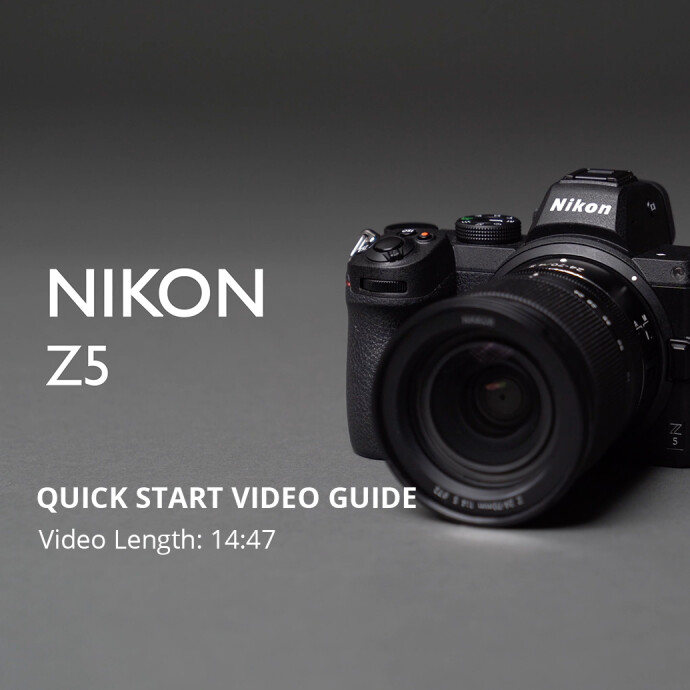
New camera? A quick refresher on body settings helps you interpret lens behavior more accurately in the Beta tool.
Side-by-Side: Two Ways to Drive the Beta Tool
| What You're Comparing | Spec-Driven Workflow | Image-Driven Workflow |
|---|---|---|
| Goal | Quickly narrow to lenses that meet must-have features. | Prioritize how images look in real scenes you care about. |
| Typical Inputs | Weight limit, focal range, max aperture, stabilization, weather sealing, budget. | Sample galleries with travel scenes; 100% crops; user notes; varied apertures and focal lengths. |
| Time to Shortlist | Fast—filter first, then confirm with samples. | Moderate—review multiple galleries before trimming options. |
| Strengths | Eliminates non-starters; perfect for packing constraints and tough conditions. | Catches intangibles (color, bokeh, flare resistance, microcontrast) that specs miss. |
| Blind Spots | Specs can’t predict rendering character or field curvature nuances. | Easy to misread images taken at different settings or processed differently. |
| Best For | Minimalist packers; hikers; travelers expecting rain, dust, or long days. | City shooters; portrait and food lovers; anyone picky about “look.” |
| How to Use Samples | Validate AF, stabilization, and edge sharpness in worst-case shots. | Evaluate color, bokeh transitions, flare, distortion in real scenes. |
| Risk of Bias | Over-valuing lab metrics; ignoring rendering character. | Over-valuing one good/bad gallery; missing technique differences. |
| Best Next Step | Confirm with 2–3 travel-like sample sets at key focal lengths. | Backfill must-have spec checks before deciding. |
Deep-Dive Analysis
1) Feature Prioritization: What to Lock In First
Forum users suggest starting with non-negotiables:
- Weight/Size: Under ~500g for all-day city walking; allow more for safari or long reach.
- Focal Range: 24–105mm equivalent covers most trips; 16–35mm excels for architecture; 70–300mm for wildlife.
- Aperture & Stabilization: f/2.8–f/4 and optical/IBIS stabilization for dusk and interiors.
- Weather Resistance: Crucial for coastal, alpine, or monsoon travel.
- Close Focus: Handy for food, details, and souvenirs.
2) Reading Sample Images: A Field Checklist
When you open a lens’s gallery in the Beta tool, forum experts recommend checking:
- Edge-to-Edge Sharpness: Look at corners at wide and mid apertures for architecture and landscape.
- Microcontrast and Color: Fine texture and tonal depth reveal how “alive” images feel.
- Bokeh and Transitions: Background blur smoothness and the way focus rolls off helps for portraits and food.
- Flare & Ghosting: Check into-the-sun shots; look for veiling and colored blobs.
- Distortion & Coma: Straight lines for cityscapes; star points for night scenes.
- Field Curvature: Subjects at the edge in flat scenes should still sit in focus as expected.
Light quality changes how lenses render. Balanced flash or fill simulates clean daylight and makes bokeh character easier to judge in sample sets.
3) City & Street: One Lens to Do It All
Spec-Driven: Lock a 24–70 or 24–105 range, weight under 700g, and stabilization. Then verify at 24mm and 70mm corners for architecture and signs.
Image-Driven: Favor samples with backlit storefronts and neon at dusk. Look for contrast retention and flare control; check skin tones in candid portraits.
4) Landscapes & Architecture: Control the Edges
Spec-Driven: Prioritize 16–35 or 14–30 with strong edge MTF and weather sealing.
Image-Driven: Inspect brick walls, horizon lines, and sunstars at f/8–f/11; examine distant foliage microcontrast to avoid mushy textures.
5) Food & Interiors: Low Light without the Tripod
Spec-Driven: Aim for f/2.8–f/4 and solid stabilization; check close-focus distance.
Image-Driven: Zoom into flat, warm-lit scenes. Strong lenses keep contrast and color fidelity; watch for color shifts and smeared corners at wide apertures.
6) People & Portraits: The “Look” Matters
Spec-Driven: Confirm focal lengths between 35–85mm and consistent AF performance.
Image-Driven: Study eye-lash sharpness, skin tone rendering, and background transition. Avoid “nervous” bokeh and harsh edge outlines around hair.
7) Wildlife & Distant Subjects: Reach vs. Packability
Spec-Driven: Set a minimum of 200–300mm with reliable stabilization. Consider a compact tele zoom to stay under airline weight limits.
Image-Driven: Check feather/fur detail and distant heat-haze performance; look for stabilizer effectiveness at 1/250s and slower.
8) Size, Weight, and Carry Strategy
Forum consensus: If you hesitate between two lenses, pick the lighter one for city-heavy trips. Heavier tele options make sense for wildlife-driven itineraries—otherwise they stay in the hotel room and miss shots.
9) Budget and Value: Where to Spend
Spend for low-light and flare resistance if you shoot dusk, night markets, or interiors. Save by accepting slightly slower apertures if you mostly shoot mid-day travel scenes.
10) Beta Tool Power Tips from the Community
- Create two shortlists: one from hard specs and one from gallery favorites. Overlap = finalists.
- Compare at matching settings (f/4 vs f/4, same focal length) to avoid processing bias.
- Use 100% crops for edges, but step back to assess overall rendering and color.
- Favor sample sets with EXIF visible and multiple lighting conditions.
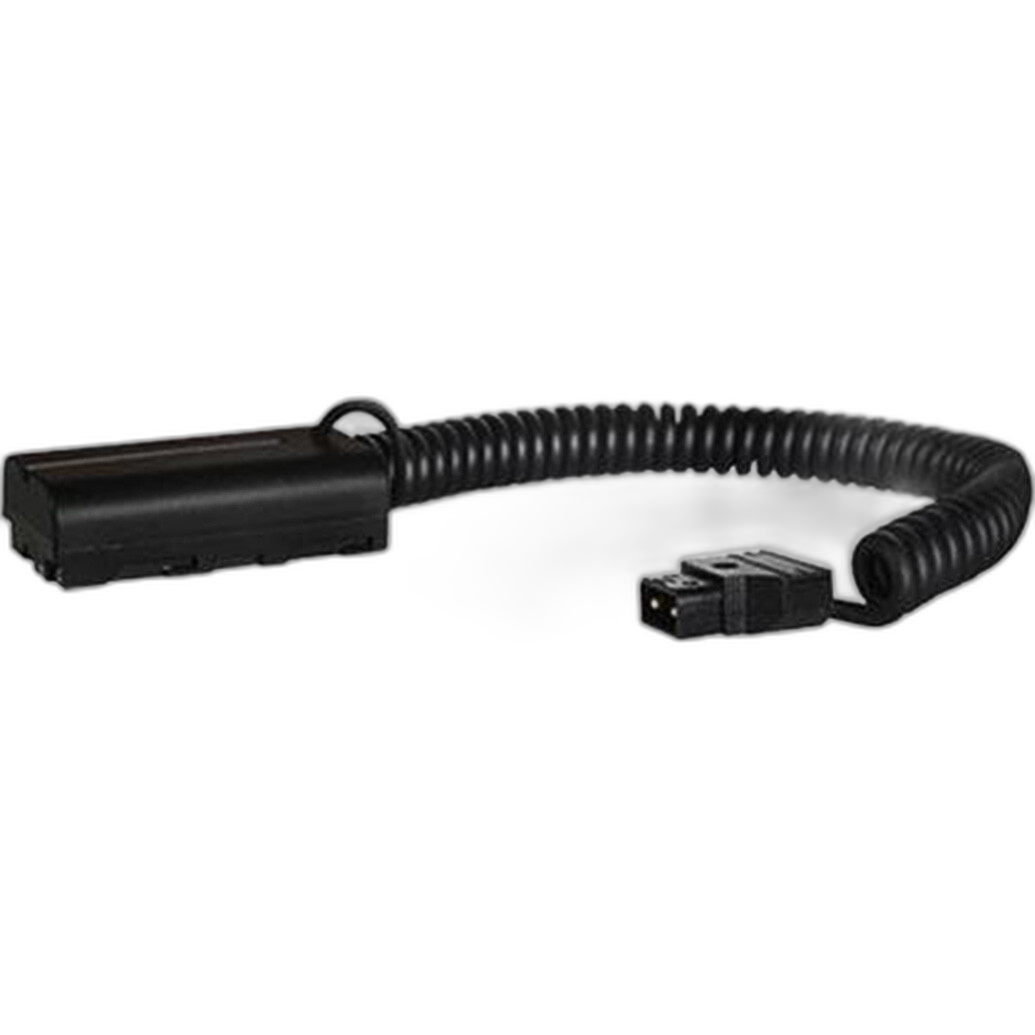
Video-forward travelers often add external power and lights. Stabilization and handling matter even more when rigs grow—another reason to weigh size during lens selection.
Our Pick: The Hybrid Method
If you’re using the Beta tool to choose a travel lens, our recommendation is a Hybrid approach: start Spec-Driven to set non-negotiables (range, weight, stabilization, weather sealing), then confirm using Image-Driven gallery review focused on your primary scenarios (city dusk, interiors, people). This keeps your shortlist practical while ensuring the “look” matches your taste.
- Start with 2–3 candidates that meet size/feature needs.
- Compare sample images at your most-used focal lengths and apertures.
- Pick the lens that consistently holds edge detail, resists flare, and delivers color/contrast you love.
Conclusion
The best travel lens is the one you’ll actually carry and love using. By combining Spec-Driven filtering with Image-Driven evaluation in the Beta tool, you’ll quickly land on a lens that fits your bag, your destinations, and your style. Need hands-on guidance? Unique Photo’s experts and classes can help you translate specs and sample shots into a confident choice for your next trip.