Travel photographers love debating lenses because every trip asks for a different balance of portability, sharpness, speed, and price. In recent hands-on conversations, one theme keeps coming up: the best travel lens is not always the smallest or the most expensive, but the one that fits how you actually shoot. Whether you are packing light for city walks, chasing landscapes at golden hour, or reviewing film memories after the trip, these practical tips can help you make smarter gear choices.
1. Start with the kind of travel you actually do
Match your lens to your itinerary, not the spec sheet
Photographers often discover that a lens that feels perfect at home can become tiring on the road. If your trips involve long walking days, trains, airports, and quick transitions between street scenes and portraits, a compact standard zoom is often the sweet spot. That is why lenses like the Sigma 28-70mm f/2.8 Contemporary DG DN have been getting so much attention from travel shooters. Available for Sony E and L-Mount, it covers a highly usable range while keeping the kit smaller than many traditional f/2.8 zooms.
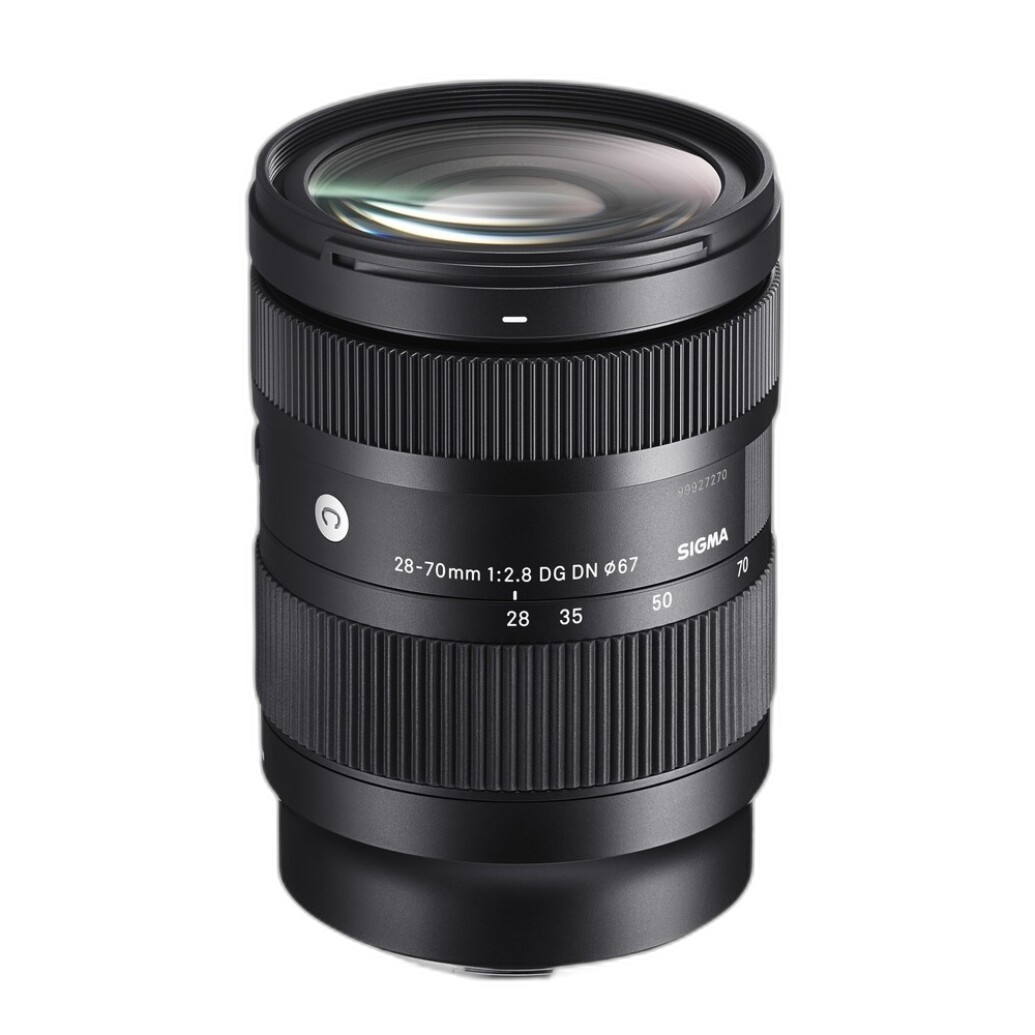
Hands-on impressions from photographers usually center on the same advantages: 28mm is wide enough for many travel scenes, 70mm gives a little extra reach for details and portraits, and the constant f/2.8 aperture helps in dim interiors and evening streets. For travelers who want one lens to do most of the work, that combination makes a lot of sense.
2. Pay attention to the size-to-quality ratio
A smaller lens that gets packed is better than a bigger lens left at home
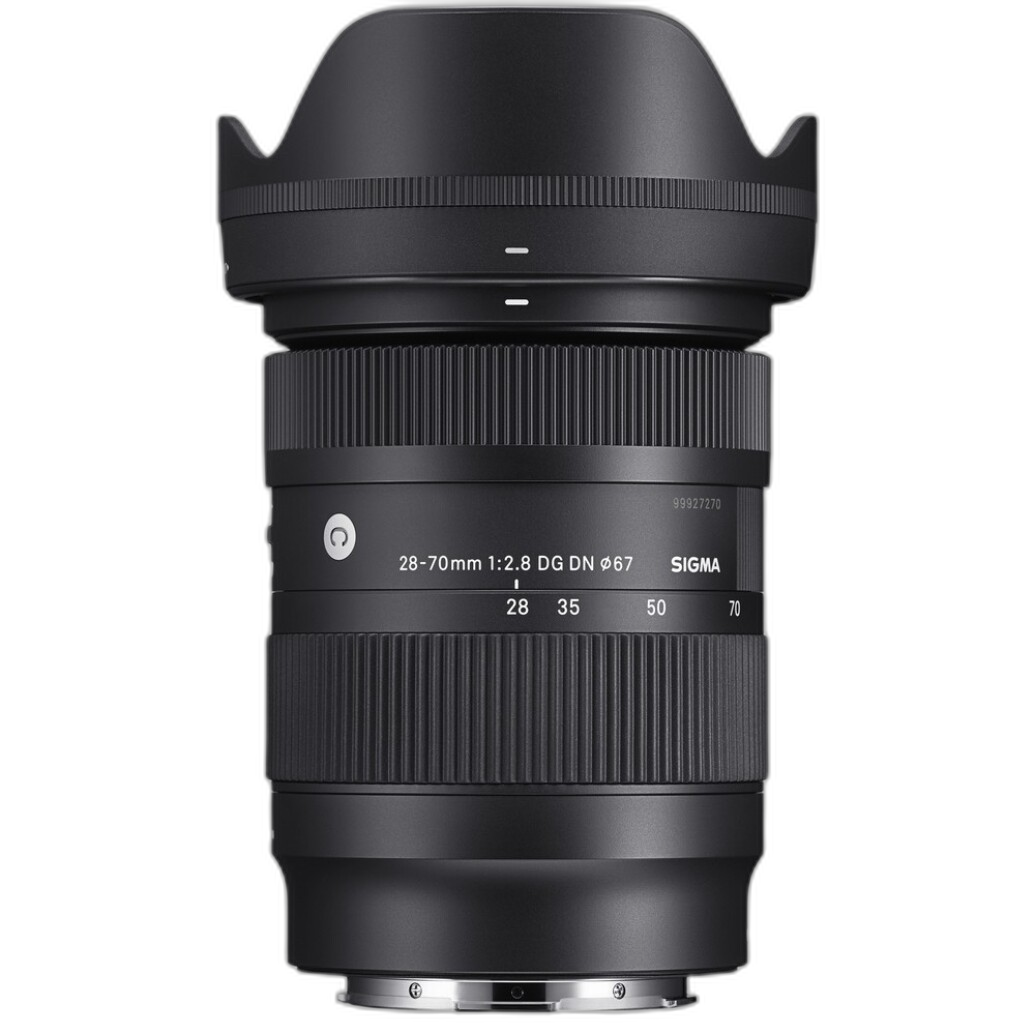
One of the biggest takeaways from recent mini-reviews is that modern travel photographers are increasingly willing to trade a little bit of ultimate edge-to-edge perfection for a lens they will actually carry all day. The Sigma 28-70mm f/2.8 Contemporary DG DN Lens for L-Mount is a great example of that conversation. It is often praised as a lens that feels realistic for travel rather than oversized for it.
- For city travel: a lighter zoom makes spontaneous shooting easier.
- For hiking and day trips: less weight means more energy and more willingness to bring the camera along.
- For family vacations: a compact setup draws less attention and slows you down less.
That does not mean image quality stops mattering. It just means the real-world equation includes comfort, bag space, and how often the camera comes out. Many photographers say a well-balanced lens earns more keepers simply because it stays mounted and ready.
3. Be honest about how much low-light performance you need
f/2.8 is often the travel sweet spot
Travel lens discussions frequently turn into debates about whether a slower, smaller zoom is enough. In practice, many photographers land on f/2.8 as the sweet spot because it offers flexibility without pushing size too far. On a lens like the Sigma 28-70mm f/2.8 Contemporary DG DN, that wider aperture helps with:
- Indoor museums and cafés where flash is not an option
- Night markets and street scenes after sunset
- Environmental portraits with softer background separation
- Keeping ISO in check when light gets challenging
If your travel style includes a lot of handheld low-light shooting, this matters more than a tiny size advantage on paper. And if you pair a travel-friendly zoom with a capable camera body, the results can be even stronger.
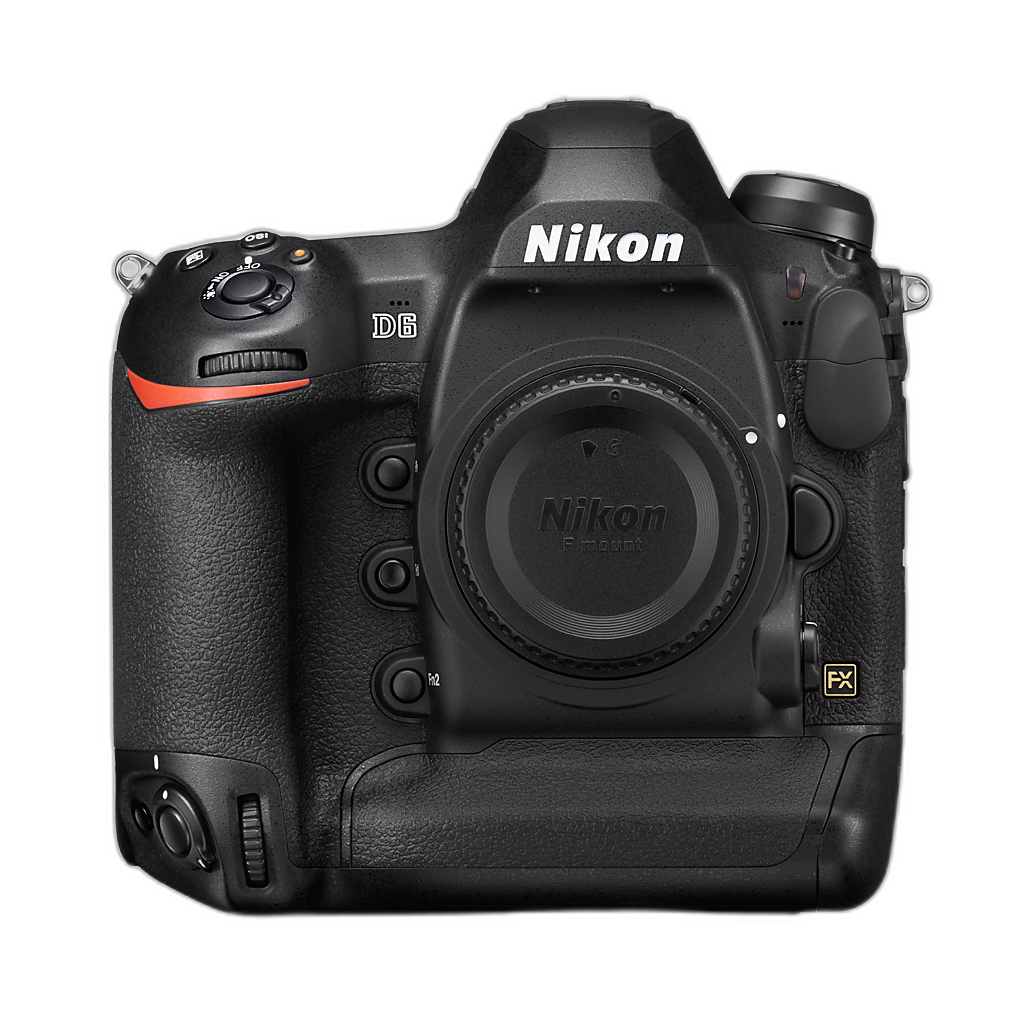
For photographers traveling with a pro DSLR setup, the Nikon D6 FX-Format Digital SLR Camera represents a very different philosophy: ruggedness, speed, and confidence under pressure. It is not a minimalist travel body, but it is a reminder that travel gear choices depend heavily on assignment needs. Some photographers want the lightest possible kit; others prioritize reliability and performance above all else.
4. Think about value in terms of the whole trip
The best value lens is the one that covers the most situations well
Value is one of the most debated parts of travel lens conversations. A cheaper lens is not always the better deal if it leaves you frustrated, and a premium lens is not always worth it if you only use part of its range. A standard zoom with broad everyday usefulness often delivers strong value because it reduces lens changes and covers the images most people actually make while traveling.
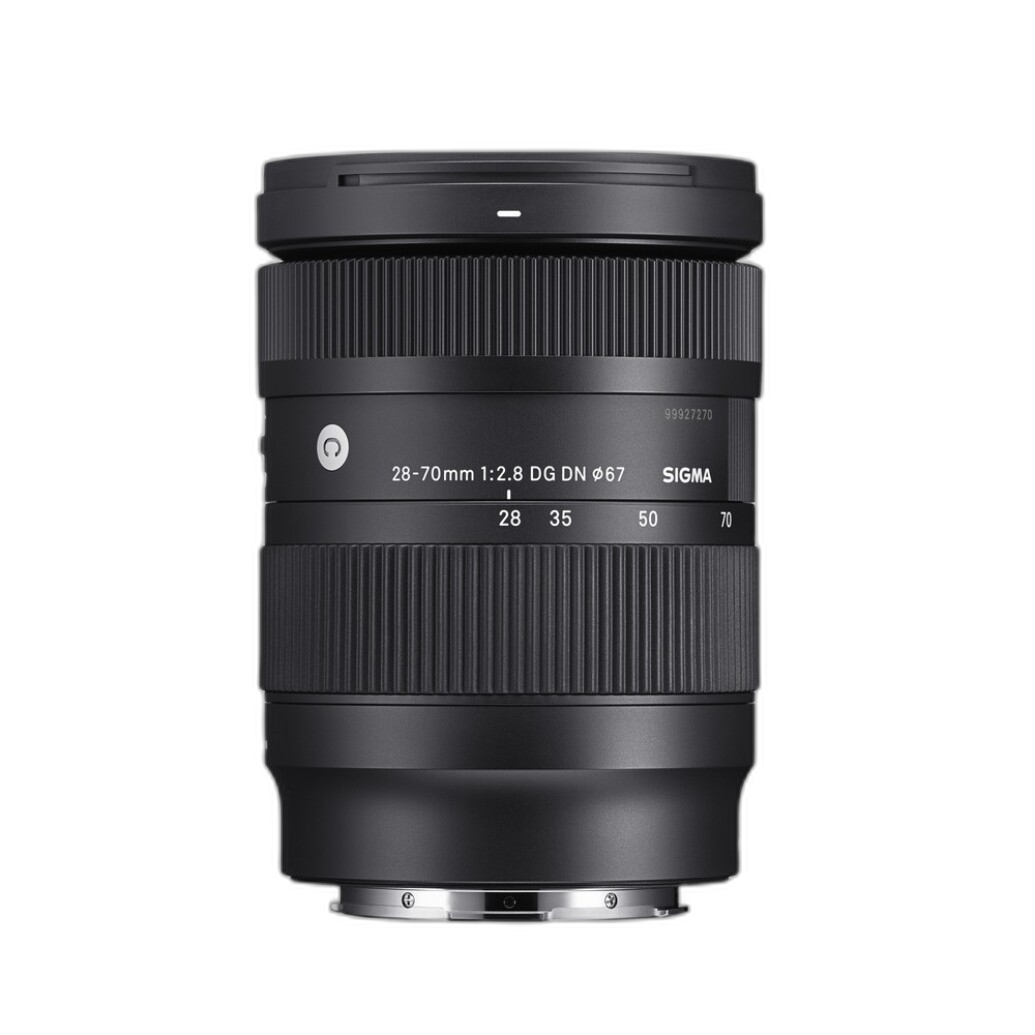
Photographers comparing brands often come back to this question: can one lens handle architecture, food, portraits, landscapes, and casual details without making the bag too heavy? That is exactly why the Sigma 28-70mm f/2.8 Contemporary DG DN has become such a frequent recommendation in travel discussions. It hits a practical middle ground between compact primes and larger pro zooms.
When budgeting for travel gear, remember to consider:
- How many lenses you can leave behind
- Whether the lens saves room in your carry-on
- How often you will use it after the trip
- Whether its versatility helps you come home with a wider range of images
5. Don’t forget the trip after the trip
Preserving and sharing your travel images matters too
Not every travel lens conversation has to end with digital files alone. Plenty of photographers still travel with film, or return home wanting to revisit older negatives and slides from past adventures. That makes scanning gear part of the broader travel imaging workflow.
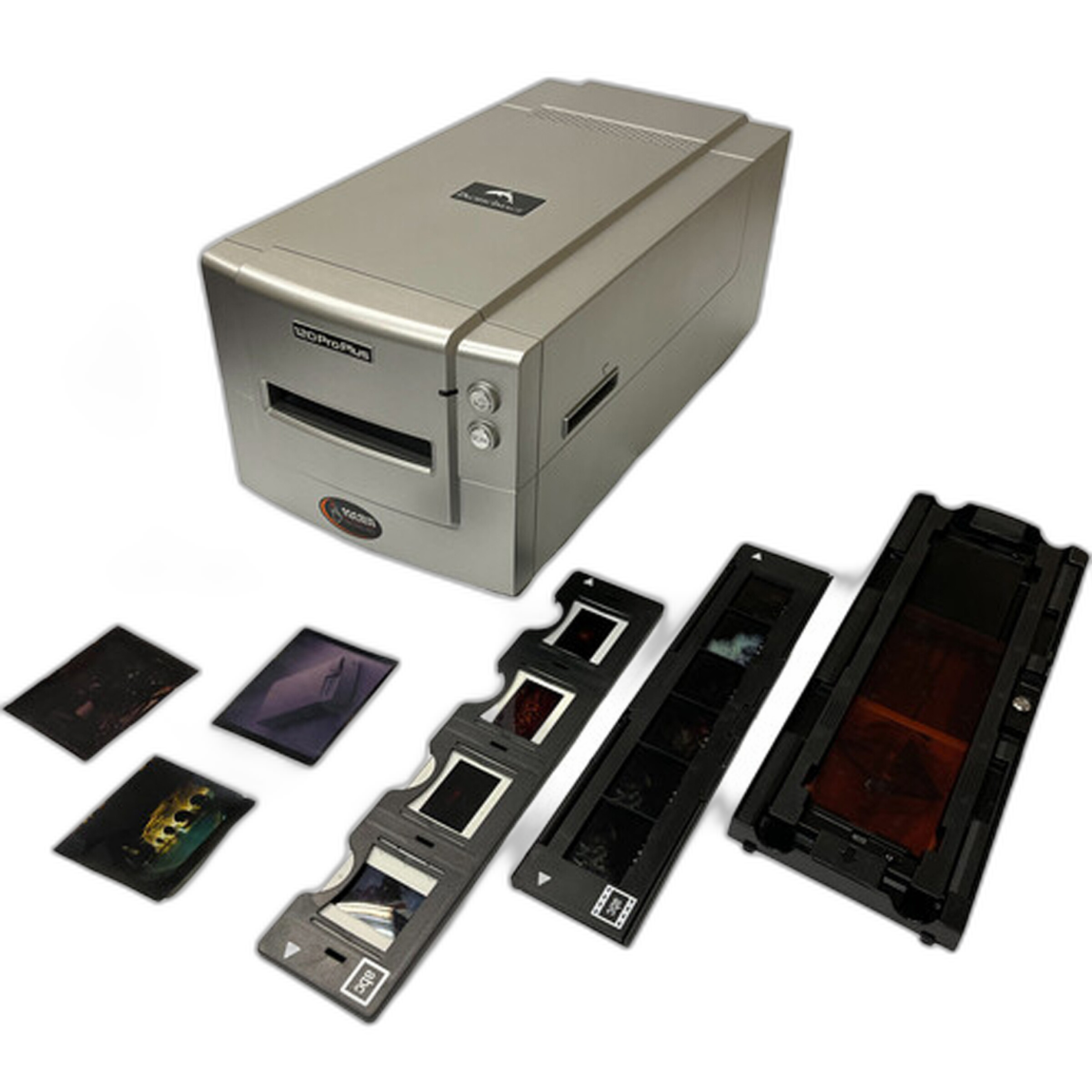
The Pacific Image PrimeFilm 120 Pro Plus Scanner is a natural fit for medium format travel shooters who want to turn film frames into shareable files with care and consistency.
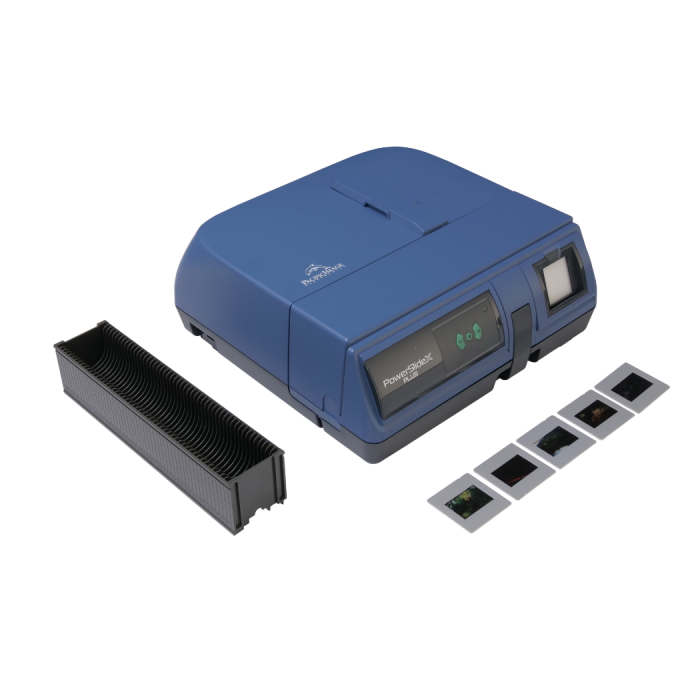
And for photographers with boxes of mounted slides from older trips, the Pacific Image Powerslide X Plus Scanner can be a practical way to bring those travel memories back into your current editing and sharing workflow.
That broader perspective is useful: a travel setup is not just about what you carry abroad, but also about how you review, archive, and enjoy the images afterward.
Conclusion
The most useful travel lens advice usually comes from real experience: carry less, choose a focal range you trust, and prioritize gear that helps you keep shooting all day. For many photographers, a compact constant-aperture zoom like the Sigma 28-70mm f/2.8 Contemporary DG DN is a strong answer to the size-versus-quality debate, while others may prefer a more specialized setup depending on the destination and assignment. Whatever your style, the key is building a kit you will enjoy using from departure to final edit. If you are ready to refine your travel setup, explore your options at Unique Photo and find the gear that fits your next adventure.