Lightweight Travel Shooting: Picking the Right Camera-and-Tripod Combo
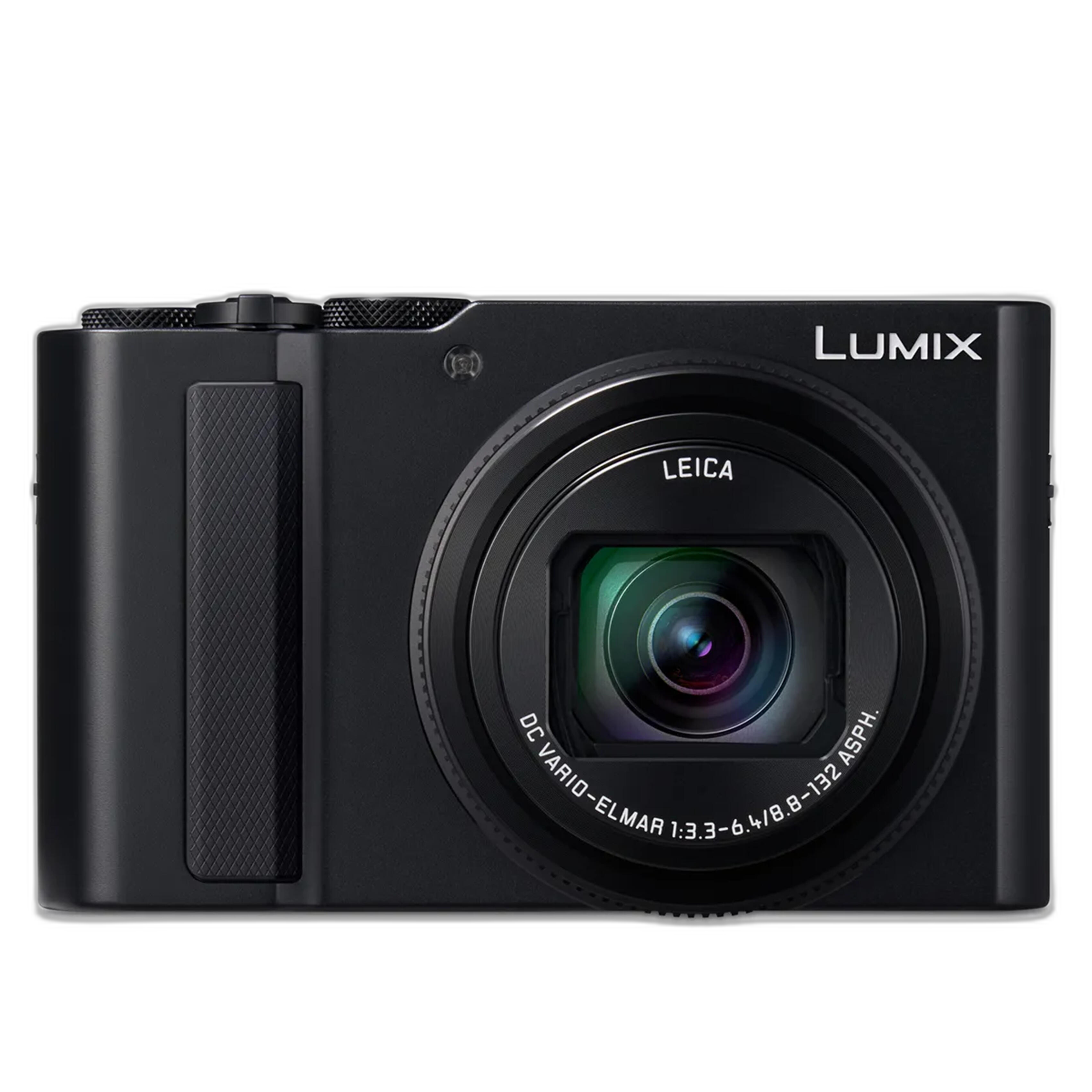
If your goal is to travel light without giving up image quality, reach, or stability, a compact all-in-one camera paired with the right travel tripod is one of the smartest setups you can build. In this comparison, we’re looking at the Panasonic LUMIX ZS300 point-and-shoot camera in both black and silver finishes, alongside several compact tripod options from SmallRig, Tilta, Benro, Freewell, and Sirui.
The idea is simple: the ZS300 keeps your camera kit small and versatile, while a lightweight tripod adds support for night scenes, self-portraits, cityscapes, and video clips on the road. Rather than comparing completely different types of cameras, this guide focuses on building a practical lightweight travel setup and identifying which tripod style best complements a compact travel camera.
Side-by-Side Comparison
| Product | Type | Best For | Main Advantage | Possible Tradeoff |
|---|---|---|---|---|
| Panasonic LUMIX ZS300 Point and Shoot Camera - Black | Compact travel camera | All-in-one travel shooting | Pocketable form with long zoom versatility | Less system expandability than interchangeable-lens cameras |
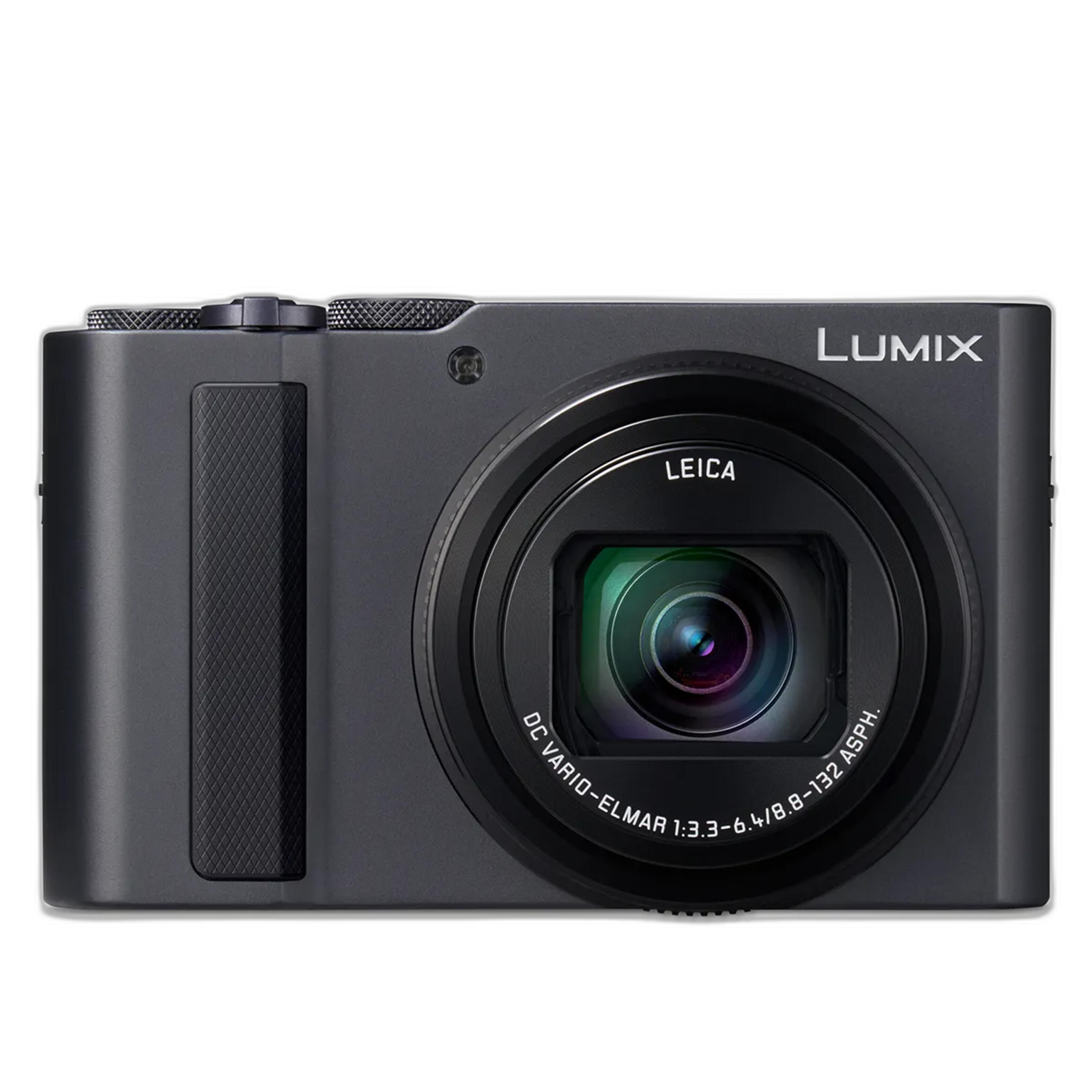
| Panasonic LUMIX ZS300 Point and Shoot Camera - Silver | Compact travel camera | All-in-one travel shooting | Same travel-friendly performance in alternate finish | Same limitations as the black version |
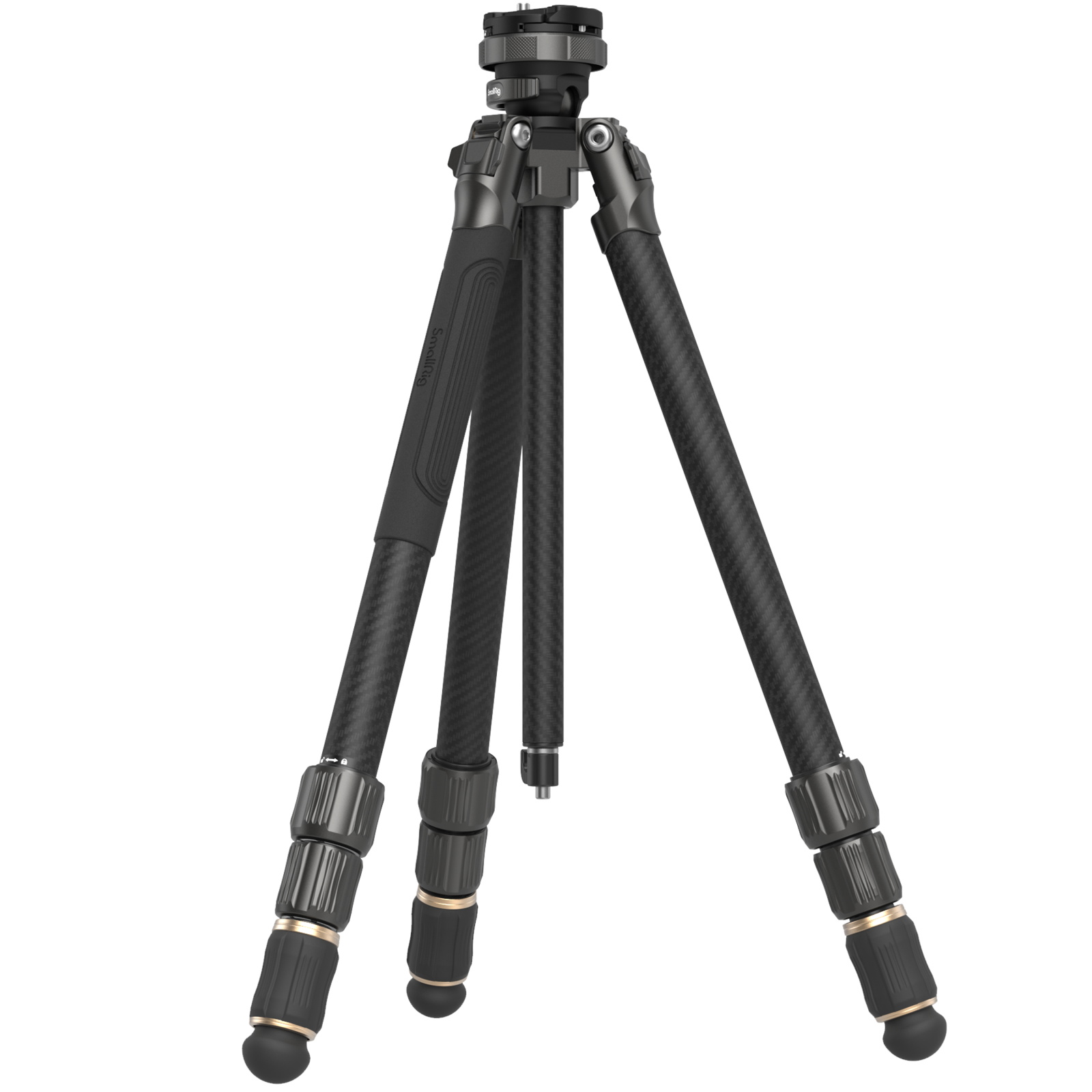
| SmallRig FreeRover Travel Tripod 4353 | Travel tripod | Travelers wanting a modern compact support option | Purpose-built travel form factor | Adds another item to pack |
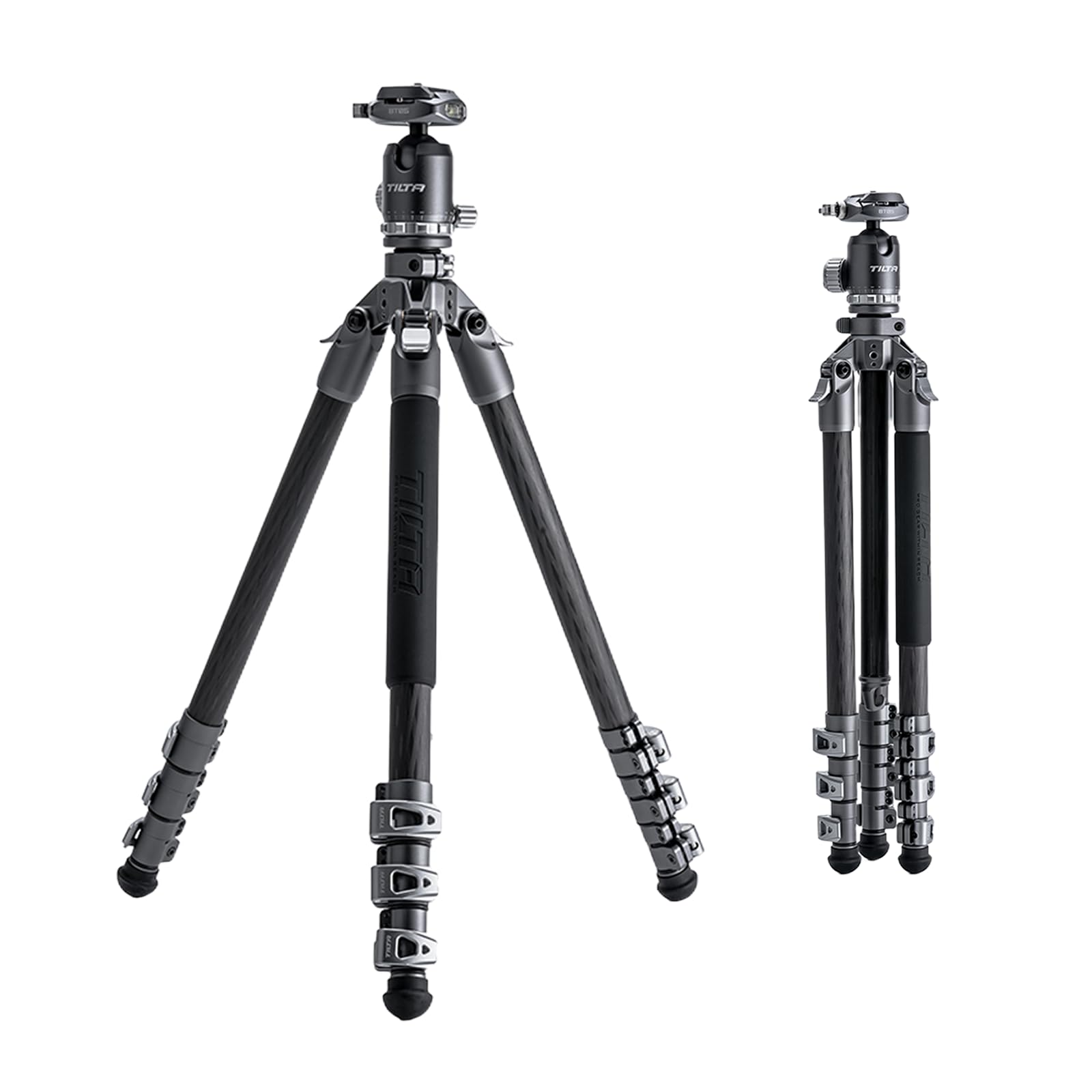
| Tilta BT05 Carbon Fiber Travel Tripod - Space Gray | Carbon fiber travel tripod | Travelers prioritizing lower carry weight | Carbon fiber construction for lighter transport | Typically pricier than aluminum alternatives |
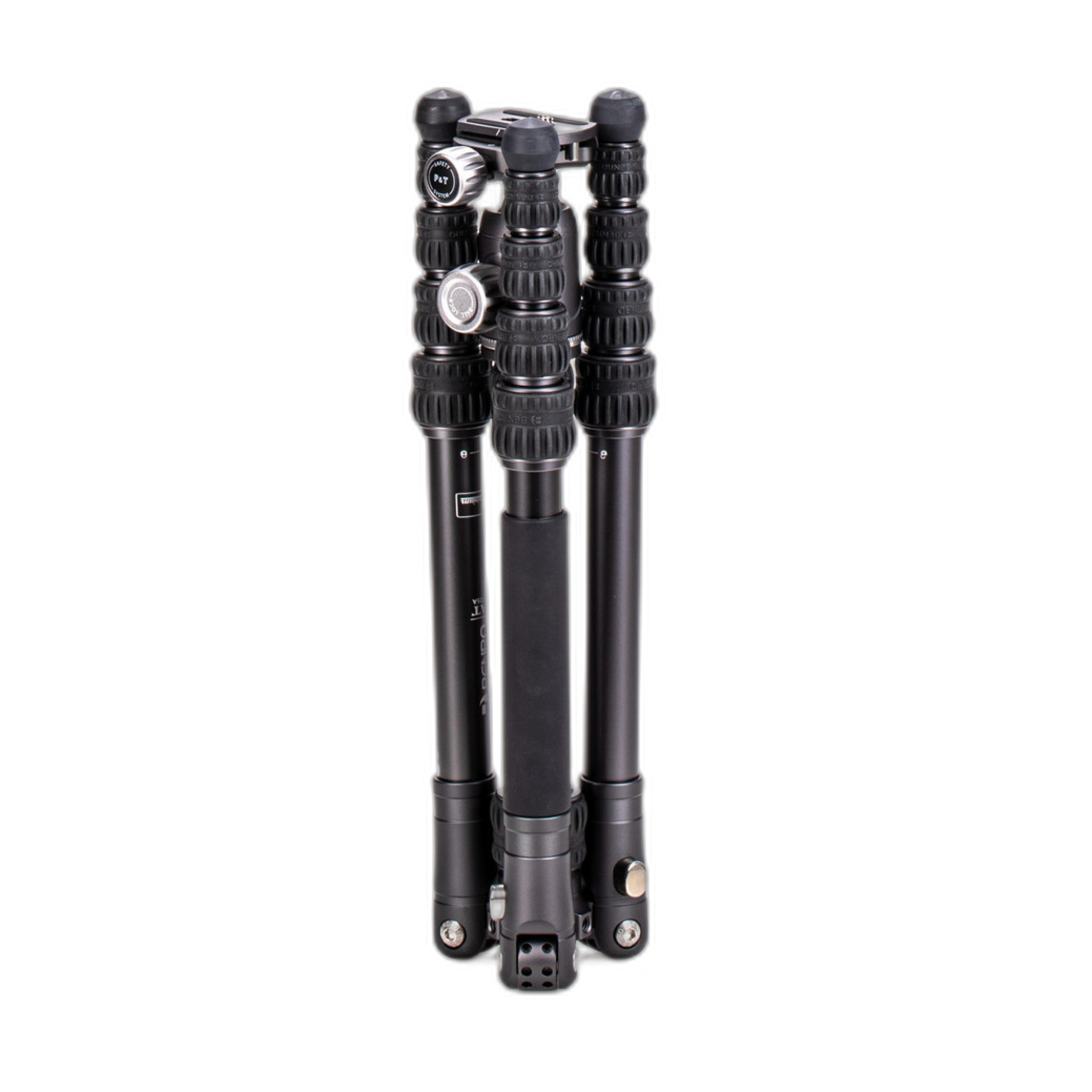
| Benro Bat Zero Series Aluminum Travel Tripod with VX20 Ball Head (55.6in) | Aluminum travel tripod | Value-focused travelers | Includes ball head and useful working height | Aluminum can be heavier than carbon fiber |
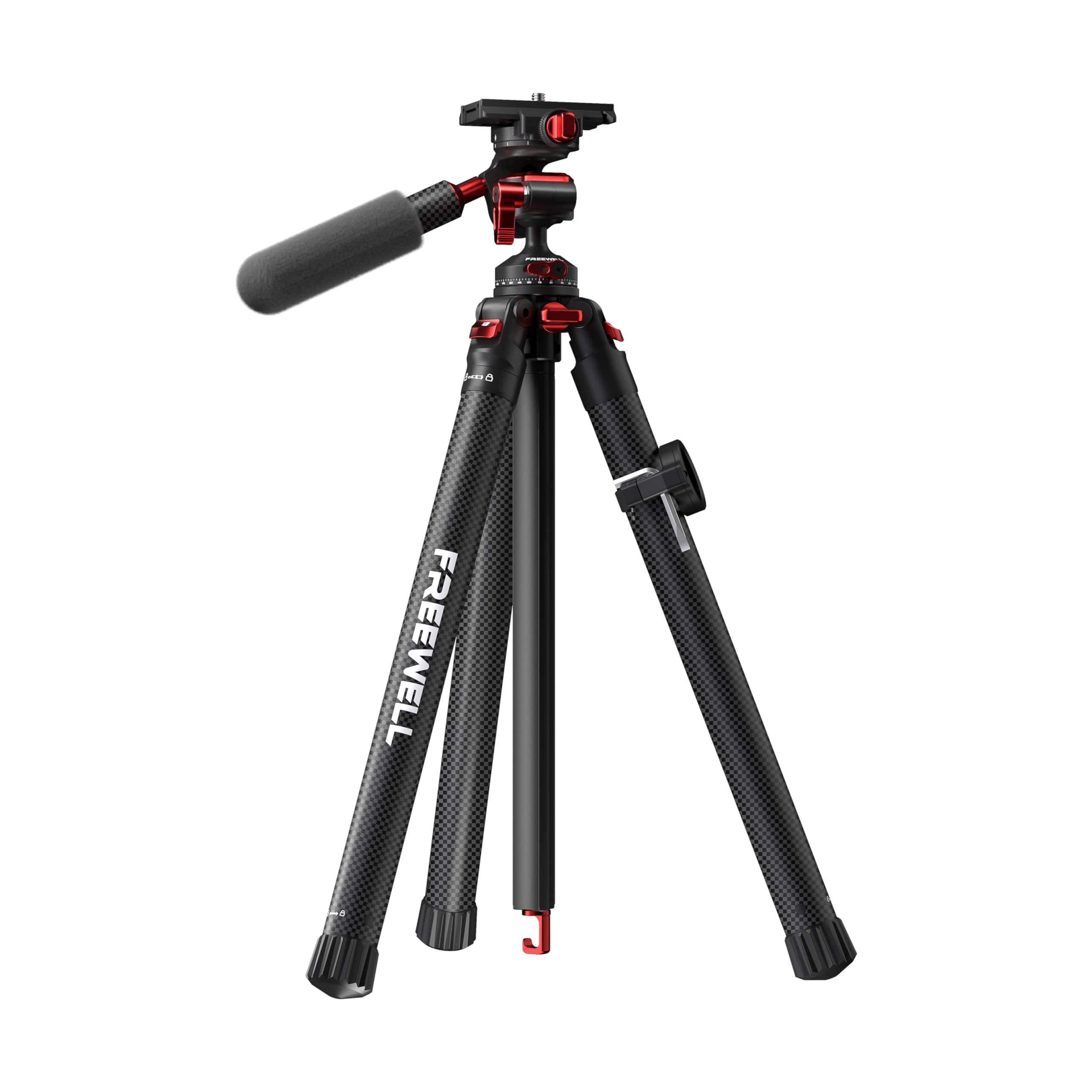
| Open Box Freewell FW-T1 Carbon Fiber Real Travel Tripod with Ball Head | Open-box carbon fiber travel tripod | Budget-conscious buyers seeking premium material | Carbon fiber design with potential value pricing | Open-box availability can be limited |
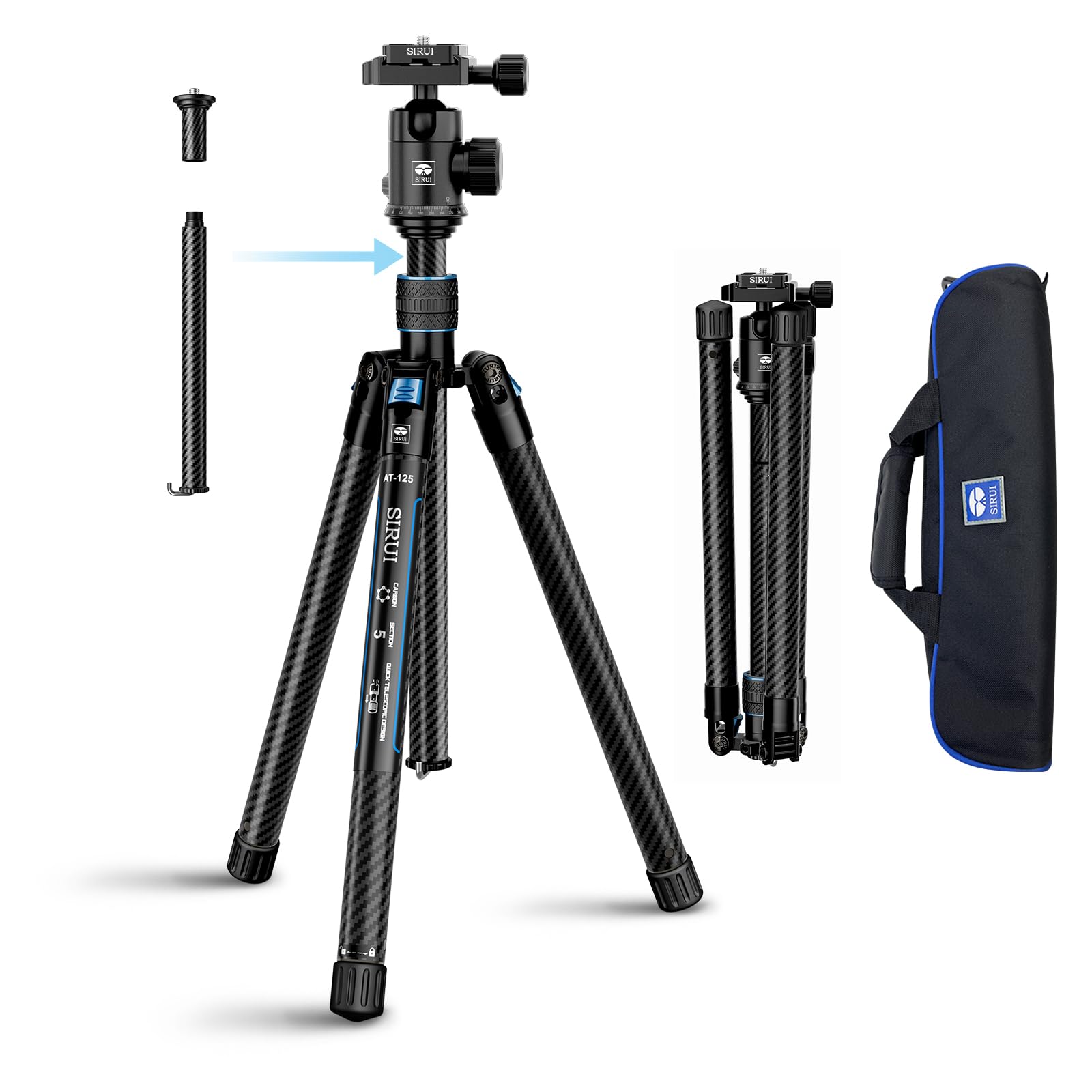
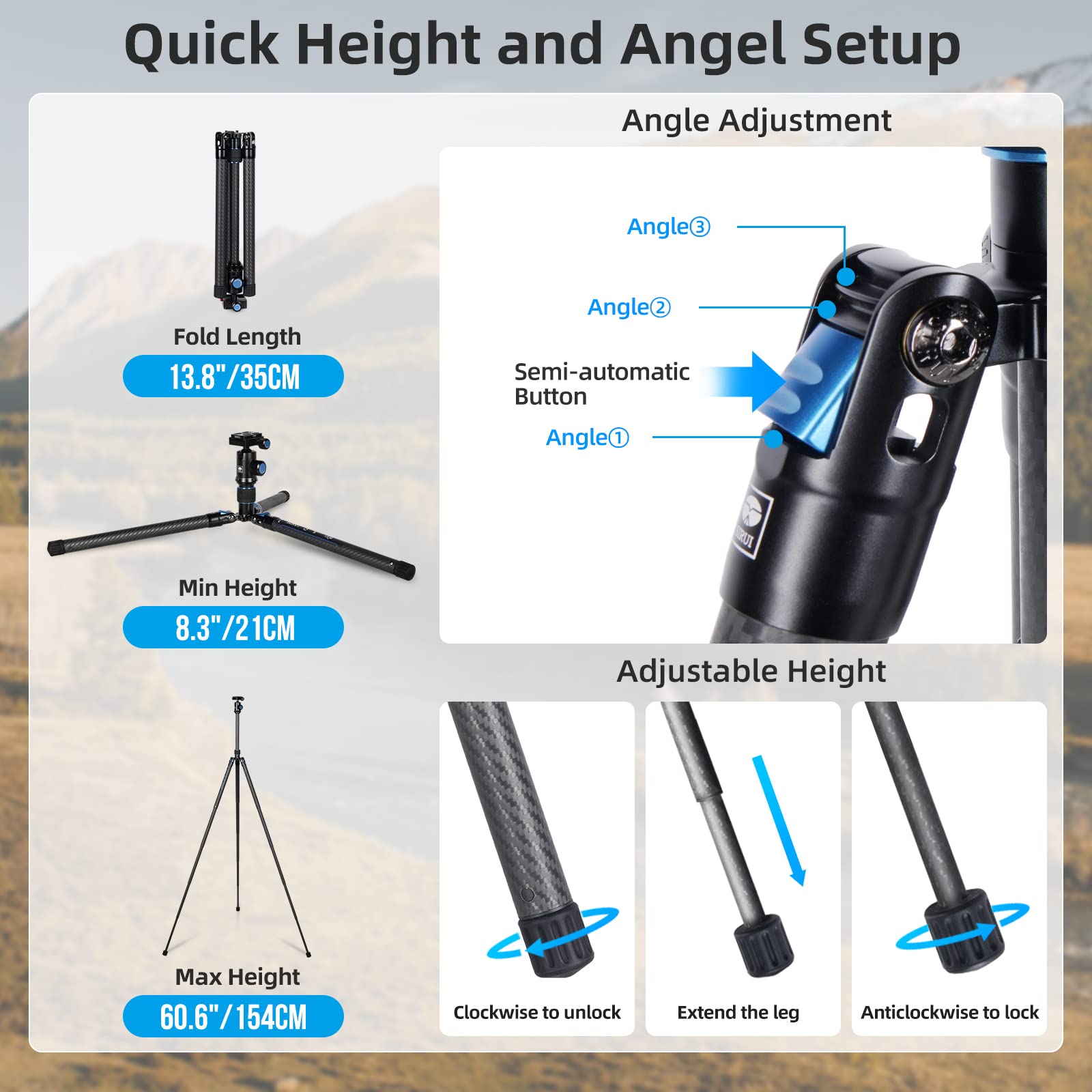
| Sirui Traveler X - II Carbon Fiber Tripod Kit | Carbon fiber tripod kit | Travel creators balancing portability and support | Travel-oriented kit design in carbon fiber | More gear to manage than handheld-only shooting |
The Camera Choice: Why the Panasonic LUMIX ZS300 Makes Sense for Travel
Compact Convenience
For lightweight shooting, the ZS300 stands out because it keeps everything in one small package. You don’t need to carry extra lenses, and that matters when you’re walking all day, flying with strict baggage limits, or trying to stay discreet in busy cities and tourist locations.
Zoom Flexibility
A travel camera has to handle a little bit of everything: landscapes in the morning, street details at lunch, portraits in the afternoon, and a landmark at a distance before sunset. The ZS300 is appealing because it’s designed for exactly that kind of mixed-use travel photography. Instead of switching lenses, you simply zoom and keep moving.
Best Use Case
If your top priority is keeping your kit small, the ZS300 is the foundation of the best lightweight setup in this group. The black and silver versions are functionally the same, so your decision there is mostly aesthetic.
Why Add a Travel Tripod to a Lightweight Setup?
Stability Without a Full-Size Burden
Many travelers skip a tripod to save weight, but a compact travel tripod can dramatically improve sharpness in low light and expand what your camera can do. Evening city scenes, waterfalls, architecture at blue hour, and group shots all benefit from stable support.
More Versatility for Video and Self-Shooting
For creators shooting clips, talking-head segments, or timed self-portraits, a tripod turns a compact camera into a much more capable travel tool. That’s especially important if you want better framing than you’d get from handheld shooting alone.
Tripod-by-Tripod Breakdown
SmallRig FreeRover Travel Tripod 4353
The SmallRig FreeRover Travel Tripod 4353 is a strong match for travelers who want a tripod specifically designed around portability. SmallRig has become a go-to name for creator-friendly support gear, and this model fits the lightweight travel concept well. Paired with the ZS300, it creates a setup that remains easy to carry while adding meaningful stability for stills and video.
Tilta BT05 Carbon Fiber Travel Tripod - Space Gray
The Tilta BT05 Carbon Fiber Travel Tripod is especially attractive for travelers who count every ounce. Carbon fiber is often the better fit for frequent flyers, hikers, and content creators working long days on foot. If you want the tripod in your bag but don’t want to constantly feel it, this is one of the more compelling pairings with the ZS300.
Benro Bat Zero Series Aluminum Travel Tripod with VX20 Ball Head
The Benro Bat Zero Series Aluminum Travel Tripod is a practical option for buyers who want a recognizable photo brand, an included ball head, and a travel-friendly size without stepping up to carbon fiber pricing. It may not be the absolute lightest route, but for many travelers it represents a sensible balance between cost and usability.
Open Box Freewell FW-T1 Carbon Fiber Real Travel Tripod with Ball Head
The Open Box Freewell FW-T1 Carbon Fiber Real Travel Tripod with Ball Head is the wildcard value choice. If you want carbon fiber but are trying to keep your overall travel budget under control, open-box gear can be a smart way to stretch your money. Combined with a compact camera like the ZS300, it gives you a highly portable setup with an eye toward savings.
Sirui Traveler X - II Carbon Fiber Tripod Kit
The Sirui Traveler X - II Carbon Fiber Tripod Kit is another excellent fit for travelers who want a polished, portable support solution. Sirui has a strong reputation in compact tripod design, and this kit-oriented option makes sense for photographers and hybrid shooters who want lightweight support that still feels purpose-built for travel work.
Best Setup by Travel Style
For the Lightest Overall Feel
Panasonic LUMIX ZS300 + Tilta BT05 Carbon Fiber Travel Tripod
This pairing is ideal for travelers who care most about reducing fatigue and keeping a nimble carry kit.
For the Best Value
Panasonic LUMIX ZS300 + Benro Bat Zero Series Aluminum Travel Tripod
A smart setup for travelers who want dependable support without prioritizing premium materials.
For the Best Premium-Portable Balance
Panasonic LUMIX ZS300 + SmallRig FreeRover Travel Tripod 4353
This combo feels especially well-rounded for stills, casual video, and general-purpose travel use.
Our Pick
Recommended lightweight travel setup: Panasonic LUMIX ZS300 + SmallRig FreeRover Travel Tripod 4353.
This is the best all-around choice for most travelers because it balances compact carry, shooting flexibility, and real-world usability. The ZS300 keeps your camera load minimal by giving you an all-in-one travel camera, while the SmallRig FreeRover adds the support you need for night photography, stable compositions, and travel video without pushing the kit too far into bulky territory.
If absolute weight savings matter more than anything else, the Tilta BT05 Carbon Fiber Travel Tripod is the strongest alternative. If budget matters most, the Benro Bat Zero Series Aluminum Travel Tripod is an easy recommendation.
Conclusion
For lightweight shooting, the smartest travel setup in this group starts with the Panasonic LUMIX ZS300 and adds a compact tripod that matches your priorities. If you want the best blend of portability and practical performance, the SmallRig FreeRover Travel Tripod 4353 is our top pairing. If you’re looking to build a travel-ready kit for your next trip, Unique Photo offers these compact camera and tripod options in one place, making it easier to compare the right lightweight setup for your style.