When I build a travel photography setup, I try to balance three things: speed, comfort, and protection. The best kit is not always the biggest one—it is the one you will actually carry all day, access quickly, and trust in crowded airports, changing weather, and long walking routes. If you are putting together a travel-ready camera setup, here are my top recommendations for keeping your gear practical, organized, and ready to shoot.
Start with a backpack that fits the way you travel
1. Choose a main bag that can handle both camera gear and travel essentials
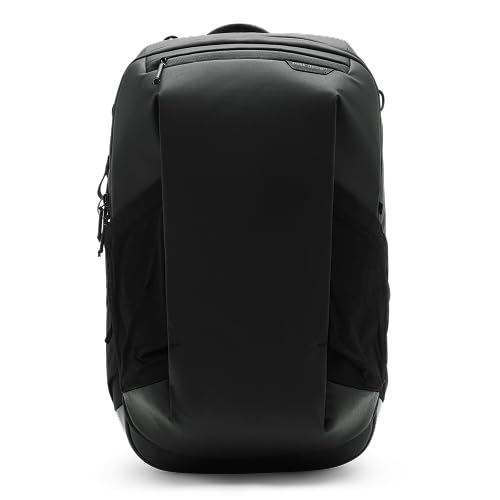
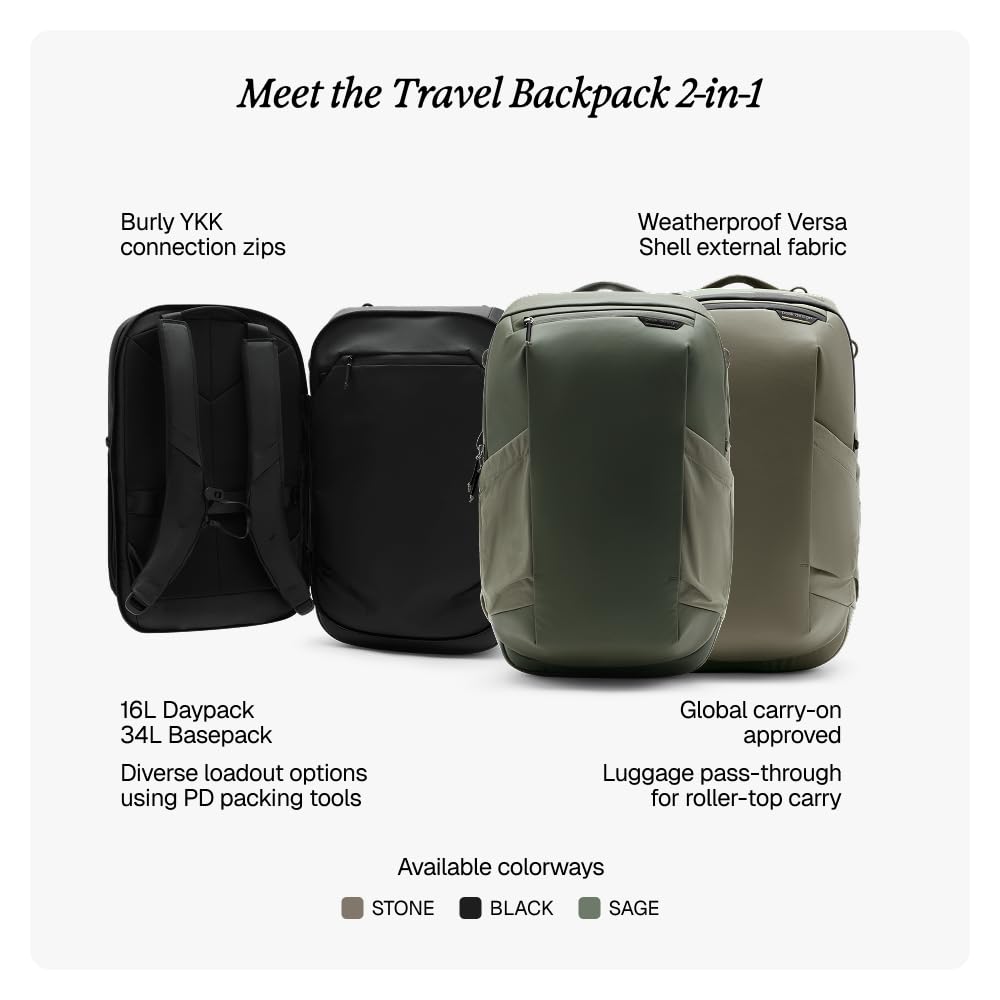
Your travel backpack is the foundation of the whole setup. If you are flying, moving between hotels, or spending long days on foot, a larger hybrid backpack can make life much easier. The Peak Design Travel Backpack 2-in-1 40L is a strong choice for photographers who want one bag that can carry camera gear, clothing, and everyday essentials without feeling like a dedicated studio case.
Its travel-friendly layout works especially well for photographers who want to pack light but still keep room for lenses, accessories, and a few non-photo items. If you like a clean, minimalist look, the black version is easy to recommend, while the sage color adds a little personality without losing that streamlined travel feel.
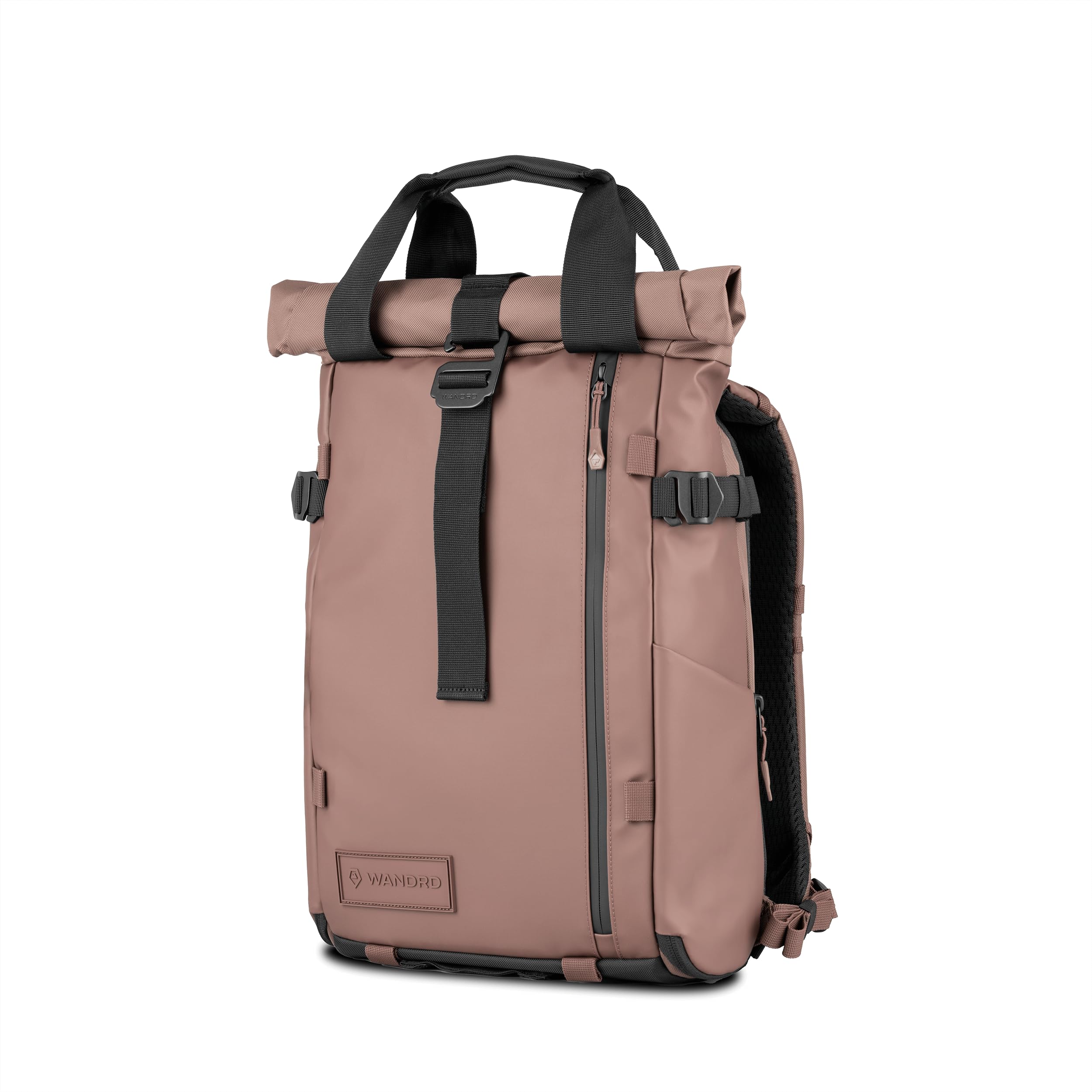
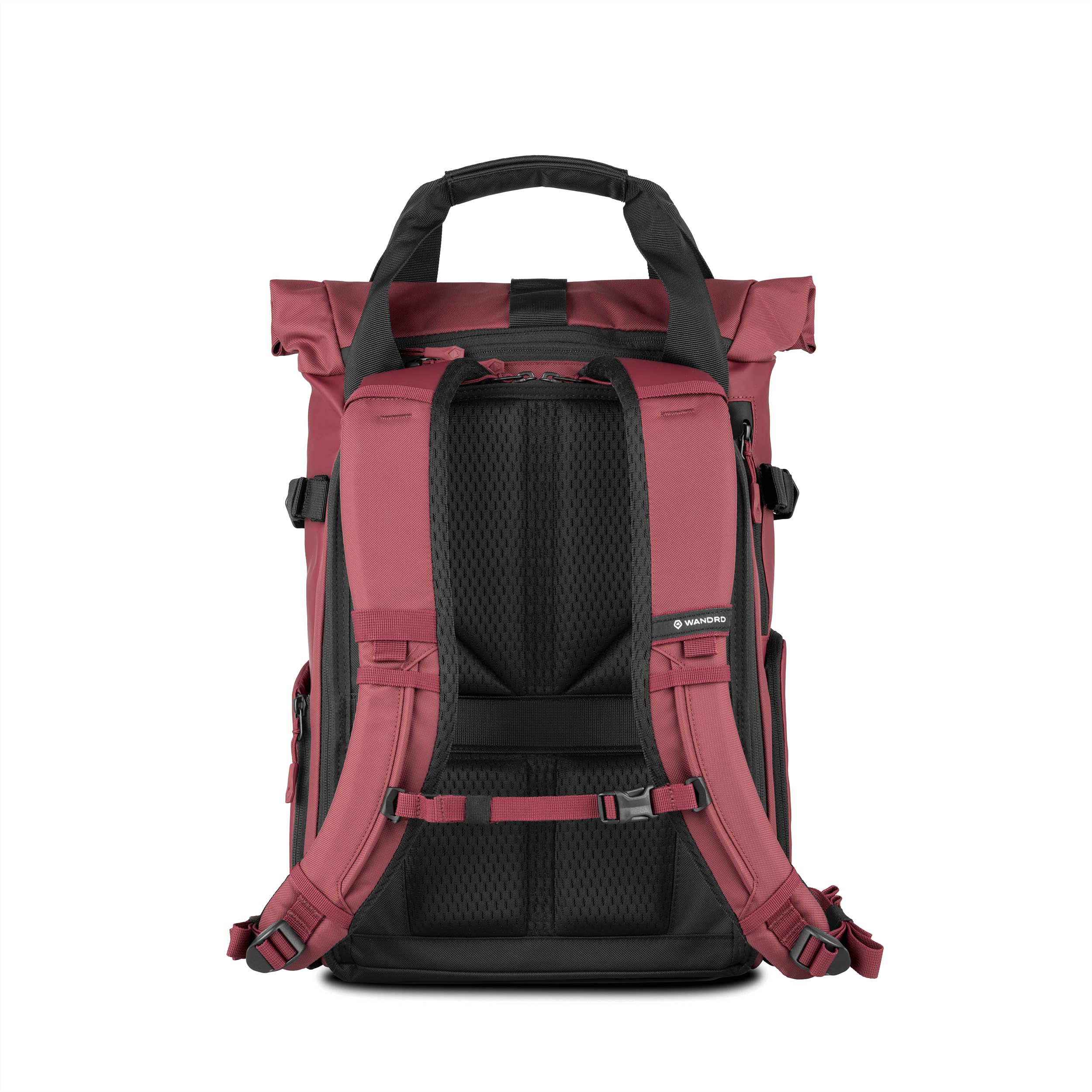
For travelers who prefer something more compact and more photo-focused, the WANDRD PRVKE V4 15 Photo Bundle is a smart alternative. It is especially appealing for city trips, weekend flights, and photographers who want a smaller footprint while still keeping camera access organized.
Keep your camera accessible while you are moving
2. Add a top-loader for quick access on travel days
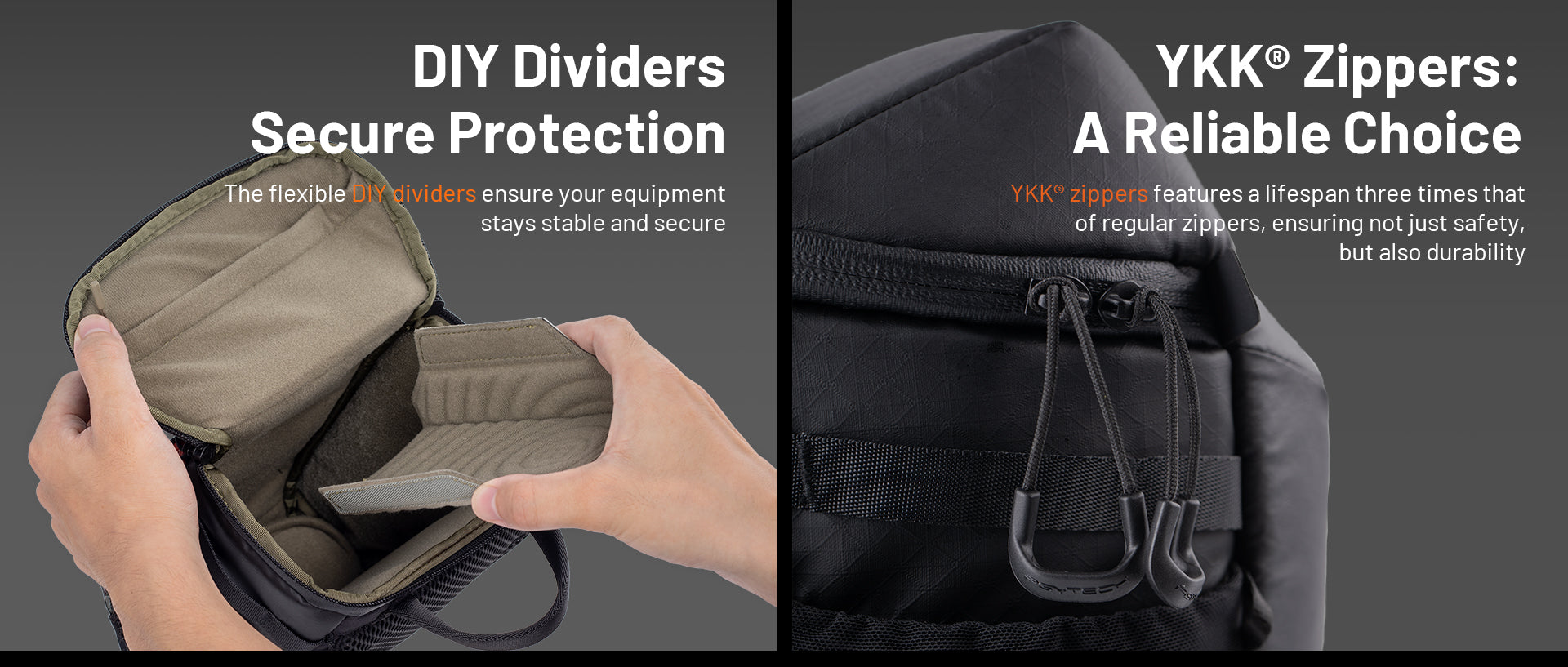
One of the easiest mistakes in travel photography is packing your camera so deeply that you miss the moment. A dedicated quick-access bag solves that problem. The PGYTECH Camera Top Loader makes a lot of sense as part of a travel setup because it keeps your camera close at hand when you are walking through markets, boarding trains, or exploring a city where moments happen fast.
Instead of constantly opening your main backpack, you can keep your primary body and lens ready to go in the top loader, then use the backpack for backups, chargers, layers, and personal items. That combination gives you both speed and comfort, which is exactly what a good travel setup should do.
Think in terms of a modular setup
3. Build a two-bag system instead of one overloaded camera bag
My favorite travel approach is a modular setup: one larger backpack for transit and one smaller, faster-access carry option for shooting. For example, pairing the Peak Design Travel Backpack 2-in-1 40L with the PGYTECH Camera Top Loader gives you a practical airport-to-street solution. You can stow most of your gear in the backpack while in transit, then carry only the essentials once you reach your destination.
If you travel lighter, a bag like the WANDRD PRVKE V4 15 Photo Bundle can work as your main everyday bag, especially for photographers who want to stay agile and avoid carrying more than they need. This is often the sweet spot for travel photography: enough capacity for the essentials, but not so much space that you end up overpacking.
Prioritize comfort for long days
4. Pick a bag you will still enjoy wearing after hours of walking
Travel photography often means full days on your feet. That makes comfort just as important as storage. Look for a bag that distributes weight well and stays manageable in crowded places, on public transit, and through airports. The Peak Design Travel Backpack 2-in-1 40L is a great fit for photographers who need higher capacity, while the WANDRD PRVKE V4 15 Photo Bundle is easier to recommend for shorter trips, lighter kits, and all-day urban walking.
Leave room for inspiration, not just equipment
5. Pack something that helps you see more creatively
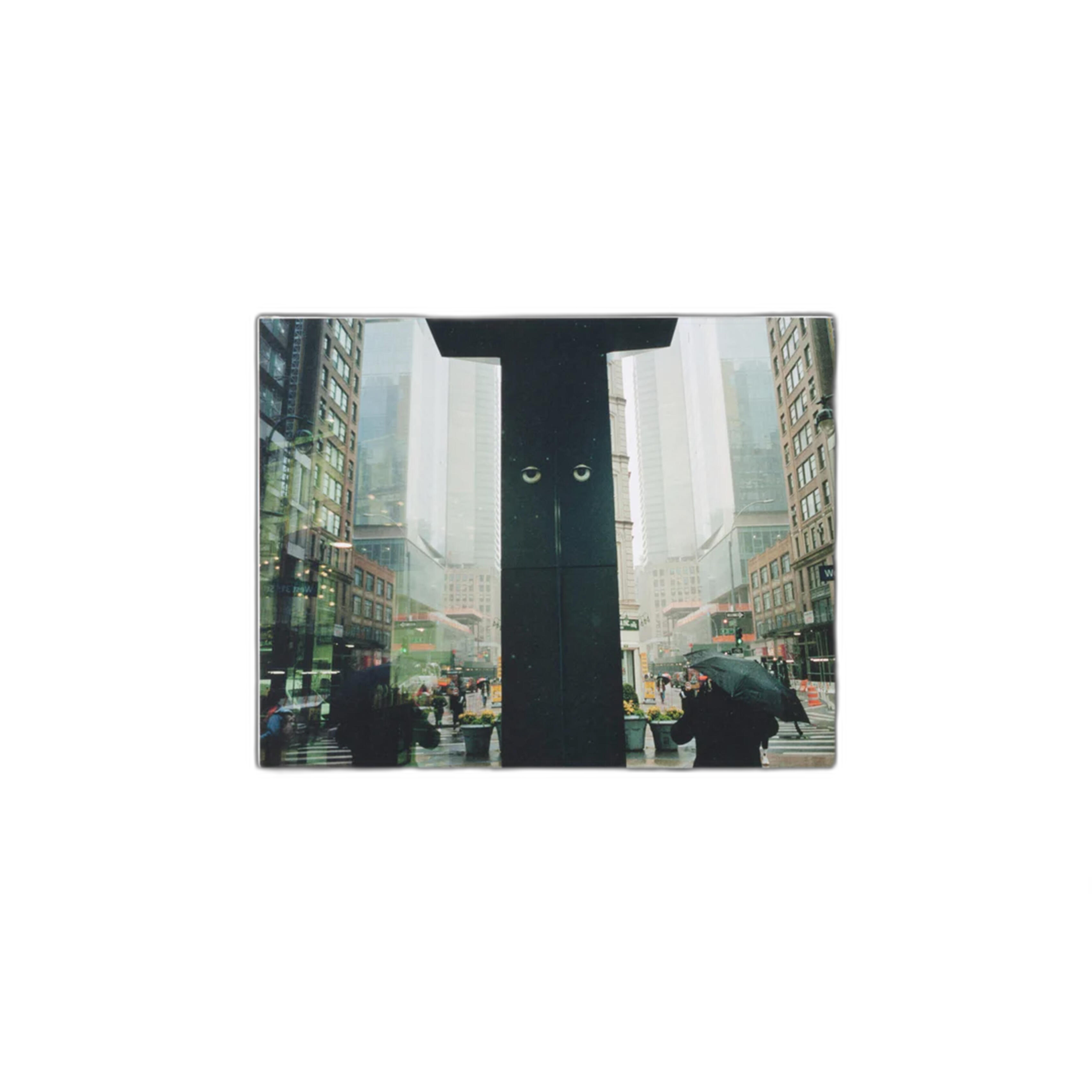
A good travel setup is not only about carrying gear—it is also about staying inspired. Bringing along a photography book can be a surprisingly useful part of your travel routine, especially on flights, train rides, or quiet evenings after shooting. You Are What You Do - Daniel Arnold is a great pick if you enjoy candid, observational image-making and want to sharpen the way you notice everyday scenes while traveling.
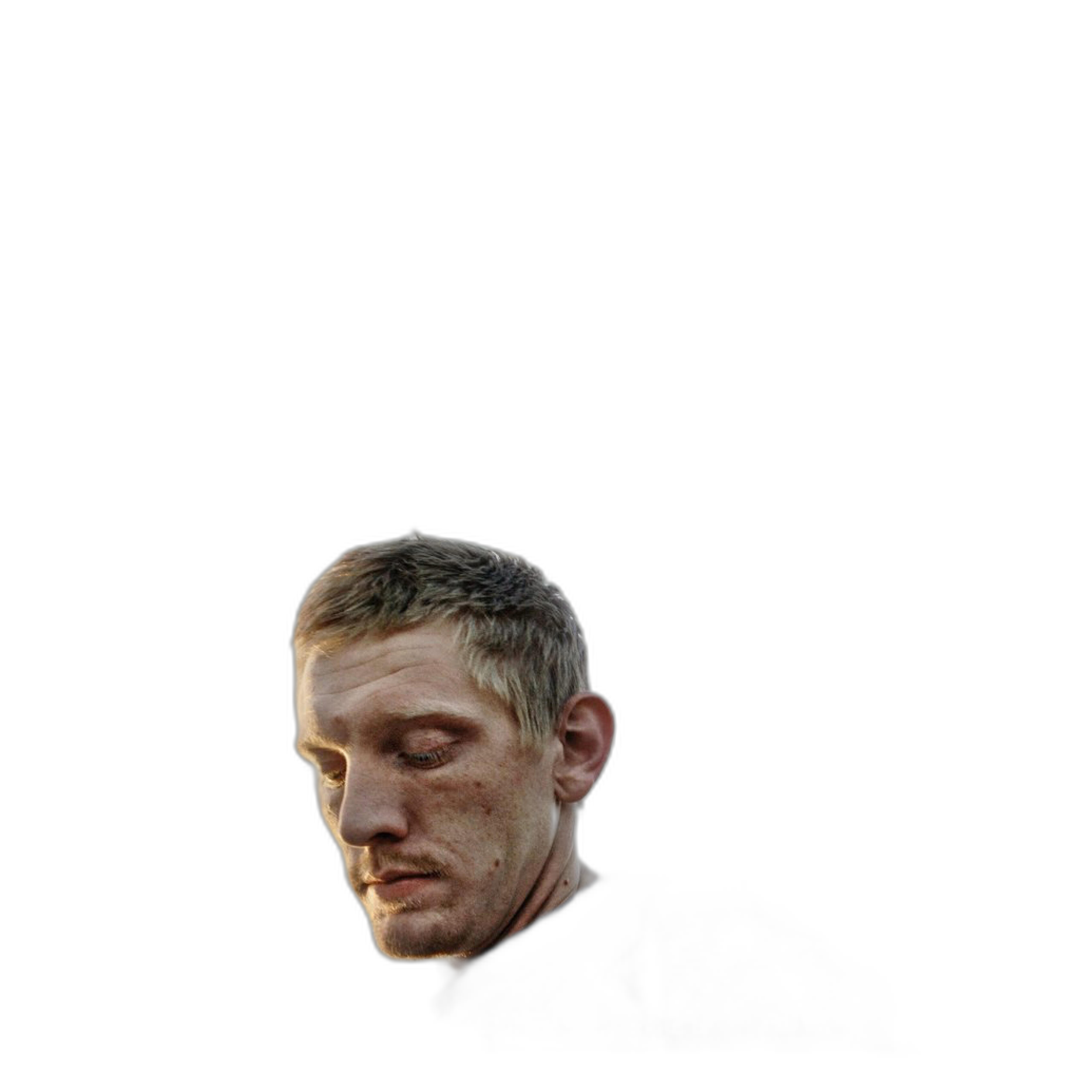
Another thoughtful option is Eugene Richards- Do I Know You?, which can help remind you that strong travel photography is not always about landmarks. Often, it is about people, atmosphere, and emotional connection. A book like this can help shape how you approach your destination with more curiosity and intention.
My recommended travel photography setup
6. Keep the final kit simple and realistic
- Main travel bag: Peak Design Travel Backpack 2-in-1 40L if you want maximum versatility for flights and longer trips
- Compact alternative: WANDRD PRVKE V4 15 Photo Bundle if you prefer a smaller, more agile day-to-day setup
- Quick-access solution: PGYTECH Camera Top Loader for keeping your camera ready while walking or commuting
- Creative bonus: A photography book like You Are What You Do or Do I Know You? to keep your eye engaged between shoots
This kind of setup works because it stays adaptable. You can carry more when you need to, strip down when you do not, and stay ready for the kinds of moments that make travel photography exciting in the first place.
Conclusion
The best travel camera setup is one that helps you move easily, shoot quickly, and stay inspired. Whether you prefer the larger flexibility of the Peak Design Travel Backpack 2-in-1 40L, the compact efficiency of the WANDRD PRVKE V4 15 Photo Bundle, or the grab-and-go convenience of the PGYTECH Camera Top Loader, a smart bag setup can make a huge difference in how enjoyable your trip feels. If you are ready to build a travel kit that works harder and travels smarter, Unique Photo is a great place to start.