Portrait photographers don’t need the most expensive glass on the shelf to create flattering compression, soft background blur, and sharp subject detail. In 2024, there are several prime lenses that deliver excellent portrait results without pushing you into ultra-premium territory. The key is choosing a focal length and aperture that match your style—whether you love environmental portraits, classic headshots, or tighter compositions with creamy bokeh.
Below are practical tips for choosing an affordable portrait prime, along with a few standout options that fit different camera systems and shooting preferences.
1. Start with the focal length that matches your portrait style
Choose wider primes for environmental portraits
If you like showing more of the scene around your subject, a slightly wider prime can be a smart and affordable place to start. The Sigma 23mm F1.4 DC DN Contemporary for Canon RF works well for lifestyle portraits, street portraits, and casual sessions where context matters as much as expression. On APS-C, this focal length gives you a natural-feeling field of view that is more flattering than going too wide, while still helping you include the surroundings.
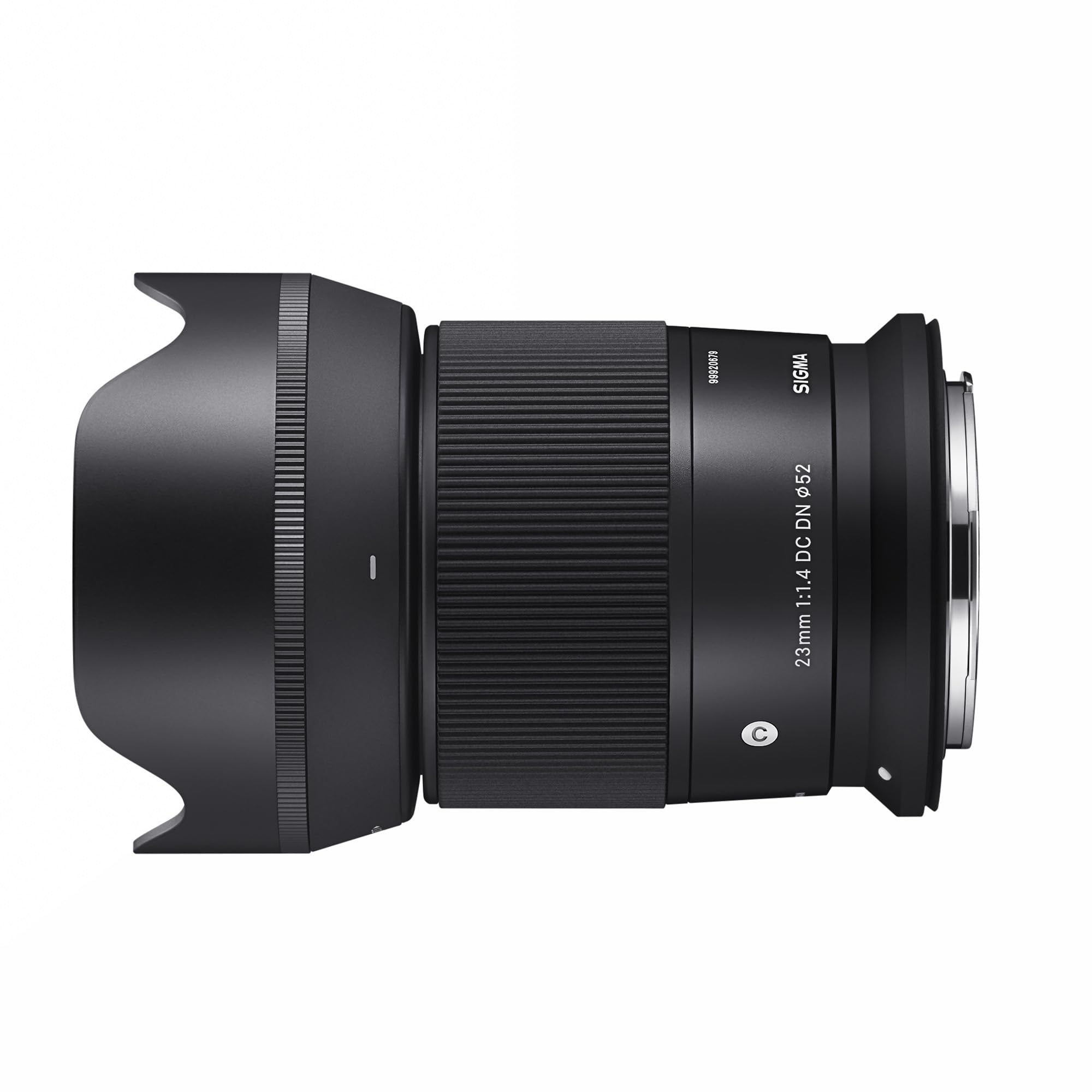
This kind of lens is especially useful for creators who shoot portraits indoors, in coffee shops, or on city streets where stepping back isn’t always possible.
Use short telephoto primes for classic portraits
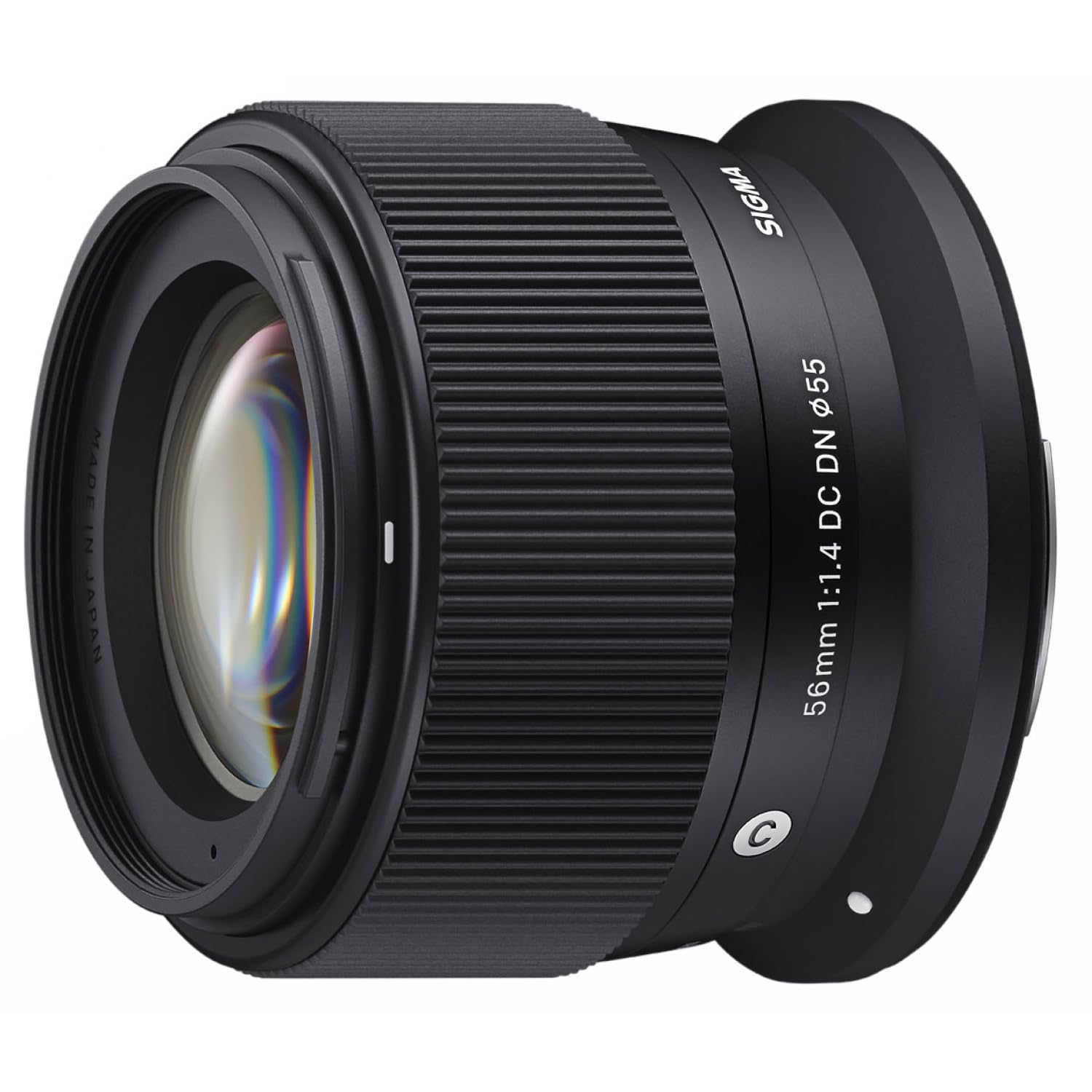
For a more traditional portrait look, short telephoto lenses are often the sweet spot. The Sigma AF 56mm F/1.4 DC DN Contemporary for Canon RF is a strong budget-friendly choice for APS-C portrait shooters because it gives flattering subject separation and a perspective that works beautifully for head-and-shoulders portraits.
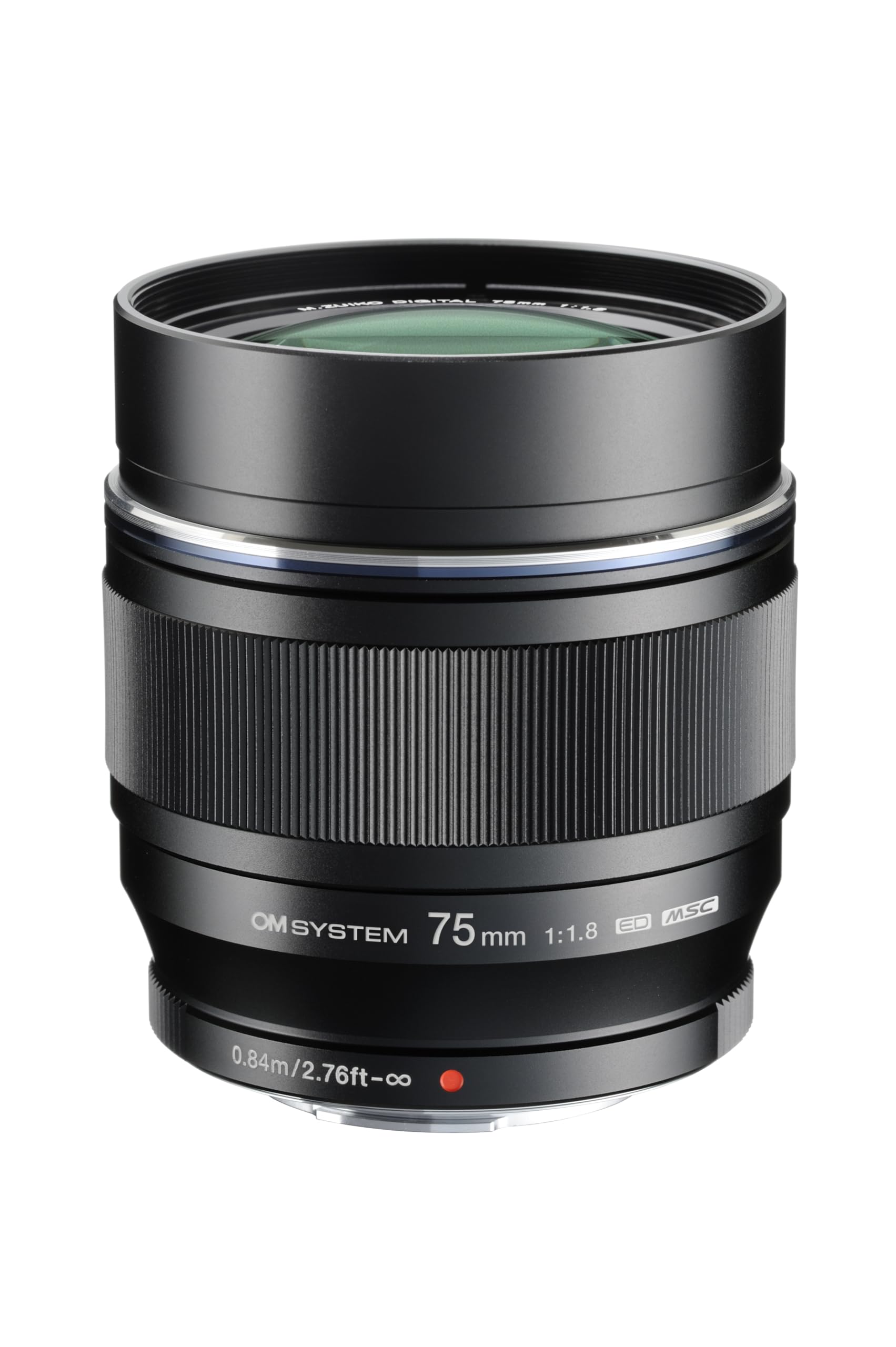
If you shoot Micro Four Thirds, the OM SYSTEM M.Zuiko Digital ED 75mm f/1.8 is another portrait favorite, offering beautiful compression and excellent sharpness for tighter compositions.
2. Look for fast apertures, but balance price and practicality
f/1.4 and f/1.8 lenses often offer the best value
One of the biggest reasons photographers choose primes for portraits is the ability to shoot at wide apertures. Lenses around f/1.4 to f/1.8 usually hit the sweet spot between affordability, low-light performance, and attractive background blur.
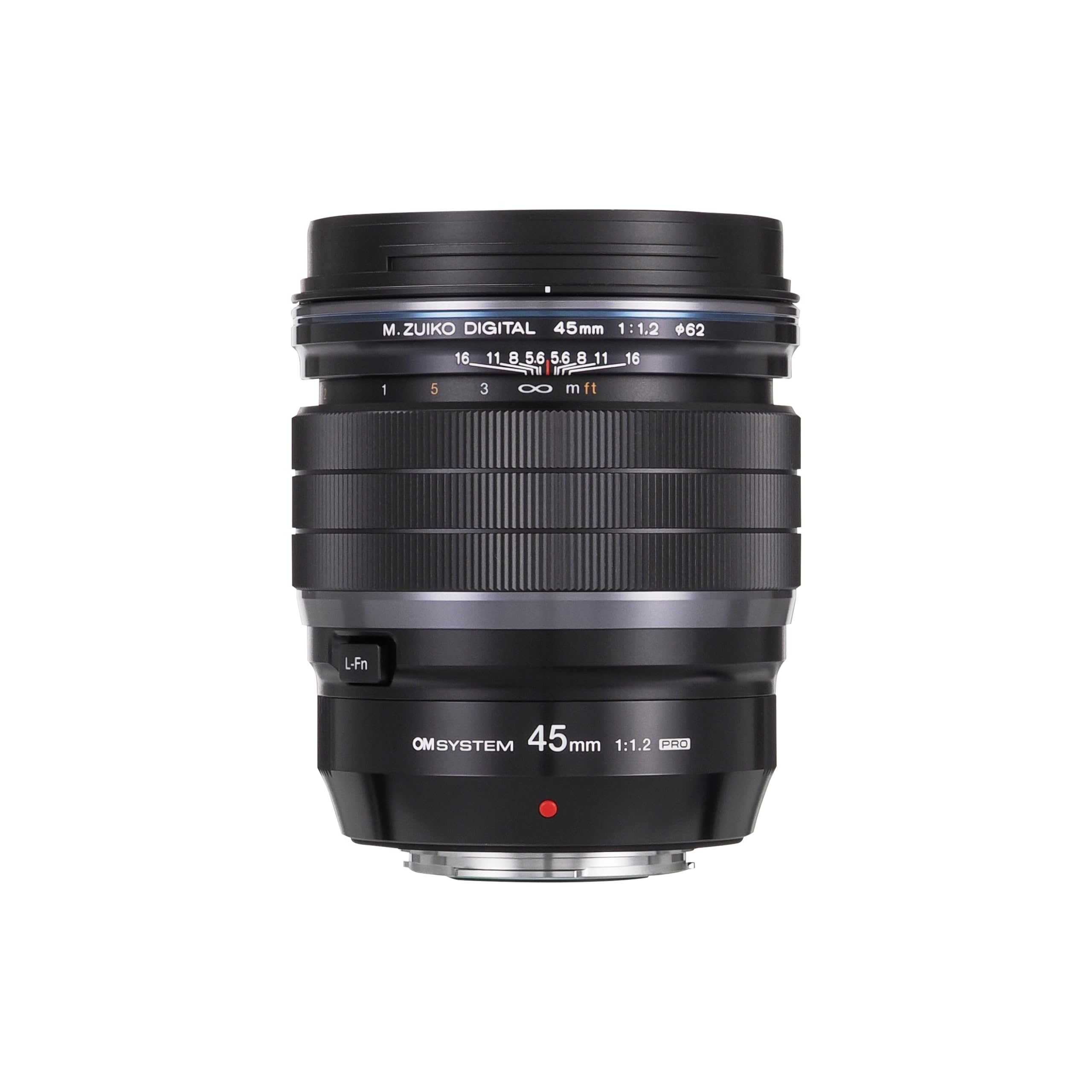
The OM SYSTEM M.Zuiko Digital ED 45mm f/1.2 PRO is a higher-end option in this group, but it shows why fast portrait primes are so desirable: strong subject isolation, excellent optical quality, and a focal length that feels tailor-made for portraiture on Micro Four Thirds.
At a more budget-conscious level, the Sigma 56mm f/1.4 stands out because it gives portrait shooters that wide-aperture look without jumping into exotic-lens pricing.
Don’t overlook slower but compact primes
Not every portrait lens needs to be ultra-fast. The Panasonic Lumix S-Series 40mm f/2 and Sigma 45mm F2.8 DG Contemporary are great examples of compact full-frame primes that can still produce attractive portraits, especially in natural light.
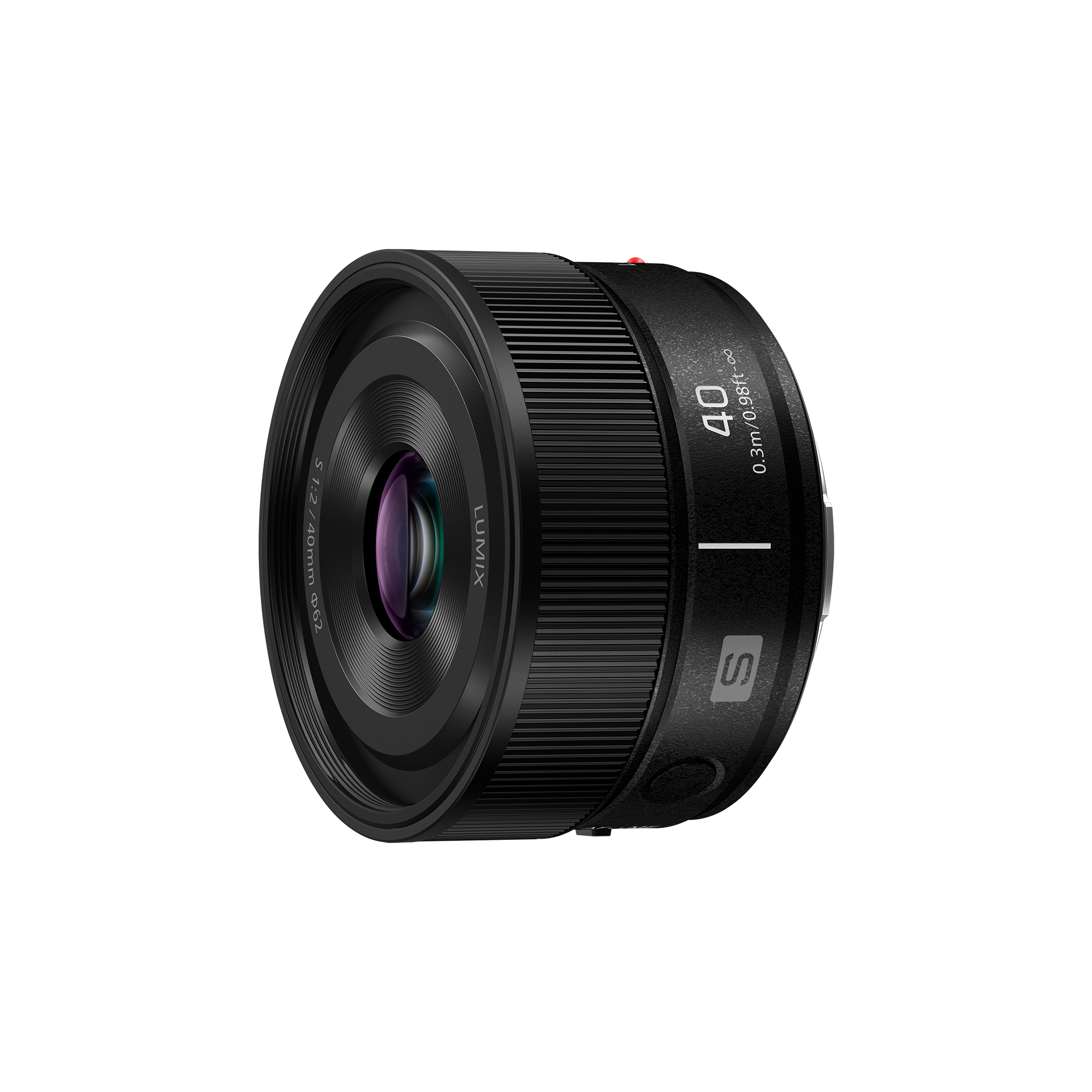
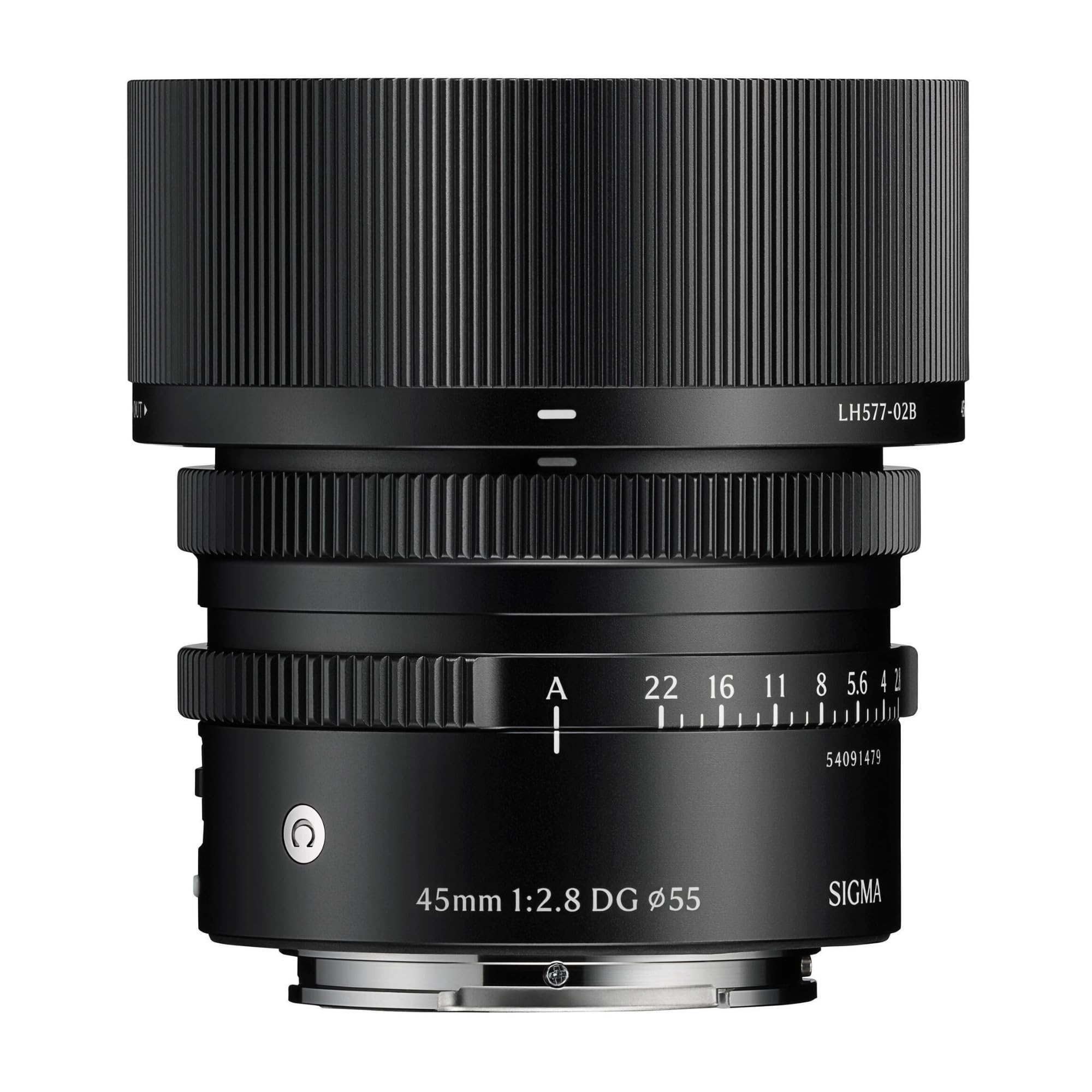
A lens like the Panasonic 40mm f/2 is especially useful if you want one affordable prime that can handle portraits, travel, and everyday photography. Meanwhile, the Sigma 45mm f/2.8 is a good fit for photographers who value a compact setup and prefer a more understated, documentary-style portrait look.
3. Match your lens choice to your camera sensor
APS-C and Micro Four Thirds shooters can get excellent portrait value
Affordable portrait photography often gets easier when you shop for the format you already use. APS-C and Micro Four Thirds systems offer some of the best value in primes, with many lenses designed specifically for smaller sensors. That means you can often get sharp optics and wide apertures at a lower price than comparable full-frame options.
- Canon RF APS-C: The Sigma 23mm F1.4 DC DN Contemporary is ideal for environmental portraits, while the Sigma 56mm F1.4 DC DN Contemporary is a better fit for classic portrait framing.
- Micro Four Thirds: The OM SYSTEM 45mm f/1.2 PRO delivers premium portrait performance, and the OM SYSTEM 75mm f/1.8 remains an excellent choice for dramatic subject separation and tighter shots.
- Full-frame L-Mount shooters: The Panasonic 40mm f/2 and Sigma 45mm f/2.8 DG offer compact, approachable options for portrait work without requiring a large investment.
4. Think beyond headshots when choosing an affordable prime
Versatile portrait lenses give you more value over time
If you’re buying just one prime lens, versatility matters. A wider-normal focal length like 40mm or 45mm can be a smart choice because it works for portraits, travel, family photos, and everyday shooting. That is where lenses like the Panasonic Lumix S-Series 40mm f/2 and Sigma 45mm F2.8 DG Contemporary become very appealing.
On the other hand, if portrait photography is your main goal, it often makes sense to prioritize a dedicated portrait focal length. The Sigma 56mm f/1.4 and OM SYSTEM 75mm f/1.8 are great examples of lenses that lean more heavily into portrait-specific strengths like flattering compression and stronger separation.
5. Don’t confuse “affordable” with “entry-level results”
Good portrait lenses are about rendering, not just price tags
Some of the best affordable portrait lenses in 2024 produce results that look far more expensive than their price suggests. Sharp eyes, smooth falloff, and pleasing background blur matter more than buying the most premium lens available. Many photographers can create standout portraits with a modest prime and strong technique.
Even specialized optics like the Sigma T1.5 FF High-Speed 5 Fully Luminous Prime Lens Kits for Sony E and Canon EF are reminders that lens design can dramatically shape image character, though these are more geared toward cinema production than budget portrait stills.
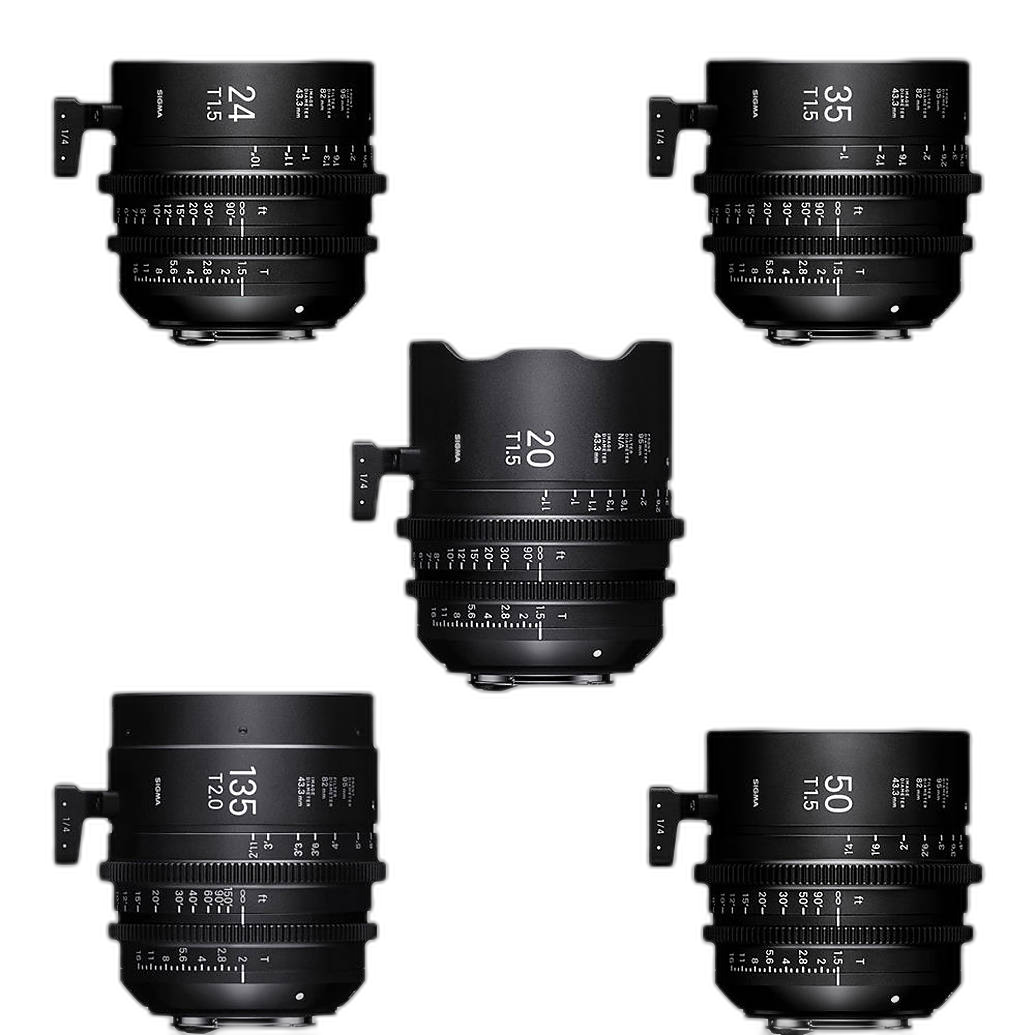
For most portrait photographers, though, the sweet spot remains a compact stills prime with a bright aperture and a focal length that complements your preferred framing.
6. A few smart buying tips before you decide
Keep these quick checks in mind
- Choose your main portrait distance: 23mm for environmental work, 40mm–45mm for versatile everyday portraits, and 56mm–75mm for more flattering classic portrait compression.
- Prioritize aperture if you shoot indoors: Lenses like the Sigma 56mm f/1.4 and OM SYSTEM 75mm f/1.8 can help in lower light while also giving you better background blur.
- Think about size and carry comfort: Smaller lenses often get used more often, which makes them a better long-term value.
- Buy for your system’s strengths: APS-C and Micro Four Thirds photographers have especially strong affordable portrait prime options in 2024.
Conclusion
The best affordable prime lens for portrait photography in 2024 really depends on how you shoot. If you want flexibility, a lens like the Panasonic Lumix S-Series 40mm f/2 or Sigma 45mm F2.8 DG Contemporary is easy to recommend. If portraits are your main focus, the Sigma 56mm F1.4 DC DN Contemporary and OM SYSTEM M.Zuiko Digital ED 75mm f/1.8 stand out as especially compelling choices. And for Micro Four Thirds photographers who want something more advanced, the OM SYSTEM 45mm f/1.2 PRO remains a fantastic portrait tool.
No matter which focal length you choose, a good prime lens can elevate your portraits with better sharpness, more natural subject separation, and a more intentional shooting experience. If you’re ready to upgrade your portrait setup, explore these options at Unique Photo and find the lens that fits your style and budget.