Top Cameras for Hybrid Photo/Video Shooters Under $2,000
For creators who split their time between stills and video, the best camera is not necessarily the one with the highest megapixel count or the most advanced codec sheet. A true hybrid camera needs to balance autofocus performance, burst shooting, video quality, stabilization, ergonomics, battery life, and lens ecosystem—while staying within budget. In the under-$2,000 category, that balance is where things get especially interesting, because this price range now includes several cameras capable of professional-looking results for weddings, events, content creation, documentary work, travel, and commercial projects.
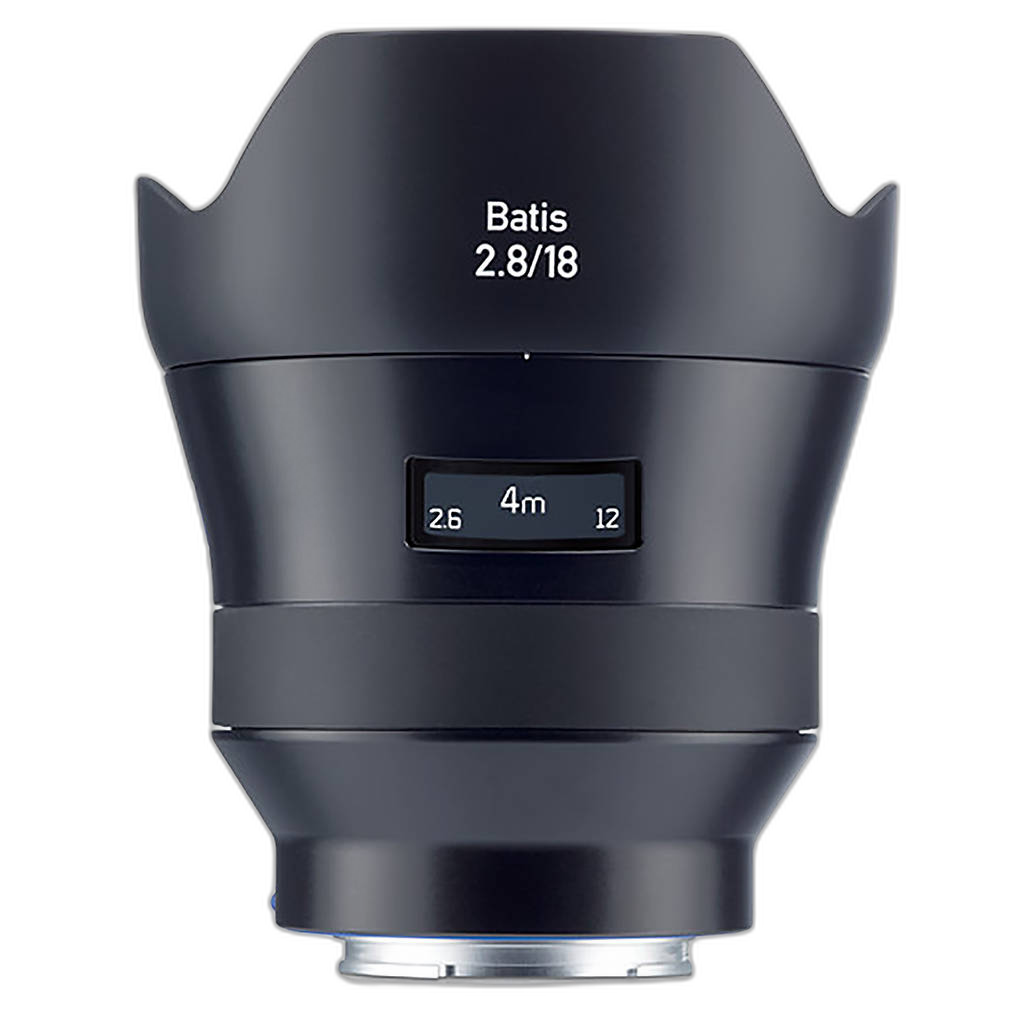
Rather than focusing on a single niche, this review-style roundup looks at the strongest camera types and buying considerations for hybrid shooters shopping below the $2,000 mark. If your priority is creating both polished photos and high-quality video without stepping into flagship pricing, this is the sweet spot. And while lenses often complete the system, starting with a body that excels in both disciplines is the smartest first investment. For buyers building out a Sony full-frame setup, premium optics like the Zeiss Batis 18mm f/2.8 AF lens can be an excellent long-term pairing for wide-angle stills and video work.
The reality is that hybrid users need more than spec-sheet bragging rights. They need a camera that can transition smoothly from fast-moving photography assignments to stable, detailed video capture. The best models in this category usually offer strong subject tracking, oversampled 4K, decent rolling shutter control, microphone and headphone support, and enough physical controls to work efficiently in the field. For photographers who increasingly find themselves asked to deliver reels, interviews, behind-the-scenes clips, or social media video alongside still images, these cameras are some of the most compelling tools on the market.
What Makes a Great Hybrid Camera Under $2,000?
Before choosing a model, it helps to define what “hybrid” really means in practical use. A hybrid camera should be equally comfortable shooting portraits one day and handheld video the next. That means image quality matters, but so do usability and reliability. In this price range, the strongest options tend to share a few essential traits: dependable autofocus in both stills and video, strong 4K recording modes, solid color science or grading flexibility, and a body design that supports real-world content creation.
Still shooters will care about dynamic range, burst rates, RAW flexibility, and lens availability. Video shooters will prioritize recording formats, frame rates, monitoring tools, heat management, and stabilization. The best under-$2,000 bodies do not always dominate every category, but they offer fewer compromises overall. If you are buying one camera to handle client work, family storytelling, YouTube production, travel, and personal photography, versatility becomes more important than any one headline spec.
Best Fit for Most Buyers: APS-C Hybrid Cameras
For many creators, APS-C mirrorless cameras remain the smartest buy under $2,000. They typically offer a great balance of price, portability, and performance. Many of today’s APS-C bodies deliver excellent autofocus, sharp oversampled 4K video, fast continuous shooting, and access to a growing lens ecosystem. They are especially appealing to solo creators, wedding second shooters, event photographers, and travel filmmakers who need a lightweight setup without sacrificing modern performance.
Why APS-C Often Wins on Value
APS-C cameras in this category frequently stretch your budget further than full-frame alternatives. You may be able to purchase a more advanced body with better autofocus and stronger video tools than a similarly priced full-frame option. Lens costs also tend to be lower, which matters for hybrid users who need multiple focal lengths for both stills and video.
From a video perspective, APS-C cameras often feature impressively detailed 4K capture and can be easier to rig or carry on gimbals. For photography, sensor performance is more than sufficient for portraits, travel, documentary, and commercial online use. Unless you specifically need the shallowest depth of field or maximum low-light latitude of full frame, APS-C remains a very practical choice.
Ideal User Profile
If you are a content creator, enthusiast, student filmmaker, or part-time professional who needs one camera to do everything well, APS-C is often the strongest category under $2,000. It is especially well suited to creators who want modern autofocus and polished video capabilities without exhausting their budget on the body alone.
Best for Image Quality and Lens Investment: Entry-Level Full-Frame Hybrids
Full-frame cameras under $2,000 can be extremely attractive for hybrid shooters who prioritize image quality, low-light performance, and room to grow into a higher-end lens system. While some of these bodies may involve tradeoffs in burst rate, crop factors, or advanced video features, they still offer a strong blend of still-photo quality and respectable video tools.
Why Full Frame Still Matters
For photographers, full-frame sensors continue to offer advantages in dynamic range, tonal rendering, and depth-of-field control. For video, they can create a more cinematic look with wider fields of view and better low-light behavior. If your work includes environmental portraiture, weddings, interiors, or branded content, these strengths can be meaningful.
The catch is that full-frame hybrid cameras at this price point sometimes ask you to compromise elsewhere. You may see heavier body-and-lens combinations, slower readout speeds, more rolling shutter, or reduced recording options compared to some advanced APS-C competitors. Still, for many users, the image character and ecosystem are worth it.
Pairing with Premium Glass
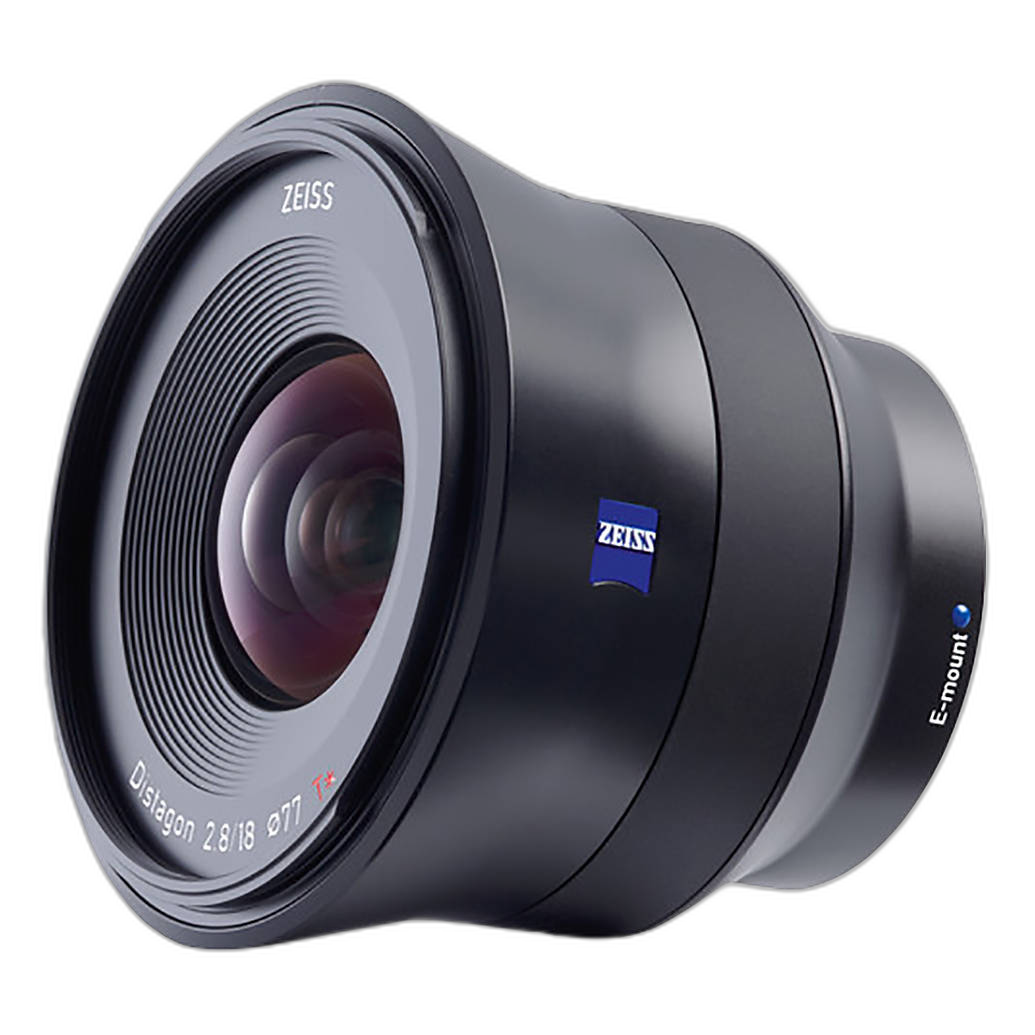
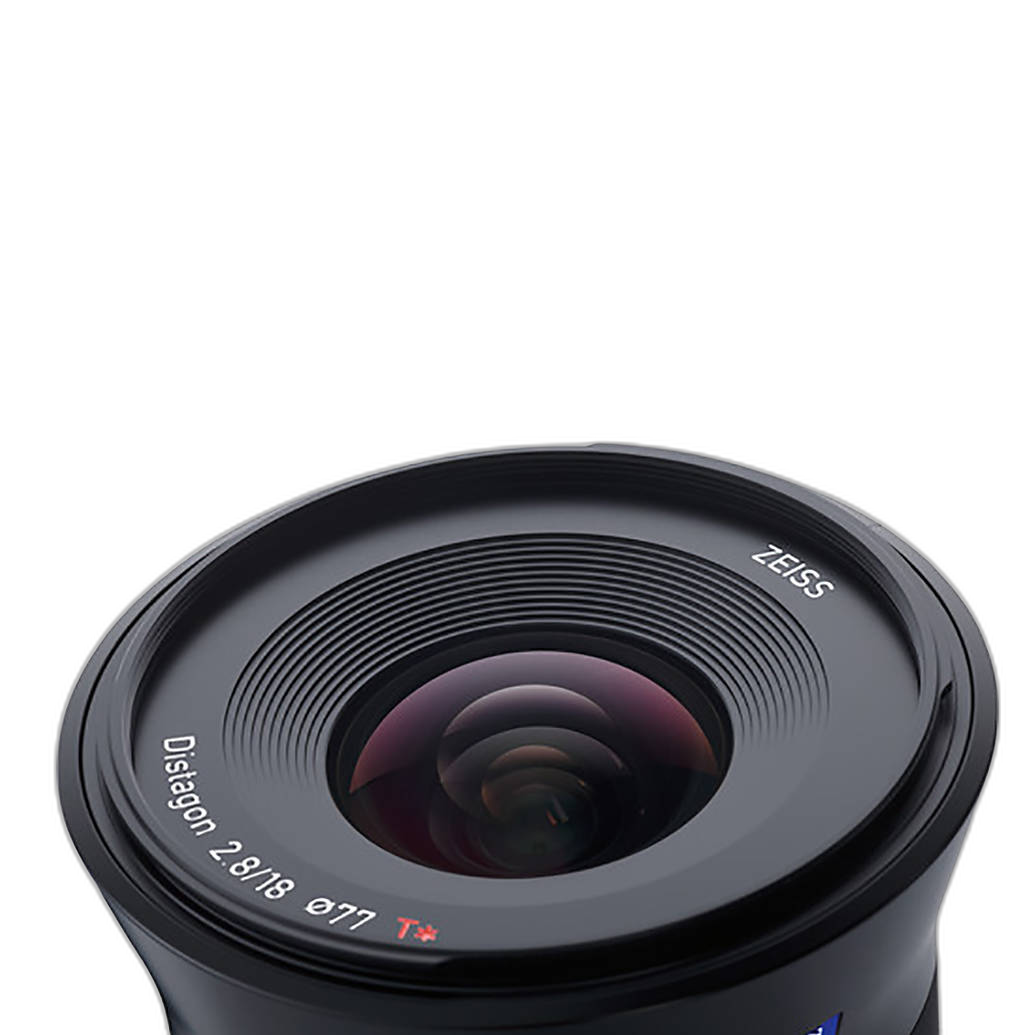
One advantage of choosing a full-frame Sony E-mount system, for example, is access to excellent lens options across price tiers. A lens like the Zeiss Batis 18mm f/2.8 AF brings sharpness, wide-angle coverage, and premium build quality that can serve hybrid shooters working in architecture, landscape, travel, vlogging, or gimbal-based establishing shots. While the lens itself is not part of the under-$2,000 camera-body discussion, it reflects the kind of long-term system planning many buyers should consider.
Key Features Hybrid Shooters Should Prioritize
Autofocus Performance
Autofocus is one of the biggest separating factors between an average hybrid camera and a great one. For stills, you want responsive subject detection, face and eye tracking, and enough reliability for action, portraits, and candid moments. For video, smooth continuous autofocus with minimal hunting is essential, especially for solo operators. The best cameras under $2,000 now offer intelligent subject recognition that dramatically improves consistency in real-world shooting.
Video Quality and Recording Modes
Look for oversampled 4K rather than line-skipped or pixel-binned recording whenever possible. This usually results in a cleaner, sharper image with fewer artifacts. Frame-rate flexibility also matters. Standard 24p and 30p are enough for many creators, but 60p can be a major advantage for slow motion and more polished motion rendering. Log profiles or flat color modes are valuable if you plan to grade footage seriously.
In-Body Image Stabilization
In-body image stabilization can be a game changer for hybrid use. For photographers, it allows slower handheld shutter speeds with non-stabilized lenses. For video, it improves handheld footage and can reduce the need for a gimbal in casual or fast-paced shoots. Not every excellent camera under $2,000 includes strong stabilization, but it is one of the most desirable features for creators working across both mediums.
Ergonomics and Controls
A great spec sheet means little if the camera is awkward to use. Hybrid shooters benefit from dedicated photo/video switches, customizable buttons, intuitive menus, solid grip design, and articulating screens. A vari-angle display is especially valuable for self-recording, low-angle shooting, and unusual compositions. External mic support is basically mandatory for serious video use, and headphone monitoring is a big plus.
Lens Ecosystem
When choosing a hybrid camera, do not judge the body in isolation. The overall system matters. You may eventually need a fast normal zoom, an ultrawide, a portrait prime, and perhaps a stabilized telephoto. Systems with broad third-party lens support tend to offer better value over time. This is one reason Sony, Canon, Nikon, and Fujifilm remain so compelling, depending on your shooting priorities.
Top Buying Advice by Creator Type
For YouTubers and Solo Content Creators
Prioritize dependable eye-detection autofocus, a fully articulating screen, good internal audio options, and stabilization. Ease of use matters as much as raw image quality. A camera that lets you work quickly without external accessories can be the better real-world choice.
For Event and Wedding Shooters
Low-light performance, dual-purpose autofocus, fast burst shooting, and lens flexibility should be at the top of your list. Strong battery life and reliability are also essential. You need a camera that can jump between candid stills and highlight video clips without slowing you down.
For Travel and Documentary Creators
Compact size, stabilization, weather resistance, and excellent autofocus can make a bigger difference than chasing the highest-end codec. The best travel hybrid camera is the one you actually want to carry all day.
For Serious Photographers Expanding Into Video
If photography remains your main priority, look for the strongest still-image performance first—then make sure the video features are competent enough for your current needs. A full-frame body with good 4K and strong lens options may be more satisfying long term than a video-first camera with less compelling still performance.
Pros and Cons of Hybrid Cameras Under $2,000
Pros:
- Excellent value compared to flagship photo/video bodies
- Modern autofocus systems are now available at much lower price points
- Many models offer highly detailed 4K recording suitable for professional work
- APS-C options provide outstanding performance-per-dollar
- Entry-level full-frame bodies open the door to premium lens ecosystems
- Compact mirrorless designs are ideal for travel, gimbal work, and everyday carry
Cons:
- Some cameras still require tradeoffs in rolling shutter, crop factors, or recording limits
- Full-frame systems can become expensive once lenses are added
- Not every model includes strong in-body stabilization
- Advanced codecs and pro video monitoring tools may be limited at this price
- Battery life can be modest on smaller mirrorless bodies
Verdict
The under-$2,000 category is arguably the most competitive and exciting segment for hybrid photo/video shooters. Today’s buyers can get remarkably capable cameras that would have been considered professional-level only a few years ago. For most users, the best choice will come down to a simple question: do you want the best all-around value and features in APS-C, or do you want the look and long-term lens investment of full frame?
If you need a practical recommendation, APS-C remains the smartest starting point for the broadest range of hybrid creators, especially those balancing budget with performance. But if still-image quality, low-light performance, and system growth are top priorities, a carefully chosen full-frame body can be a fantastic investment. Either way, the most important thing is to buy into a system that supports both your current workflow and your future creative goals.
When you are ready to compare bodies, lenses, and accessories, Unique Photo is an excellent place to buy. In addition to a strong selection of cameras for hybrid shooters, Unique Photo offers lenses and gear that can help you build out a complete creator-focused system over time.