35mm vs Medium Format for Landscape Film Photography
For landscape film photographers, few upgrade questions come up more often than whether it is worth moving from 35mm to medium format. The debate usually centers on image quality, negative size, tonality, portability, cost, and whether the final prints really justify the extra effort. If your work involves detailed scenes, large prints, and careful tripod-based shooting, medium format can be a meaningful step up. But 35mm still makes a strong case for photographers who value mobility, lower cost, and a wider selection of compact gear.
In this comparison, we look at how 35mm and medium format stack up for landscape photography, where the real image-quality gains come from, what practical tradeoffs to expect, and which type of photographer benefits most from upgrading.

Side-by-Side Specs Comparison
| Category | 35mm Film | Medium Format Film |
|---|---|---|
| Negative Size | 24x36mm | Typically 6x4.5, 6x6, 6x7, or 6x9cm |
| Image Detail | Very good, especially with fine-grain film and sharp lenses | Noticeably higher detail and smoother tonal transitions |
| Grain Appearance | More visible at larger print sizes | Finer-looking grain due to larger capture area |
| Dynamic Rendering | Strong, film-dependent | Often feels more open and gradual in tonal separation |
| Typical Exposures per Roll | 24 or 36 | 8 to 16 depending on format |
| Camera Size/Weight | Usually smaller and lighter | Typically larger, heavier, and slower to use |
| Lens Availability | Extensive and often more affordable | Excellent optics, but system options can be narrower |
| Shooting Speed | Faster handling and easier for changing light | Slower, more deliberate workflow |
| Scanning/Printing Potential | Good for moderate enlargements | Better for large prints and high-resolution scans |
| Cost per Image | Lower | Higher |
What Changes When You Move Up?
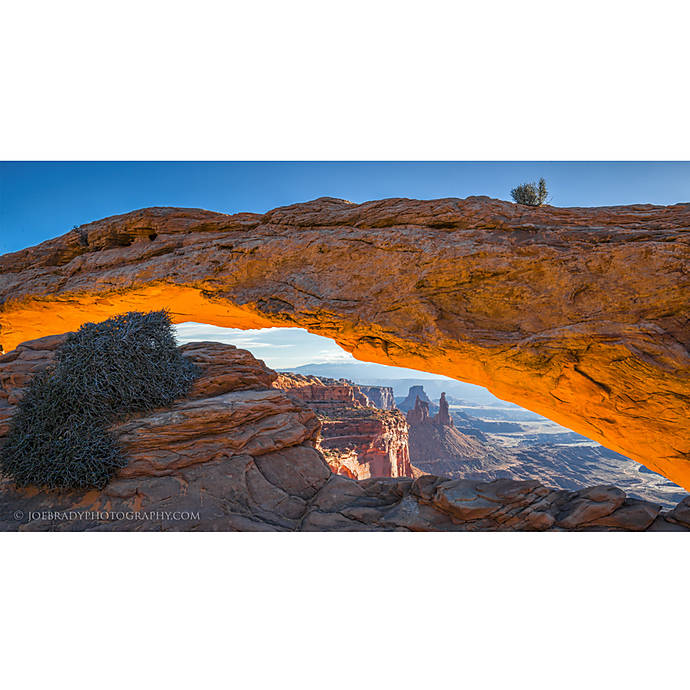
The biggest reason landscape photographers consider medium format is simple: a much larger negative. A larger piece of film captures more information, which can translate into better sharpness, richer tonal separation, and cleaner enlargements. In side-by-side comparisons, the difference is most obvious in areas like foliage, distant texture, rock detail, and smooth transitions in skies and water.
That said, the jump is not magic on every frame. If your 35mm technique is inconsistent, your scans are low quality, or your lenses are limiting the result, medium format alone will not automatically transform your images. The gain is real, but it shows best when the rest of the workflow is strong.
Image Quality and Print Potential
This is where medium format usually wins. For landscape work, larger negatives give you more room to print bigger while maintaining a smoother, more refined look. Fine-grain stocks become especially impressive in 6x6 or 6x7, and even moderately grainy films can look elegant because the enlargement ratio is lower than with 35mm.
If your goal is small prints, online sharing, or modest scans, 35mm may already be enough. But if you regularly print large or crop heavily, medium format offers a clear advantage. Photographers who make exhibition prints often describe the difference less as "more sharpness" and more as "more depth and calm" in the final image.
Gear Size and Field Practicality
35mm remains the easier system to carry into the landscape. Bodies and lenses are generally lighter, faster to operate, and less tiring on long hikes. For photographers working at sunrise, on ridgelines, or in changing weather, that matters.
Medium format can slow you down in both good and bad ways. A heavier camera often encourages more deliberate composition, but it also means fewer casual frames and more commitment to each setup. Folding cameras and compact medium format options can reduce the bulk, though many system cameras remain significantly larger than 35mm kits.
A simple example of a more portable medium format route is a classic folding camera like the Voigtlander Perkeo I in 6x6. Cameras in this category appeal to photographers who want the larger negative without carrying a full modular system.
Lens Character and Depth of Field
Medium format lenses can produce a distinctive rendering, but landscape photographers should think beyond buzzwords. At equivalent fields of view, medium format often gives a different depth-of-field relationship than 35mm. If you want extensive front-to-back sharpness, you may need to stop down more carefully. Tripod use becomes even more important.
On the other hand, medium format wide and normal lenses often deliver a spacious, natural look that many landscape shooters love. 35mm still offers outstanding optics, especially if you already own strong prime lenses. In many cases, the lens quality gap is smaller than the format gap.
Cost Per Roll and Workflow
One of the strongest arguments against upgrading is cost. Medium format generally gives you fewer exposures per roll, and every frame costs more to shoot, process, and scan. A 36-exposure 35mm roll supports experimentation and bracketing more freely than a 10- or 12-shot medium format roll.
For some photographers, that cost is actually a benefit because it enforces discipline. For others, it becomes a barrier that limits practice. The right answer depends on whether you shoot landscapes occasionally, hike long distances for a few frames, or work through many compositions in a single session.
Before-and-After Expectations
In real before-and-after comparisons, the upgrade from 35mm to medium format usually shows itself in four areas: finer grain, better separation of similar tones, stronger texture in distant subjects, and more flexibility for large prints. The differences are usually subtle on small screens but much easier to see in quality scans or physical prints.
What usually does not change dramatically is composition. A weak composition stays weak on a larger negative. For many photographers, the best "before and after" result comes from pairing the upgrade with a more intentional field workflow: tripod use, metering care, better filters, and improved post-processing or darkroom printing.
Who Should Stay with 35mm?
35mm is still the right choice if you:
- Prioritize lightweight gear for hiking and travel
- Want more frames per roll
- Prefer lower shooting and scanning costs
- Mostly share digitally or print at moderate sizes
- Already own excellent 35mm lenses and cameras
Who Should Upgrade to Medium Format?
Medium format makes the most sense if you:
- Make large landscape prints
- Value negative size and maximum detail
- Shoot slowly and deliberately on tripod
- Want smoother grain and tonal transitions
- Are ready for a more expensive but more specialized workflow
Recommended Learning and Workflow Support
Upgrading formats is only part of getting better landscape images. Field technique and finishing matter just as much. Workshops and editing instruction can have as much impact on your results as a new camera format, especially if you want to refine composition, exposure, and print-ready files.
Our Pick
Our Pick: Upgrade to medium format if landscape photography is your serious print-focused medium; stay with 35mm if portability and shooting volume matter more.
For dedicated landscape film photographers who work carefully and want the best possible negatives for enlargement, medium format is the better creative tool. The larger negative delivers meaningful gains in detail, grain structure, and tonal smoothness. However, if your landscape work involves long hikes, frequent travel, or a more spontaneous shooting style, 35mm remains an excellent and practical format that still produces beautiful results.
Conclusion
The move from 35mm to medium format is less about replacing one format with another and more about choosing the right tool for the way you photograph landscapes. Medium format rewards patience, precision, and a print-first mindset. 35mm rewards flexibility, light weight, and affordability. Both can produce outstanding images, but if you have been hitting the limits of 35mm in large prints or high-resolution scans, medium format is a very reasonable next step.
If you are exploring film gear, education, and workflow support for your next landscape project, Unique Photo is a great place to continue the journey.